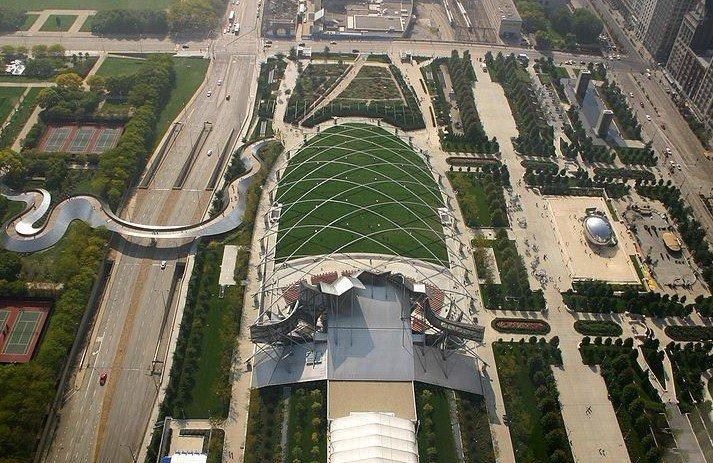
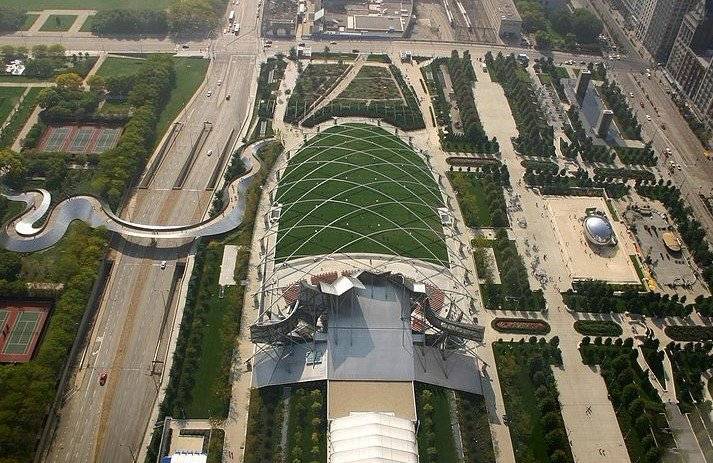
Millennium Park is a famous public park in Chicago, known for its iconic Cloud Gate sculpture (The Bean), beautiful gardens, and outdoor concerts. It marks the starting point of Route 66.
Willis Tower, formerly known as Sears Tower, is one of the tallest buildings in the United States. Visitors can enjoy breathtaking views of Chicago from its Skydeck.
The Gateway Arch is a 630-foot monument in St. Louis, Missouri, symbolizing the westward expansion of the United States. It is a must-see landmark along Route 66.
The Blue Whale is a quirky roadside attraction in Catoosa, Oklahoma. This giant blue sculpture is a popular stop for Route 66 travelers.
Cadillac Ranch is an art installation in Amarillo, Texas, featuring half-buried vintage Cadillacs. Visitors can spray-paint the cars as part of the interactive experience.
Petroglyph National Monument in Albuquerque, New Mexico, preserves ancient rock carvings created by Native Americans and early Spanish settlers.
Santa Fe is known for its vibrant art scene, Pueblo-style architecture, and rich cultural heritage. It is a highlight of the New Mexico stretch of Route 66.
Meteor Crater is a massive impact site in Arizona, created by a meteorite collision over 50,000 years ago. It is a fascinating geological landmark.
Santa Monica Pier marks the end of Route 66. It features an amusement park, restaurants, and stunning views of the Pacific Ocean.