12-Day Ultimate Winter Journey Across New Zealand's North and South Islands
14 cities |
47 attraction(s) |
total distance 39659
km
Day1
Day2
Day3
Day4
Day5
Day6
Day7
Day8
Day9
Day10
Day11
Day12
Day1: Auckland
3 attraction(s) ·
3 km
1
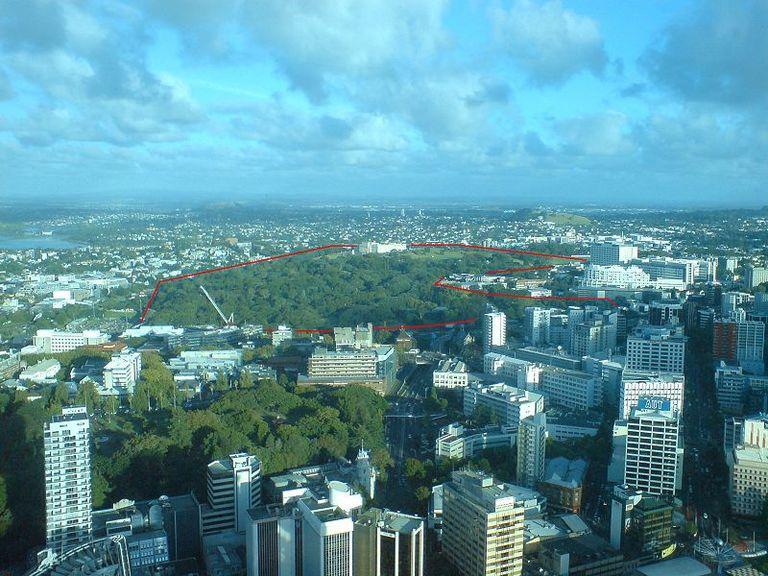
Located in the heart of Auckland city, the historic Auckland Central Park is a delightful place to visit. The entire park is covered in lush green grass, filled with fragrant flowers, and crisscrossed with walking paths. One of the main highlights of the park is the duck pond, where you can often see mother ducks leading their little ones to play by the pond. Please do not feed the ducks, but you can provide food for them when they are on the grass. Additionally, the Auckland Museum is situated at the highest point of the park, housing many precious artifacts. Every day, the museum also showcases performances of Maori culture, which is highly recommended to visit. Only a 5-minute drive from the city center, Auckland Central Park is an ideal place to relax and enjoy the beauty of nature.
1
km
2
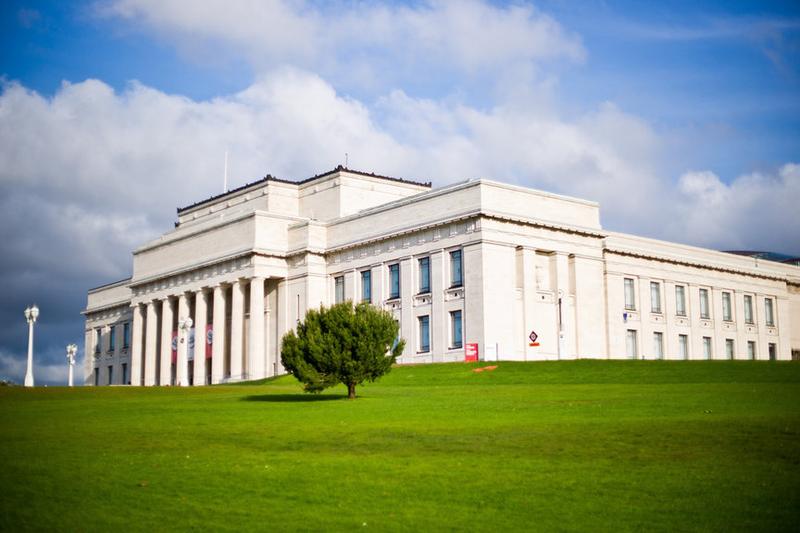
The Auckland Museum is located in Auckland Domain Park and is a comprehensive museum of Gothic architecture, with a rich collection of historical and cultural relics. The museum has three floors. The first floor mainly displays Maori culture, including Maori handicrafts, meeting places, and daily items, as well as Pacific Islander art. The second floor exhibits various animal and plant specimens, with the most eye-catching being the remains of the moa bird. The third floor displays the history of the two world wars, including the weapons used and the soldiers who died for their country. The marble walls of the Hall of Memories are inscribed with the list of heroes of World War II, while World War I has only the dead. The museum also has a magnificent memorial to fallen soldiers, where a solemn mourning ceremony is held every April 25th. The museum also has the most comprehensive collection of Maori culture and New Zealand history, as well as three daily Maori performances. The museum's exterior is magnificent, with exhibits mainly featuring traditional art and culture of Pacific Islander indigenous peoples, including Maori totem sculptures and architecture, as well as various treasures. The museum offers views of Auckland's iconic landmarks such as the Auckland Harbour Bridge, Sky Tower, and container port, and is one of Auckland's must-see attractions.
2
km
3
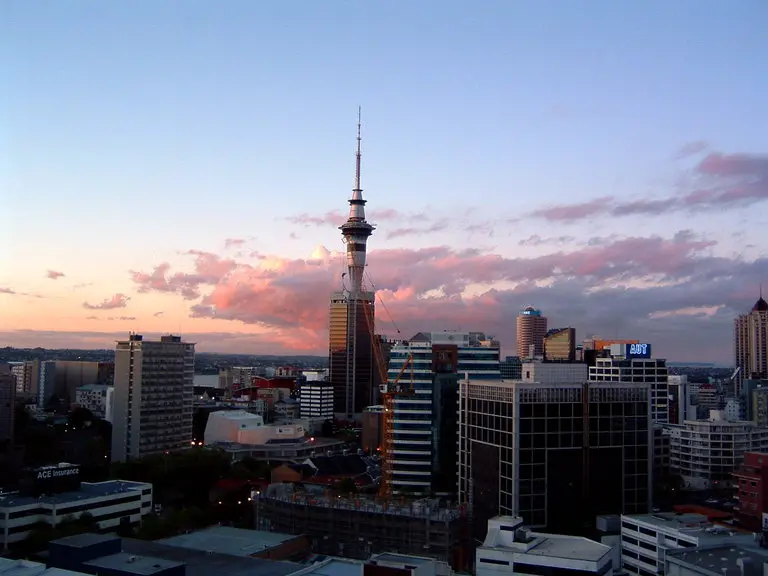
Sky Tower, the tallest building in the southern hemisphere, was built in 1996. It stands at 328 meters tall and boasts multiple observation decks which offer a 360-degree view of Auckland. High-powered binoculars aid visitors in enjoying the view. Broadcast services in various languages and interactive technology can be found throughout the tower. There are also audio-visual exhibits to help visitors learn more about Auckland. Visitors with tickets can access the main observation deck at 186 meters and the Sky Deck at 220 meters. If you are not afraid of heights, you can opt for the glass elevator ride, which allows you to admire outside views as you ascend. There are two observation decks on the tower, both surrounded by glass floors. You can stand on them and look up at the blue sky or feel the thrill of the high altitude beneath your feet. The SkyWalk and SkyJump are two extreme sports offered on the tower that require courage and daring to attempt. Several restaurants can be found on the tower, allowing visitors to enjoy delicious food. At night, the view from the tower is breathtaking, with many considering it even more spectacular than during the day. Visit the Sky Tower and enjoy an unparalleled experience, while taking in the beautiful sights of Auckland.
Day2: Rotorua
3 attraction(s) ·
27 km
1

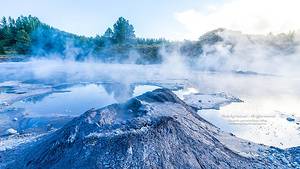
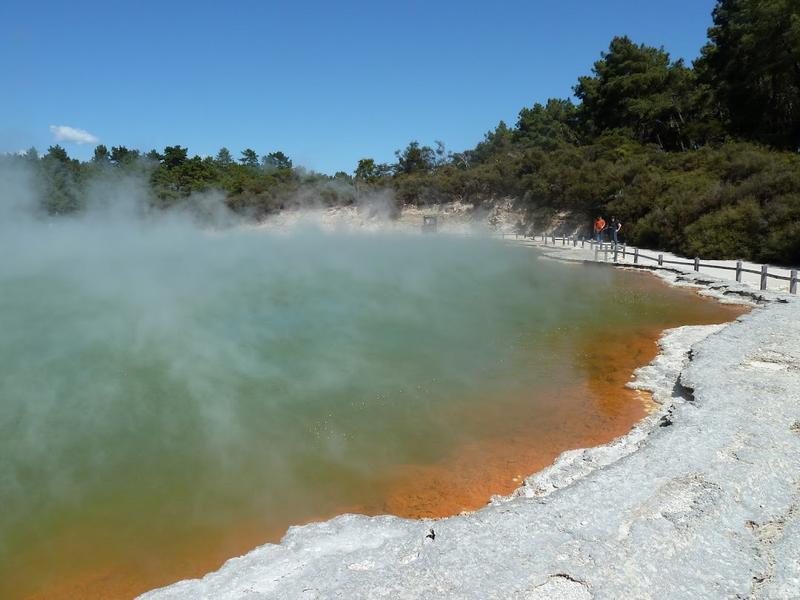
Pools of colourful bubbling water are heated by volcanoes at this oft-visited natural attraction.
14
km
2

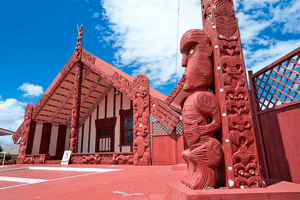
In Rotorua, you can visit the Tamaki Maori Village, a Maori cultural village where you can learn about Maori culture, enjoy exciting performances by Maori people, and taste authentic Maori cuisine. Maori culture is of great importance to New Zealand, and this is an experience that combines history and modern significance, making it a must-visit for culture enthusiasts.
13
km
3
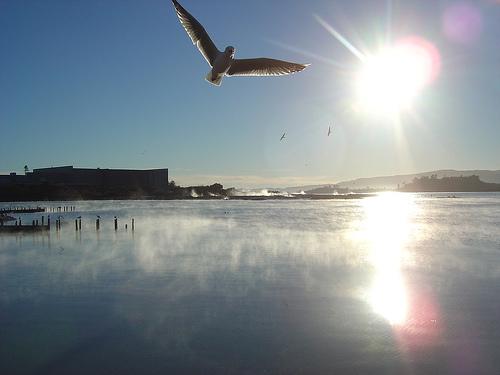
Polynesia Spa is located in the government garden. It is a historical mineral spring and can be reached within a 5-minute walk from the center of Rotorua. There are a total of 35 hot spring pools here, and visitors can also buy a variety of hot spring derived products. Among them, the mineral mud beauty and skincare products are very famous.
Day3: Rotorua > Taupo > Connemara National Park
5 attraction(s) ·
18392 km
3
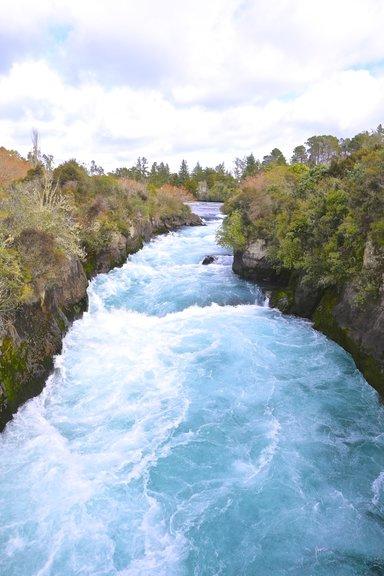
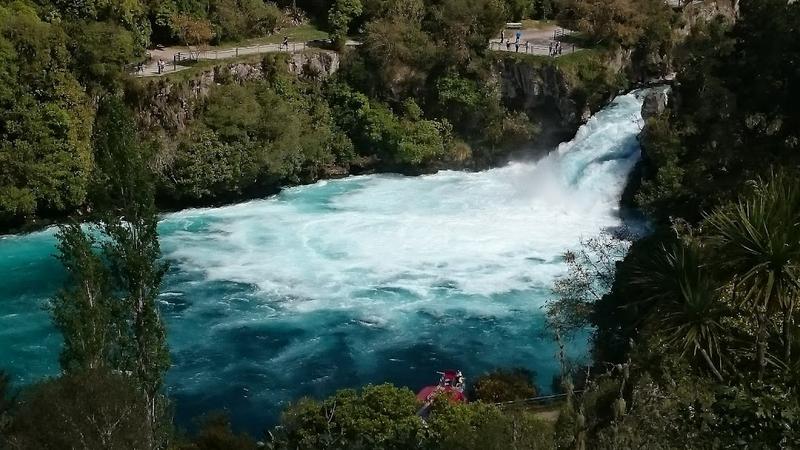
The Huka Falls are located in the Waikato region of New Zealand. With abundant water and spectacular scenery, it is one of the most popular natural landscapes in the area. The Waikato River mouth of the waterfall is 12 meters high and the water flow is 230 tons per second. Due to the effects of narrow passages and faults, the Waikato River appears light blue in color, like a beautiful gem. When the water flows impact the waterfall, the powerful force creates a foamy waterfall, which is very impressive. Therefore, locals call this beautiful waterfall "Huka", which means foam.
20
km
4
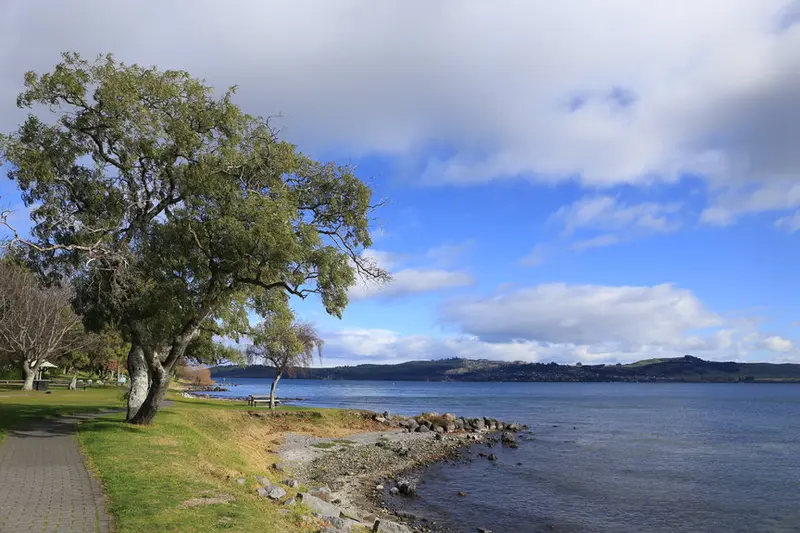
Taupo Lake is located in the central region of the North Island volcanic area, known for fishing and vacationing, and is the largest freshwater lake in New Zealand. It is situated behind the Tangariro Mountains, and the famous Huka Falls is also located here. Despite its peacefulness and clearness in the summer, it is actually a volcanic lake that had violent ancient volcanic eruptions. Today, Taupo Lake is one of the few remaining wild trout spawning sites in the world and the largest trout fishing center globally. You can hire a guide to fish for rainbow or brown trout or learn the skills of fly fishing. The trout you catch can be cooked for you at many local restaurants or hotels. Huka Falls is one of the most popular sightseeing spots in New Zealand and a great place to take photos. The sound of thunder, the magnificent spectacle of up to 220,000 liters of water per second cascading down from the cliff top. You can also take a jet boat ride to get here. In addition, the area has many other interesting sights, including the famous moon crater (Craters of the Moon), where you can see oddities such as geysers, mud pools, and hot steam vents. Moreover, various water activities are available here, such as jet boating, parasailing, fishing, swimming, kayaking, canoeing, yachting, and seaplane sightseeing.
18307
km
5
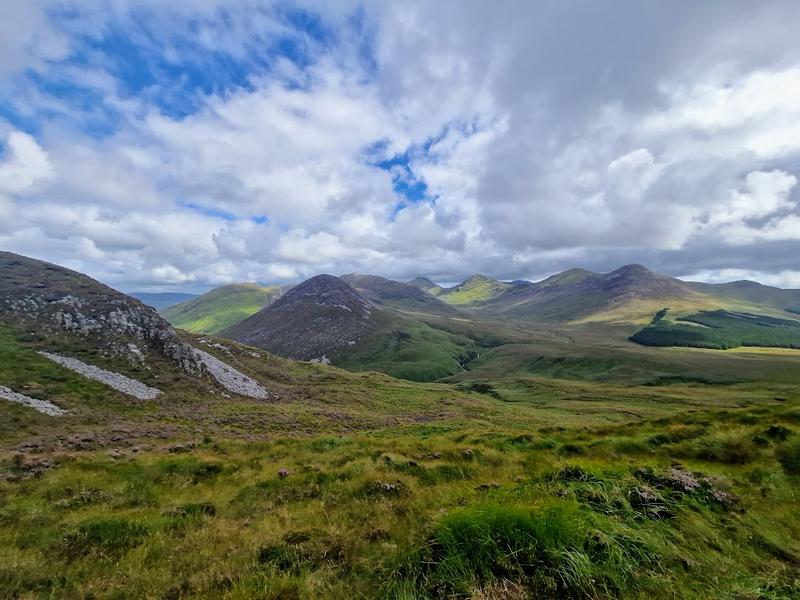
Some 7,000 acres of mountains, bogs, heaths & grasslands, with wildlife & scenic walking trails.
Day4: Wellington
3 attraction(s) ·
4 km
1
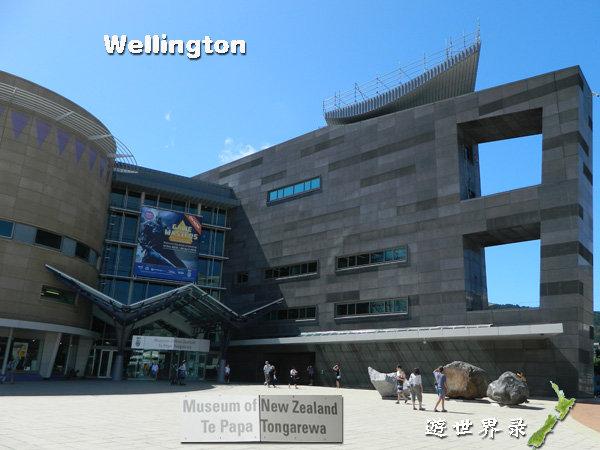
"Te Papa" is the nickname for the National Museum of New Zealand, located in the center of Wellington with a convenient location near the coast. The museum has been selected as one of the most popular museums in the southern hemisphere and represents the history and culture of New Zealand. The museum displays a rich collection of artifacts using high-tech and interactive exhibition methods for visitors. This museum is the best window to understand the history, geography and culture of New Zealand, and is well-liked by tourists from all over the world.
2
km
2
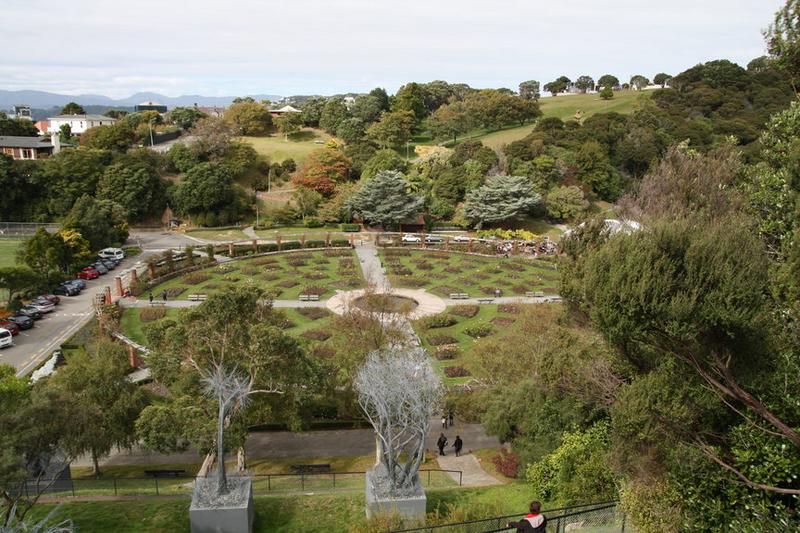
Wellington Botanic Garden, built in 1844, is a beautiful and tranquil place with local and exotic tree species. One of the oldest exotic trees in New Zealand can be found here, which is truly astounding. There are elegant ponds and flocks of ducks in the park, adding charm to the garden. In addition, there are the Begonia House, cafes, colorful flower and herb gardens, as well as gardens with Australian style and the award-winning Lady Norwood Rose Garden.
2
km

Day5: Wellington > Picton > Kaikoura > South Island
5 attraction(s) ·
455 km
5
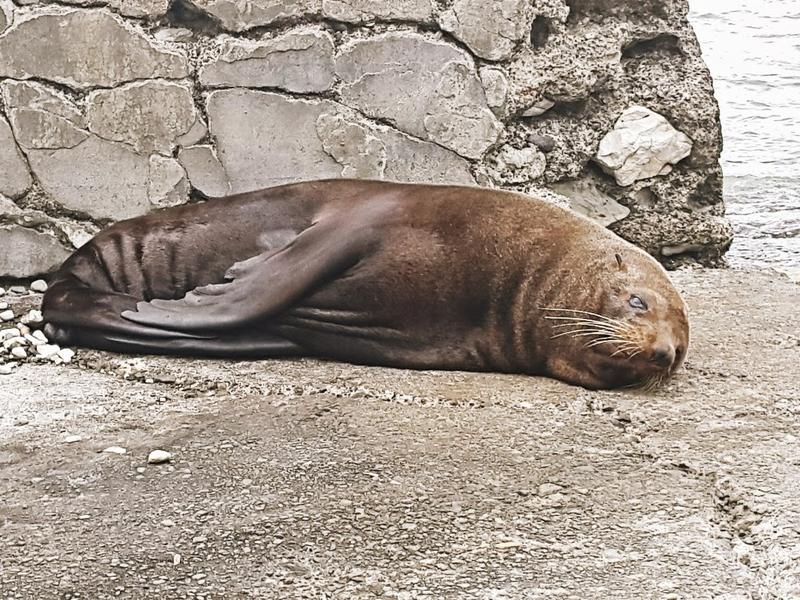
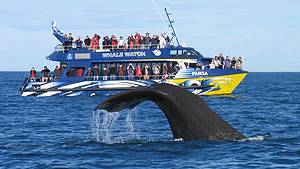
Up close & personal encounters with giant sperm whales, seals & dolphins aboard a tourist vessel.
Day6: Christchurch
4 attraction(s) ·
8 km
1
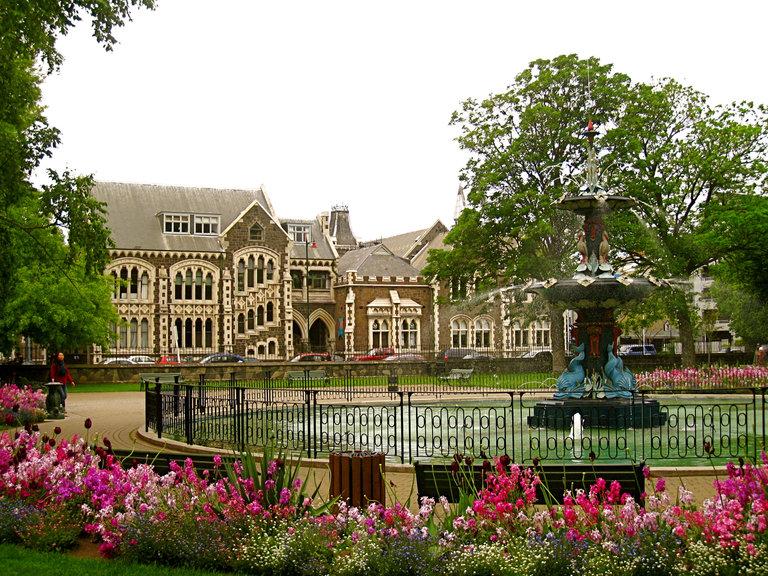
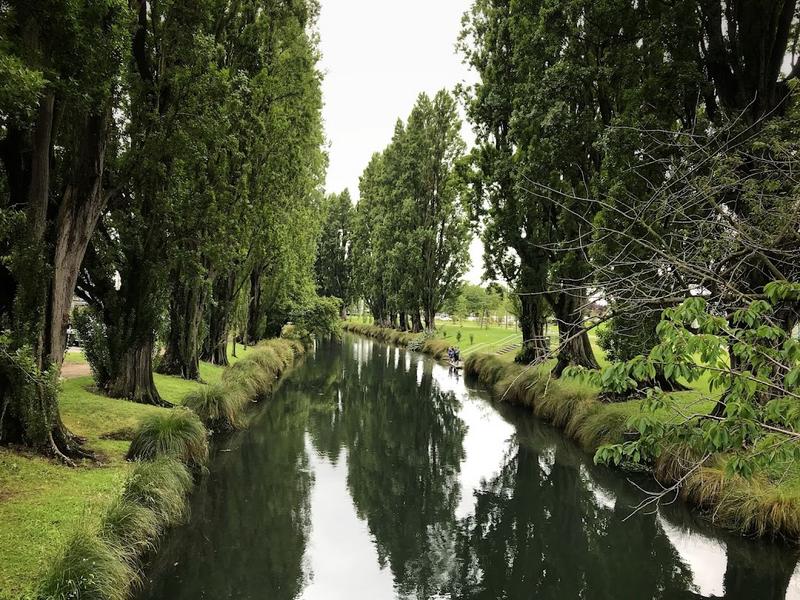
Christchurch has a 300,000 square meter green land located by the Avon River, which is the most pleasant place in the city. Over ten thousand species of plants display a colorful array of colors in different seasons, bringing endless surprises to visitors. Whether it's the elderly, children, couples, or friends, taking a stroll in the botanical garden or enjoying a cup of coffee in the cafe is very pleasant. The visitor information center is located between the botanical garden and the Canterbury Museum and provides timely answers to any visitor questions. Come here and experience the atmosphere of the garden city!
4
km
3
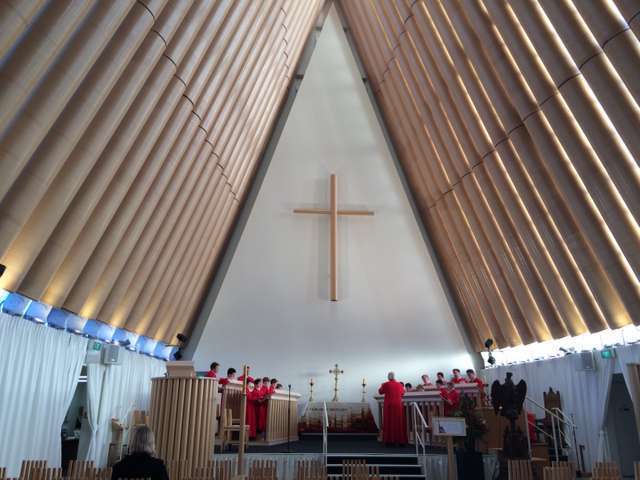
The cardboard cathedral in Christchurch, New Zealand is a transitional Anglican church that was opened in August 2013. It was designed by Japanese architect Shigeru Ban, who won the Pritzker Prize in 2014, and can accommodate 700 people. The design features unique materials and structures, including 60cm (24-inch) diameter cardboard tubes, wood, and steel. The altar stands at 21 meters (69 feet) high, and the roof is made of polycarbonates and eight shipping containers. This building is an excellent example of modern architecture that attracts a large number of visitors.
2
km
4
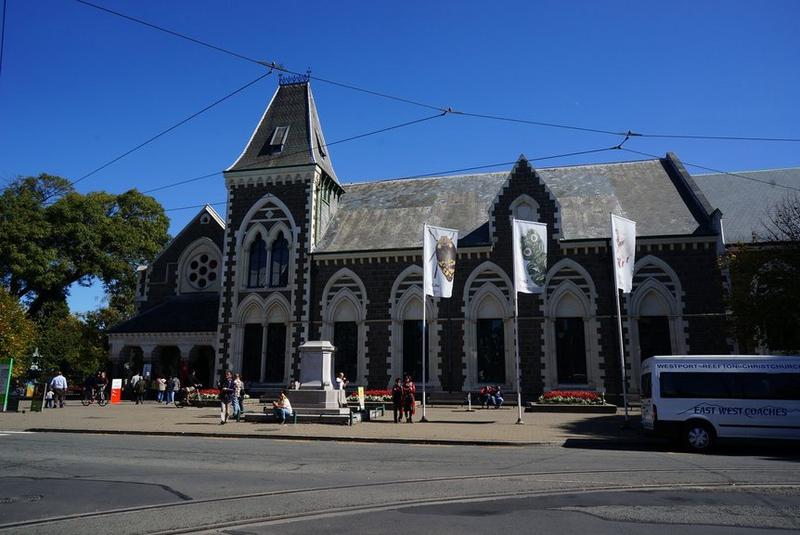
The Canterbury Museum is located in the center of Christchurch, with a grand and distinct European architectural style. The museum has a diverse range of exhibitions, including New Zealand history, nature, Maori culture, art, etc. The Antarctic-related theme is particularly fascinating, showcasing vivid sculptures of emperor penguins and Coracle, a small boat used for survival during the shipwreck of 1907 on Disappointment Island. In addition, the museum has abundant specimens of birds from the South Pacific, showcasing the rich ecological diversity of our planet. Before July 2015, the special exhibition "Quake City" was open to the public, displaying the reconstruction and impact of Christchurch after multiple earthquakes since September 2010, providing a deeper understanding of the city’s history and development. The museum’s ticket prices are also very affordable, with only 10 New Zealand dollars for adults to enjoy the exhibitions. A visit to the museum will provide a deeper understanding of the history and culture of Christchurch.
Day7: Christchurch > Lake Tekapo
5 attraction(s) ·
185 km
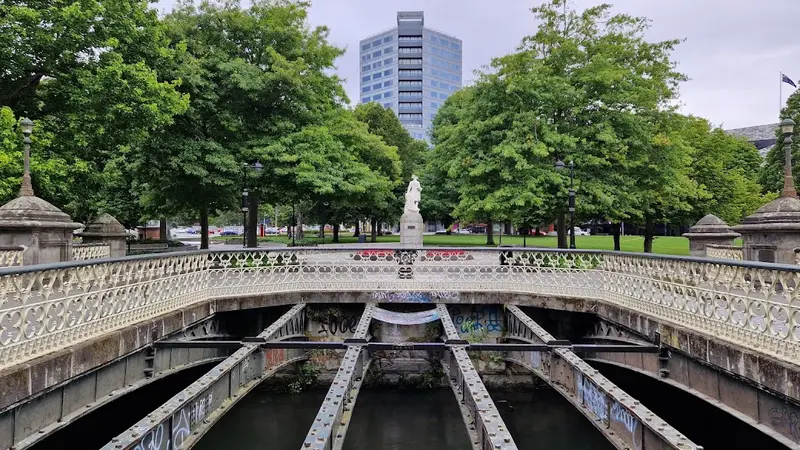
2
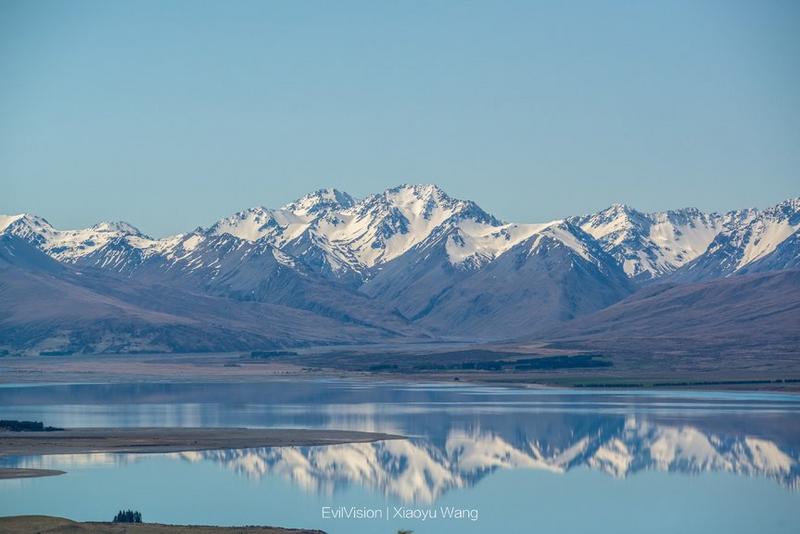
There is a lake called Lake Tekapo in the central part of South Island, New Zealand, managed by Canterbury. The lake is 27 kilometers long, 6 kilometers wide, with an area of 87 square kilometers and an elevation of 700 meters. The average depth of the lake is 69 meters, with a maximum depth of 120 meters. It has strong evaporation capacity and a storage capacity of 6 cubic kilometers.
2
km
3
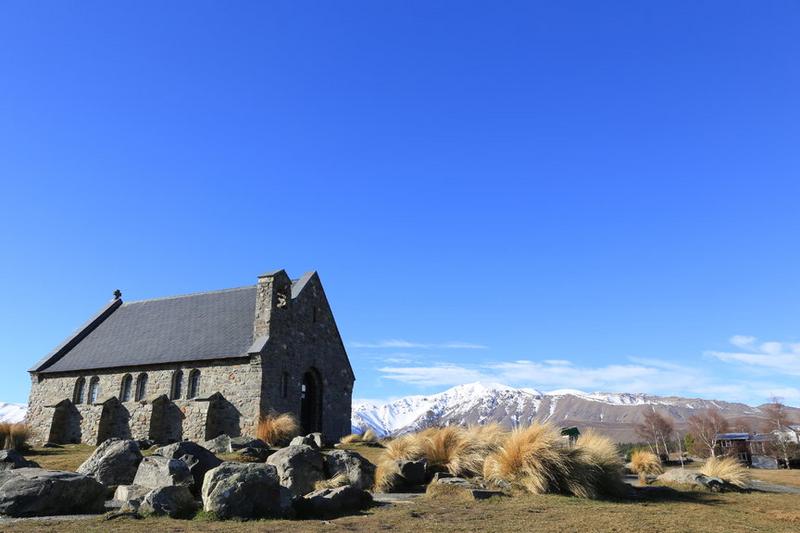
The Church of the Good Shepherd is a historic church constructed by renowned architect Benjamin Woolfield Mountford in 1935. This church features a unique Gothic wood and stone building and is the only one of its kind in New Zealand. It is located on the shores of Lake Tekapo and surrounded by stunning natural scenery amidst towering mountains. Due to its unique architecture and charming environment, many couples choose to hold their weddings here, making it one of the most famous tourist attractions in New Zealand.
2
km
4
There is a lake called Lake Tekapo in the central part of South Island, New Zealand, managed by Canterbury. The lake is 27 kilometers long, 6 kilometers wide, with an area of 87 square kilometers and an elevation of 700 meters. The average depth of the lake is 69 meters, with a maximum depth of 120 meters. It has strong evaporation capacity and a storage capacity of 6 cubic kilometers.
3
km
5
John's Mountain Observatory is renowned for its stunning scenery and convenient location. It's just a 15-minute drive from Lake Tikapoo, making it an ideal spot for stargazing.
Day8: Lake Tekapo > Mount Cook Village > South Island
6 attraction(s) ·
214 km
1
There is a lake called Lake Tekapo in the central part of South Island, New Zealand, managed by Canterbury. The lake is 27 kilometers long, 6 kilometers wide, with an area of 87 square kilometers and an elevation of 700 meters. The average depth of the lake is 69 meters, with a maximum depth of 120 meters. It has strong evaporation capacity and a storage capacity of 6 cubic kilometers.
43
km
3
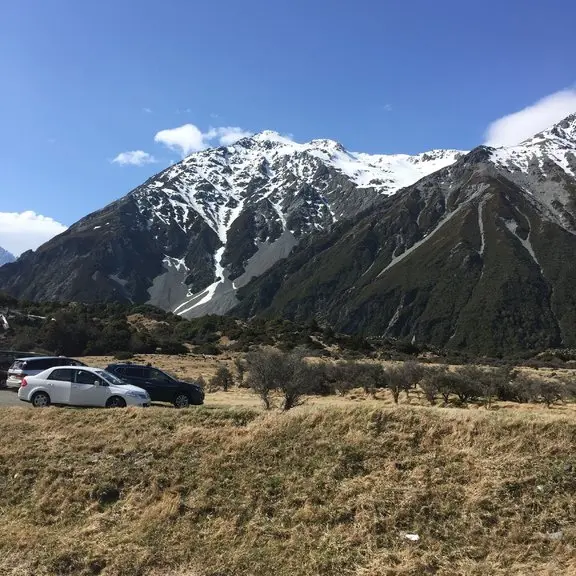
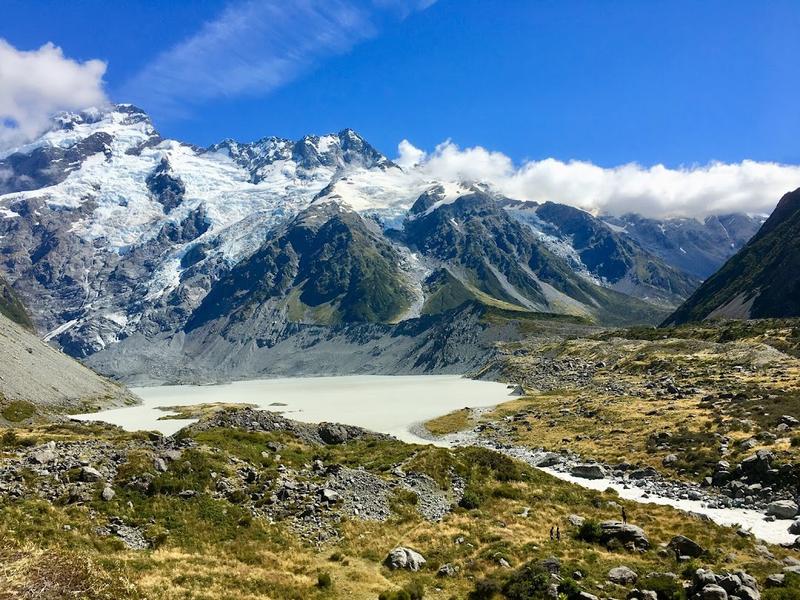
The Cook Islands National Park is located in the southeast of the South Alps, New Zealand. It is one of New Zealand's most famous and oldest national parks, adjacent to the West District National Park, the Aspyling Mountain National Park, and the Fjord National Park. There are nearly 20 mountains here that are over 3,000 meters high, including New Zealand's highest peak - Mount Cook, with an altitude of 3,753 meters. In addition, there are more than 360 magnificent glaciers here, the longest of which is the Tasman Glacier, which is up to 27 kilometers long. If you are passionate about outdoor activities such as climbing, skiing, mountaineering, hiking, and river rafting, the Cook Islands National Park will be a perfect destination. However, if you just want to appreciate the wonderful natural scenery or experience the peaceful environment, visiting this national park is also an unmissable opportunity.
76
km

5
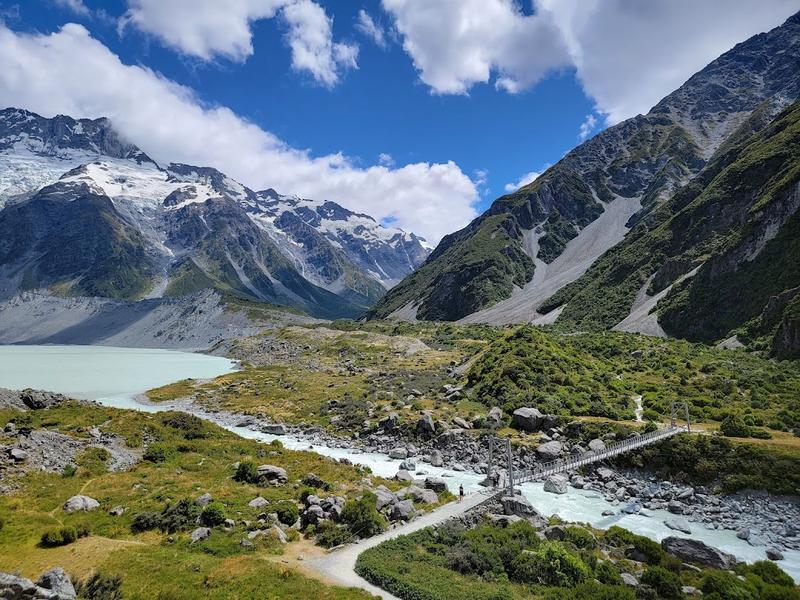
This 5-km. walking track in Mount Cook National Park leads to Hooker Lake & offers sweeping views.
15
km
6
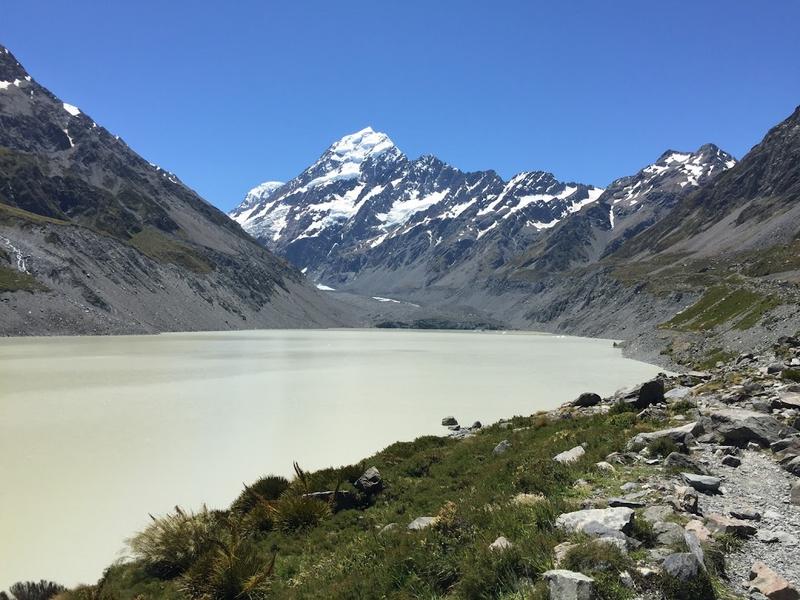
Popular with trekking enthusiasts, this 12,218-ft. peak offers forested trails to glacial views.
Day9: Mount Cook Village > Queenstown > South Island
8 attraction(s) ·
202 km
3
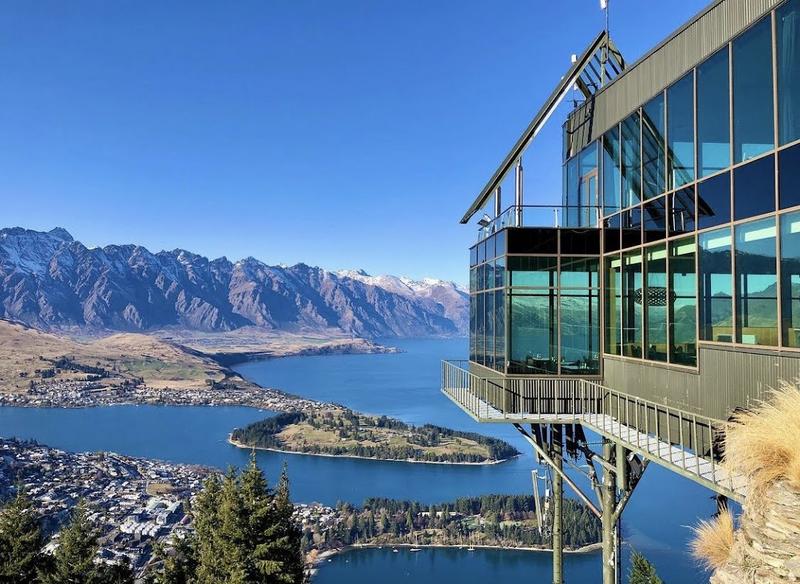
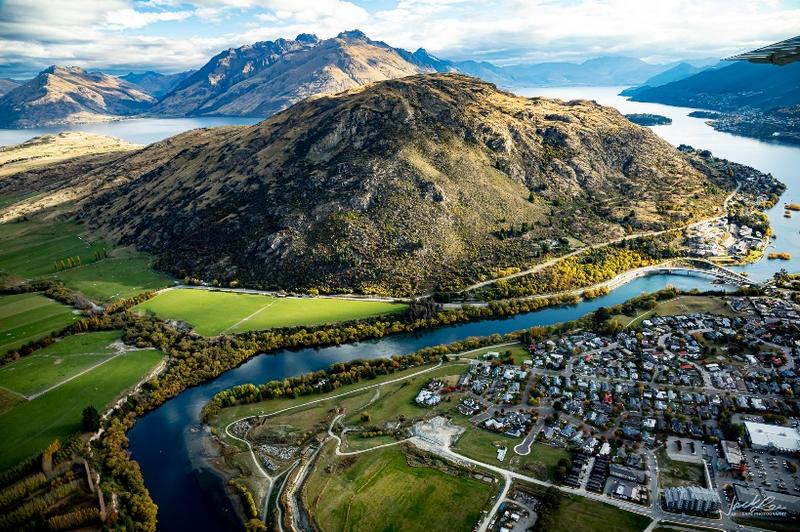
Attraction featuring a gondola to a panoramic restaurant/bar, hiking trails & a luge ride down.
1
km
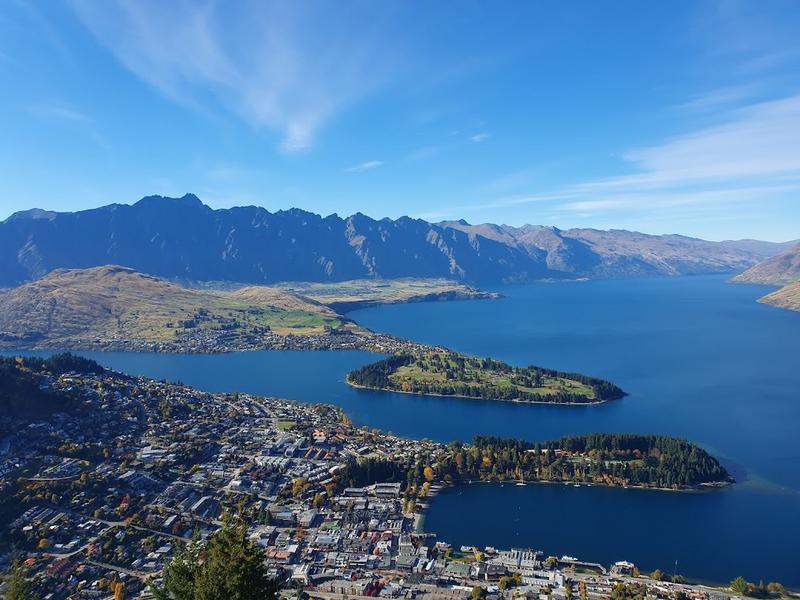
5
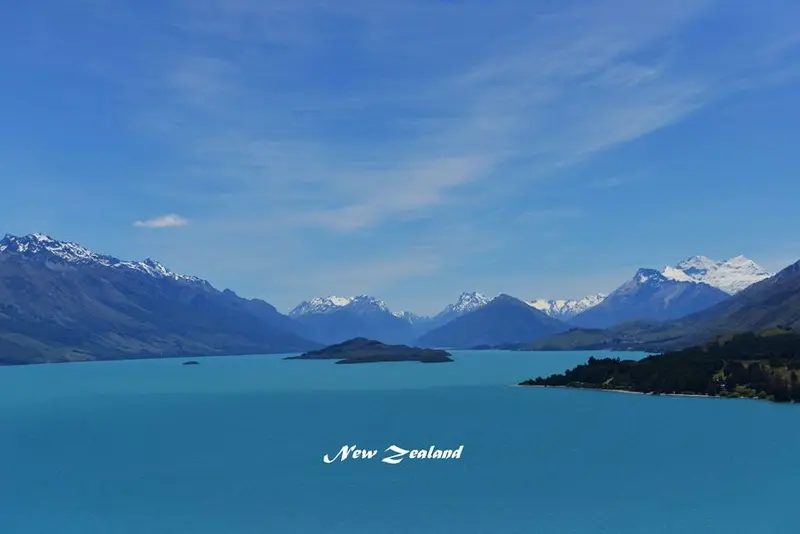
Nestled in a glaciated valley, New Zealand's third largest lake is shaped like a lightning bolt and boasts stunning scenery. The northern end is where the Dart River merges into it, while the Kawarau River flows into the lake mouth after originating from Queenstown. It is surrounded by high mountains, with the highest peak being Mount Earnslaw at 2,819 meters above sea level. The towns around the lake include Queenstown, Kingston, Glenorchy, and Kinloch, the center of New Zealand's outdoor activities. Bungee jumping, a worldwide sensation, originated here. One of the activities by the lake is a cruise on the historic TSS Earnslaw steamship to see the lake views. In the early 20th century, the Earnslaw mainly provided transportation for goods to the ranches on the lake shore. Today, it is still well-preserved and takes tourists to the Walter Peak sheep farm for a stunning view. All of these towns quietly nestled along the lake are worth a visit.
2
km

7

Lush, lakefront peninsula with a waterfront trail & alpine vistas, plus an ice rink & skate ramps.
13
km
8

Skiing & snowboarding mountain with varied trails & terrain parks, plus cafes & an on-mountain bar.
Day10: Queenstown > South Island > Arrowtown
4 attraction(s) ·
156 km
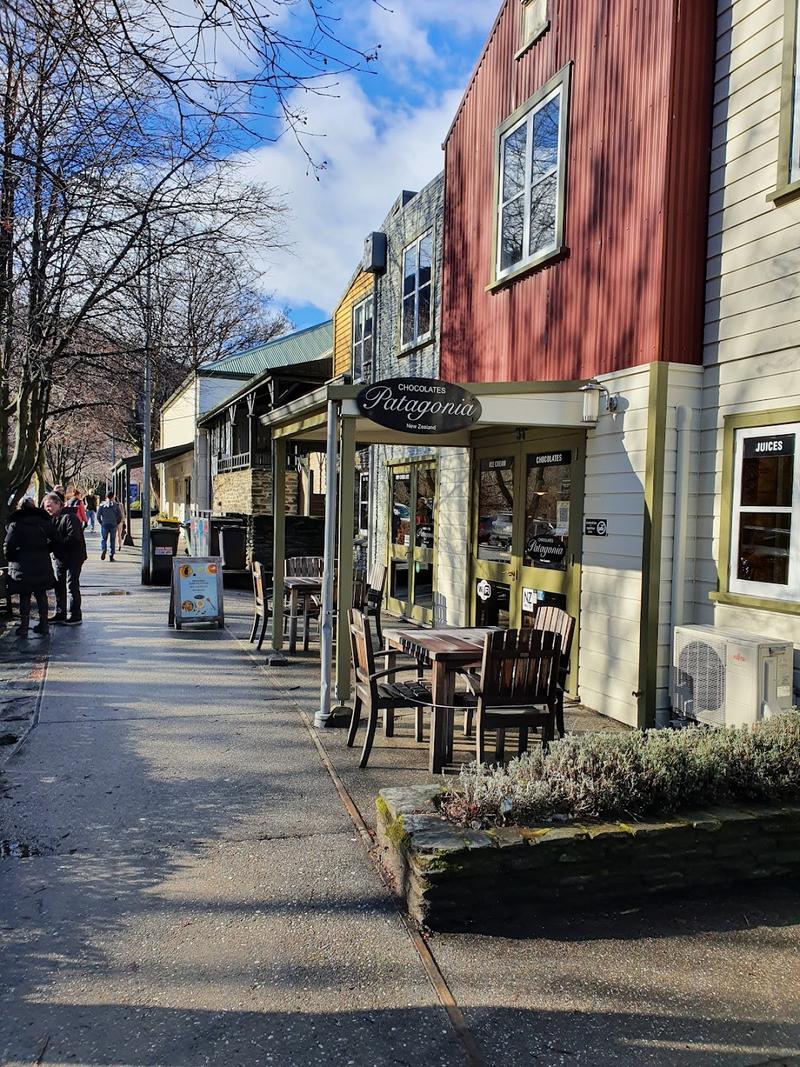

Day11: Queenstown > South Island > Christchurch > Wanaka
5 attraction(s) ·
683 km
4
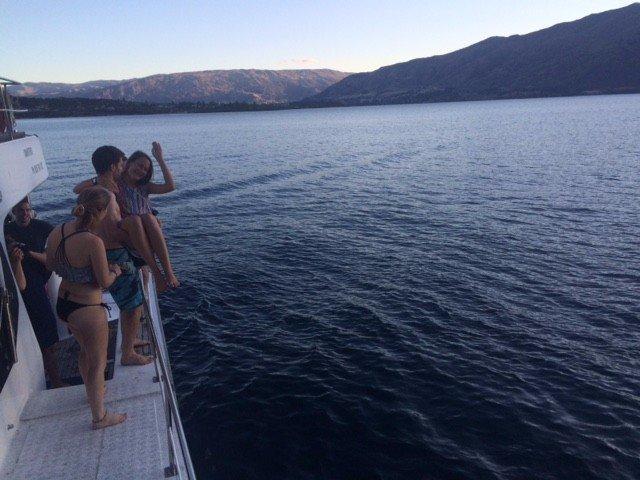
From the shore of Lake Wanaka, magnificent views of the town of Wanaka can be enjoyed, and there are a variety of activities to choose from on the lake and along its banks. Wanaka is a unique place full of vitality and a sporty atmosphere, where visitors can try cycling, water skiing, surfing, mountain climbing, running, off-road motorbiking, winter snowboarding or skiing, or simply stroll along the beautiful lake and experience the natural scenery here.
19
km
5
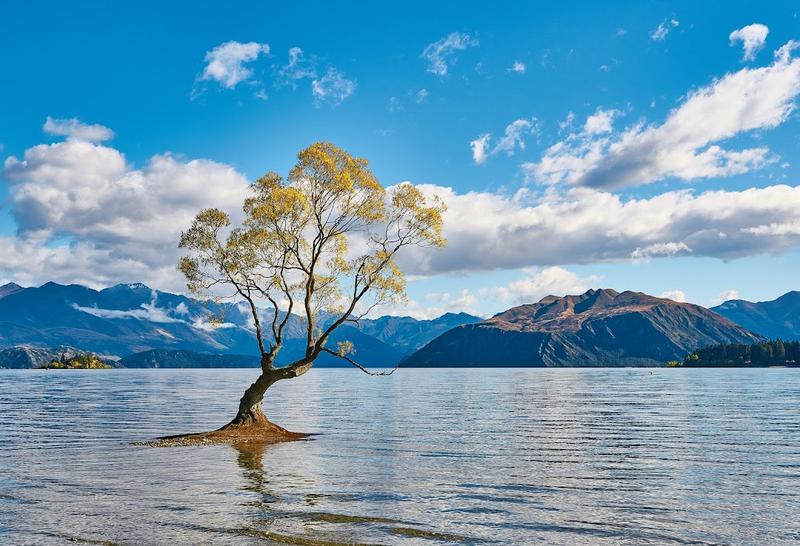
A solitary, crooked crack willow tree sits alone on Lake Wanaka, backdropped by the Southern Alps.
Day12: Christchurch
2 attraction(s) ·
9 km
1
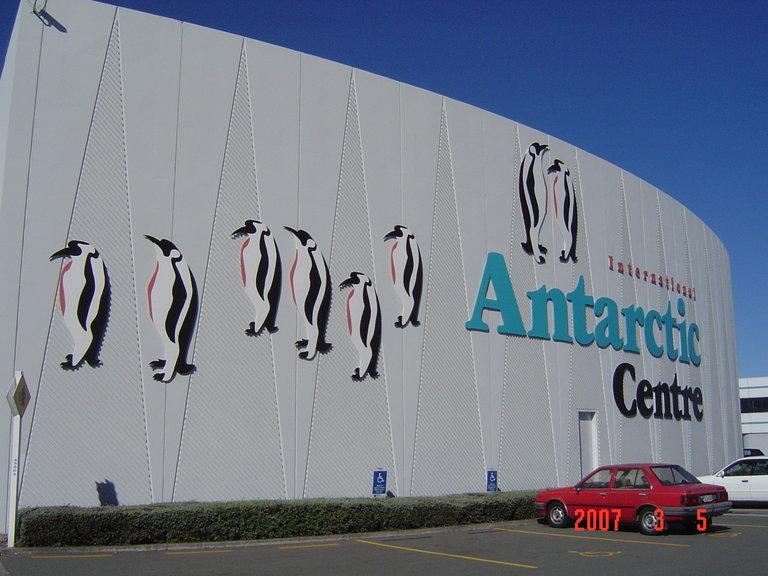
The South Pole Station, located near the airport, was built to manage research projects in Antarctica by New Zealand, the US, and Italy. It is also suitable as a science or knowledge center, ideal for children to visit. Here, you can learn about Antarctica's history and geology and view specimens collected underwater. You can also experience the "Antarctic Storm Room" and feel the cold of the ice continent. At the center, you can also ride an all-terrain vehicle and experience an outdoor adventure with the Hagglund Ride.
9
km
2
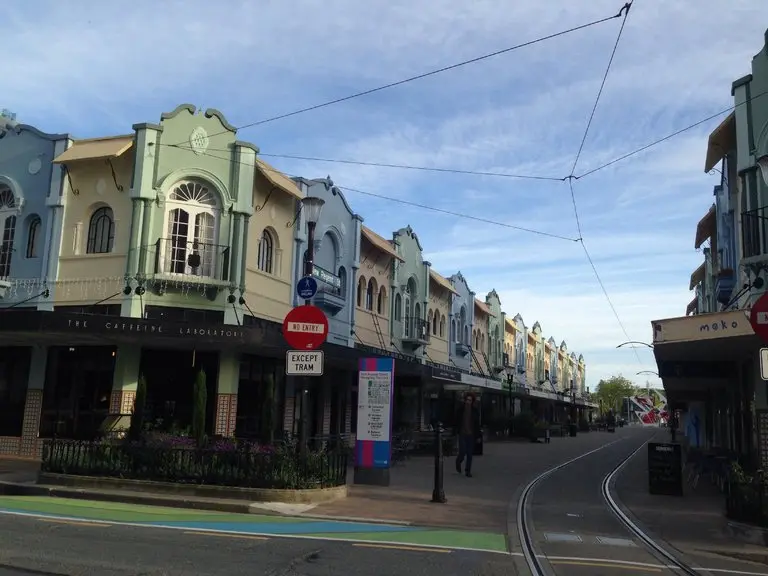
This attraction is an iconic place with multiple unique buildings. There are also many high-end shops and cafes on the short street, which is definitely worth a visit.