Barcelona to Tangier: Explore Southern Europe and the Strait in a Self-Driving Tour
16 cities |
36 attraction(s) |
total distance 9656
km
 TIPS
TIPS
Day1-2
Day3
Day4-5
Day6-7
Day8-9
Day10-12
Day13-14
Day15
Day1-2: Barcelona
6 attraction(s) ·
7 km
1
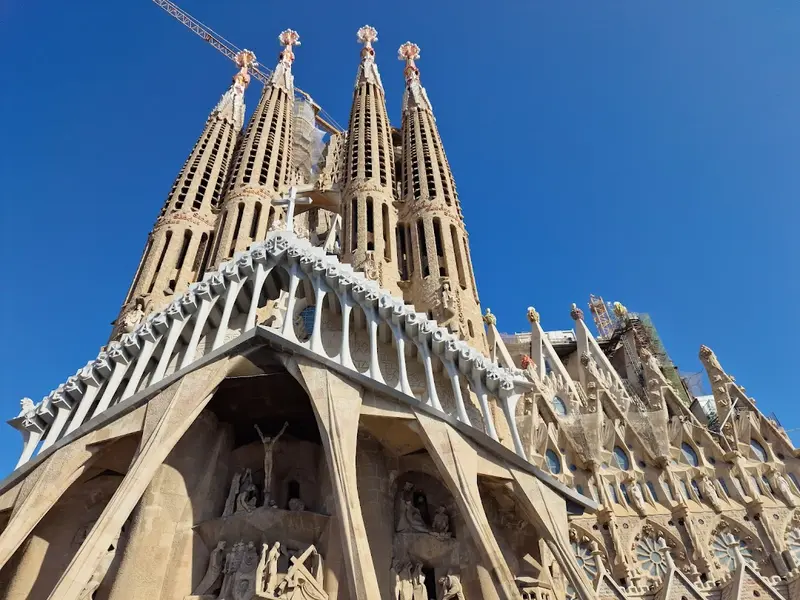
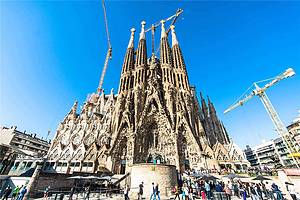
Antoni Gaudí's renowned unfinished church, started in the 1880s, with museum and city views.
2
km
2
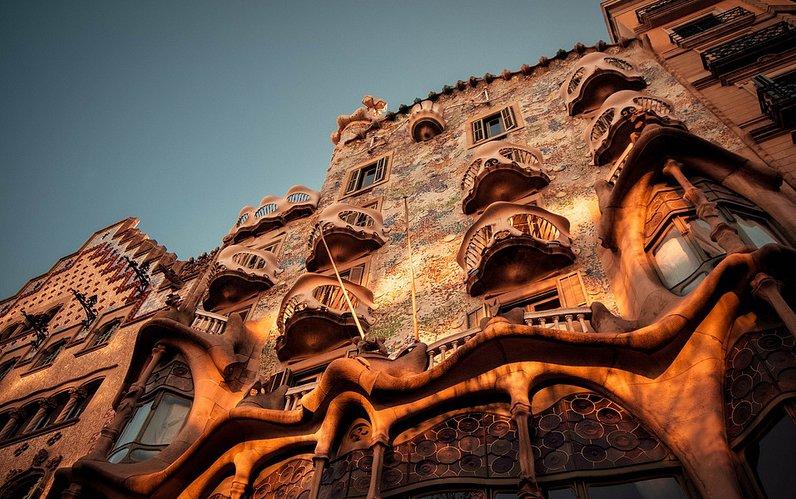
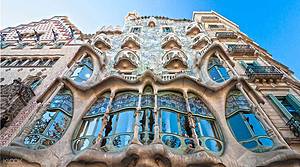
The interior design style of the Batllo House continues Gaudi's consistent style, without straight lines and sharp angles, and is full of smooth and soft wavy curves everywhere. Every small detail, from the door to the door handle to the seat, fits the human body's lines, making people feel infinitely emotional. To reach the second-floor hall, you need to pass through the exquisite wooden staircase designed by Gaudi for the Batllo House, with handrails decorated with metal ribbons, topped with an orange glass globe. The design of the hall is also full of details, with swirl-like patterns on the smooth ceiling, and you can see Gracia Street through the large windows.
The courtyard inside the building is inspired by the deep sea. Gaudi used 15,000 blue tiles of five different shades to create a pleasant light. The tiles with darker colors are closer to the top of the building, as if sinking slowly to the depths of the sea. Unlike other floors, the attic uses pure white tones and has a hanging arch structure, like a giant animal's chest and ribs, and also has the function of regulating the temperature of the entire building. Gaudi's design inspiration comes from the story of St. George slaying the dragon and rescuing the princess. The large floor-to-ceiling windows and outer pillars on the second floor are reminiscent of dragon teeth, the arrangement of the exterior roof is an imitation of the dragon's body and scales, and the cross tower on the roof imitates the holy sword inserted into the dragon's body. The spiral staircase leading to the roof is also inspired by nature, which Gaudi particularly loves. The surface of the chimney and ventilation duct on the top floor platform is made of broken porcelain collages, demonstrating Gaudi's unique artistic style.
2
km
3
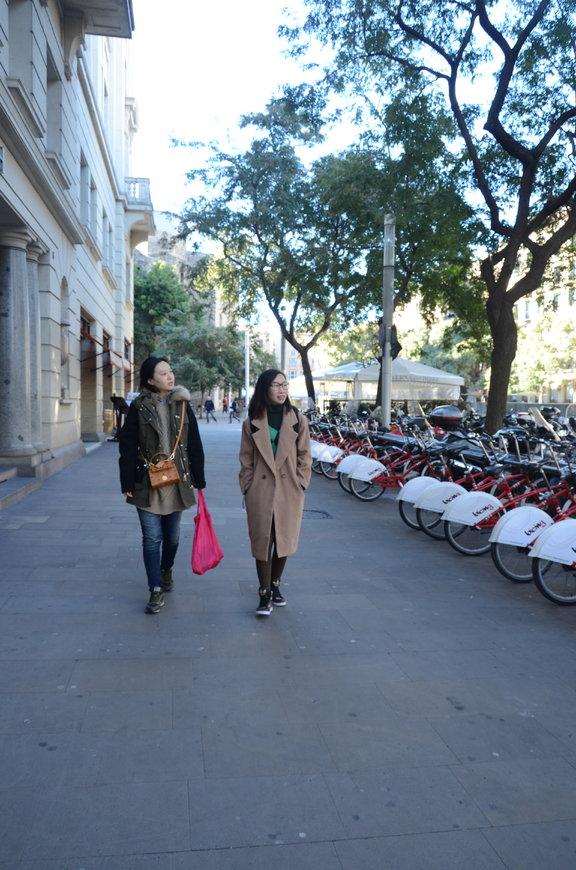
The Gothic Quarter is a neighborhood located in the old town of Barcelona, with many buildings dating back to the Middle Ages, and even some historical remains from ancient Rome. Ancient churches and royal palaces that are still in use and well-preserved are treasures of the old town. Among them, the Santa Maria Church and several newly restored palaces and mansions on Montcada Street are worth a visit. In addition, the remains of the Roman city walls are also preserved in the old town. The area is not large, so visitors can choose to walk and easily explore the entire neighborhood.
1
km
4
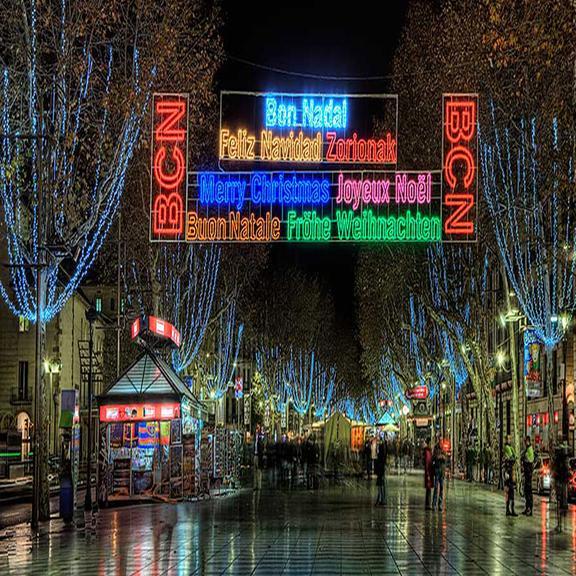
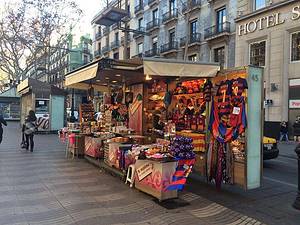
La Rambla is one of the liveliest streets in Spain and is also known as the "The Wanderer's Street" in the works of Yu Qiuyu. It attracts performance artists and tourists from all over the world. During the day, La Rambla is a paradise for street art and food, with the famous Boqueria Market located on the side of the street. After midnight, it becomes a playground for Barcelona's nightlife, especially in the La Raval area to the west, where there are various themed bars.
In addition, La Rambla connects Plaza de Catalunya and the Mediterranean Bay. Walking along La Rambla to the beach in the Mediterranean sunshine will give you a firsthand experience of Barcelona's colorful and joyful atmosphere! If you don't like crowded crowds, you can also choose to explore the historical Gothic Quarter to the east or La Raval area beloved by hippies (often with their own pets) on both sides of the street. But be sure to keep an eye on your wallet and valuables.
2
km

6
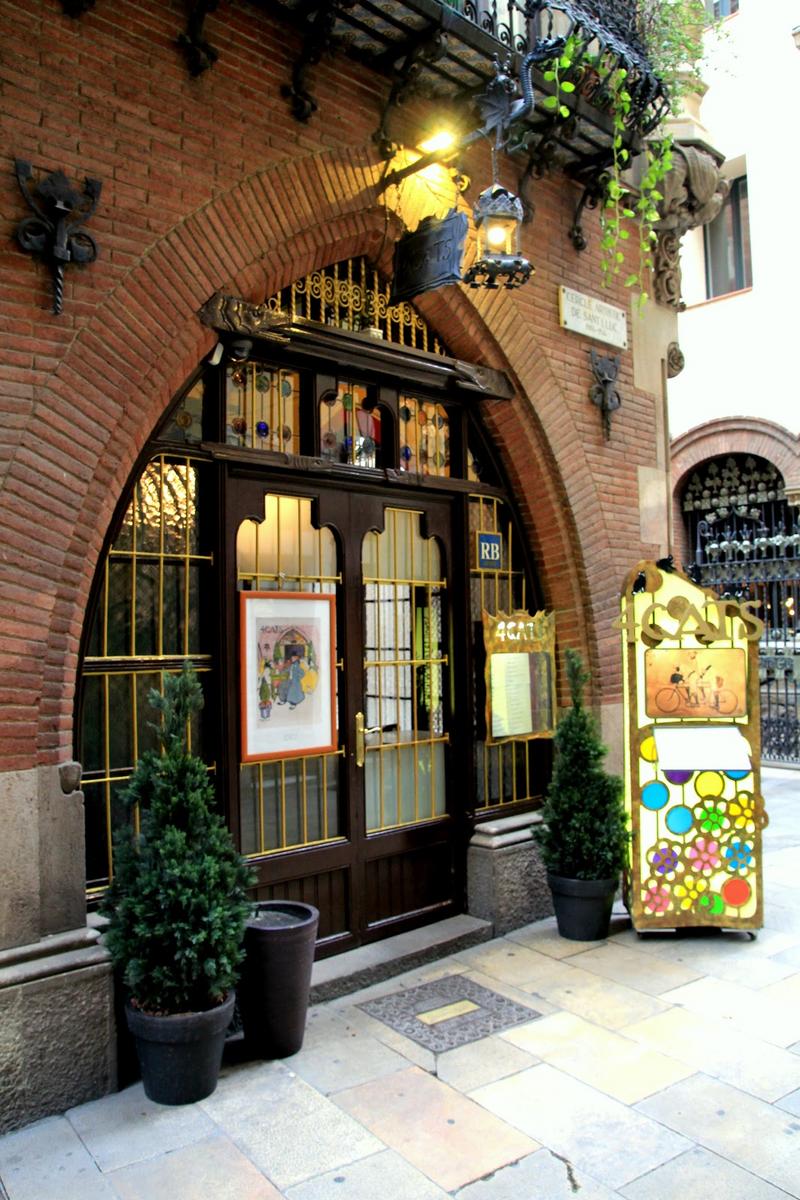
Art nouveau-style cafe opened in 1896, hub for the Modernisme movement, now serving Catalan cuisine.
Day3: Andorra La Vella
3 attraction(s) ·
1 km
1
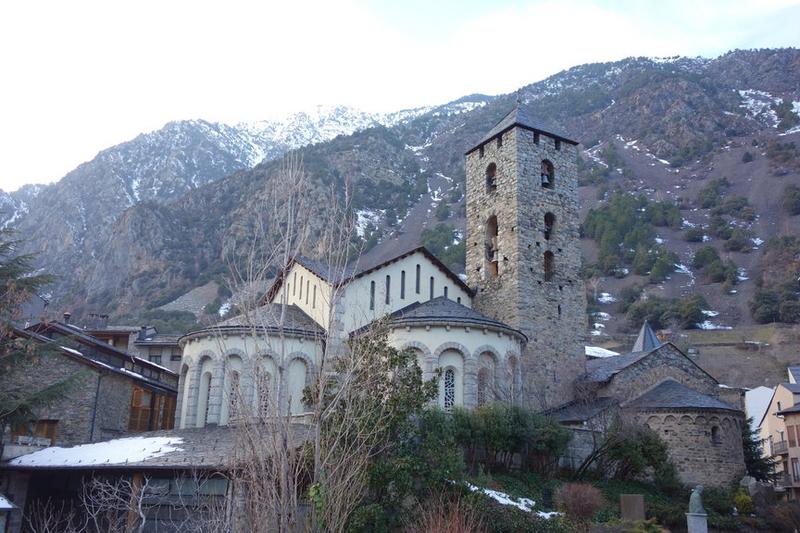
The Parish Church of Sant Esteve in Andorra la Vella, commonly known as the "Stone Church of Andorra," dates back to the 11th century. The church is built in a north-south direction, with a Romanesque-style apse on the east side, and its sparkling warm-colored stained-glass windows attract many visitors. Compared to the ancient apse, the other parts of the church are relatively modern.
1
km

3

Informal property featuring a cozy restaurant/bar & indoor pools, as well as a sauna & a gym.
Day4-5: Cadiz > Malaga > Monaco > beausoleil > Nice > Cannes > Gibraltar
10 attraction(s) ·
2852 km


3
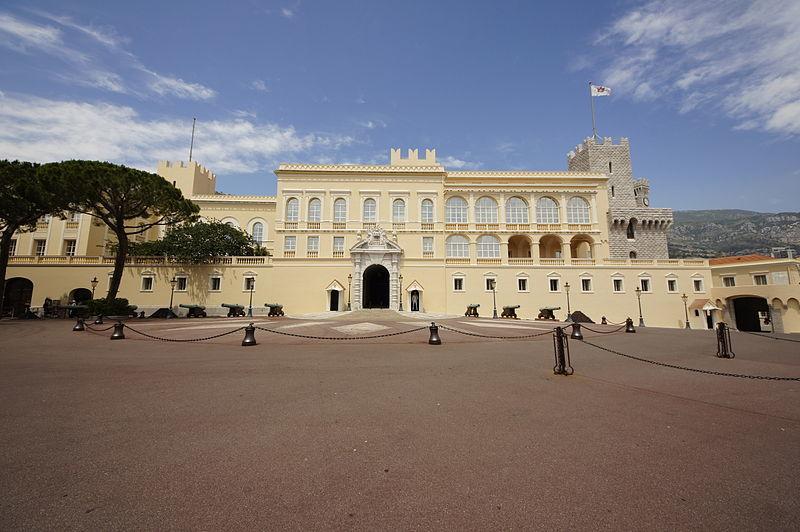
The Monaco Palace, located in Monaco, is a palace with rich historical and cultural connotations. Visitors can visit various areas including the Grand Apartments, the Napoleon Museum, and the Palace Historical Achievement Collection. The palace has a unique geographical location, exquisite murals and magnificent decorations, as well as the Sainte Marie bell tower built with white rock, and the Hall of Honor and the double-sided staircase, allowing visitors to feel the strong historical atmosphere. In addition, there are historic fortresses around the palace square, and from the square (northeast side), visitors can enjoy the beautiful view of the Monte Carlo port in Monaco. Since the establishment of the Principality, the guards of the Prince's Palace have been responsible for guarding the palace, and a changing of the guard ceremony is held every day at 11:55 am, allowing visitors to experience the strong palace atmosphere.
1
km
4

Luxury sailboats & yachts are showcased in this scenic, deep-water port in use since ancient times.
1
km



9
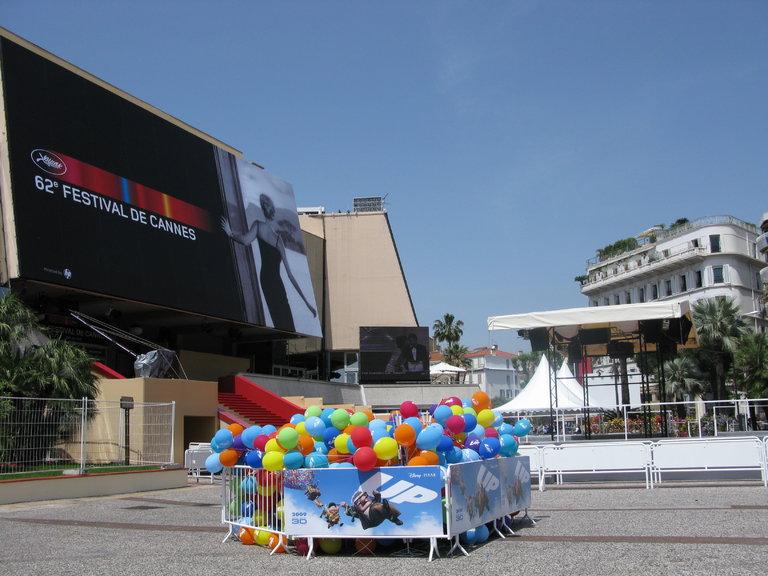
Since its completion in 1982, the Palais des Festivals et des Congrès has been one of the important venues for the Cannes Film Festival, used for conferences and screenings. It is also an important venue for the presentation of the Palme d'Or. The building was originally built in 1947 and located on the Promenade de la Croisette, originally used as a cinema. Today, the first part of the palace has been transformed into the JW Marriott Hotel. Currently, the Palais des Festivals et des Congrès has a total exhibition area of 44,000 square meters, including 15 auditoriums, making it an important venue during the Cannes Film Festival.
1372
km
10

Legendary, narrow waterway connecting the Atlantic Ocean & the Mediterranean Sea.
Day6-7: Bordeaux > margaux > pauillac
5 attraction(s) ·
47 km
1

Built in 2006 by the Place de la Bourse, this reflecting pool is one of the world's largest.
1
km
2
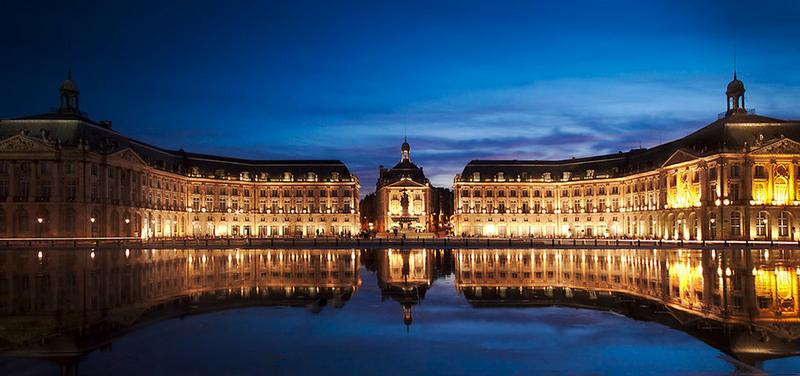
The Exchange Square was built between 1730 and 1775 and was named during the reign of Louis-Philippe I in 1848, a name that is still used today. In 1869, the Three Graces Fountain was placed in the square. Surrounding the square are several 18th-century buildings, such as the Palace of the Exchange, the Bordeaux Chamber of Commerce, and the National Customs Museum, each one exquisitely beautiful. During the summer, the man-made fountain on the east side of the square forms a shallow "water mirror" that becomes a playground for children to play in.
1
km
3

Towering Romanesque cathedral dating to the 11th century, hosting regular services & organ recitals.
25
km
4

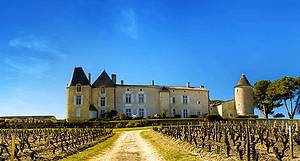
19th-century, neo-Palladian style villa, designed by Louis Combes, on a renowned wine estate.
22
km
5

Guided tours of renowned wine estate's manufacturing process & tasting; by appointment only.
Day8-9: Cadiz > Malaga > Madrid
8 attraction(s) ·
591 km
3
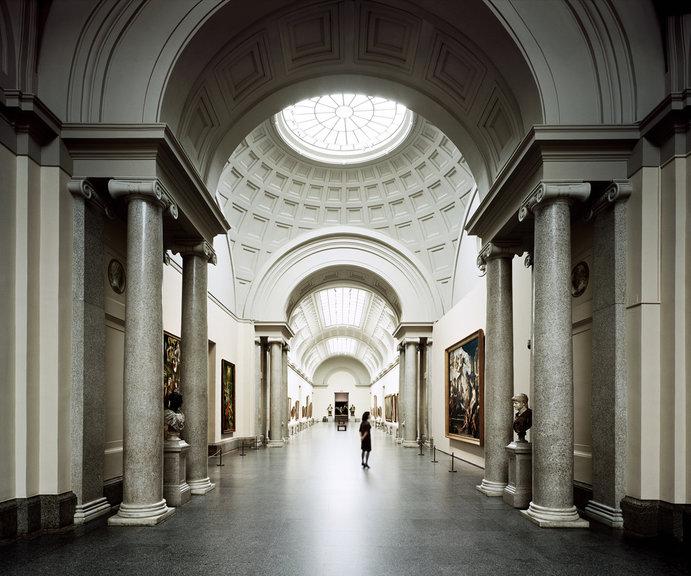
The Prado Museum is one of the world's most famous museums and one of Madrid's most popular attractions. It collects the best works of Spanish art from the 16th to the 19th century, including works by famous artists such as Velazquez, Goya, and Greco, as well as works by many foreign Renaissance painters such as Tintoretto of the Italian Venetian school, Rubens of the German Baroque school, and Hieronymus Bosch of the Dutch surrealism painters.
The museum's collection contains over 27,509 works, including 7,825 oil paintings, which is a lot for visitors to take in. Unlike large museums like the Louvre in Paris and the National Gallery in London, which collect works from different eras and different stylistic schools, the works in the Prado Museum were donated by the royal family, so the styles are relatively similar.
The Prado Museum was first built by King Carlos III in 1786 and opened to the public in 1819. Many famous painters such as Monet, Renoir, Lautrec, Picasso, Matisse, and Dali have visited the museum and been influenced by the styles of their paintings.
2
km
4
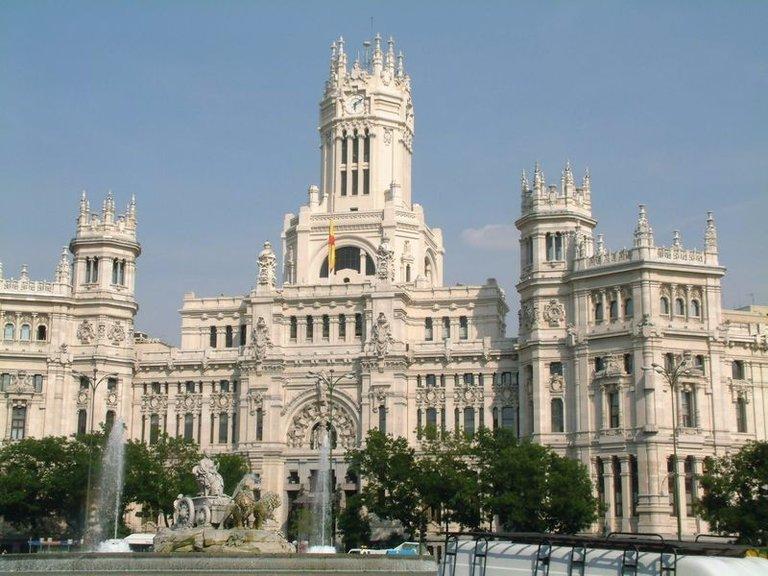
During the Moorish rule, Madrid was not the capital of Spain. To defend the city, Mohammed I built a tower at the current location of the palace. Over time, the tower was renovated and eventually declared a castle by the Castilian king in the 14th century. In 1734, the castle was destroyed by a fire, and Felipe V ordered for it to be rebuilt in 1738. After 17 years, it was finally completed. The palace's architecture was inspired by the design of the Louvre in Paris, featuring a square courtyard and galleries. Carlos III, known as the "Greatest Mayor of Madrid," was the first king to use the castle as a royal residence.
The Madrid Palace is the largest palace in Western Europe, containing 3,418 rooms, each with its own unique features. It houses an extensive collection of exquisite paintings, antiques, weapons, ceramics, clocks, and silverware. The collection includes five violins made by one of the greatest stringed instrument makers in history, Antonio Stradivari, which are displayed in the music room of the Royal Library. In addition, the palace houses works by famous Spanish artists, such as Velázquez and Goya, as well as important paintings from the Italian Baroque painter, Caravaggio.
Although the Madrid Palace is still the royal residence, the king only occasionally uses it for official business. If both flags on the roof of the palace are raised, it means that the king is present.
2
km
5
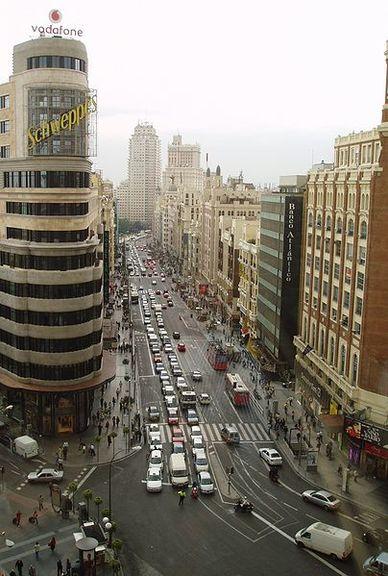
Gran Via is a bustling high-end shopping street in the center of Madrid, with its starting point at Alcala Street and ending at the Plaza de Espana. It is one of the city's most important shopping areas, with many hotels, cinemas, and grand buildings. Although most of the theaters have been replaced by shopping malls, it remains a must-visit tourist destination. In the mid-19th century, Madrid's city planners decided to build a new avenue leading to the Plaza de Espana and carried out large-scale demolitions. However, because construction plans did not begin for decades, the road was considered the "Great Way" (Gran Via). Finally, in 1904, the plan was approved, and construction began two years later. The last section was completed in 1929. Today, Gran Via has become synonymous with fashion shopping, architecture, and culture.
2
km
6

Former home studio of the 20th-century painter Joaquín Sorolla, housing his works of Spanish scenes.
3
km
7

Circa-1916 covered market offering local food, delicacies & events in an elegant ambiance.
1
km
8
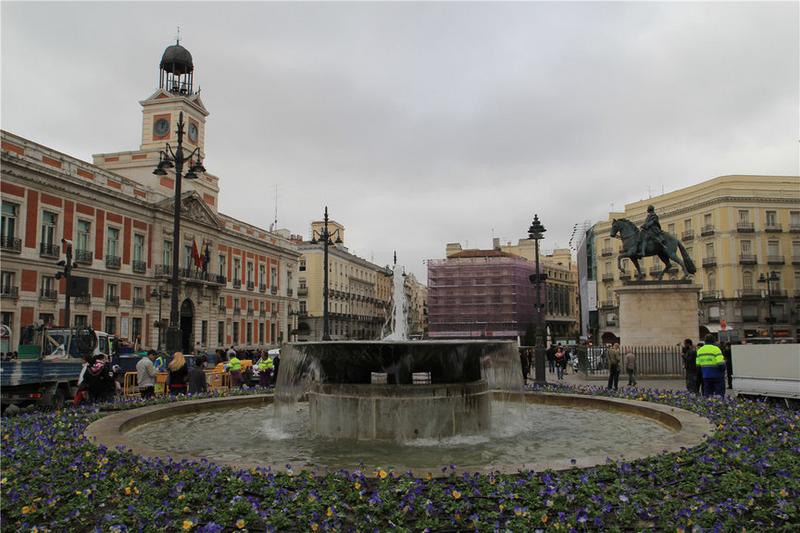
The Puerta del Sol Square originated from the 15th-century Madrid city gate and was named for facing the direction of the rising sun. The earliest building on the square was the old post office building in the 18th century, which is now the government building of the Madrid Autonomous Community. During Franco's period, the government building was the national security headquarters, and the lower half-elliptical windows of the building once held prisoners who opposed Franco's rule. In front of the building, near the driving route, is the "Kilometer Zero" sign and the center of the Spanish national road network.
Two important sights on the square are the statue of Carlos III and the "Bear and Strawberry Tree." Carlos III was the king of Spain during the Bourbon dynasty and was born in Madrid. He devoted himself to building public facilities in Madrid during his reign and is still known as the "greatest mayor of Madrid." The "Bear and Strawberry Tree" is the emblem of Madrid, which first appeared in the 13th century. The bear was to commemorate King Alfonso XI of Castile, who hunted a bear on the surrounding mountain of Madrid. The strawberry tree originates from the wild strawberry tree growing around the square.
Day10-12: Cadiz > Malaga > Lisbon
6 attraction(s) ·
658 km
3
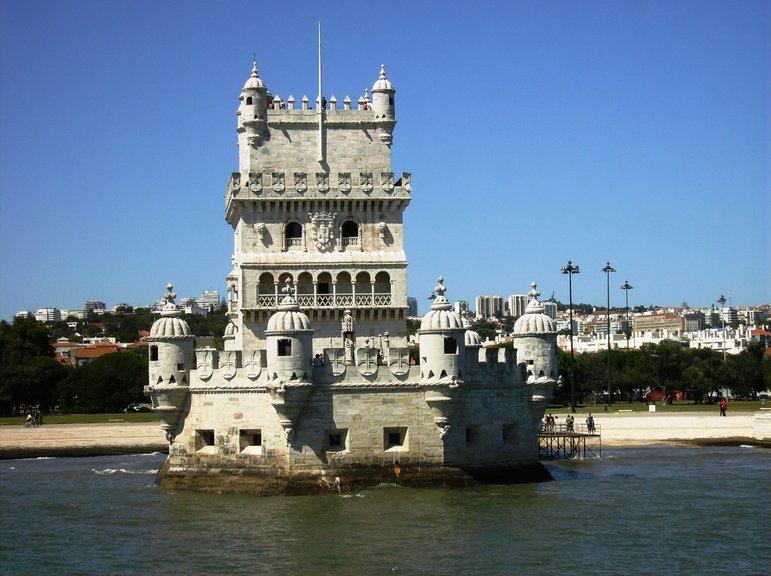
The Belém Tower is a historic five-story defense structure built between 1514 and 1520, located in the Belém district of Lisbon, Portugal. Initially used to defend the port and monastery, it later served as a customs, telegraph tower, and lighthouse and was also the starting point for many Portuguese expeditions. The tower houses eerie dungeons and 16th-century cannons and has even been used to detain important political prisoners. The tower is divided into two parts: the tower and the bulwark, which has many gun positions and storage rooms. There are 16 gun positions along the wall for defense. The tower also has four arched rooms, namely the officer's room, the king's room, the audience room, and a small chapel. The entrance is on the south-facing wall, and the facade features excellent stone carvings. The tower's overall design combines battle and life, which helps protect the cannons, drain accumulated water, and disperse gunpowder. The tower houses many historical relics, including 16th-century cannons and Manueline-style symbols. In 1983, the Belém Tower was formally recognized as a UNESCO World Heritage Site, and in 2007, it was rated as one of the Seven Wonders of Portugal.
2
km
4
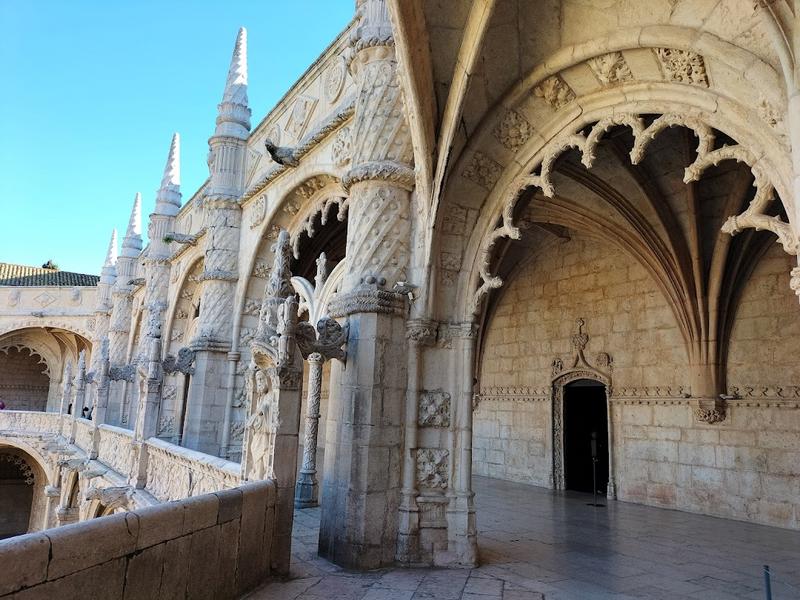
Late Gothic Manueline-style monastery housing archaeology & maritime museums in its wings.
8
km
5
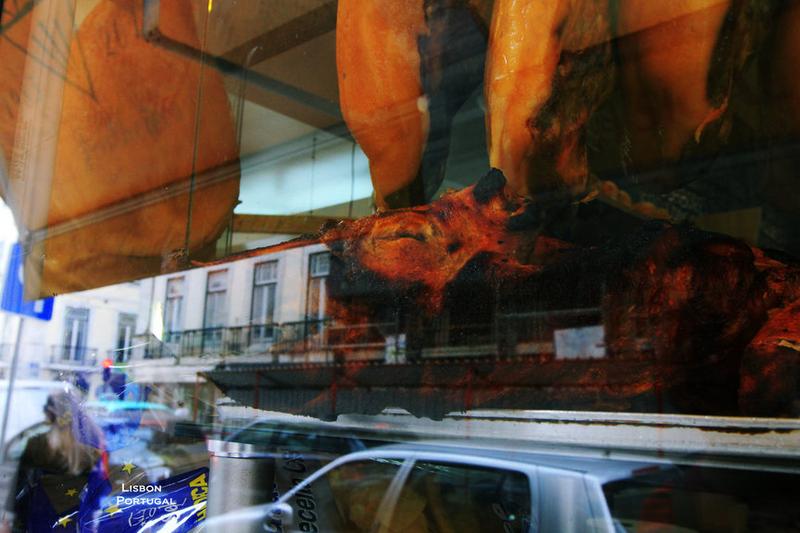
Alfama is located on the hillside between the São Jorge Castle and the Tagus River in Lisbon, and is one of the oldest neighborhoods in the city. The area gets its name from the Arabic word Al-hamma, which means "fountain" or "bathroom". Alfama is an important gathering place for historical landmarks and Fado bars and restaurants. During the Moorish rule, Alfama was the center of the entire city of Lisbon. As the city expanded westward to the Baixa area, Alfama gradually became a residence for fishermen and the poor.
7
km
6

Day13-14: Gibraltar
1 attraction(s) ·
0 km
1
Legendary, narrow waterway connecting the Atlantic Ocean & the Mediterranean Sea.
Day15: Cadiz > Malaga > Chefchaouen > La Coruna
4 attraction(s) ·
1280 km
4

On the Camino de Santiago pilgrimage route, Cape Finisterre is an important 86-kilometer stretch located on the Atlantic coast and serves as both the starting and ending point of the Finisterre Route. Here stands the iconic 0-kilometer marker, representing the beginning of the Camino de Santiago pilgrimage route. Traditionally, people burn clothing and other items upon reaching this spot as a sign of respect for the pilgrimage. In addition to the Camino de Santiago, this small city also boasts a stunning coastline, offering a picturesque backdrop for a romantic vacation.