3-Day Copenhagen City Highlights Tour
1 cities |
16 attraction(s) |
total distance 18
km
 TIPS
TIPS
Day1
Day2
Day3
Day1: Copenhagen
5 attraction(s) ·
3 km
1
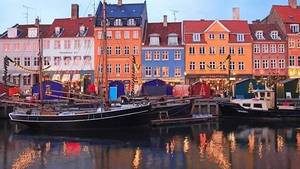
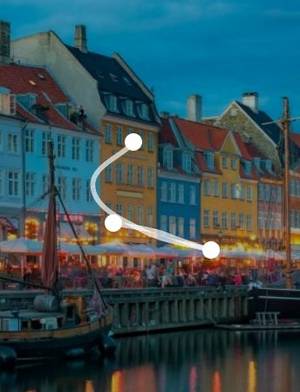
Copenhagen's Nyhavn is a historic landmark in the city center, built as an artificial canal between 1669 and 1673. It was designed to bring prosperous maritime traffic into the heart of the city and boost Copenhagen's economic development. The well-preserved houses along the canal, with one side transformed into a lively pedestrian street, create a picturesque setting. Nyhavn has become one of Copenhagen's iconic tourist attractions. In the summer, visitors can enjoy the charming views of boats sailing on the shimmering water and the colorful facades of the buildings. The area is bustling with restaurants and outdoor dining options, attracting a large number of tourists. Even if some dishes may not suit everyone's tastes, one can still embrace the beauty of Nyhavn under the radiant sunshine. The famous fairy tale author Hans Christian Andersen lived in houses No.18, No.20, and No.67 along Nyhavn, showcasing his fondness for these picturesque buildings.
1
km
2
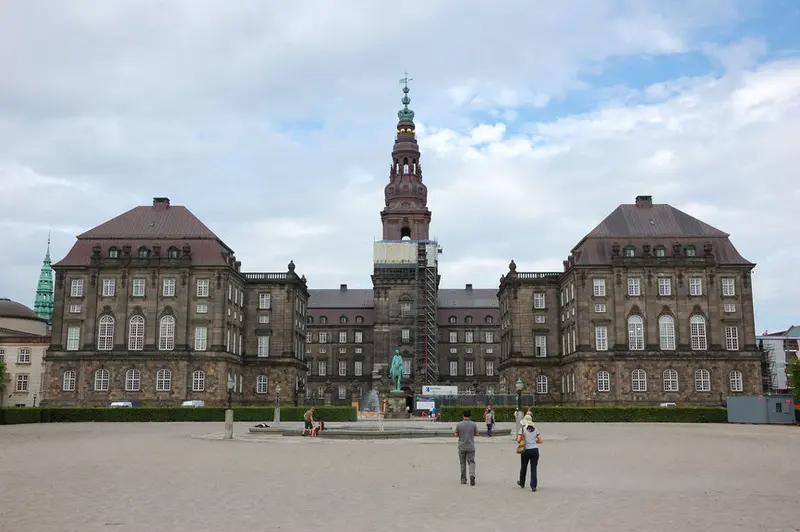
Tranlation: The palace, built by Archbishop Absalon in 1167, was once a royal palace but was destroyed by a large fire in the late 18th century. After multiple reconstructions and renovations, the current palace was completed in 1928 and designed in the Baroque style. Today, parts of the palace serve as reception rooms for the Danish royal family and also function as a museum open to visitors. The underground area displays remains of the early 12th-century city and the originally built sections of the city walls.
1
km

4
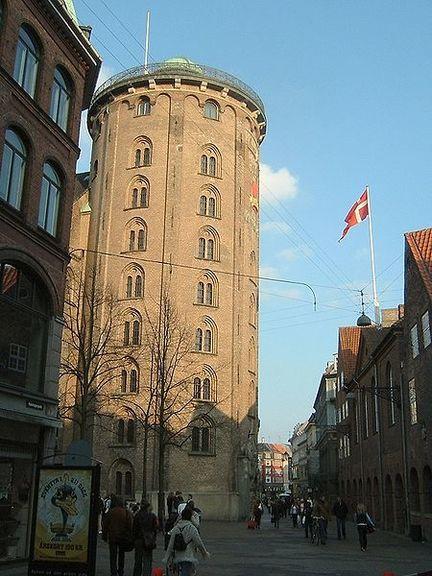
Christian IV built the Round Tower (Rundetårn) between 1637 and 1642. The Round Tower is the first part of the old Trinitatis Church complex in Copenhagen and an important gathering place for scholars in the 17th century, which included an observatory, a student church, and a university library.
The Round Tower stands 34.8 meters (114 feet) tall, and the top of the tower provides a view of the ancient streets of Copenhagen's Latin Quarter. Visitors can reach the top platform via a 209-meter (686-foot) long spiral corridor that winds around the hollow Round Tower seven and a half times.
The Round Tower houses the oldest working observatory in Europe, equipped with a precision telescope at the top, where visitors can observe the night sky during several months in winter or at certain times in summer. The Round Tower was once the university's library, but it closed in 1861 due to an increasing collection. The library has since reopened and frequently hosts various cultural activities and temporary exhibitions. Additionally, there is a Bell Ringing Loft inside the tower, which displays artifacts and archaeological findings related to the history of the Round Tower, topped with a bright ceiling decorated with the zodiac.
Christian IV designed the top pattern on the front of the tower, which features his monogram and the letters RFP, expressing his motto: Regna Firmat Pietas—Piety Strengthens the Kingdom. This design was presented in 1642, symbolizing Christian IV's willingness to be guided by God's wisdom and justice.
1
km
5
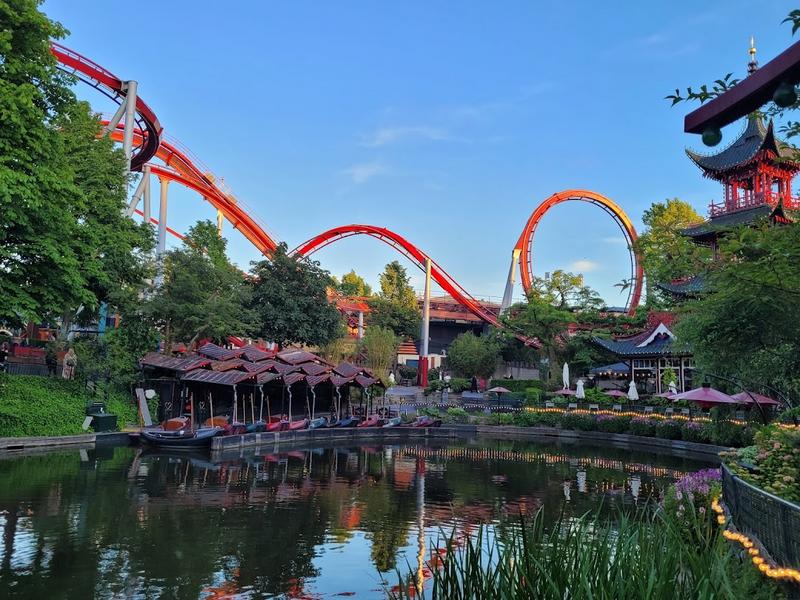
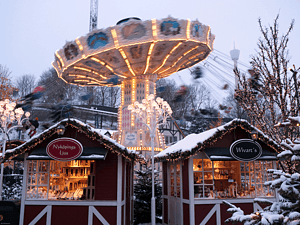
19th-century amusement park with antique roller coaster & live entertainment program.
Day2: Copenhagen
4 attraction(s) ·
4 km
1
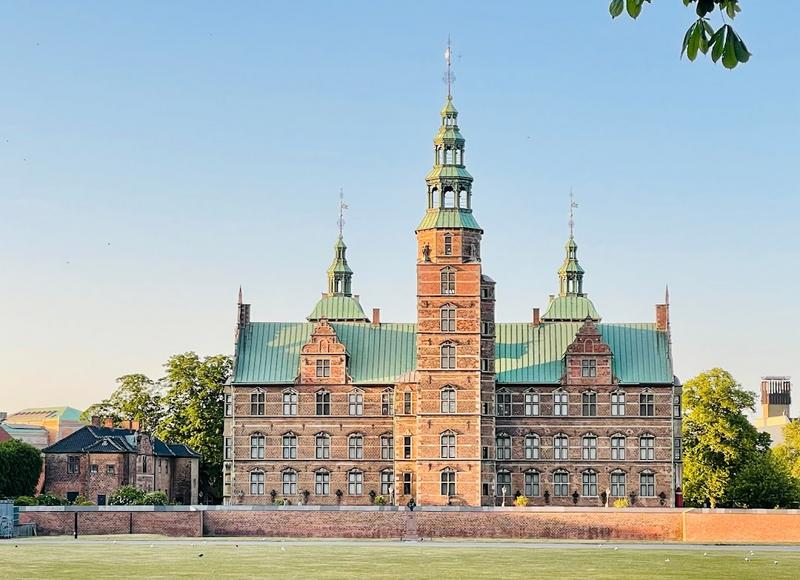
Dutch Renaissance palace & gardens, including a museum housing the crown jewels, with guided tours.
2
km
2
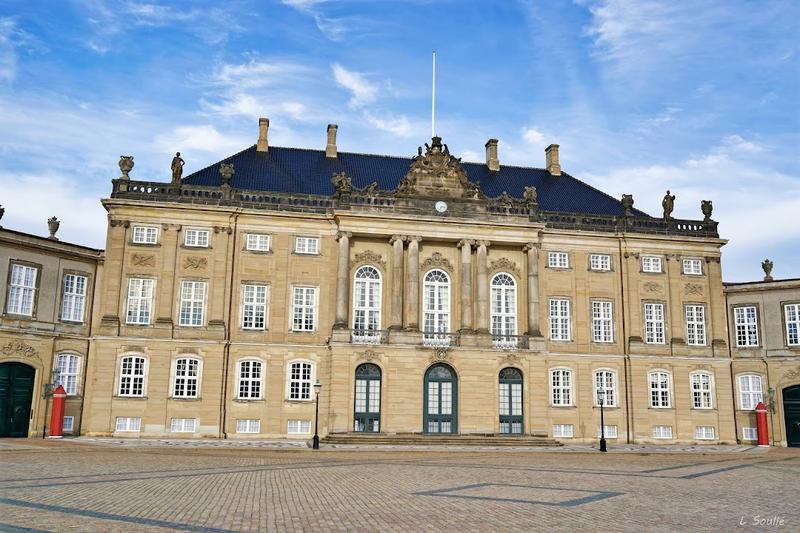
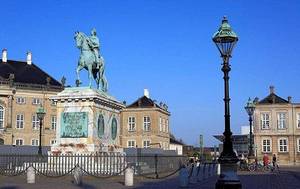
18th-century rococo complex of palaces, with a museum & marches/displays by royal guards.
1
km
3
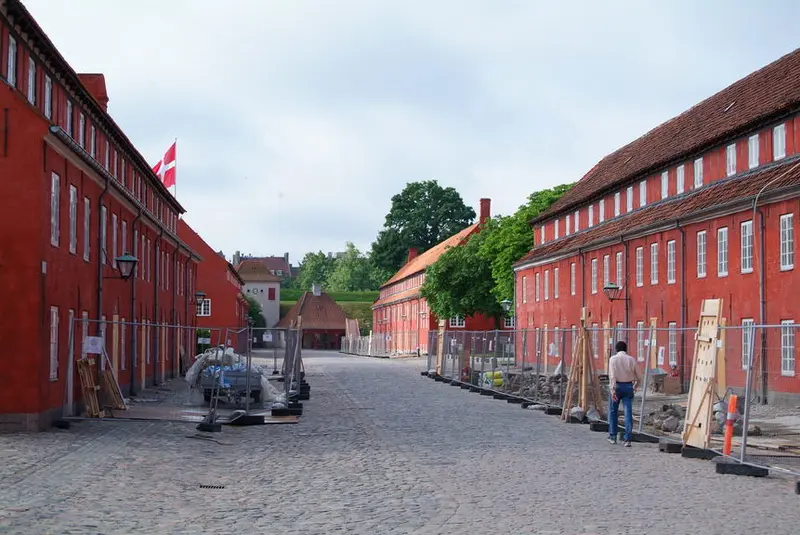
The pentagonal building used to be a defense fortification in Northern Europe and is now a modern military base in Denmark. It is a prominent landmark that can be easily recognized on maps. Located next to the Little Mermaid statue, it is a place that visitors must pass to reach the Little Mermaid. Due to its military nature, tourists are only allowed to tour and admire the architecture in public areas and take photos, while following the prescribed signs and instructions.
2
km
4
Copenhagen's Nyhavn is a historic landmark in the city center, built as an artificial canal between 1669 and 1673. It was designed to bring prosperous maritime traffic into the heart of the city and boost Copenhagen's economic development. The well-preserved houses along the canal, with one side transformed into a lively pedestrian street, create a picturesque setting. Nyhavn has become one of Copenhagen's iconic tourist attractions. In the summer, visitors can enjoy the charming views of boats sailing on the shimmering water and the colorful facades of the buildings. The area is bustling with restaurants and outdoor dining options, attracting a large number of tourists. Even if some dishes may not suit everyone's tastes, one can still embrace the beauty of Nyhavn under the radiant sunshine. The famous fairy tale author Hans Christian Andersen lived in houses No.18, No.20, and No.67 along Nyhavn, showcasing his fondness for these picturesque buildings.
Day3: Copenhagen
8 attraction(s) ·
9 km
1

Urban, covered marketplace featuring stalls with local produce, gourmet foods, beverages & desserts.
2
km
2
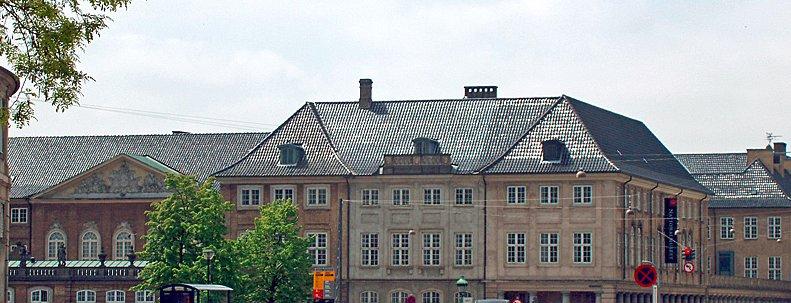
The National Museum of Denmark is located in a Rococo-style palace built in 1744. It underwent partial expansion in the 1930s and in the 1950s, some institutions were relocated to the town of Brede. In addition, the museum is responsible for managing castles, churches, temples, rural buildings, and Nordic pirate sites throughout the country.
As Denmark's most important and largest cultural history museum, the National Museum of Denmark hosts a variety of exciting exhibitions every year. The museum displays a large collection of precious historical artifacts covering the entire history period from prehistoric times, the ice age, the Viking Age, and the Middle Ages to the Renaissance. In addition, the museum also has a children's museum that showcases scenes from the study of great-grandmothers in the 20th century, the opportunity to ride a Viking pirate ship, and a display of a real residence from the Victorian era in 1890.
2
km
3
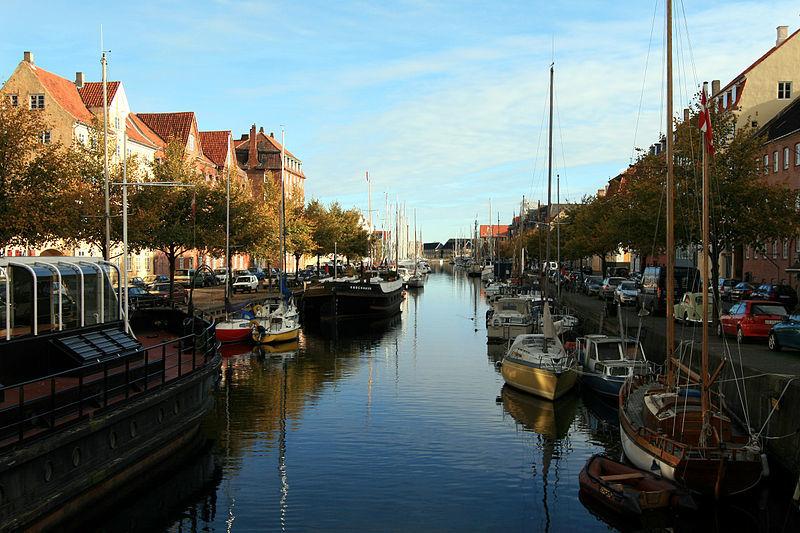
Christianshavn is an artificial island in Copenhagen, Denmark, built by Christian IV in the early 17th century. Inspired by Dutch city design, the city planners incorporated several canals, which was uncommon in Danish cities and gave it a unique character.
1
km
4
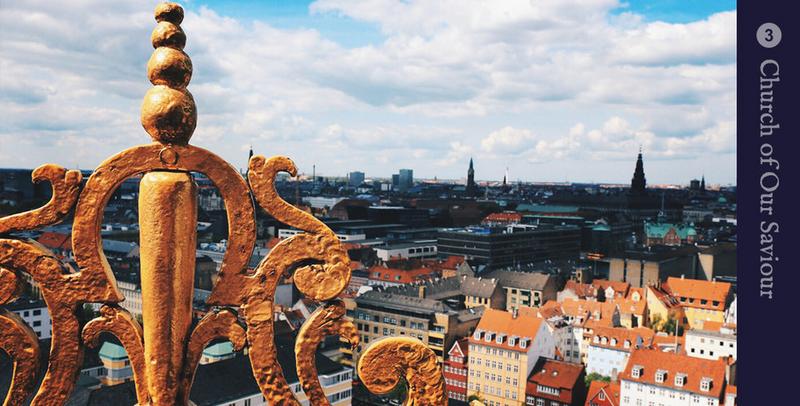
The Church of Our Savior in Copenhagen is an elegant Baroque building known for its spiral spire. Stairs are set around the exterior spire, allowing visitors to climb to the top and enjoy the beautiful view of the city center. Additionally, the church is famous for its large carillon, which plays melodious music every hour from 8am to midnight.
1
km

6

Sprawling venue doling out global street food from various stalls, plus live entertainment & games.
2
km
7

Relaxed outdoor space featuring a range of global street food stands, plus beer, wine & cocktails.
2
km
8

Harbor swimming facility with lap pools, children's pools & an area for springboard diving.