Seoul & Busan Winter Adventure: Ski
6 cities |
34 attraction(s) |
total distance 3847
km
 TIPS
TIPS
Day1
Day2
Day3
Day4
Day5
Day6
Day1: Incheon > Seoul > Busan
9 attraction(s) ·
415 km
1
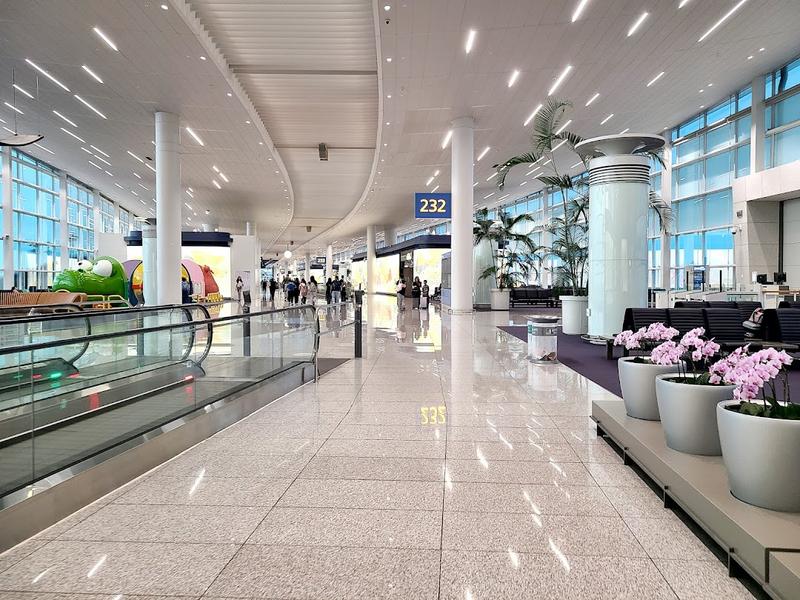
Seoul-area airport with diverse amenities such as a spa, a driving range & an ice-skating rink.
49
km
2
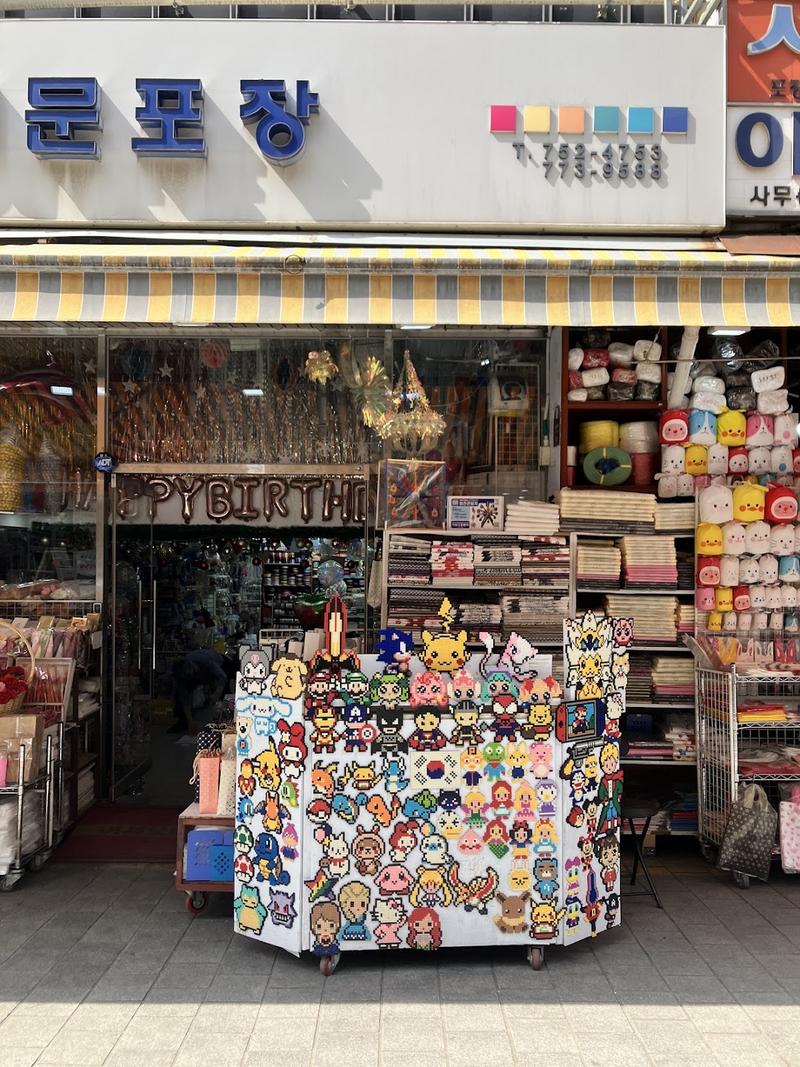
Opened in 1964, this large area of stalls offers clothes, household goods & local items.
1
km
3

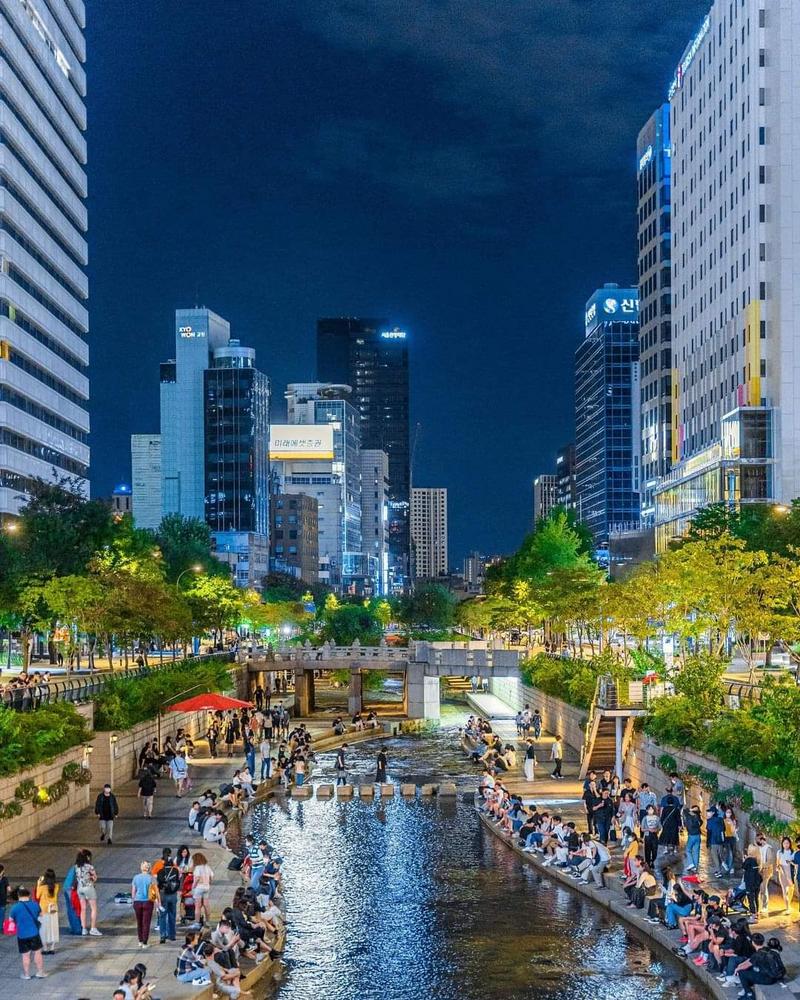
Opened in 2017 on a highway overpass dating from the 1970s, this park is around 1km in length.
2
km
4
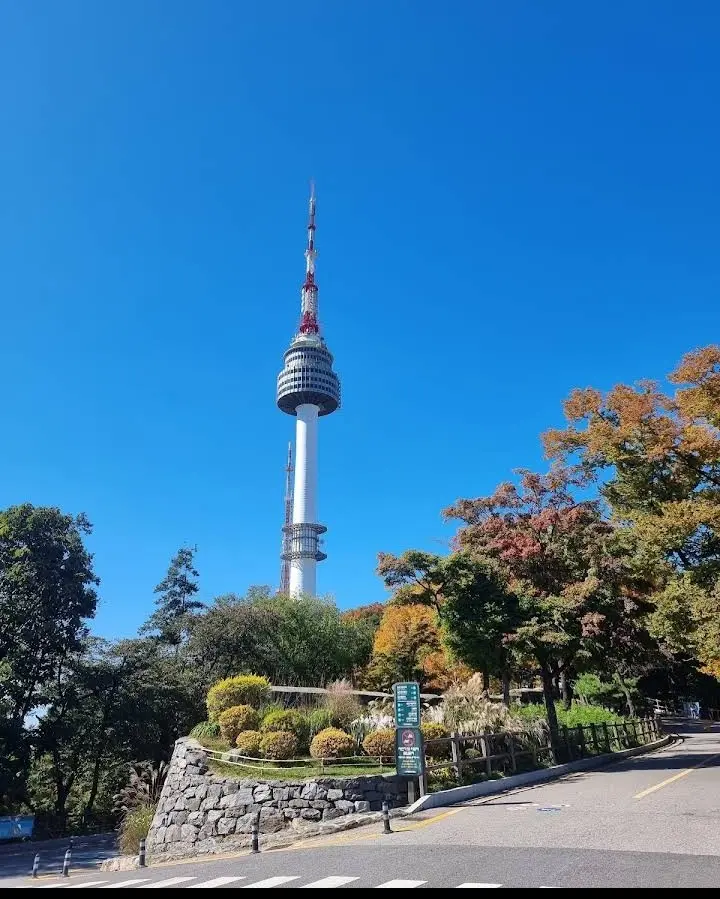
Opened in 1980, this iconic tower offers panoramic views of the city & a revolving restaurant.
6
km
5
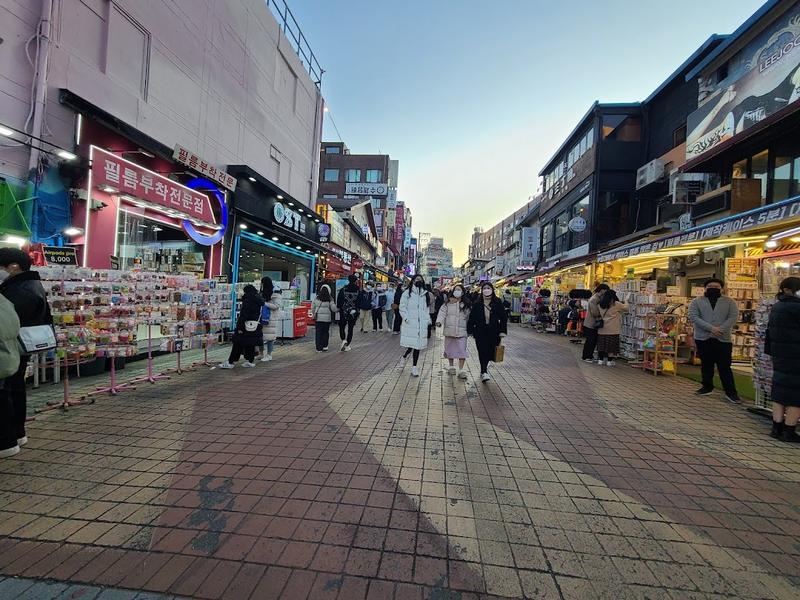
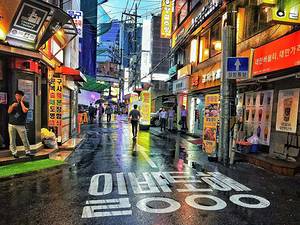
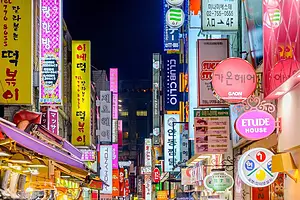
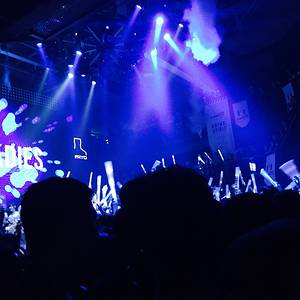
Cool hangout known for its neon-lit bars & clubs, murals, fashion stores & street performers.
7
km

7
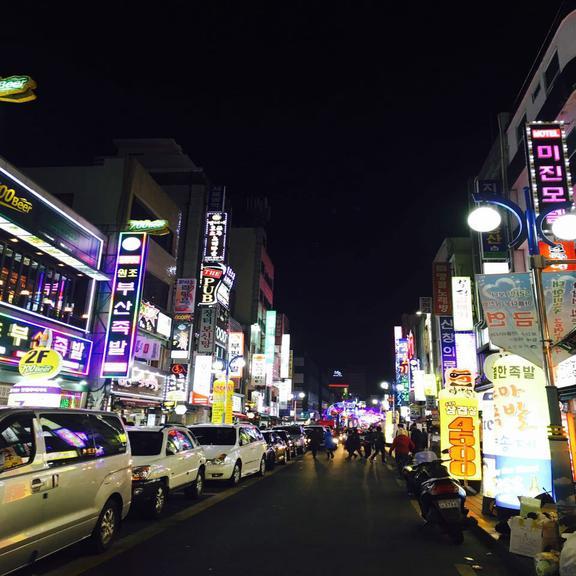
서면
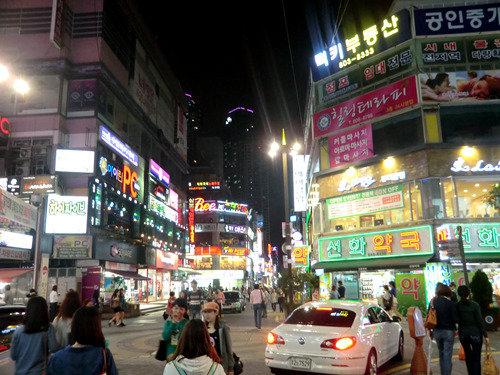
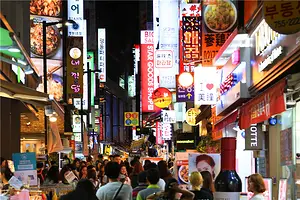
At night, when you come to the west side of Busan, the neon lights illuminate the entire neighborhood, and the bustling scene continues. The sound of music and voices can be heard clearly, giving you a sense of the vitality and passionate atmosphere here. This is the busiest place in Busan, where people's actions and the surrounding lighting are truly mesmerizing.
8
km

Day2: Gangwon-Do > gapyeong gun > Gangwon-Do > Seoul
5 attraction(s) ·
129 km
1

Picturesque eco-tourist island featuring galleries, a museum, stages & festivals in lush surrounds.
4
km


5
Many high-end international stores & restaurants draw crowds to this bustling retail district.
Day3: Gangwon-Do > Seoul
3 attraction(s) ·
87 km


3
Cool hangout known for its neon-lit bars & clubs, murals, fashion stores & street performers.
Day4: Seoul > Busan > Seoul > Busan
11 attraction(s) ·
1021 km
1
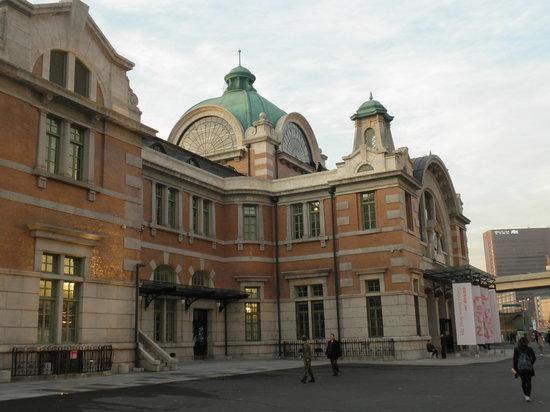
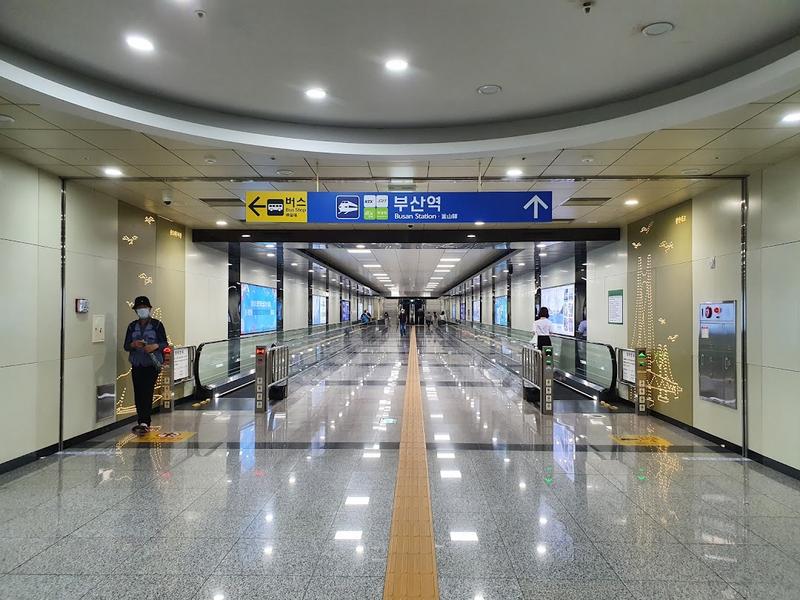
Seoul Station is located in the gateway of Seoul, the capital of South Korea, and more than 100,000 passengers pass through here every day. The station offers multiple lines, including the Gyeongbu Line KTX, the Sinseol-dong Train, the Uncheon Train, and the Nooriro Train, making it convenient for passengers to travel to various destinations. In addition, passengers can also take the Airport Railroad of the Korea Railroad Corporation directly to Incheon Airport. The station was completed in December 2003 and includes commercial facilities such as the Hana Department Store. There are also large discount stores such as Lotte Mart nearby, providing a perfect shopping and tourism experience for passengers. It is a complex station that combines tourism and shopping.
329
km
3
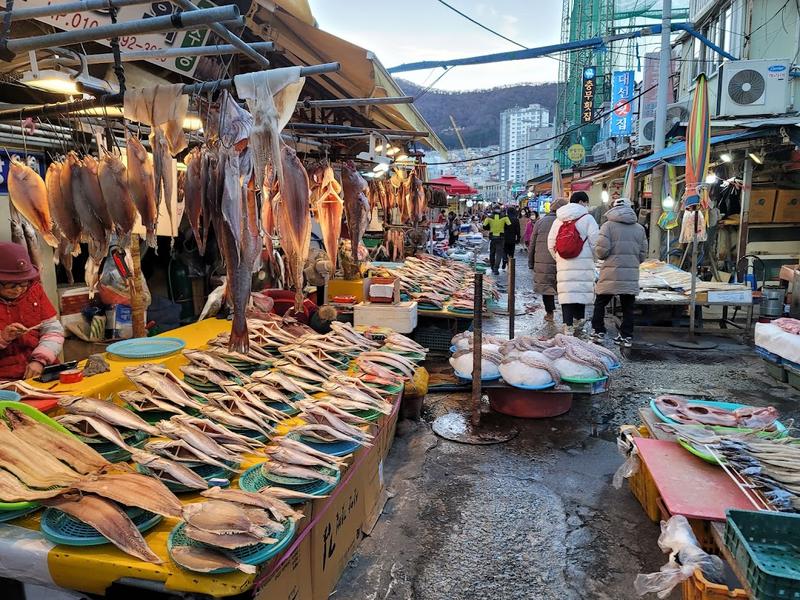
World famous market for fresh fish & seafood to take away or eat at the informal stalls.
1
km
4
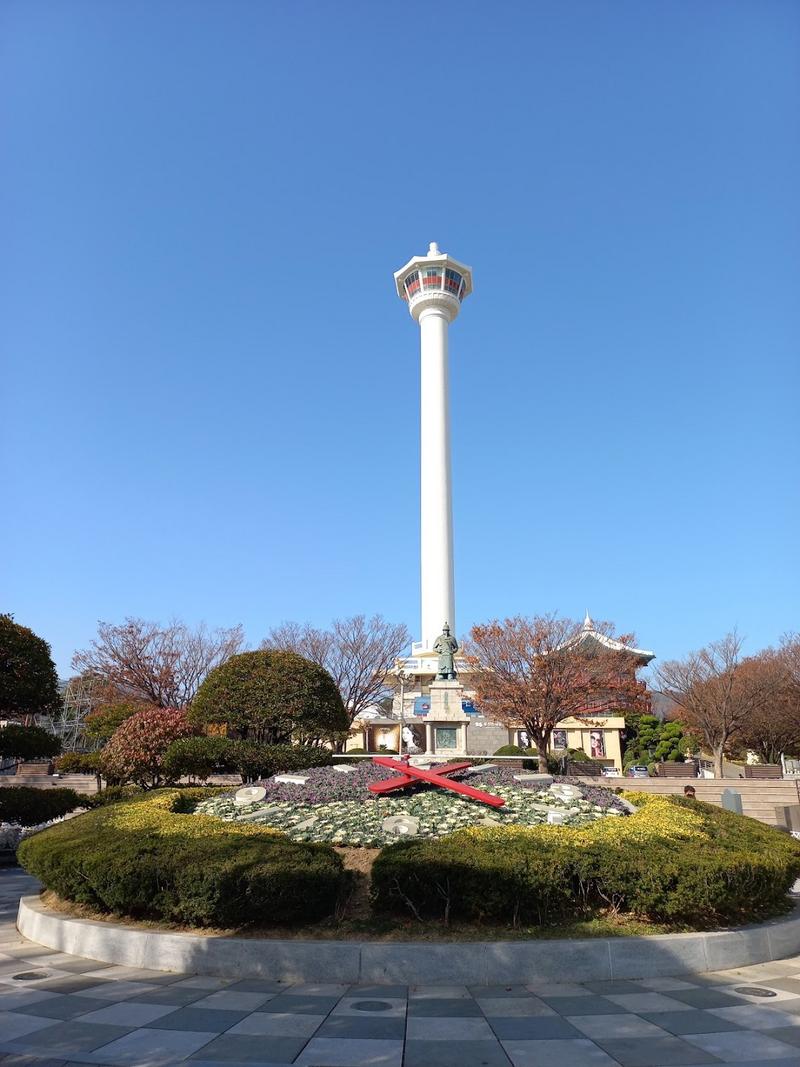
Sweeping views are the highlight atop this 118-m. tower with an observation deck & cafe.
1
km
5
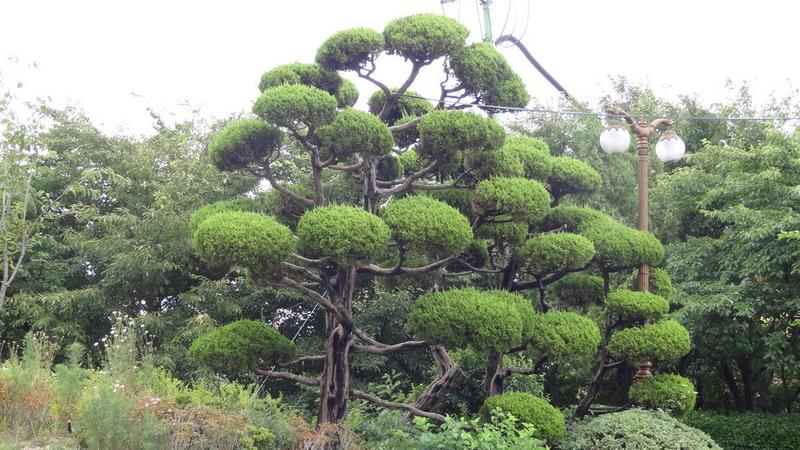
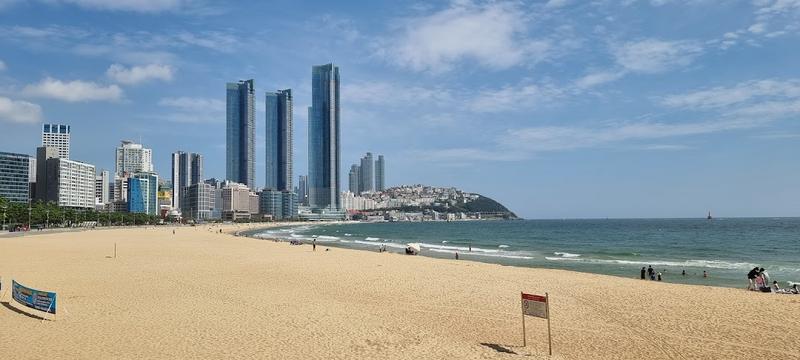
Haeundae Beach is a popular tourist destination with a long sandy beach and calm waters. The beach is approximately 1.5 kilometers long and 30-50 meters wide, with an average depth of 1 meter. It attracts visitors from both domestic and international travelers throughout the year, not just during the summer. Haeundae Beach also hosts various festivals and events, such as the Lunar New Year Moon Viewing Festival, the Polar Bear Winter Swim Festival, sand sculpture exhibitions, and the Busan Sea Festival. The beach area is also surrounded by a variety of attractions and amenities, providing a great vacation experience for visitors. Additionally, Haeundae Beach is considered one of the top eight beaches in South Korea and offers a free foot bath with hot spring water. It was featured in the 2009 movie "Haeundae," adding to its popularity.
1
km

7
Cool hangout known for its neon-lit bars & clubs, murals, fashion stores & street performers.
7
km
9
서면
At night, when you come to the west side of Busan, the neon lights illuminate the entire neighborhood, and the bustling scene continues. The sound of music and voices can be heard clearly, giving you a sense of the vitality and passionate atmosphere here. This is the busiest place in Busan, where people's actions and the surrounding lighting are truly mesmerizing.
8
km
11
Day5: Busan > Seoul
9 attraction(s) ·
356 km
1
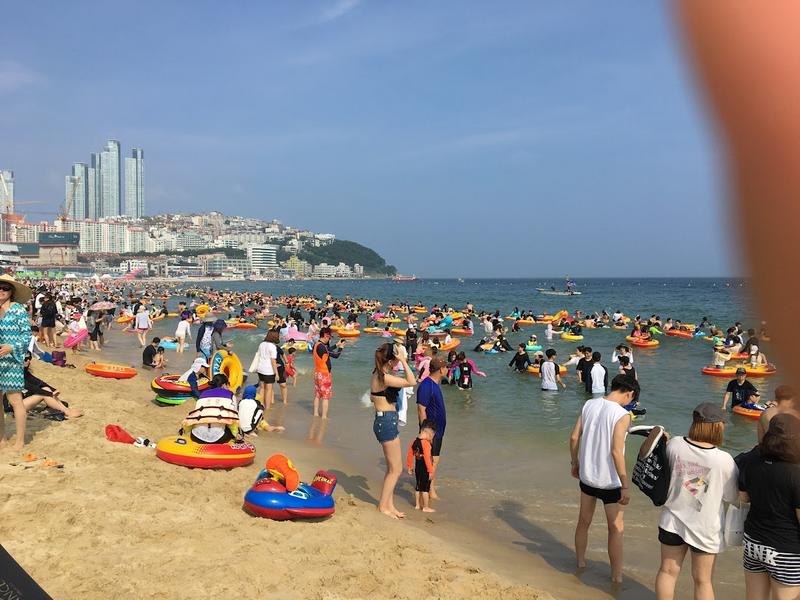
Expansive beach with lively crowds & convenient access to a variety of hotels, cafes & restaurants.
1
km
2

1
km
3
동백섬
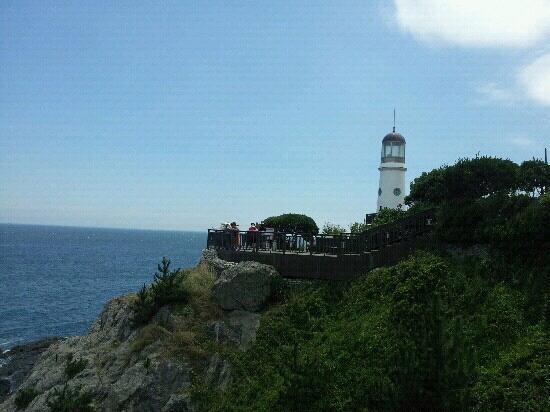
Dongbai Island is located behind the Haeun-tai Beach and the Sea Cloud Ocean Hotel. Once isolated in the middle of the sea, Dongbai Island is now connected to the mainland due to tectonic movements, but it still exists in the form of an island. Dongbai Island has always been a sacred place for poets and artists, where they depict landscapes and express emotions. The view of the sea and sky from Dongbai Island provides an unparalleled aesthetic experience.
1
km
4
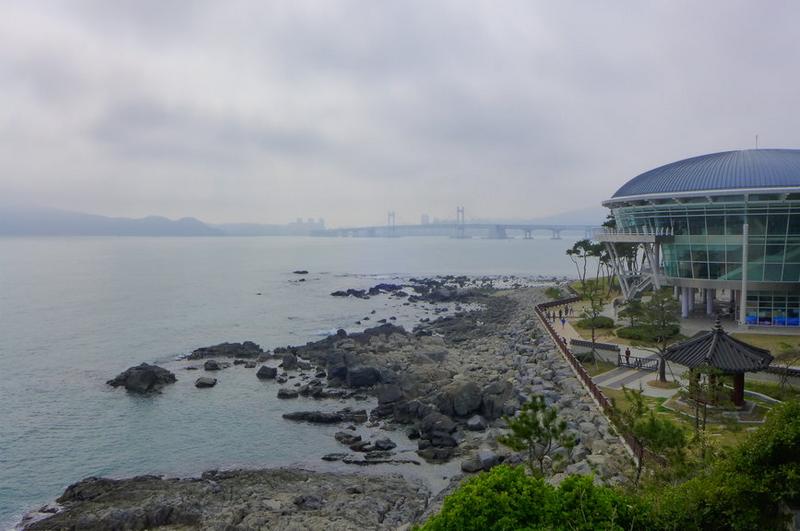
Nurimaru APEC Summit Hall is a famous tourist attraction built for the 2005 APEC Summit. It has now become a popular destination, attracting around four to five thousand visitors daily. Nurimaru, meaning "the top of the world" in Korean, showcases the traditional Korean pavilion style with a modern touch. The roofline of the hall resembles the outline of Dongbaek Island, blending harmoniously with the surrounding environment. The APEC Memorial Hall on the third floor showcases the interior of the venue during the 2005 summit and displays models of world leaders. Visitors can take photos with these "head of state" figures in various poses. The location of the summit hall offers beautiful scenery, with a beachside promenade and views of the Gwangan Bridge. Visitors can reach it by walking along the promenade from Haeundae Beach towards Dongbaek Island.
15
km
7
Seoul Station is located in the gateway of Seoul, the capital of South Korea, and more than 100,000 passengers pass through here every day. The station offers multiple lines, including the Gyeongbu Line KTX, the Sinseol-dong Train, the Uncheon Train, and the Nooriro Train, making it convenient for passengers to travel to various destinations. In addition, passengers can also take the Airport Railroad of the Korea Railroad Corporation directly to Incheon Airport. The station was completed in December 2003 and includes commercial facilities such as the Hana Department Store. There are also large discount stores such as Lotte Mart nearby, providing a perfect shopping and tourism experience for passengers. It is a complex station that combines tourism and shopping.
3
km
9

Jiangnan District has many popular tourist attractions and recreational resorts, including Linyin Road, a romantic leisure area that brings together many unique flavored cafes; Xiaou Pavilion is a lively street full of young people and filled with a fashionable atmosphere; and Feng'en Temple is a cultural temple located in Jiangnan Sandengdong with profound cultural heritage.
Day6: Seoul > Incheon > Seoul > Busan > Chuncheon > Busan > Seoul
13 attraction(s) ·
1437 km
1

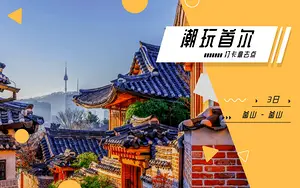
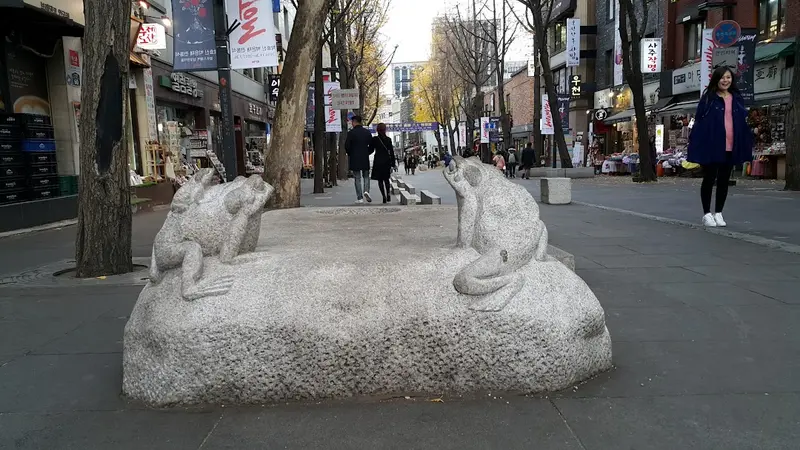
Village dating to the 14th century filled with narrow streets lined with restored traditional homes.
1
km
3
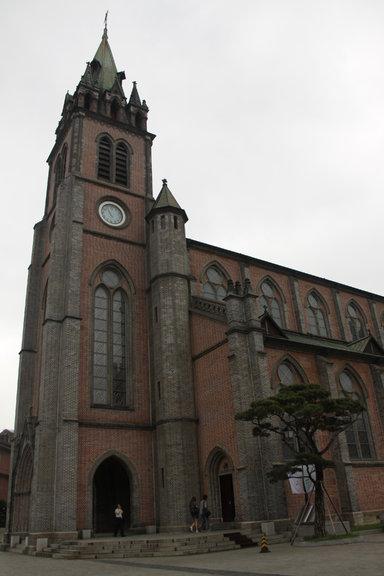
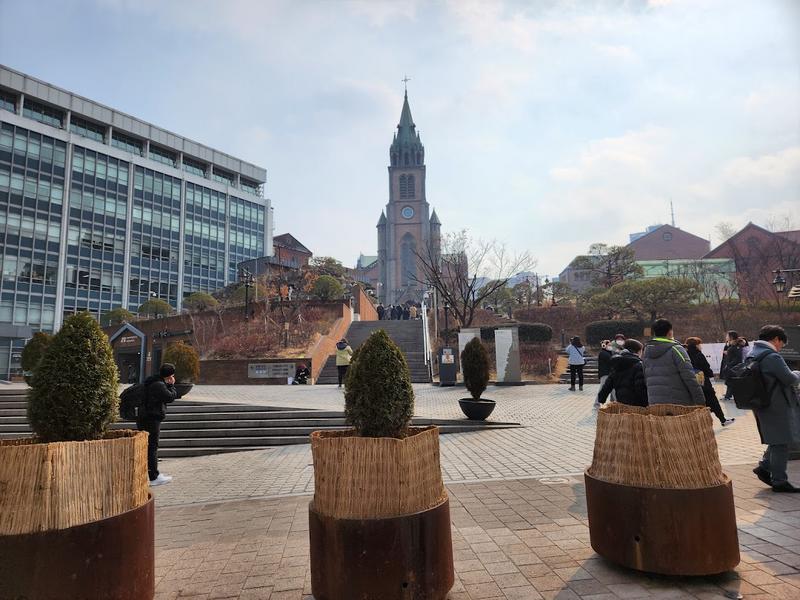
The Myeongdong Cathedral is a Gothic-style cathedral located in the central area of Seoul, South Korea. It is the main cathedral of the Seoul Archdiocese of the Catholic Church. The cathedral was first built in 1898 and consecrated to the Immaculate Conception of the Blessed Virgin Mary. In 1945, it was renamed Myeongdong Cathedral to celebrate Korea's independence. Due to the church's significant role in Korean society, the cathedral has been involved in various political events. The Virgin Mary's Garden behind the church sometimes holds organ performances at noon, and a midnight Mass is held here every December 24th.
50
km
4
Seoul-area airport with diverse amenities such as a spa, a driving range & an ice-skating rink.
50
km
5
Many high-end international stores & restaurants draw crowds to this bustling retail district.
6
km
6
Cool hangout known for its neon-lit bars & clubs, murals, fashion stores & street performers.
7
km
8
서면
At night, when you come to the west side of Busan, the neon lights illuminate the entire neighborhood, and the bustling scene continues. The sound of music and voices can be heard clearly, giving you a sense of the vitality and passionate atmosphere here. This is the busiest place in Busan, where people's actions and the surrounding lighting are truly mesmerizing.
8
km
11
남이섬
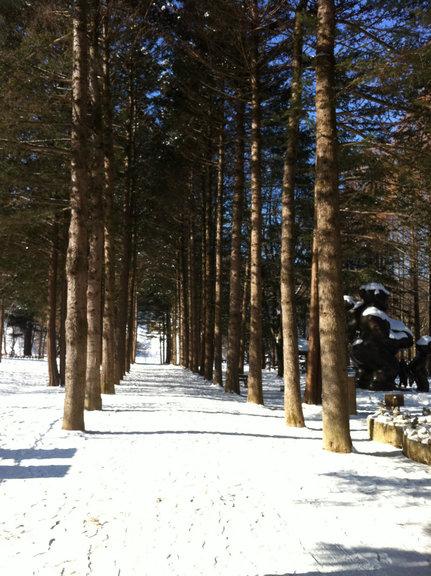
Nami Island is an inland island located at the border of Gyeonggi-do and Gangwon-do in South Korea. It was formed when the Cheongpyeong Dam was built in 1944 and flooded the area. In 1965, Mr. Min Byeong-deok started planting various trees on the barren land and worked with the Kyungchun Tourism Development Corporation to develop Nami Island into a comprehensive resort. During the 1990s financial crisis, Nami Island changed its name to Nami Island Corporation and announced a new entrepreneurial venture in 2001, focusing on environmental and cultural artistic development. In the field of environmental protection, Nami Island collaborates with grassroots environmental organizations and holds recycling campaigns and environmental monitoring activities. In the cultural field, Nami Island continues to sponsor various art activities. Nami Island became famous in the 1960s-90s for filming TV dramas and hosting the Riverside Folk Song Festival. After the KBS drama "Winter Sonata" was filmed there in 2001, the island's popularity soared. Currently, Nami Island attracts approximately 1.5 million visitors annually for leisure and sightseeing. On March 1, 2006, Nami Island announced its transformation into a special tourist zone called "Naminara Republic" to strengthen environmental and cultural artistic sponsorship, considering Nami Island as a "nation" where nature and humans care for each other and coexist. Visitors can relax and enjoy the beauty of nature in the 140,000 square meter green space.
322
km
13