12 Days Touring New Zealand【Highlights Tour】
9 cities |
27 attraction(s) |
total distance 1744
km
 TIPS
TIPS
Day1
Day2
Day3
Day4
Day5
Day6
Day7
Day8
Day9
Day10
Day11
Day12
Day1: Auckland
3 attraction(s) ·
3 km
1
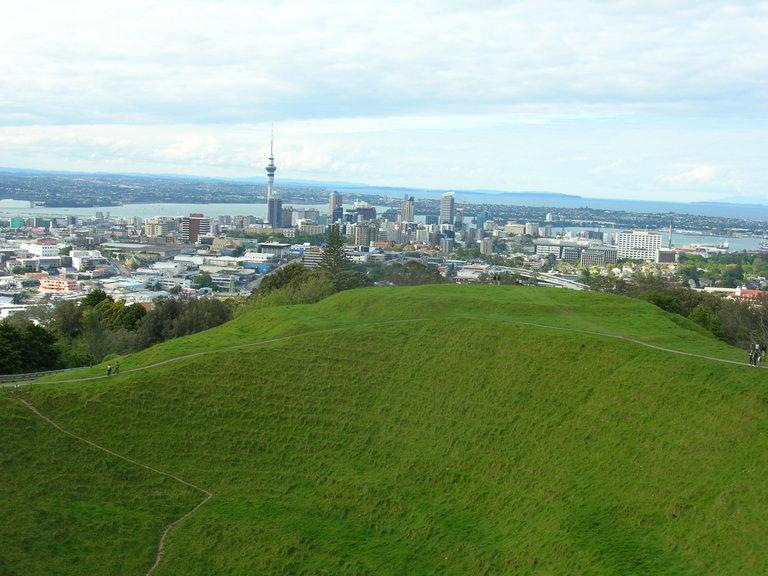
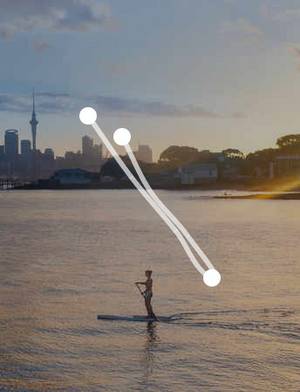
Mount Eden, located in Auckland, is one of the hills formed by volcanic ejecta around a volcanic vent, and it is also the highest point of natural beauty in Auckland, which is stunning. The bottom of the volcanic cone is now a lush green space, which looks like a big cone-shaped bowl from afar, and the unique landscape is unforgettable. Climbing to the top of the mountain, you can enjoy a perfect panoramic view of Auckland, including the beautiful Sky Tower, the spectacular One Tree Hill, and the mysterious Rangitoto Island volcano. In addition to being able to enjoy these wonderful views for free, it is also very suitable for taking photos, capturing panoramic views of the surrounding area, especially when shooting the Sky Tower, it is incomparable.
3
km
2
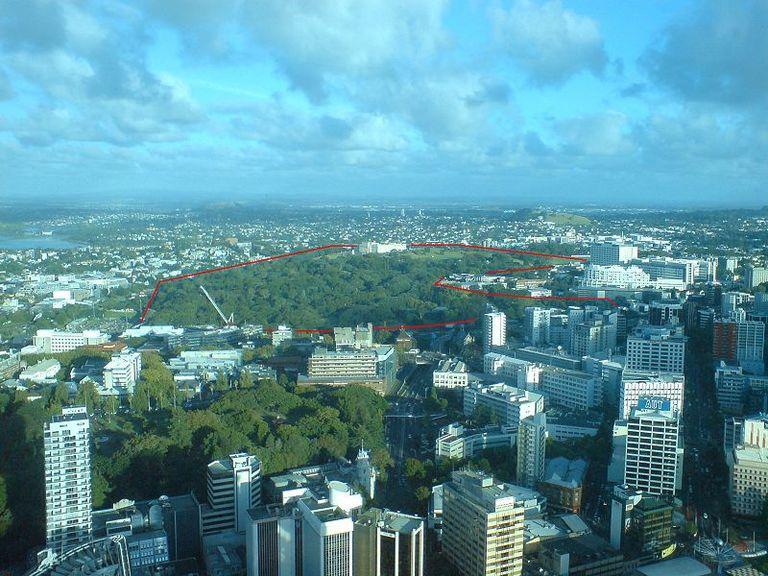
Located in the heart of Auckland city, the historic Auckland Central Park is a delightful place to visit. The entire park is covered in lush green grass, filled with fragrant flowers, and crisscrossed with walking paths. One of the main highlights of the park is the duck pond, where you can often see mother ducks leading their little ones to play by the pond. Please do not feed the ducks, but you can provide food for them when they are on the grass. Additionally, the Auckland Museum is situated at the highest point of the park, housing many precious artifacts. Every day, the museum also showcases performances of Maori culture, which is highly recommended to visit. Only a 5-minute drive from the city center, Auckland Central Park is an ideal place to relax and enjoy the beauty of nature.
1
km
3
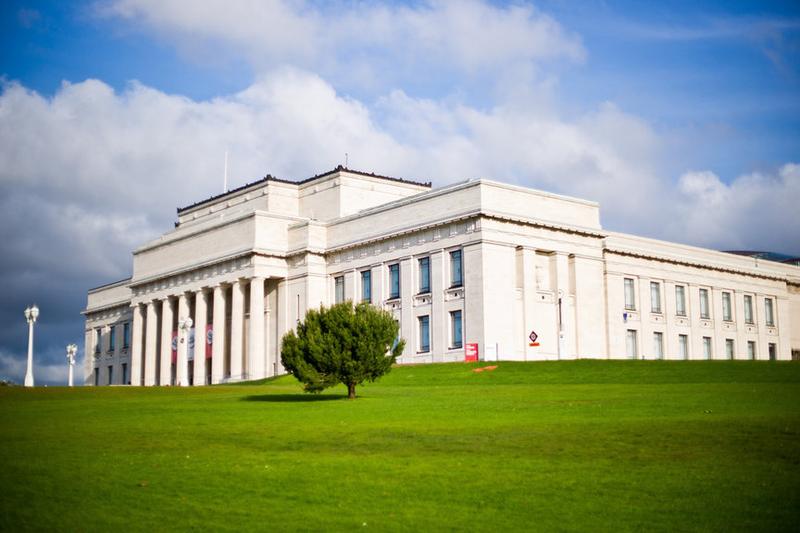
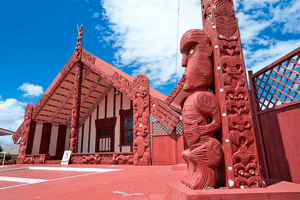
The Auckland Museum is located in Auckland Domain Park and is a comprehensive museum of Gothic architecture, with a rich collection of historical and cultural relics. The museum has three floors. The first floor mainly displays Maori culture, including Maori handicrafts, meeting places, and daily items, as well as Pacific Islander art. The second floor exhibits various animal and plant specimens, with the most eye-catching being the remains of the moa bird. The third floor displays the history of the two world wars, including the weapons used and the soldiers who died for their country. The marble walls of the Hall of Memories are inscribed with the list of heroes of World War II, while World War I has only the dead. The museum also has a magnificent memorial to fallen soldiers, where a solemn mourning ceremony is held every April 25th. The museum also has the most comprehensive collection of Maori culture and New Zealand history, as well as three daily Maori performances. The museum's exterior is magnificent, with exhibits mainly featuring traditional art and culture of Pacific Islander indigenous peoples, including Maori totem sculptures and architecture, as well as various treasures. The museum offers views of Auckland's iconic landmarks such as the Auckland Harbour Bridge, Sky Tower, and container port, and is one of Auckland's must-see attractions.
Day2: Rotorua
2 attraction(s) ·
7 km
1
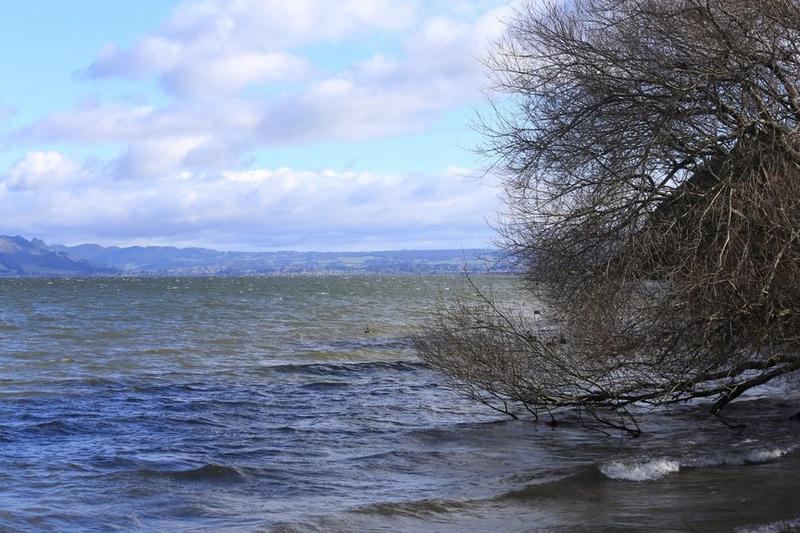
Lake Rotorua is one of the largest lakes in central northern New Zealand's North Island and is one of the leading lakes within approximately 20 lakes. It covers an area of 80 square kilometers (31 square miles) and is a fascinating scenic spot. Located on the edges of the city, Lake Rotorua is a visual feast where you can choose to cruise around the small islands in the lake. For the best views, it's recommended to visit Grand Vue Rd, Kawaha Point, or Rotorua 3010, which are excellent locations for viewing the magnificent scenery of Lake Rotorua.
7
km
2
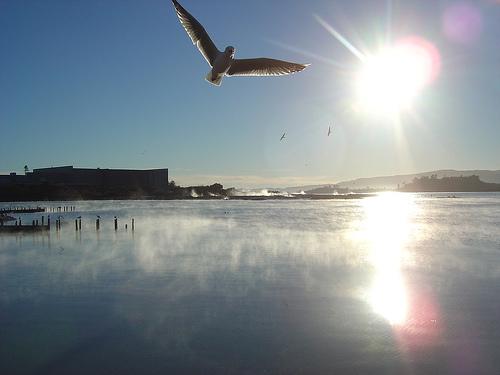
Polynesia Spa is located in the government garden. It is a historical mineral spring and can be reached within a 5-minute walk from the center of Rotorua. There are a total of 35 hot spring pools here, and visitors can also buy a variety of hot spring derived products. Among them, the mineral mud beauty and skincare products are very famous.
Day3: Rotorua
2 attraction(s) ·
7 km
1
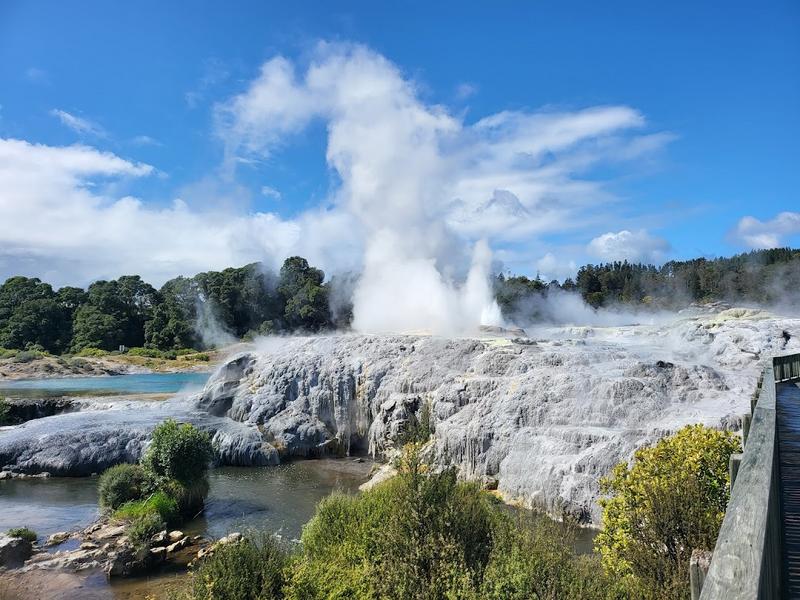
Maori cultural center at a geothermal preserve with a dramatic geyser & crafts institute.
7
km
2
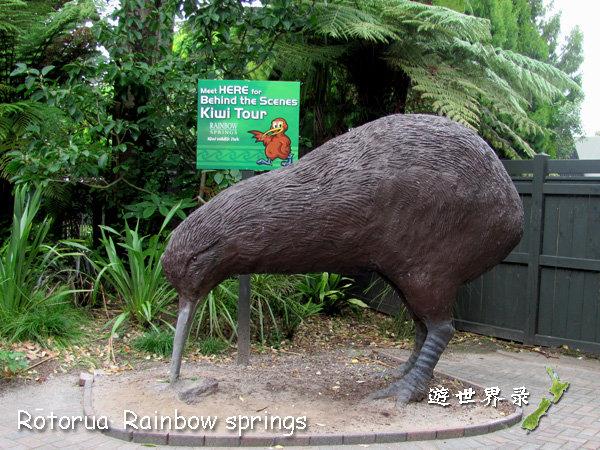
Rainbow Springs Nature Park was established in 1932 and covers 135 acres of lush forest. Visitors can enjoy natural, crystal clear springs in the vicinity. Tickets are valid for a whole day, allowing multiple entries, and even night entry. Those who are tired of daytime activities can enjoy a night tour, especially the Big Splash water slide. The park is an ideal place to observe native New Zealand plants such as kauri and ferns, as well as other plants. Visitors can also see various native New Zealand birds such as kea, kaka, honeyeaters, weka, and rainbow trout. They can also observe tuatara, the only living species of reptiles known to have survived since the dinosaur era, and nocturnal animals' performances both day and night.
Day4: Wellington
2 attraction(s) ·
2 km
1
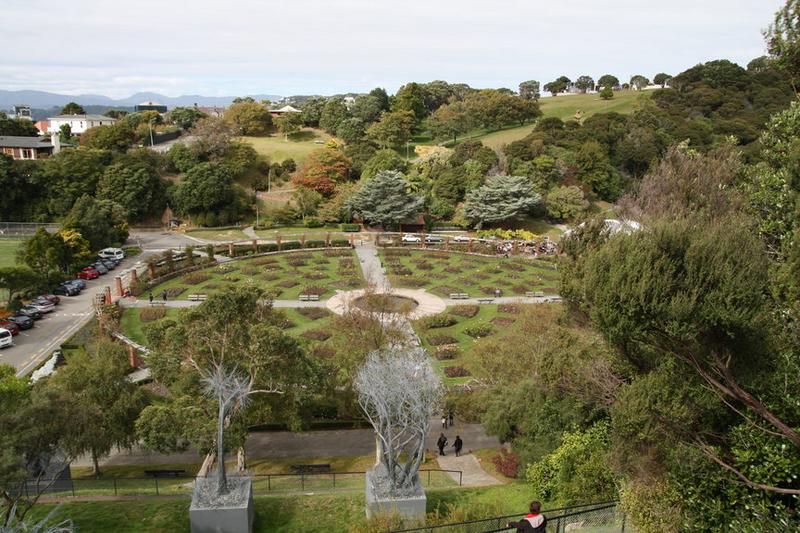
Wellington Botanic Garden, built in 1844, is a beautiful and tranquil place with local and exotic tree species. One of the oldest exotic trees in New Zealand can be found here, which is truly astounding. There are elegant ponds and flocks of ducks in the park, adding charm to the garden. In addition, there are the Begonia House, cafes, colorful flower and herb gardens, as well as gardens with Australian style and the award-winning Lady Norwood Rose Garden.
2
km
2
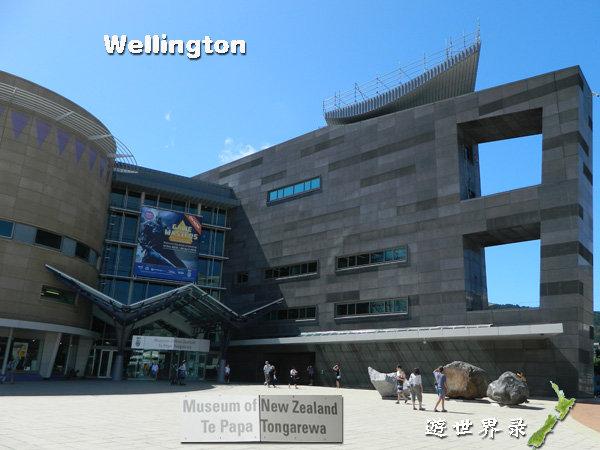
"Te Papa" is the nickname for the National Museum of New Zealand, located in the center of Wellington with a convenient location near the coast. The museum has been selected as one of the most popular museums in the southern hemisphere and represents the history and culture of New Zealand. The museum displays a rich collection of artifacts using high-tech and interactive exhibition methods for visitors. This museum is the best window to understand the history, geography and culture of New Zealand, and is well-liked by tourists from all over the world.
Day5: Christchurch
2 attraction(s) ·
1 km
1
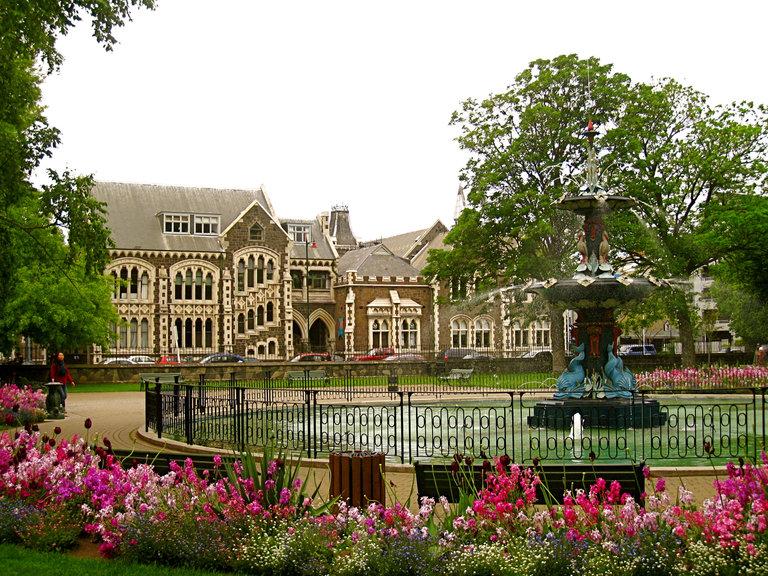
Christchurch has a 300,000 square meter green land located by the Avon River, which is the most pleasant place in the city. Over ten thousand species of plants display a colorful array of colors in different seasons, bringing endless surprises to visitors. Whether it's the elderly, children, couples, or friends, taking a stroll in the botanical garden or enjoying a cup of coffee in the cafe is very pleasant. The visitor information center is located between the botanical garden and the Canterbury Museum and provides timely answers to any visitor questions. Come here and experience the atmosphere of the garden city!
1
km
2
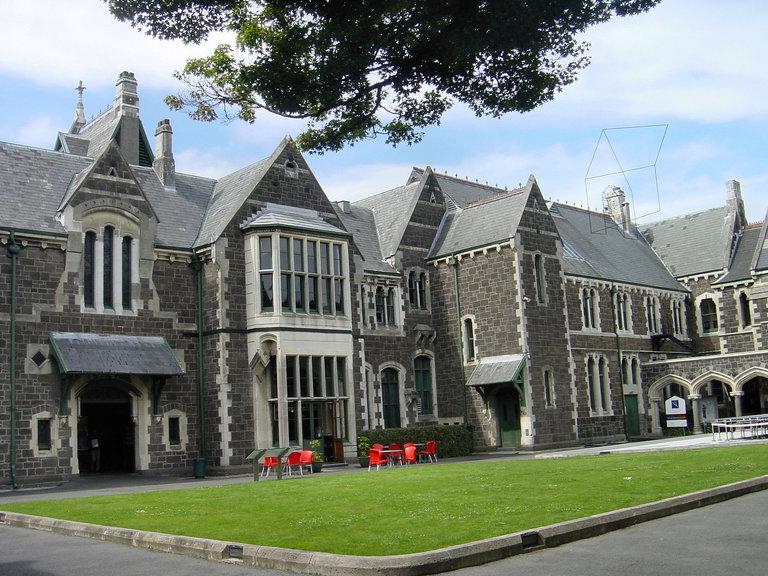
The Art Center located in Christchurch is an ancient building full of Gothic style, and it is also an iconic art palace in the city. Here visitors can enter the artist's workshop, witness their creative process with their own eyes, and have the opportunity to purchase their favorite artworks. Once the location of Canterbury University, although the university has moved elsewhere, the strong artistic atmosphere of this historic building has been preserved.
Day6: South Island > Lake Tekapo
3 attraction(s) ·
14 km

2
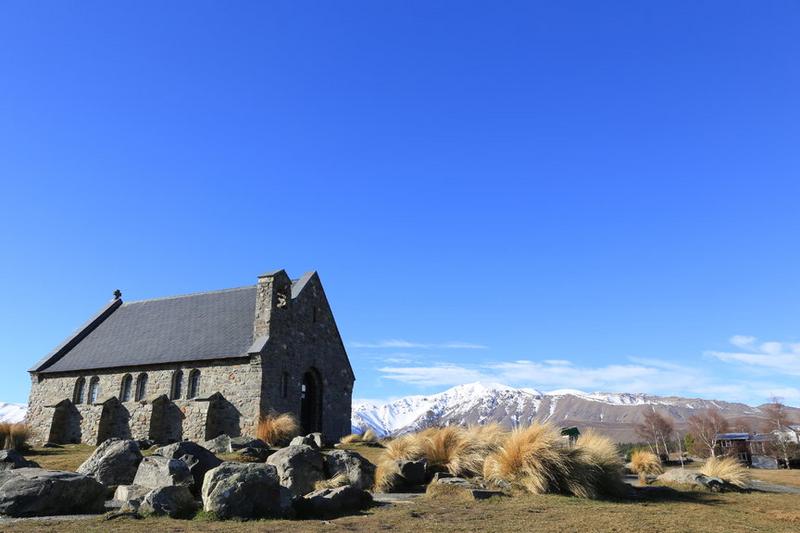
The Church of the Good Shepherd is a historic church constructed by renowned architect Benjamin Woolfield Mountford in 1935. This church features a unique Gothic wood and stone building and is the only one of its kind in New Zealand. It is located on the shores of Lake Tekapo and surrounded by stunning natural scenery amidst towering mountains. Due to its unique architecture and charming environment, many couples choose to hold their weddings here, making it one of the most famous tourist attractions in New Zealand.
3
km
3
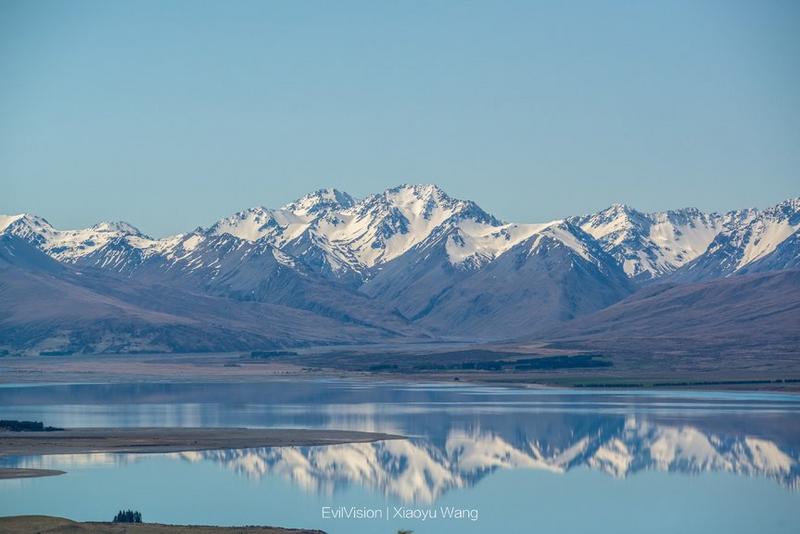
John's Mountain Observatory is renowned for its stunning scenery and convenient location. It's just a 15-minute drive from Lake Tikapoo, making it an ideal spot for stargazing.
Day7: South Island
3 attraction(s) ·
54 km
2

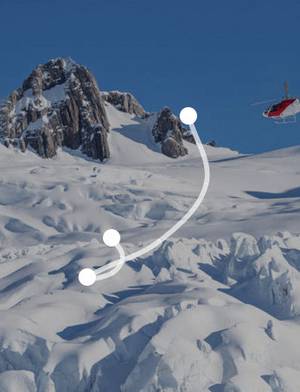
Named for New Zealand's tallest mountain, 40% of this wild region is covered by icy glaciers.
14
km
3

11-km.-long Southern Alps glacier terminating at Hooker Lake, with walking tracks & camping huts.
Day8: Queenstown
4 attraction(s) ·
5 km
1
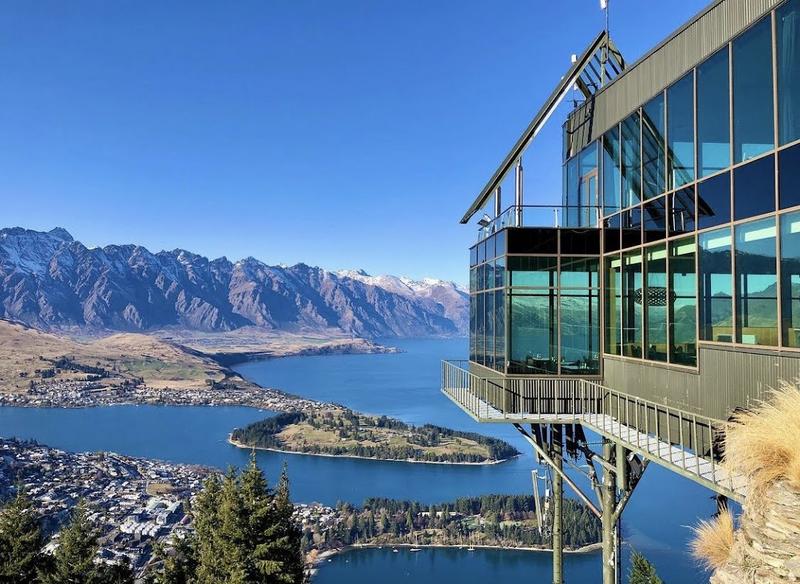
Attraction featuring a gondola to a panoramic restaurant/bar, hiking trails & a luge ride down.
1
km
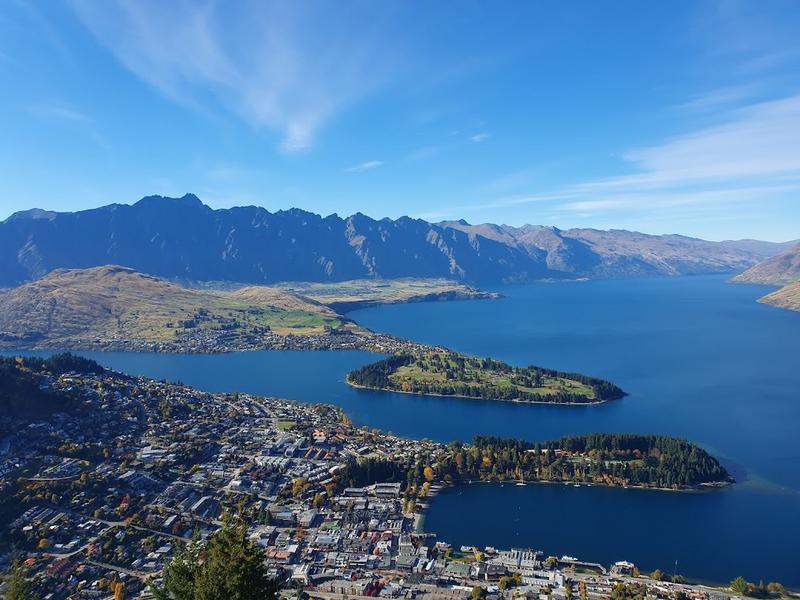
3
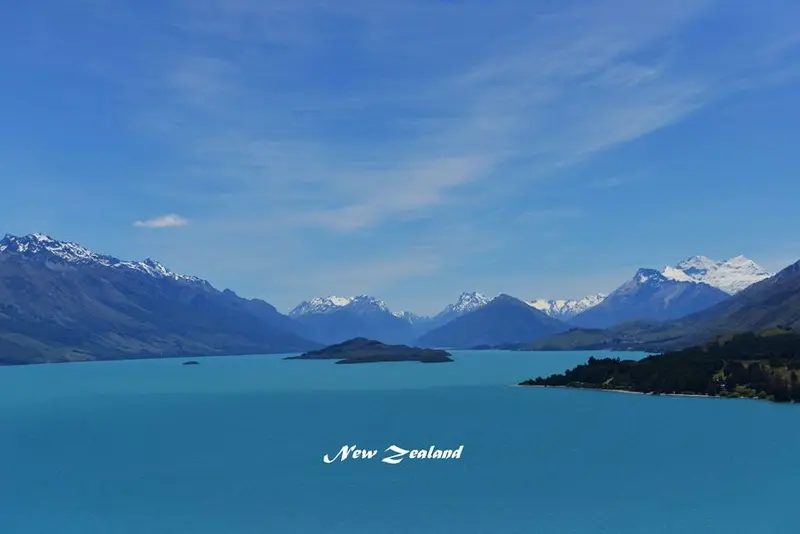
Nestled in a glaciated valley, New Zealand's third largest lake is shaped like a lightning bolt and boasts stunning scenery. The northern end is where the Dart River merges into it, while the Kawarau River flows into the lake mouth after originating from Queenstown. It is surrounded by high mountains, with the highest peak being Mount Earnslaw at 2,819 meters above sea level. The towns around the lake include Queenstown, Kingston, Glenorchy, and Kinloch, the center of New Zealand's outdoor activities. Bungee jumping, a worldwide sensation, originated here. One of the activities by the lake is a cruise on the historic TSS Earnslaw steamship to see the lake views. In the early 20th century, the Earnslaw mainly provided transportation for goods to the ranches on the lake shore. Today, it is still well-preserved and takes tourists to the Walter Peak sheep farm for a stunning view. All of these towns quietly nestled along the lake are worth a visit.
2
km
4

Lush, lakefront peninsula with a waterfront trail & alpine vistas, plus an ice rink & skate ramps.
Day9: Queenstown
2 attraction(s) ·
0 km
Day10: South Island > Te Anau
2 attraction(s) ·
71 km
2

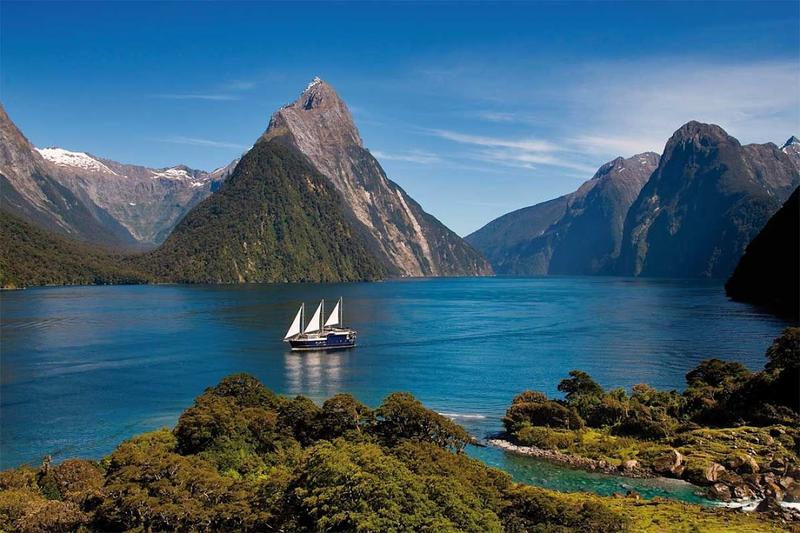
Lake Te Anau is a famous lake in the Fiordland National Park in the southwest of the South Island of New Zealand, and is the second largest lake in the country after Lake Taupo. The lake is 55 kilometers long, covers an area of 344 square kilometers, and has an altitude of 210 meters. Lake Te Anau is also one of the largest glacier lakes in the southern hemisphere, with three huge fjords extending westward along its north-south axis, namely the North, Middle and South fjords. In addition, the lake has many small bays and estuaries. The maximum depth of Lake Te Anau is 417 meters, and the Waiau River originates here. The lake also breeds salmon and sturgeon, and is a popular tourist attraction.
Day11: Dunedin
2 attraction(s) ·
2 km
1
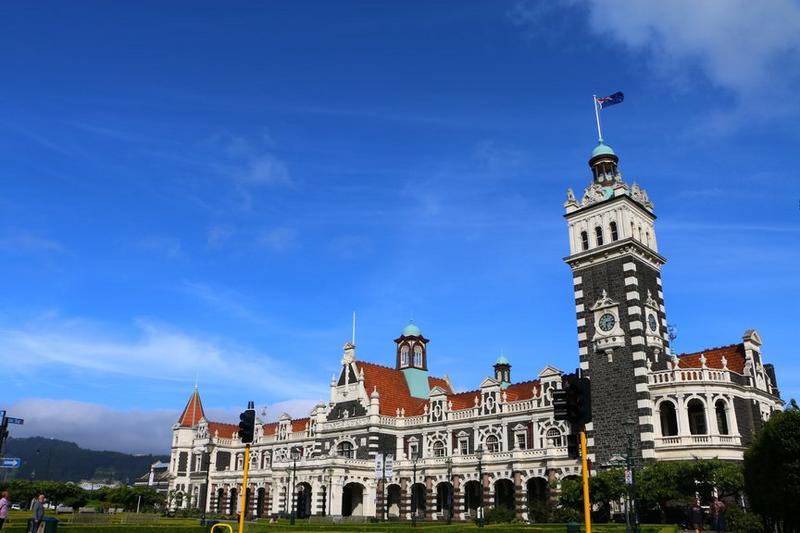
This British railway station is steeped in history, with exhibitions inside and tourists able to take trains to the nearby coastal peninsula.
2
km
2
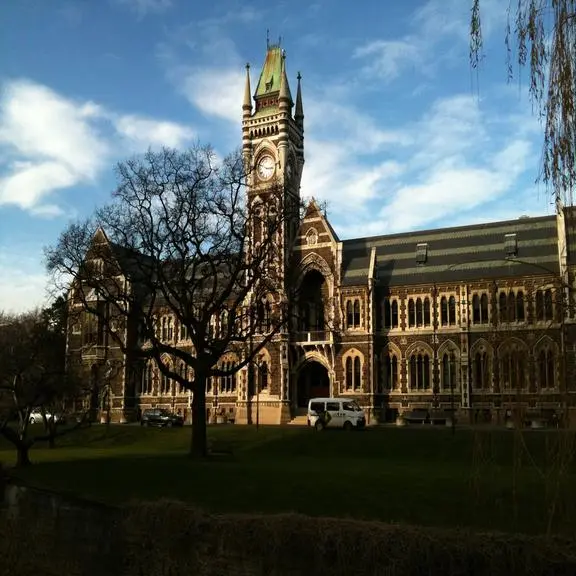
This university, founded in 1869, is one of the oldest in New Zealand. The clock tower at the Registrar's office is an iconic building in Dunedin, with its architecture modeled after the main building at the University of Glasgow. The use of dark basalt and light Oamaru stone creates a strong color contrast. The university is open to visitors and guided tours are available to showcase its beautiful campus and rich history.
Day12: Dunedin
2 attraction(s) ·
17 km
1
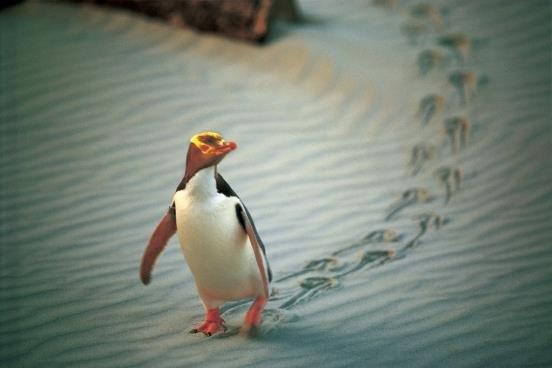
"Penguin Place" is a privately funded sanctuary aimed at saving the rare species, Yellow-Eyed Penguin, from global extinction. This adorable tailcoat gentleman is currently only found in natural reserves within New Zealand, with only around 5,000-6,000 in existence. Visitors are recommended to travel to Dunedin and join a local tour to Penguin Place to observe and admire these lovely creatures. The entire trip takes about 2 hours, and visitors can get up close and personal with the penguins using a unique hidden system and concealed tunnels. The best time to observe Yellow-Eyed Penguins is from 3pm until before dark.
17
km
2
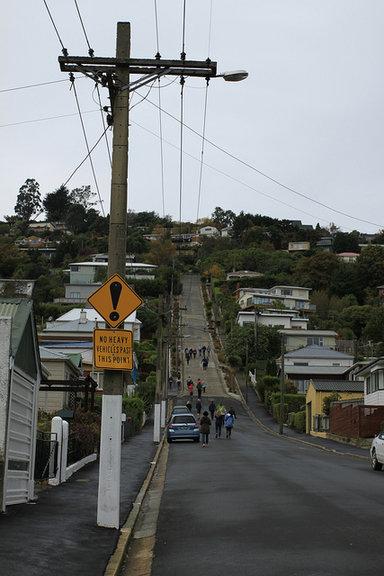
Every visitor to Dunedin will head to this residential street with a slope of about 19 degrees. For drivers with strong skills and responsive brakes, they can speed down the slope at the top like on a rollercoaster. However, most visitors choose to hike up and take interesting photos on the way. In February, the Gutbuster race is held here and in July, the Cadbury World chocolate factory rolls down 10,000 chocolate candies from the top of the slope for visitors to enjoy for free - both fun and delicious.