3 days in Spain: Barcelona, Madrid & Seville
2 cities |
6 attraction(s) |
total distance 514
km
 TIPS
TIPS
Day1
Day2
Day3
Day1: Barcelona
3 attraction(s) ·
3 km
1
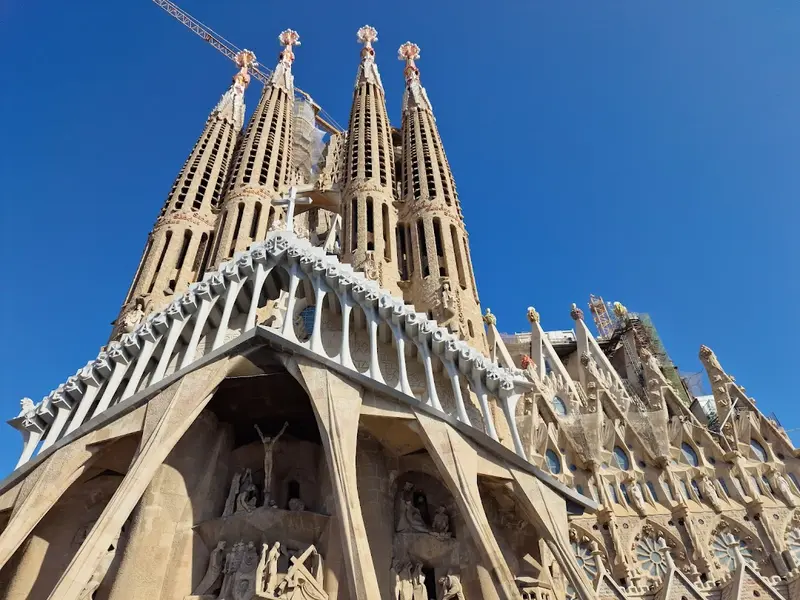
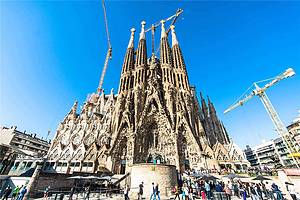
Antoni Gaudí's renowned unfinished church, started in the 1880s, with museum and city views.
2
km
2
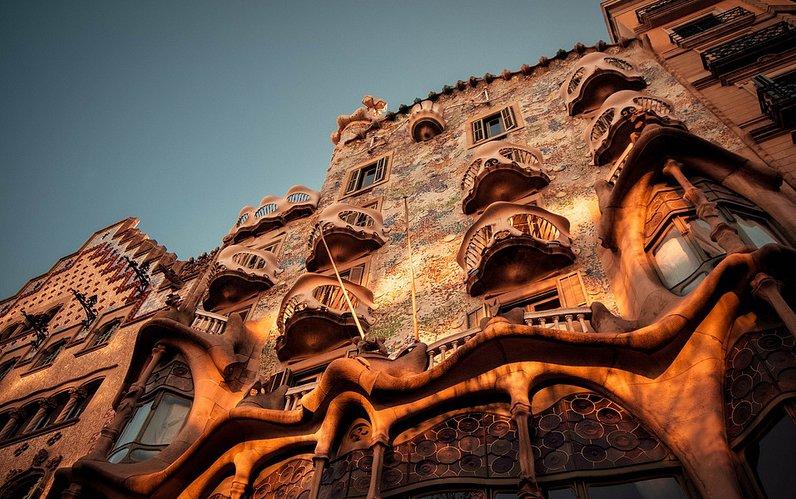
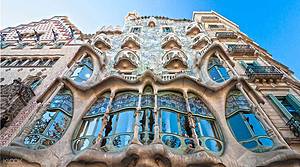
The interior design style of the Batllo House continues Gaudi's consistent style, without straight lines and sharp angles, and is full of smooth and soft wavy curves everywhere. Every small detail, from the door to the door handle to the seat, fits the human body's lines, making people feel infinitely emotional. To reach the second-floor hall, you need to pass through the exquisite wooden staircase designed by Gaudi for the Batllo House, with handrails decorated with metal ribbons, topped with an orange glass globe. The design of the hall is also full of details, with swirl-like patterns on the smooth ceiling, and you can see Gracia Street through the large windows.
The courtyard inside the building is inspired by the deep sea. Gaudi used 15,000 blue tiles of five different shades to create a pleasant light. The tiles with darker colors are closer to the top of the building, as if sinking slowly to the depths of the sea. Unlike other floors, the attic uses pure white tones and has a hanging arch structure, like a giant animal's chest and ribs, and also has the function of regulating the temperature of the entire building. Gaudi's design inspiration comes from the story of St. George slaying the dragon and rescuing the princess. The large floor-to-ceiling windows and outer pillars on the second floor are reminiscent of dragon teeth, the arrangement of the exterior roof is an imitation of the dragon's body and scales, and the cross tower on the roof imitates the holy sword inserted into the dragon's body. The spiral staircase leading to the roof is also inspired by nature, which Gaudi particularly loves. The surface of the chimney and ventilation duct on the top floor platform is made of broken porcelain collages, demonstrating Gaudi's unique artistic style.
2
km
3
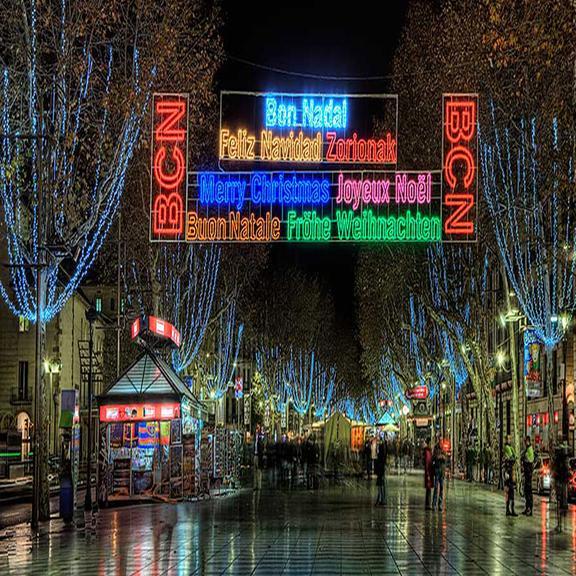
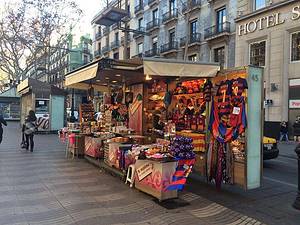
La Rambla is one of the liveliest streets in Spain and is also known as the "The Wanderer's Street" in the works of Yu Qiuyu. It attracts performance artists and tourists from all over the world. During the day, La Rambla is a paradise for street art and food, with the famous Boqueria Market located on the side of the street. After midnight, it becomes a playground for Barcelona's nightlife, especially in the La Raval area to the west, where there are various themed bars.
In addition, La Rambla connects Plaza de Catalunya and the Mediterranean Bay. Walking along La Rambla to the beach in the Mediterranean sunshine will give you a firsthand experience of Barcelona's colorful and joyful atmosphere! If you don't like crowded crowds, you can also choose to explore the historical Gothic Quarter to the east or La Raval area beloved by hippies (often with their own pets) on both sides of the street. But be sure to keep an eye on your wallet and valuables.
Day2: Madrid
3 attraction(s) ·
3 km
1
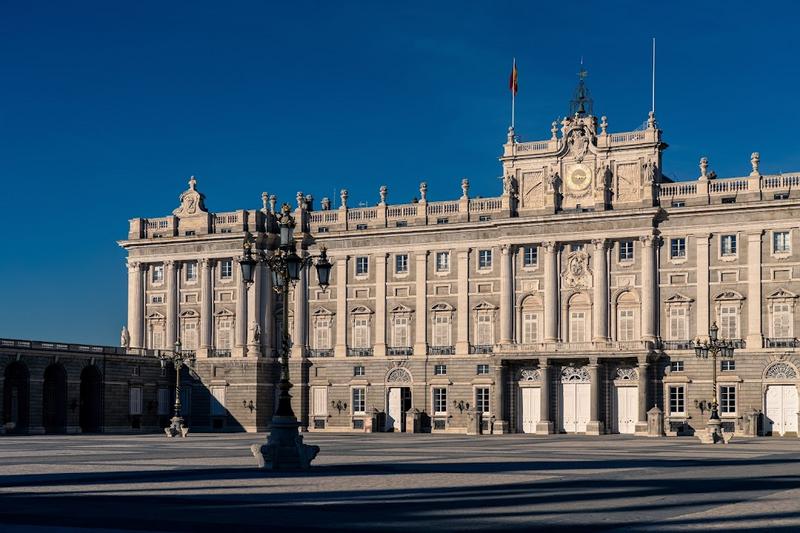
18th-century, ridge-top palace for state occasions, plus tours with rooms full of art and antiques.
2
km
2
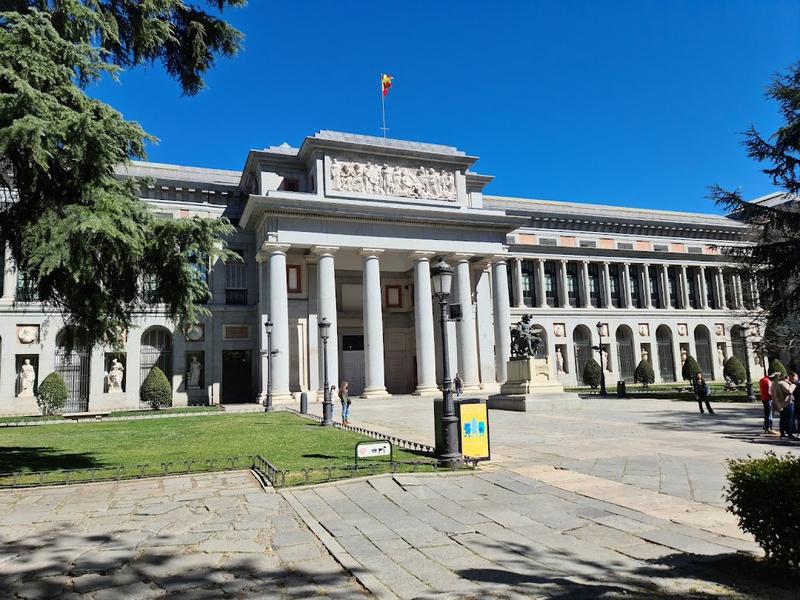
Art museum with Velazquez, Goya and El Greco masterpieces in vast 12th- to 19th-century collection.
2
km
3
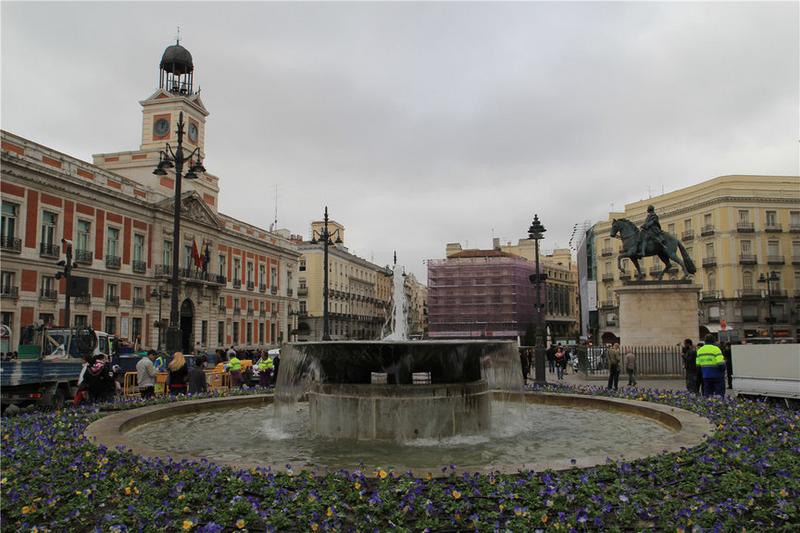
The Puerta del Sol Square originated from the 15th-century Madrid city gate and was named for facing the direction of the rising sun. The earliest building on the square was the old post office building in the 18th century, which is now the government building of the Madrid Autonomous Community. During Franco's period, the government building was the national security headquarters, and the lower half-elliptical windows of the building once held prisoners who opposed Franco's rule. In front of the building, near the driving route, is the "Kilometer Zero" sign and the center of the Spanish national road network.
Two important sights on the square are the statue of Carlos III and the "Bear and Strawberry Tree." Carlos III was the king of Spain during the Bourbon dynasty and was born in Madrid. He devoted himself to building public facilities in Madrid during his reign and is still known as the "greatest mayor of Madrid." The "Bear and Strawberry Tree" is the emblem of Madrid, which first appeared in the 13th century. The bear was to commemorate King Alfonso XI of Castile, who hunted a bear on the surrounding mountain of Madrid. The strawberry tree originates from the wild strawberry tree growing around the square.
Day3:
0 attraction(s) ·
0 km