8-day Self-driving Tour in Spain and Portugal
5 cities |
20 attraction(s) |
total distance 1688
km
 TIPS
TIPS
Day1
Day2
Day3
Day4
Day5
Day6
Day7
Day8
Day1: Lisbon
2 attraction(s) ·
1 km
1
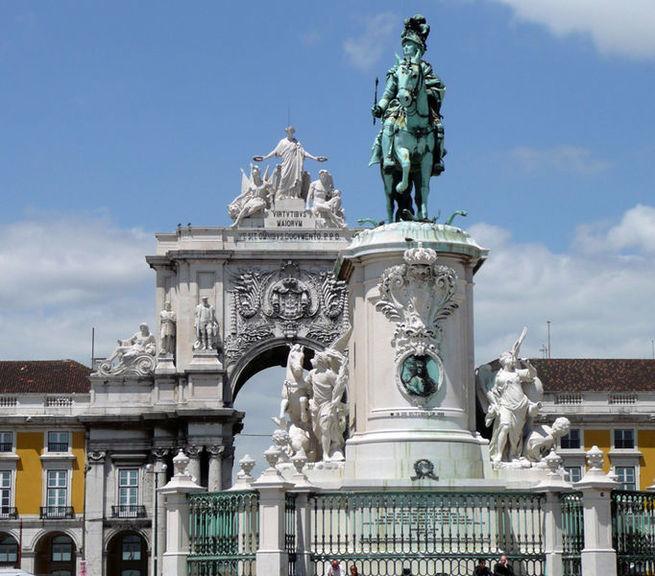
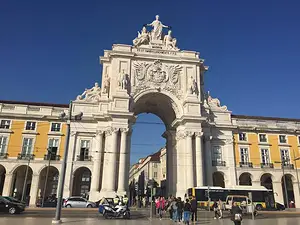
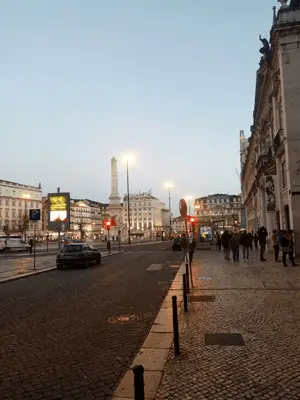
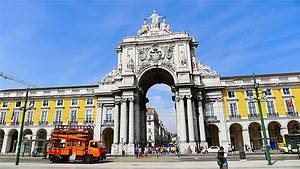
The Commercial Square, also known as Palace Square, is located next to the Tagus River in the Portuguese capital city of Lisbon. This square became a part of the Pombaline Downtown after the destruction of the Ribeira Palace. As the development of Ribeira on the Bank of the Tagus River in the early 16th century, ports, shipbuilding facilities, and administrative buildings were built for managing trade between Portugal and other European countries, as well as African, Asian, and American colonies, such as the India House. However, the devastating Lisbon earthquake on November 1, 1755 destroyed most of the city, including Ribeira Palace and surrounding buildings in the Commercial Square. Marquis of Pombal coordinated the reconstruction work, but the palace was not rebuilt.
1
km
2
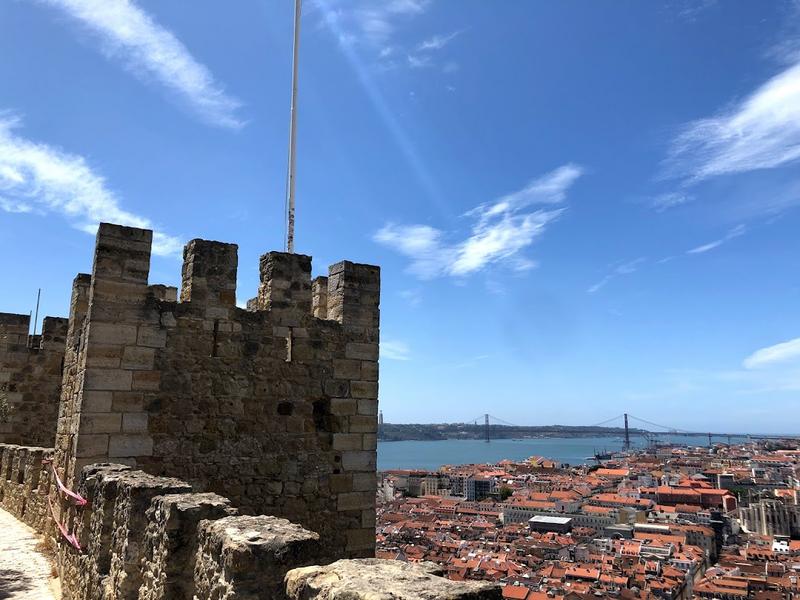
11th-century, hilltop Moorish castle & royal residence with palace ruins & archaeological museum.
Day2: Sintra > Lisbon
3 attraction(s) ·
2 km
1
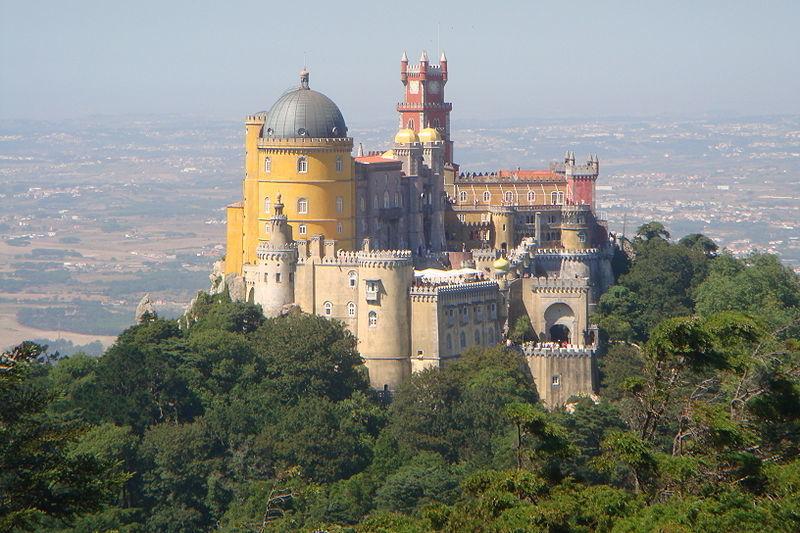
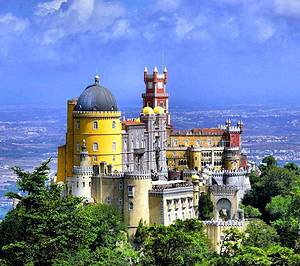
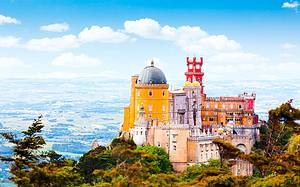
The Pena Palace is the king's palace, with a unique architectural style that blends various elements such as Gothic, Renaissance, Moorish, and Manueline, presenting a distinctive "wonderland castle" form. The palace is the result of the hard work of Ferdinand, the husband of Queen Maria II of Portugal, in the 19th century and is one of the Seven Wonders of Portugal. Located on the top of the hill in the São Pedro district of Sintra, it is a national heritage of Portugal and one of the world's heritages. It is often used for official government events. It is known that this place was only a small chapel in the medieval period, which was later transformed into a monastery by King Manuel I. However, it was destroyed in the 1755 Lisbon earthquake. Designed by German architect Baron von Eschwege, the royal summer palace took almost 13 years to build and was completed in 1885.
2
km

3

Early 20th century-built palace & gardens with underground passages, a chapel & museum, plus events.
Day3: Madrid
2 attraction(s) ·
1 km
1
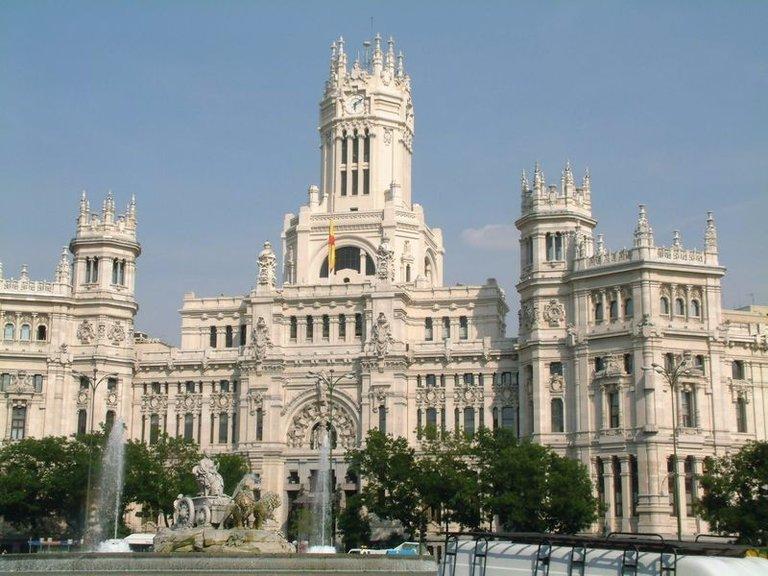
During the Moorish rule, Madrid was not the capital of Spain. To defend the city, Mohammed I built a tower at the current location of the palace. Over time, the tower was renovated and eventually declared a castle by the Castilian king in the 14th century. In 1734, the castle was destroyed by a fire, and Felipe V ordered for it to be rebuilt in 1738. After 17 years, it was finally completed. The palace's architecture was inspired by the design of the Louvre in Paris, featuring a square courtyard and galleries. Carlos III, known as the "Greatest Mayor of Madrid," was the first king to use the castle as a royal residence.
The Madrid Palace is the largest palace in Western Europe, containing 3,418 rooms, each with its own unique features. It houses an extensive collection of exquisite paintings, antiques, weapons, ceramics, clocks, and silverware. The collection includes five violins made by one of the greatest stringed instrument makers in history, Antonio Stradivari, which are displayed in the music room of the Royal Library. In addition, the palace houses works by famous Spanish artists, such as Velázquez and Goya, as well as important paintings from the Italian Baroque painter, Caravaggio.
Although the Madrid Palace is still the royal residence, the king only occasionally uses it for official business. If both flags on the roof of the palace are raised, it means that the king is present.
1
km
2
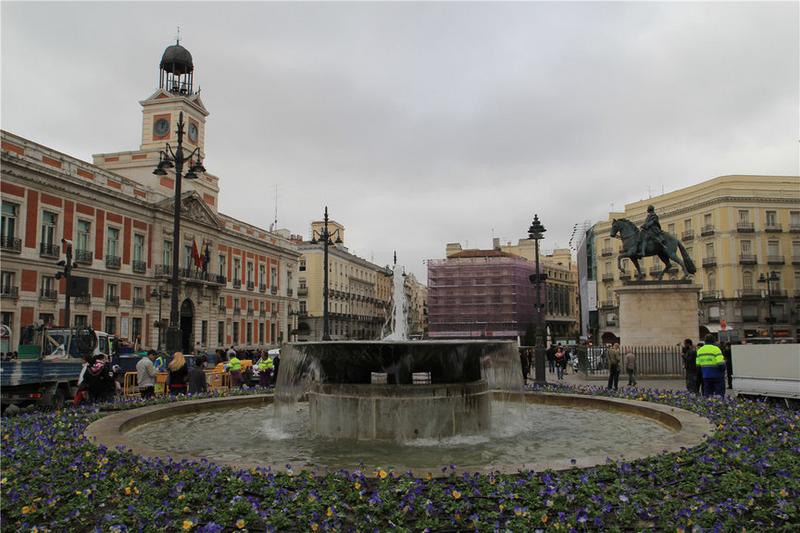
The Puerta del Sol Square originated from the 15th-century Madrid city gate and was named for facing the direction of the rising sun. The earliest building on the square was the old post office building in the 18th century, which is now the government building of the Madrid Autonomous Community. During Franco's period, the government building was the national security headquarters, and the lower half-elliptical windows of the building once held prisoners who opposed Franco's rule. In front of the building, near the driving route, is the "Kilometer Zero" sign and the center of the Spanish national road network.
Two important sights on the square are the statue of Carlos III and the "Bear and Strawberry Tree." Carlos III was the king of Spain during the Bourbon dynasty and was born in Madrid. He devoted himself to building public facilities in Madrid during his reign and is still known as the "greatest mayor of Madrid." The "Bear and Strawberry Tree" is the emblem of Madrid, which first appeared in the 13th century. The bear was to commemorate King Alfonso XI of Castile, who hunted a bear on the surrounding mountain of Madrid. The strawberry tree originates from the wild strawberry tree growing around the square.
Day4: Madrid
3 attraction(s) ·
3 km
1

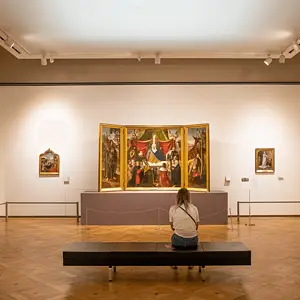
The Prado Museum, located in Madrid, Spain, also known as the Prado Art Museum, is one of the largest art museums in Spain. The museum's collection covers European paintings, sculptures, and various crafts from the 14th to the 19th century, with a wide variety of exhibits. The Prado Museum is popular among tourists for its precious artworks and rich historical background, making it one of the most popular attractions for local visitors.
1
km
2

Expansive, 19th-century park with boating lake & rose garden, plus numerous fountains & statues.
3
km
3

Circa-1916 covered market offering local food, delicacies & events in an elegant ambiance.
Day5: Toledo
2 attraction(s) ·
1 km

2
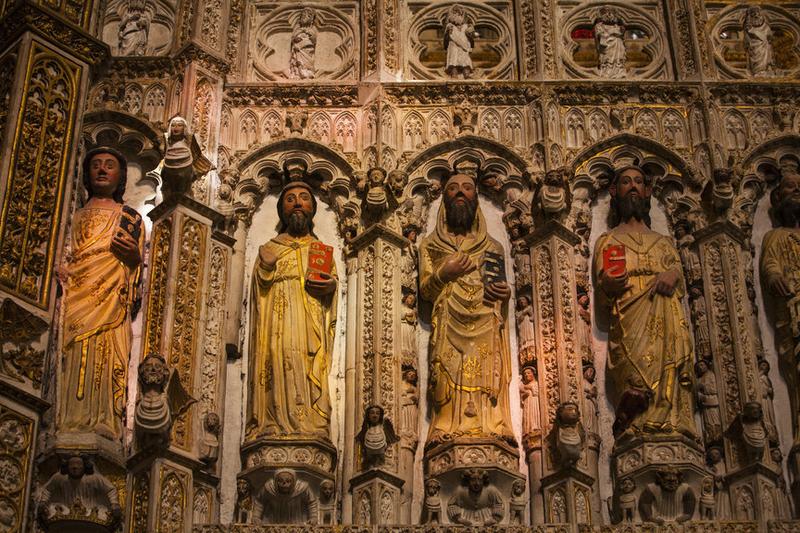
Toledo Cathedral is one of the largest Catholic cathedrals in the world, and a remarkable example of Gothic art and historical testimony. The ancient city still retains a medieval atmosphere. Toledo Cathedral is the largest church in the Catholic Church in Spain, and the second largest cathedral in Spain, starting construction in 1247 and not completing until 1493. At that time, the French Gothic architectural style was rarely used in Spanish churches, and Toledo Cathedral is a typical representative of this style. Its design inspiration comes from the Bourges Cathedral in France, although the original design intention was to cover the original mosque and sahn monastery. The cathedral also incorporates some unique features of Mudejar style, especially in the three-arched cloister multiple leafy arcades of the monastery. The perfect combination of light and dome in the cathedral is also impressive. The cathedral's building materials are made of white stone, taken from Olihuelas near Toledo.
Day6: Barcelona
1 attraction(s) ·
0 km
1
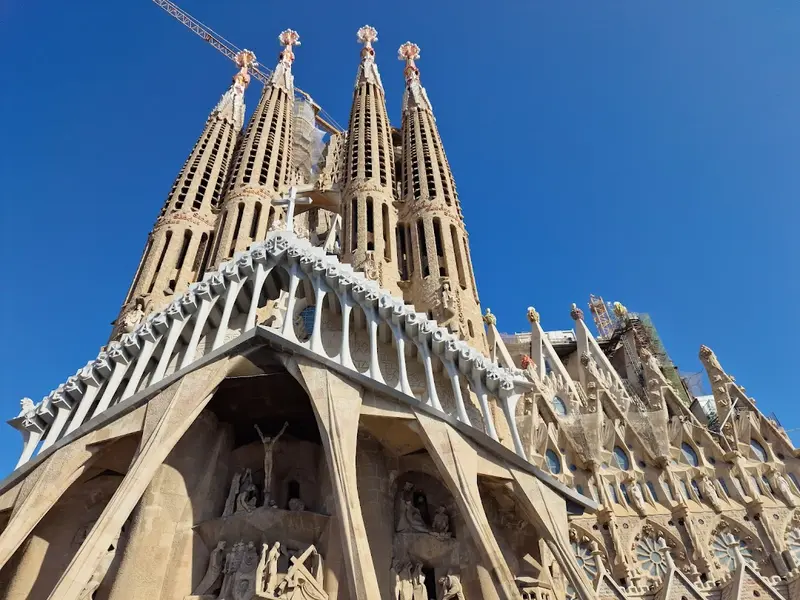
Antoni Gaudí's renowned unfinished church, started in the 1880s, with museum and city views.
Day7: Barcelona
3 attraction(s) ·
3 km
1
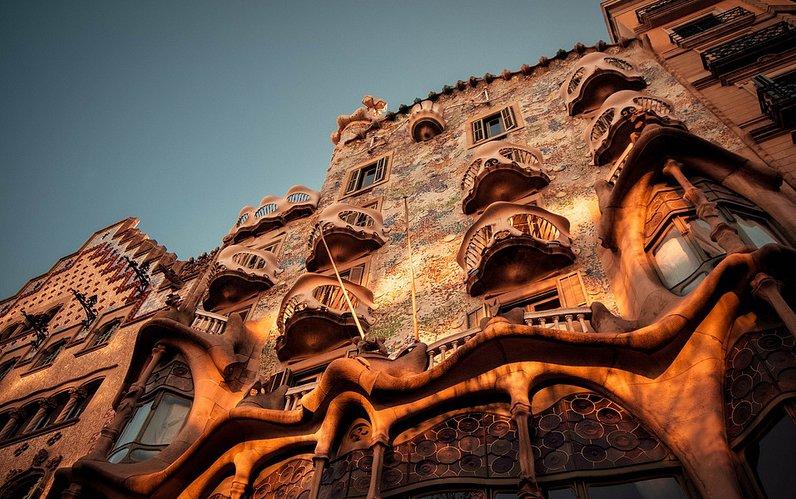
The interior design style of the Batllo House continues Gaudi's consistent style, without straight lines and sharp angles, and is full of smooth and soft wavy curves everywhere. Every small detail, from the door to the door handle to the seat, fits the human body's lines, making people feel infinitely emotional. To reach the second-floor hall, you need to pass through the exquisite wooden staircase designed by Gaudi for the Batllo House, with handrails decorated with metal ribbons, topped with an orange glass globe. The design of the hall is also full of details, with swirl-like patterns on the smooth ceiling, and you can see Gracia Street through the large windows.
The courtyard inside the building is inspired by the deep sea. Gaudi used 15,000 blue tiles of five different shades to create a pleasant light. The tiles with darker colors are closer to the top of the building, as if sinking slowly to the depths of the sea. Unlike other floors, the attic uses pure white tones and has a hanging arch structure, like a giant animal's chest and ribs, and also has the function of regulating the temperature of the entire building. Gaudi's design inspiration comes from the story of St. George slaying the dragon and rescuing the princess. The large floor-to-ceiling windows and outer pillars on the second floor are reminiscent of dragon teeth, the arrangement of the exterior roof is an imitation of the dragon's body and scales, and the cross tower on the roof imitates the holy sword inserted into the dragon's body. The spiral staircase leading to the roof is also inspired by nature, which Gaudi particularly loves. The surface of the chimney and ventilation duct on the top floor platform is made of broken porcelain collages, demonstrating Gaudi's unique artistic style.
1
km
2
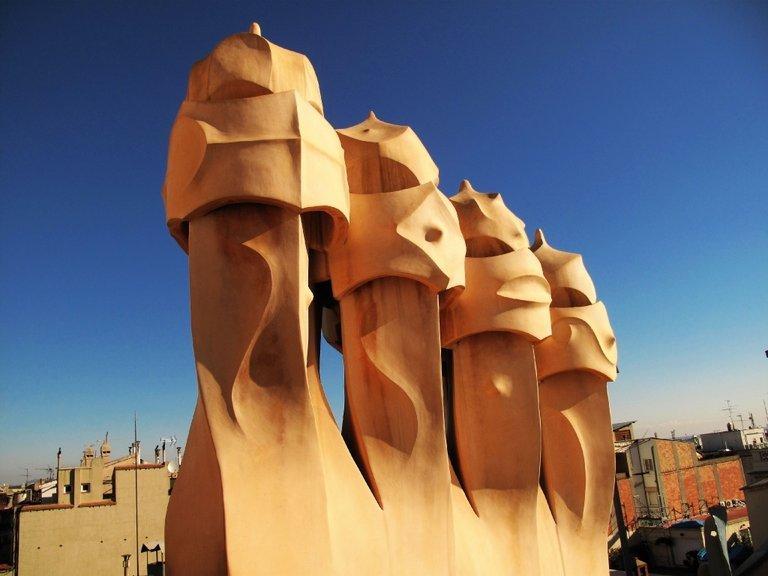
La Pedrera is the last private residence designed by Mr. Gaudi, also known as Casa Mila. It has three wavy walls and twisted iron balcony railings, as well as large windows that are very eye-catching. In 1986, Caixa de Catalunya Bank purchased Casa Mila and spent a lot of money on a comprehensive renovation. Nowadays, the first floor serves as an exhibition space for the bank foundation. The six floors, the top floor, and the roof terrace of Casa Mila are also open to the public. The building's chimney design is unique and overlooks some of the city streets and Sagrada Familia from the balcony.
3
km
3

Mosaic-covered buildings, steps & sculptures in verdant park with Gaudi museum & panoramic views.
Day8: Barcelona > Madrid
5 attraction(s) ·
510 km
1
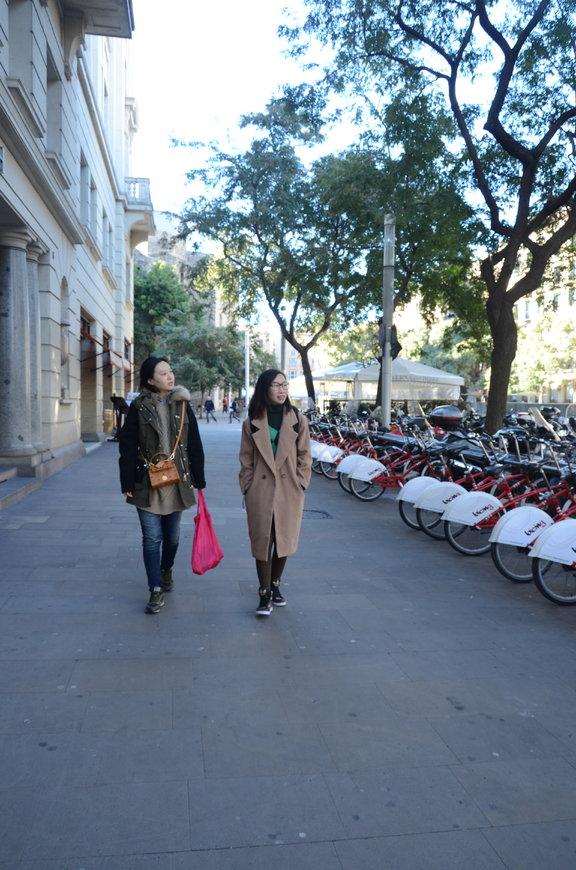
The Gothic Quarter is a neighborhood located in the old town of Barcelona, with many buildings dating back to the Middle Ages, and even some historical remains from ancient Rome. Ancient churches and royal palaces that are still in use and well-preserved are treasures of the old town. Among them, the Santa Maria Church and several newly restored palaces and mansions on Montcada Street are worth a visit. In addition, the remains of the Roman city walls are also preserved in the old town. The area is not large, so visitors can choose to walk and easily explore the entire neighborhood.
1
km
2
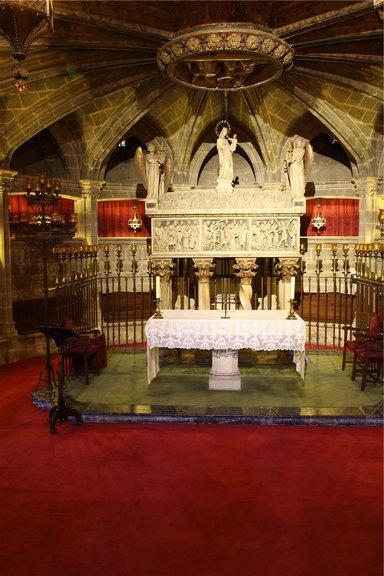
The Cathedral of St. Eulalia, located in the Gothic Quarter of Barcelona, Spain, is a Gothic-style building and is the cathedral of the Diocese of Barcelona. The construction started in the 13th century and most of the work was completed in the 14th century, with the cloister finished in 1450. A new Gothic-style facade was built in the 19th century. During Christmas, the cathedral hosts a Christmas market, featuring a Catalan tradition of handmade crafts called Caganer, which are figurines made of clay. They appear normal from the front, but have a "special" detail hidden on their backs. Barcelona also sells famous people Caganers and serves local cuisine. In the movie "Perfume," the protagonist Grenouille discovers his first prey, a fruit girl, around the Cathedral.
1
km
3
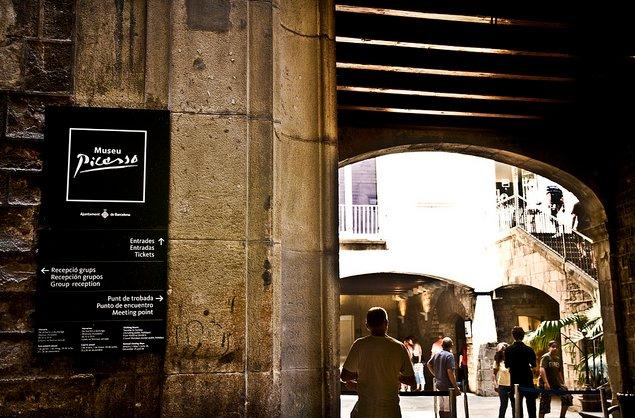
This art museum, consisting of five beautiful private houses, is located in the El Gotico old town and was once a residence of Picasso. As he became famous in France, most of his best and most mature works were scattered abroad. It was not until he became famous that Spain began to collect his early works and paintings. This museum has over 3,500 works by Picasso, including his manuscripts and some original works. In 1970, Picasso himself donated his early works and even kept his childhood drawings.
3
km
4
Antoni Gaudí's renowned unfinished church, started in the 1880s, with museum and city views.
507
km
5
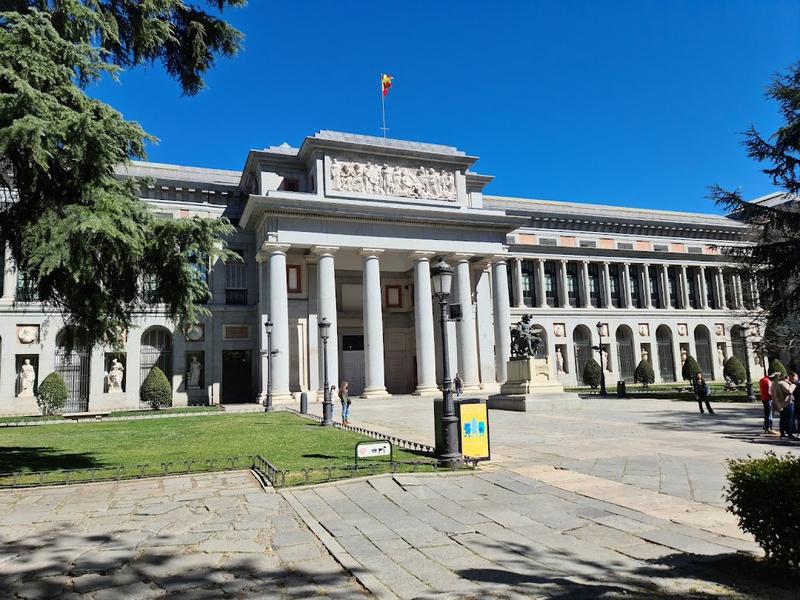
Art museum with Velazquez, Goya and El Greco masterpieces in vast 12th- to 19th-century collection.