11-Day Bavaria Self-Driving Tour Guide【Selected Attractions + Itinerary Suggestions】
11 cities |
18 attraction(s) |
total distance 8679
km
 TIPS
TIPS
Day1
Day2
Day3
Day4
Day5
Day6
Day7
Day8
Day9
Day10
Day11
Day1: Hallstatt > Berchtesgaden > Ramsau > Garmisch Partenkirchen > Augsburg > Rothenburg Ob Der Tauber > Wuerzburg
8 attraction(s) ·
487 km
1

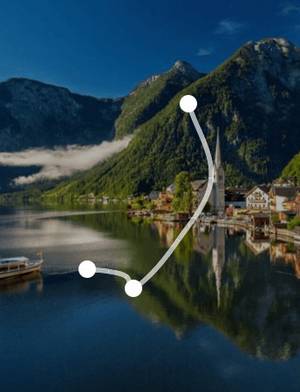
A charming village sits beside this mountain lake offering water sports, boating & nearby hiking.
3
km
2

Cavernous salt-mine museum with educational exhibits, an underground slide & a salt-lake boat ride.
51
km
3
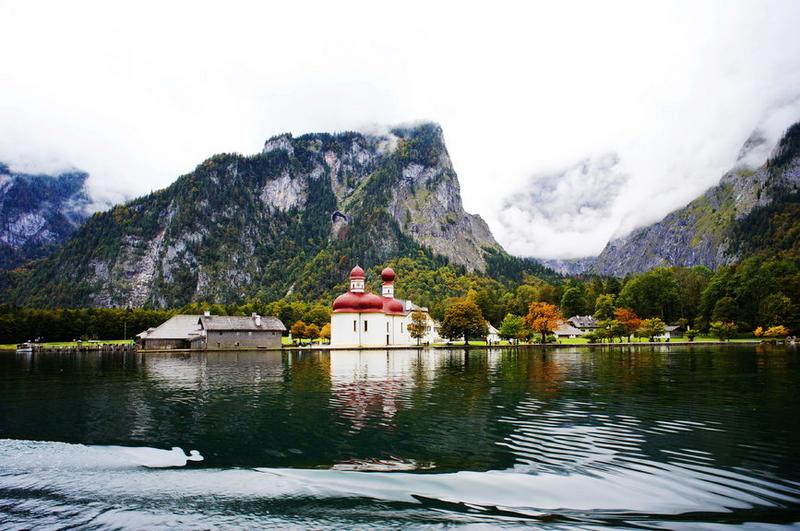
Located 5 kilometers south of the small town of Berchtesgaden on the border between Germany and Austria is Germany's deepest lake, Konigssee. It was formed by glacier erosion and is surrounded by mountains, with crystal-clear water like that of a North European fjord. The center of the lake is as flat as a mirror, reflecting the 1,885-meter-high Kehlstein mountain. The Eagles Nest guesthouse was built in 1937 as a gift for Hitler's birthday and was later used to entertain allies and the Gestapo. Today, it has become a mountaintop restaurant and observatory. Konigssee is known as the most beautiful lake in Germany, named after the shape of the surrounding peaks, such as the peaks symbolizing the king and queen, their children, and the lying witch's peak. Boating here is like entering a fairyland.
9
km
4

This picturesque Catholic church with a mountain backdrop is popular for photography.
146
km
5
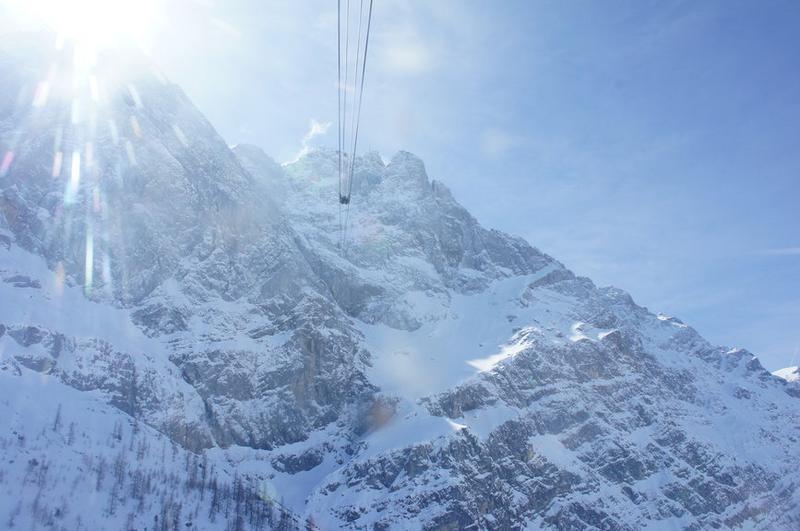
The Zugspitze is located in Germany and is the country's highest peak, reaching an elevation of 2,962 meters. Visitors who want to reach the summit can take a cogwheel train or cable car. Additionally, the area around the Zugspitze is a popular destination for skiing and hiking. While its height of 2,962 meters may not be particularly impressive in the Alps, it remains a good choice for tourists without other climbing itineraries. The summit offers majestic peaks, clouds, and a snow line, and it is also a ski resort. Furthermore, since the Zugspitze is located on the border between Germany and Austria, visitors can easily cross the border and enter Austria. The route to the summit of the Zugspitze is connected by various sections of cogwheel trains and cable cars, and the Ice Lake (Eibsee) at an altitude of 1,000 meters is also a tranquil and charming attraction.
106
km
6

17th-century Renaissance government building with opulent halls adorned with gold & artworks.
124
km
7
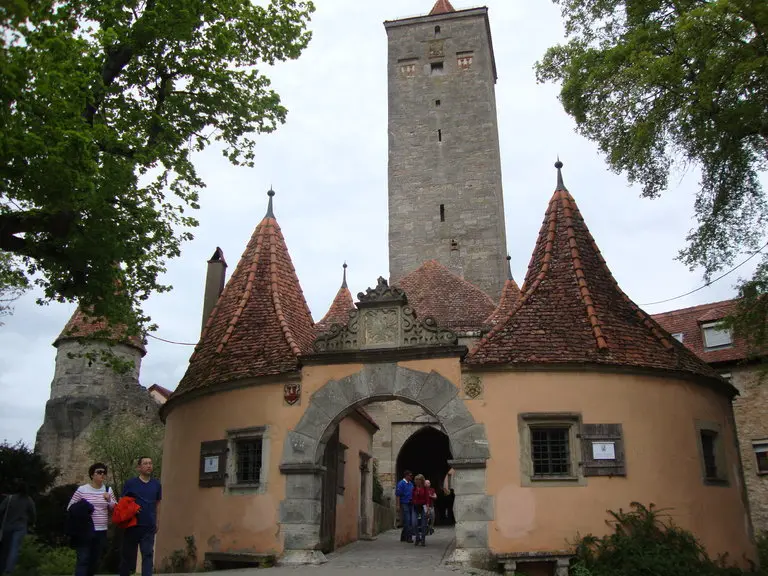
The city of Rothenburg is surrounded by medieval city walls, which are 3.5 kilometers in total length, with 2.5 kilometers accessible to visitors. Even when tourist groups reach the city square and streets, the long wooden covered walkways on the city walls remain a relatively quiet area where travelers can stroll and explore the entire city. The city walls have been restored over the past 40 years, and the names of various donors can still be seen engraved on the brick and stone walls. Donations are still ongoing, and interested individuals can inquire at the tourist center. The city walls feature various gates and towers, including the oldest White Tower (Weißer Turm), the Markus Tower (Markusturm) on the archway, the Hospital Gate (Spitaltor) with defensive fortifications, the Sieber Gate (Sieberstor) next to a beautiful street corner, and the Castle Gate (Burgtor) leading to the castle garden, each with its own unique features.
51
km
8

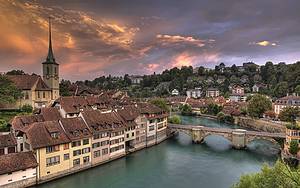
Open to pedestrians only, the city's oldest stone bridge features statues of saints & other icons.
Day2: Chiemsee > Hallstatt > Berchtesgaden > Ramsau > Garmisch Partenkirchen > Augsburg > Rothenburg Ob Der Tauber
10 attraction(s) ·
535 km
1

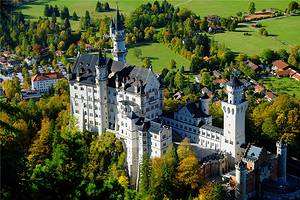
Elaborate palace begun in 1878 for Ludwig II of Bavaria & modeled on Versailles, with guided tour.
100
km
2
A charming village sits beside this mountain lake offering water sports, boating & nearby hiking.
3
km
3
Cavernous salt-mine museum with educational exhibits, an underground slide & a salt-lake boat ride.
46
km
4
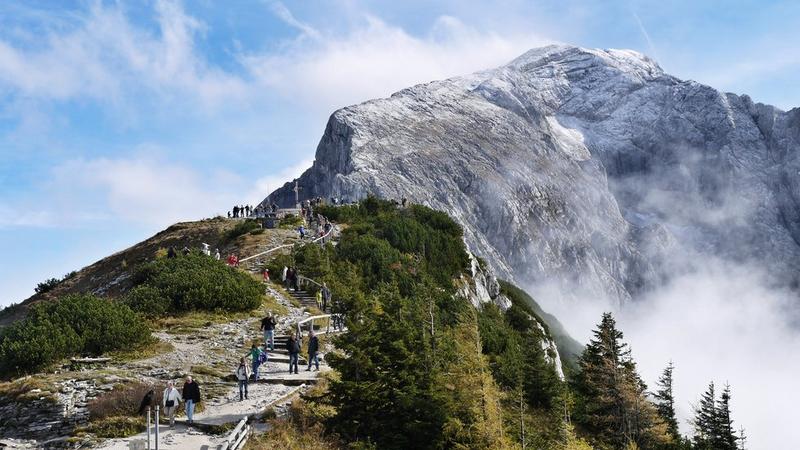
Eagle's Nest is a luxurious villa built by Adolf Hitler during the Nazi Germany era in 1939. It was used to entertain important guests. Despite being threatened by bombings towards the end of World War II, it has survived to this day. Eagle's Nest is located on the summit of the Obersalzberg mountain, providing a panoramic view of Berchtesgaden's beauty.
12
km
5
This picturesque Catholic church with a mountain backdrop is popular for photography.
146
km
6
The Zugspitze is located in Germany and is the country's highest peak, reaching an elevation of 2,962 meters. Visitors who want to reach the summit can take a cogwheel train or cable car. Additionally, the area around the Zugspitze is a popular destination for skiing and hiking. While its height of 2,962 meters may not be particularly impressive in the Alps, it remains a good choice for tourists without other climbing itineraries. The summit offers majestic peaks, clouds, and a snow line, and it is also a ski resort. Furthermore, since the Zugspitze is located on the border between Germany and Austria, visitors can easily cross the border and enter Austria. The route to the summit of the Zugspitze is connected by various sections of cogwheel trains and cable cars, and the Ice Lake (Eibsee) at an altitude of 1,000 meters is also a tranquil and charming attraction.
106
km
7
17th-century Renaissance government building with opulent halls adorned with gold & artworks.
124
km
8
The city of Rothenburg is surrounded by medieval city walls, which are 3.5 kilometers in total length, with 2.5 kilometers accessible to visitors. Even when tourist groups reach the city square and streets, the long wooden covered walkways on the city walls remain a relatively quiet area where travelers can stroll and explore the entire city. The city walls have been restored over the past 40 years, and the names of various donors can still be seen engraved on the brick and stone walls. Donations are still ongoing, and interested individuals can inquire at the tourist center. The city walls feature various gates and towers, including the oldest White Tower (Weißer Turm), the Markus Tower (Markusturm) on the archway, the Hospital Gate (Spitaltor) with defensive fortifications, the Sieber Gate (Sieberstor) next to a beautiful street corner, and the Castle Gate (Burgtor) leading to the castle garden, each with its own unique features.
1
km

10

Day3: Hallstatt > Berchtesgaden > Ramsau > Garmisch Partenkirchen > Augsburg > Rothenburg Ob Der Tauber > Nuremberg
11 attraction(s) ·
505 km
1
A charming village sits beside this mountain lake offering water sports, boating & nearby hiking.
3
km
2
Cavernous salt-mine museum with educational exhibits, an underground slide & a salt-lake boat ride.
46
km
3
Eagle's Nest is a luxurious villa built by Adolf Hitler during the Nazi Germany era in 1939. It was used to entertain important guests. Despite being threatened by bombings towards the end of World War II, it has survived to this day. Eagle's Nest is located on the summit of the Obersalzberg mountain, providing a panoramic view of Berchtesgaden's beauty.
12
km
4
This picturesque Catholic church with a mountain backdrop is popular for photography.
146
km
5
The Zugspitze is located in Germany and is the country's highest peak, reaching an elevation of 2,962 meters. Visitors who want to reach the summit can take a cogwheel train or cable car. Additionally, the area around the Zugspitze is a popular destination for skiing and hiking. While its height of 2,962 meters may not be particularly impressive in the Alps, it remains a good choice for tourists without other climbing itineraries. The summit offers majestic peaks, clouds, and a snow line, and it is also a ski resort. Furthermore, since the Zugspitze is located on the border between Germany and Austria, visitors can easily cross the border and enter Austria. The route to the summit of the Zugspitze is connected by various sections of cogwheel trains and cable cars, and the Ice Lake (Eibsee) at an altitude of 1,000 meters is also a tranquil and charming attraction.
12
km

7
17th-century Renaissance government building with opulent halls adorned with gold & artworks.
124
km
8
The city of Rothenburg is surrounded by medieval city walls, which are 3.5 kilometers in total length, with 2.5 kilometers accessible to visitors. Even when tourist groups reach the city square and streets, the long wooden covered walkways on the city walls remain a relatively quiet area where travelers can stroll and explore the entire city. The city walls have been restored over the past 40 years, and the names of various donors can still be seen engraved on the brick and stone walls. Donations are still ongoing, and interested individuals can inquire at the tourist center. The city walls feature various gates and towers, including the oldest White Tower (Weißer Turm), the Markus Tower (Markusturm) on the archway, the Hospital Gate (Spitaltor) with defensive fortifications, the Sieber Gate (Sieberstor) next to a beautiful street corner, and the Castle Gate (Burgtor) leading to the castle garden, each with its own unique features.
1
km

Day4: Hallstatt > Berchtesgaden > Ramsau > Rothenburg Ob Der Tauber
6 attraction(s) ·
341 km
1
A charming village sits beside this mountain lake offering water sports, boating & nearby hiking.
3
km
2
Cavernous salt-mine museum with educational exhibits, an underground slide & a salt-lake boat ride.
46
km
3
Eagle's Nest is a luxurious villa built by Adolf Hitler during the Nazi Germany era in 1939. It was used to entertain important guests. Despite being threatened by bombings towards the end of World War II, it has survived to this day. Eagle's Nest is located on the summit of the Obersalzberg mountain, providing a panoramic view of Berchtesgaden's beauty.
12
km
4
This picturesque Catholic church with a mountain backdrop is popular for photography.
281
km
5
The city of Rothenburg is surrounded by medieval city walls, which are 3.5 kilometers in total length, with 2.5 kilometers accessible to visitors. Even when tourist groups reach the city square and streets, the long wooden covered walkways on the city walls remain a relatively quiet area where travelers can stroll and explore the entire city. The city walls have been restored over the past 40 years, and the names of various donors can still be seen engraved on the brick and stone walls. Donations are still ongoing, and interested individuals can inquire at the tourist center. The city walls feature various gates and towers, including the oldest White Tower (Weißer Turm), the Markus Tower (Markusturm) on the archway, the Hospital Gate (Spitaltor) with defensive fortifications, the Sieber Gate (Sieberstor) next to a beautiful street corner, and the Castle Gate (Burgtor) leading to the castle garden, each with its own unique features.
1
km
Day5: Munich > Hallstatt > Berchtesgaden > Garmisch Partenkirchen > Wuerzburg > Rothenburg Ob Der Tauber
7 attraction(s) ·
699 km
1
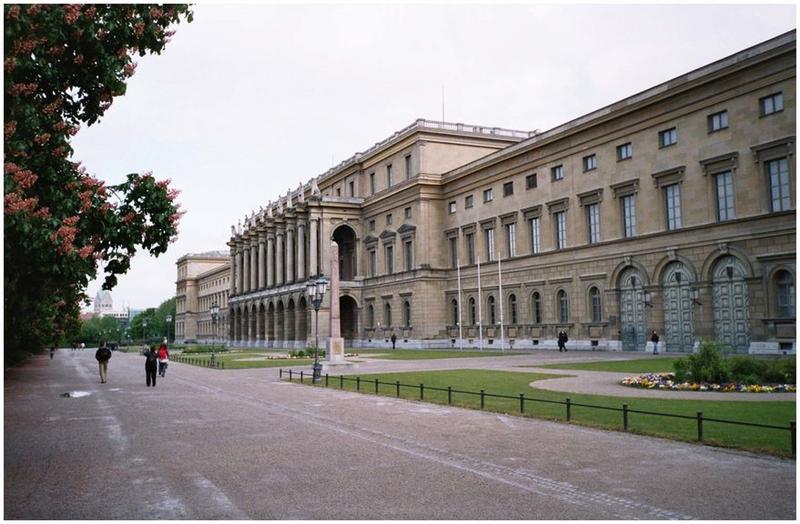
The Wittelsbach Palace in the center of Munich, Germany, was built in 1385 and has gradually expanded over time. It was the residence of the rulers, dukes, and kings of Bavaria until 1918. Today, the palace is open to visitors, showcasing its architecture, interior decorations, and royal collections. The Munich Palace consists of ten courtyards and museums, with 130 exhibition rooms. It is divided into three main parts: the King's Building (Königsbau) near Max-Joseph-Platz, the Old Residence (Alte Residenz) facing the Palace Street, and the Festsaalbau, Altes Residenztheater, and Schatzkammer facing the Palace Garden. The Palace Treasure House exhibits a remarkable collection of gold and silverware, enamel crafts, crystal, ivory products, and more, representing the heritage of royal residences over five centuries. Visitors can also admire the reconstructed King's Suite at the Palace Museum. If you plan to visit multiple attractions, it is recommended to purchase a combination ticket from the Bavarian Palace Department (refer to their website: http://www.schloesser.bayern.de/englisch/palace/objects/jahresk.htm).
169
km
2
A charming village sits beside this mountain lake offering water sports, boating & nearby hiking.
3
km
3
Cavernous salt-mine museum with educational exhibits, an underground slide & a salt-lake boat ride.
46
km
4
Eagle's Nest is a luxurious villa built by Adolf Hitler during the Nazi Germany era in 1939. It was used to entertain important guests. Despite being threatened by bombings towards the end of World War II, it has survived to this day. Eagle's Nest is located on the summit of the Obersalzberg mountain, providing a panoramic view of Berchtesgaden's beauty.
157
km
5
The Zugspitze is located in Germany and is the country's highest peak, reaching an elevation of 2,962 meters. Visitors who want to reach the summit can take a cogwheel train or cable car. Additionally, the area around the Zugspitze is a popular destination for skiing and hiking. While its height of 2,962 meters may not be particularly impressive in the Alps, it remains a good choice for tourists without other climbing itineraries. The summit offers majestic peaks, clouds, and a snow line, and it is also a ski resort. Furthermore, since the Zugspitze is located on the border between Germany and Austria, visitors can easily cross the border and enter Austria. The route to the summit of the Zugspitze is connected by various sections of cogwheel trains and cable cars, and the Ice Lake (Eibsee) at an altitude of 1,000 meters is also a tranquil and charming attraction.
276
km
6
Open to pedestrians only, the city's oldest stone bridge features statues of saints & other icons.
51
km
7
The city of Rothenburg is surrounded by medieval city walls, which are 3.5 kilometers in total length, with 2.5 kilometers accessible to visitors. Even when tourist groups reach the city square and streets, the long wooden covered walkways on the city walls remain a relatively quiet area where travelers can stroll and explore the entire city. The city walls have been restored over the past 40 years, and the names of various donors can still be seen engraved on the brick and stone walls. Donations are still ongoing, and interested individuals can inquire at the tourist center. The city walls feature various gates and towers, including the oldest White Tower (Weißer Turm), the Markus Tower (Markusturm) on the archway, the Hospital Gate (Spitaltor) with defensive fortifications, the Sieber Gate (Sieberstor) next to a beautiful street corner, and the Castle Gate (Burgtor) leading to the castle garden, each with its own unique features.
Day6: Munich > Hallstatt > Berchtesgaden > Ramsau > Garmisch Partenkirchen > Augsburg > Rothenburg Ob Der Tauber > Nuremberg
9 attraction(s) ·
669 km
1
The Wittelsbach Palace in the center of Munich, Germany, was built in 1385 and has gradually expanded over time. It was the residence of the rulers, dukes, and kings of Bavaria until 1918. Today, the palace is open to visitors, showcasing its architecture, interior decorations, and royal collections. The Munich Palace consists of ten courtyards and museums, with 130 exhibition rooms. It is divided into three main parts: the King's Building (Königsbau) near Max-Joseph-Platz, the Old Residence (Alte Residenz) facing the Palace Street, and the Festsaalbau, Altes Residenztheater, and Schatzkammer facing the Palace Garden. The Palace Treasure House exhibits a remarkable collection of gold and silverware, enamel crafts, crystal, ivory products, and more, representing the heritage of royal residences over five centuries. Visitors can also admire the reconstructed King's Suite at the Palace Museum. If you plan to visit multiple attractions, it is recommended to purchase a combination ticket from the Bavarian Palace Department (refer to their website: http://www.schloesser.bayern.de/englisch/palace/objects/jahresk.htm).
169
km
2
A charming village sits beside this mountain lake offering water sports, boating & nearby hiking.
3
km
3
Cavernous salt-mine museum with educational exhibits, an underground slide & a salt-lake boat ride.
46
km
4
Eagle's Nest is a luxurious villa built by Adolf Hitler during the Nazi Germany era in 1939. It was used to entertain important guests. Despite being threatened by bombings towards the end of World War II, it has survived to this day. Eagle's Nest is located on the summit of the Obersalzberg mountain, providing a panoramic view of Berchtesgaden's beauty.
12
km
5
This picturesque Catholic church with a mountain backdrop is popular for photography.
146
km
6
The Zugspitze is located in Germany and is the country's highest peak, reaching an elevation of 2,962 meters. Visitors who want to reach the summit can take a cogwheel train or cable car. Additionally, the area around the Zugspitze is a popular destination for skiing and hiking. While its height of 2,962 meters may not be particularly impressive in the Alps, it remains a good choice for tourists without other climbing itineraries. The summit offers majestic peaks, clouds, and a snow line, and it is also a ski resort. Furthermore, since the Zugspitze is located on the border between Germany and Austria, visitors can easily cross the border and enter Austria. The route to the summit of the Zugspitze is connected by various sections of cogwheel trains and cable cars, and the Ice Lake (Eibsee) at an altitude of 1,000 meters is also a tranquil and charming attraction.
106
km
7
17th-century Renaissance government building with opulent halls adorned with gold & artworks.
124
km
Day7: Hallstatt > Berchtesgaden > Ramsau > Garmisch Partenkirchen > Rothenburg Ob Der Tauber
6 attraction(s) ·
431 km
1
A charming village sits beside this mountain lake offering water sports, boating & nearby hiking.
3
km
2
Cavernous salt-mine museum with educational exhibits, an underground slide & a salt-lake boat ride.
46
km
3
Eagle's Nest is a luxurious villa built by Adolf Hitler during the Nazi Germany era in 1939. It was used to entertain important guests. Despite being threatened by bombings towards the end of World War II, it has survived to this day. Eagle's Nest is located on the summit of the Obersalzberg mountain, providing a panoramic view of Berchtesgaden's beauty.
12
km
4
This picturesque Catholic church with a mountain backdrop is popular for photography.
146
km
5
The Zugspitze is located in Germany and is the country's highest peak, reaching an elevation of 2,962 meters. Visitors who want to reach the summit can take a cogwheel train or cable car. Additionally, the area around the Zugspitze is a popular destination for skiing and hiking. While its height of 2,962 meters may not be particularly impressive in the Alps, it remains a good choice for tourists without other climbing itineraries. The summit offers majestic peaks, clouds, and a snow line, and it is also a ski resort. Furthermore, since the Zugspitze is located on the border between Germany and Austria, visitors can easily cross the border and enter Austria. The route to the summit of the Zugspitze is connected by various sections of cogwheel trains and cable cars, and the Ice Lake (Eibsee) at an altitude of 1,000 meters is also a tranquil and charming attraction.
226
km

Day8: Hallstatt > Berchtesgaden > Bamberg > Augsburg > Rothenburg Ob Der Tauber
5 attraction(s) ·
638 km
1
Cavernous salt-mine museum with educational exhibits, an underground slide & a salt-lake boat ride.
46
km
2
Eagle's Nest is a luxurious villa built by Adolf Hitler during the Nazi Germany era in 1939. It was used to entertain important guests. Despite being threatened by bombings towards the end of World War II, it has survived to this day. Eagle's Nest is located on the summit of the Obersalzberg mountain, providing a panoramic view of Berchtesgaden's beauty.
300
km
3

Well-preserved old town with a landmark cathedral & centuries-old half-timbered houses.
170
km
4
17th-century Renaissance government building with opulent halls adorned with gold & artworks.
124
km
5
The city of Rothenburg is surrounded by medieval city walls, which are 3.5 kilometers in total length, with 2.5 kilometers accessible to visitors. Even when tourist groups reach the city square and streets, the long wooden covered walkways on the city walls remain a relatively quiet area where travelers can stroll and explore the entire city. The city walls have been restored over the past 40 years, and the names of various donors can still be seen engraved on the brick and stone walls. Donations are still ongoing, and interested individuals can inquire at the tourist center. The city walls feature various gates and towers, including the oldest White Tower (Weißer Turm), the Markus Tower (Markusturm) on the archway, the Hospital Gate (Spitaltor) with defensive fortifications, the Sieber Gate (Sieberstor) next to a beautiful street corner, and the Castle Gate (Burgtor) leading to the castle garden, each with its own unique features.
Day9: Hallstatt > Berchtesgaden > Ramsau > Garmisch Partenkirchen > Bamberg
6 attraction(s) ·
480 km
1
A charming village sits beside this mountain lake offering water sports, boating & nearby hiking.
3
km
2
Cavernous salt-mine museum with educational exhibits, an underground slide & a salt-lake boat ride.
46
km
3
Eagle's Nest is a luxurious villa built by Adolf Hitler during the Nazi Germany era in 1939. It was used to entertain important guests. Despite being threatened by bombings towards the end of World War II, it has survived to this day. Eagle's Nest is located on the summit of the Obersalzberg mountain, providing a panoramic view of Berchtesgaden's beauty.
12
km
4
This picturesque Catholic church with a mountain backdrop is popular for photography.
146
km
5
The Zugspitze is located in Germany and is the country's highest peak, reaching an elevation of 2,962 meters. Visitors who want to reach the summit can take a cogwheel train or cable car. Additionally, the area around the Zugspitze is a popular destination for skiing and hiking. While its height of 2,962 meters may not be particularly impressive in the Alps, it remains a good choice for tourists without other climbing itineraries. The summit offers majestic peaks, clouds, and a snow line, and it is also a ski resort. Furthermore, since the Zugspitze is located on the border between Germany and Austria, visitors can easily cross the border and enter Austria. The route to the summit of the Zugspitze is connected by various sections of cogwheel trains and cable cars, and the Ice Lake (Eibsee) at an altitude of 1,000 meters is also a tranquil and charming attraction.
275
km
6
Well-preserved old town with a landmark cathedral & centuries-old half-timbered houses.
Day10: Hallstatt > Berchtesgaden > Ramsau > Garmisch Partenkirchen > Rothenburg Ob Der Tauber
6 attraction(s) ·
430 km
1
A charming village sits beside this mountain lake offering water sports, boating & nearby hiking.
3
km
2
Cavernous salt-mine museum with educational exhibits, an underground slide & a salt-lake boat ride.
46
km
3
Eagle's Nest is a luxurious villa built by Adolf Hitler during the Nazi Germany era in 1939. It was used to entertain important guests. Despite being threatened by bombings towards the end of World War II, it has survived to this day. Eagle's Nest is located on the summit of the Obersalzberg mountain, providing a panoramic view of Berchtesgaden's beauty.
12
km
4
This picturesque Catholic church with a mountain backdrop is popular for photography.
146
km
5
The Zugspitze is located in Germany and is the country's highest peak, reaching an elevation of 2,962 meters. Visitors who want to reach the summit can take a cogwheel train or cable car. Additionally, the area around the Zugspitze is a popular destination for skiing and hiking. While its height of 2,962 meters may not be particularly impressive in the Alps, it remains a good choice for tourists without other climbing itineraries. The summit offers majestic peaks, clouds, and a snow line, and it is also a ski resort. Furthermore, since the Zugspitze is located on the border between Germany and Austria, visitors can easily cross the border and enter Austria. The route to the summit of the Zugspitze is connected by various sections of cogwheel trains and cable cars, and the Ice Lake (Eibsee) at an altitude of 1,000 meters is also a tranquil and charming attraction.
225
km
6
The city of Rothenburg is surrounded by medieval city walls, which are 3.5 kilometers in total length, with 2.5 kilometers accessible to visitors. Even when tourist groups reach the city square and streets, the long wooden covered walkways on the city walls remain a relatively quiet area where travelers can stroll and explore the entire city. The city walls have been restored over the past 40 years, and the names of various donors can still be seen engraved on the brick and stone walls. Donations are still ongoing, and interested individuals can inquire at the tourist center. The city walls feature various gates and towers, including the oldest White Tower (Weißer Turm), the Markus Tower (Markusturm) on the archway, the Hospital Gate (Spitaltor) with defensive fortifications, the Sieber Gate (Sieberstor) next to a beautiful street corner, and the Castle Gate (Burgtor) leading to the castle garden, each with its own unique features.
Day11: Hallstatt > Berchtesgaden > Ramsau > Garmisch Partenkirchen > Wuerzburg > Rothenburg Ob Der Tauber > Nuremberg > Bamberg
9 attraction(s) ·
646 km
1
A charming village sits beside this mountain lake offering water sports, boating & nearby hiking.
3
km
2
Cavernous salt-mine museum with educational exhibits, an underground slide & a salt-lake boat ride.
46
km
3
Eagle's Nest is a luxurious villa built by Adolf Hitler during the Nazi Germany era in 1939. It was used to entertain important guests. Despite being threatened by bombings towards the end of World War II, it has survived to this day. Eagle's Nest is located on the summit of the Obersalzberg mountain, providing a panoramic view of Berchtesgaden's beauty.
12
km
4
This picturesque Catholic church with a mountain backdrop is popular for photography.
146
km
5
The Zugspitze is located in Germany and is the country's highest peak, reaching an elevation of 2,962 meters. Visitors who want to reach the summit can take a cogwheel train or cable car. Additionally, the area around the Zugspitze is a popular destination for skiing and hiking. While its height of 2,962 meters may not be particularly impressive in the Alps, it remains a good choice for tourists without other climbing itineraries. The summit offers majestic peaks, clouds, and a snow line, and it is also a ski resort. Furthermore, since the Zugspitze is located on the border between Germany and Austria, visitors can easily cross the border and enter Austria. The route to the summit of the Zugspitze is connected by various sections of cogwheel trains and cable cars, and the Ice Lake (Eibsee) at an altitude of 1,000 meters is also a tranquil and charming attraction.
276
km
6
Open to pedestrians only, the city's oldest stone bridge features statues of saints & other icons.
50
km

9
Well-preserved old town with a landmark cathedral & centuries-old half-timbered houses.