8-Day Free Travel in Switzerland: Enjoy the Alps and Lake Scenery!
9 cities |
20 attraction(s) |
total distance 582
km
 TIPS
TIPS
Day1
Day2
Day3
Day4
Day5
Day6
Day7
Day8
Day1: Zurich
1 attraction(s) ·
0 km

Day2: Kriens-Luzern
3 attraction(s) ·
3 km
1
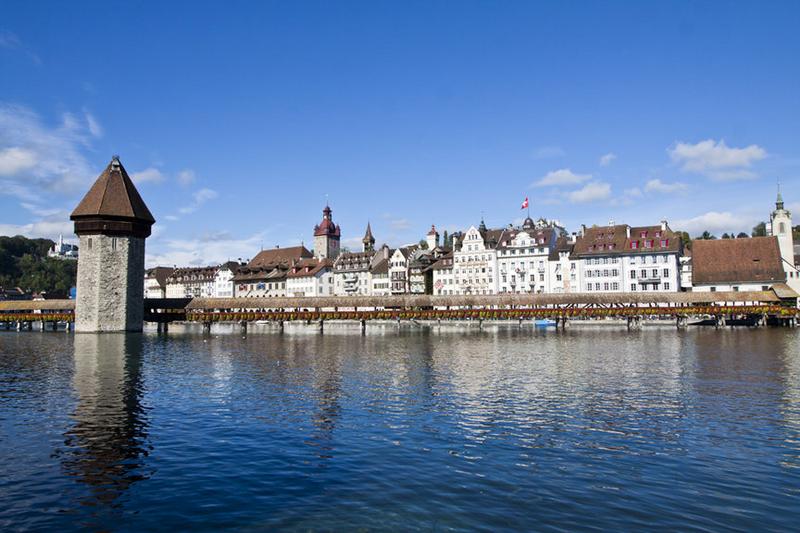
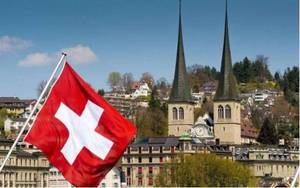
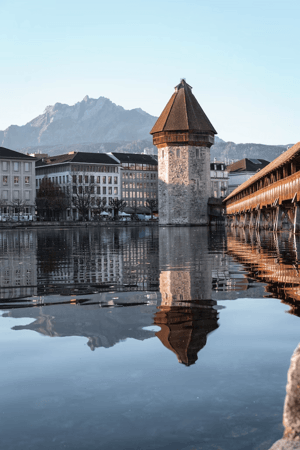
The Kapellbrücke is a 204-meter (670-foot) wooden covered bridge that spans the Reuss River at the outlet of Lake Lucerne in Switzerland. It is a famous tourist attraction and landmark of Lucerne. The bridge was built in 1333 for defense purposes and is brown in color with a red roof. It houses approximately 120 paintings from the 17th century depicting the history of Lucerne. However, most of the bridge was destroyed in a ship collision in 1993, but was quickly rebuilt to its original form. The current bridge is a reconstruction built after 1993. In the middle of the bridge is an octagonal water tower that is 140 feet tall and was historically used as a prison, torture chamber, lookout and treasury. On the north bank of the Kapellbrücke is the St. Peter's Church, which is why it is commonly called the "Church Bridge".
1
km
2
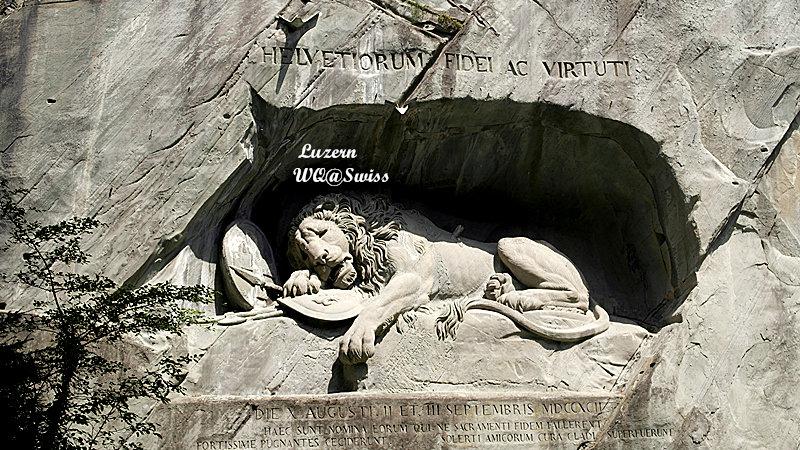
This dying lion statue, measuring 10 meters long and over 3 meters tall, was carved by a Danish sculptor in 1821 on natural rock. The statue depicts a suffering lion lying on the ground with a broken spear through its shoulder, next to a shield adorned with the Swiss coat of arms. The purpose of the statue was to commemorate the 786 Swiss mercenaries who sacrificed themselves on August 10, 1792, to protect the safety of the Louis XVI family inside the Tuileries Palace in Paris. There is also a description of the event inscribed below the statue.
At the time, Switzerland was a poor and backward country, and many men became mercenaries in various European countries to make a living. Swiss mercenaries were loyal to their employers and were brave warriors. However, the brutality of the mercenary system is often masked by honor and money. After this event, Switzerland stopped exporting mercenaries, leaving only the famous Swiss Guard to serve the Vatican.
Due to its depiction of loyalty and bravery, the Swiss Guard of the Vatican has been in service to this day. Mark Twain later came to Lucerne and praised this "the most tragic and touching statue in the world," which has been engraved in people's hearts ever since.
2
km
3
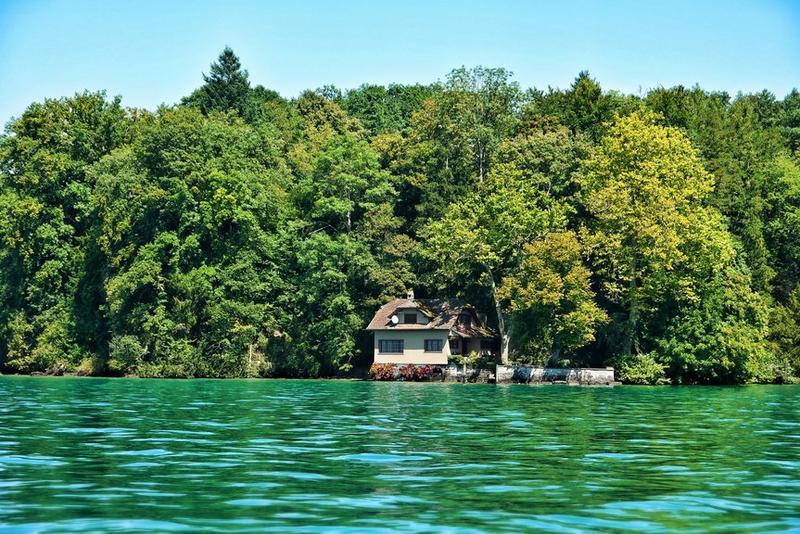
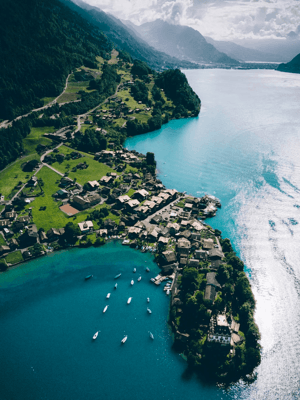
Lake Lucerne is located in central Switzerland, surrounded by four cantons: Lucerne, Uri, Schwyz, and Unterwalden. The lake covers an area of approximately 115.2 km², making it Switzerland's fifth-largest lake. It is irregularly shaped due to its surrounding Alpine mountains. The first river to flow into the lake is the Reuss River, which enters Lake Lucerne in Flüelen in the canton of Uri. The portion within Uri is called Urnersee. The lake then merges with the Muota River in the canton of Schwyz and turns east-west. The Engelberger Aa River flows from the half-canton of Unterwalden and turns the lake to the north, where it suddenly narrows before widening again upon entering Lucerne. The lake forms a cross shape, with the southwestern wing flowing from the Sarner Aa River in the half-canton of Obwalden and the northeastern wing protruding into the canton of Schwyz. Finally, the lake's waters flow out of Lucerne city via the Reuss River. The lake's picturesque scenery, surrounded by high mountains like Pilatus, Stanserhorn, and Rigi, makes it a popular tourist destination. There are many hotels and resorts along the shore, and visitors can take a leisurely drive around the lake. Alternatively, several ferry routes that connect the lake's major towns provide another option for visitors.
Day3: Kriens-Luzern > Interlaken > Crans-Montana
3 attraction(s) ·
100 km
3

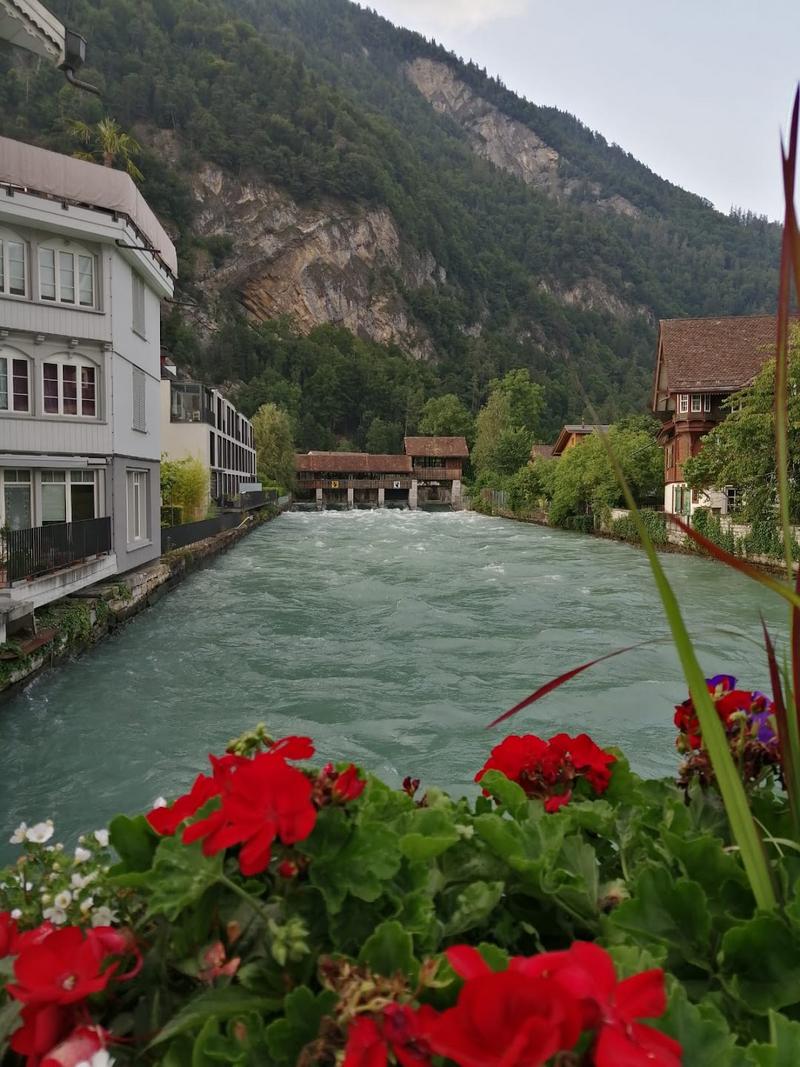
This small wooden cabin is built halfway up Mount Berva, allowing visitors to experience the livestock life of the 1930s. In addition to gaining historical knowledge, visitors can also taste the cheese and wine produced here and experience the local customs.
Day4: Zermatt
4 attraction(s) ·
26 km
2
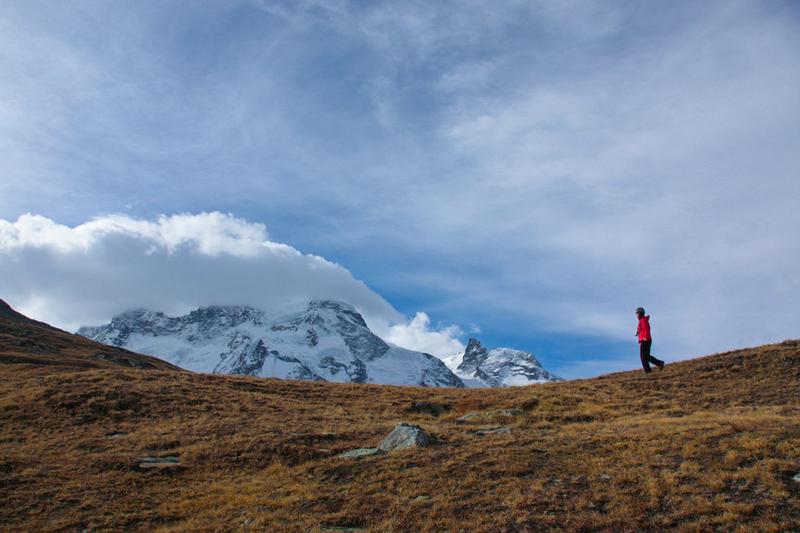
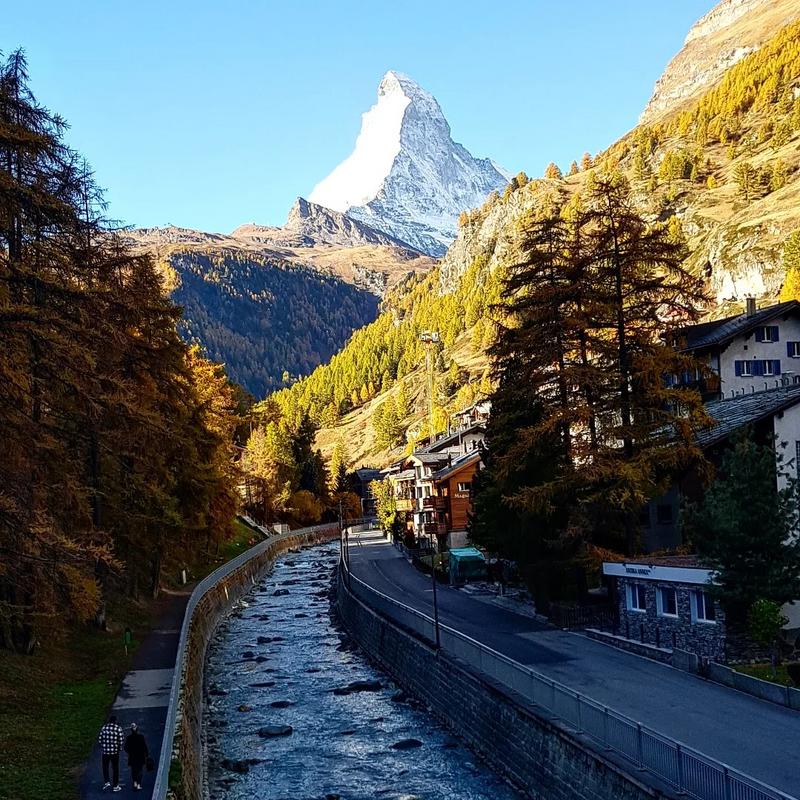
Matterhorn is the most important tourist attraction in the Zermatt region and a symbol of the Alps. Despite its relatively low altitude in the Alpine region, it is famous for its unique conical shape, steep cliffs, and towering presence reaching into the blue sky. The mountain is also one of the most difficult peaks to climb in the Alps. The image of Matterhorn often appears on packaging or logos, but some confuse it with the Artesonraju peak in Paramount Pictures' logo. In 2001, Matterhorn became twinned with the Yulong Snow Mountain in Lijiang, Yunnan, China, showcasing the friendship between two magnificent mountains.
8
km
3

Matterhorn Glacier Paradise, located at the summit, allows you to enjoy breathtaking views in 360 degrees. Here, you can also admire various scenes adorned with white snow, creating awe-inspiring and beautiful landscapes before your eyes.
10
km
4

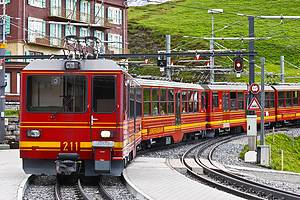
This Alpine railway rises 10,000 feet & passes through wildlife-rich terrain with glaciers & lakes.
Day5: Zermatt
2 attraction(s) ·
0 km
Day6: Montreux
3 attraction(s) ·
5 km

2
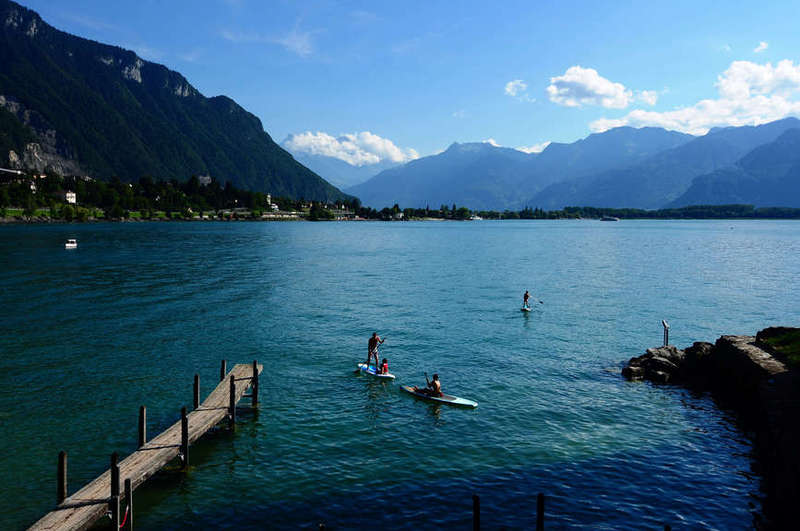
Chillon Castle is located in the eastern part of Montreux, Switzerland. Although the castle itself is not striking, it retains the characteristics of medieval architecture, providing a sense of security. Chillon Castle is in a prime location, situated on the shores of Lake Geneva and at the foot of the Alps, making it Switzerland's most famous castle and even a symbol of Switzerland. To get to Chillon Castle from Montreux, you can take a car or walk along the lakeside path towards the east for about 4 kilometers, which takes about 40 minutes. In addition, Chillon Castle frequently hosts literary performances, exhibitions and themed parties, so check the official website for activity schedules. The Swiss government and people's protection of the natural and cultural environment is also one of the reasons why the castle has become a famous attraction for those who care about the environment.
3
km
3
Day7: Bern
3 attraction(s) ·
2 km
1
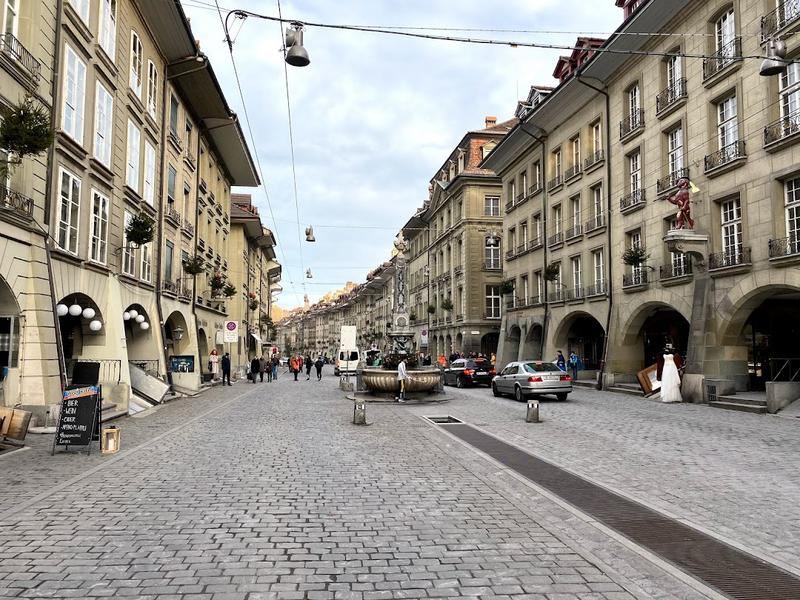
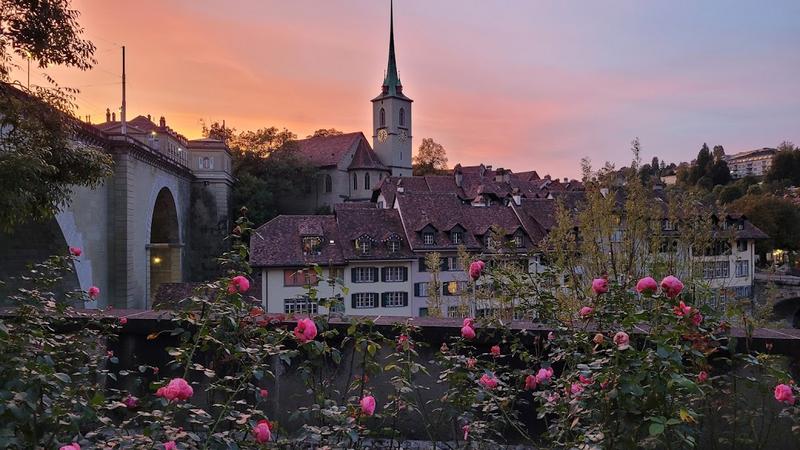
UNESCO World Heritage Site with arcaded walkways, fountains & Switzerland's tallest cathedral.
1
km
2
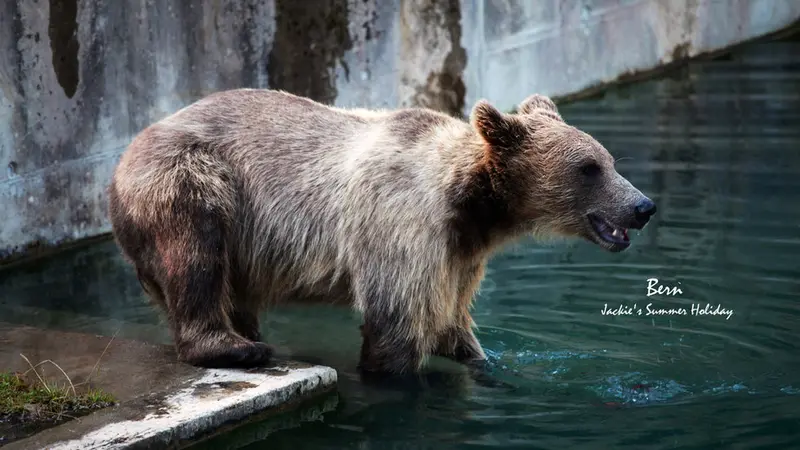
The Bear Park, located in the Old Town district, was officially completed on October 25, 2009 and is the home of bears that symbolize the city of Bern. The park covers an area of 6,000 square meters and provides an open and natural space next to the water for the bears to play and live comfortably. Legend has it that the Duke of Zähringen caught a bear here during his first hunt, and the German word for bear is "Bär," which is why the city was named Bern.
1
km
3

Gothic cathedral topped with 100m-high spire, known for its 1400s stained glass & sculptured portal.
Day8: Bern > Zurich > murten > haut-vully
4 attraction(s) ·
218 km

4

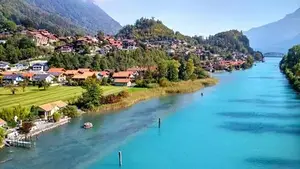
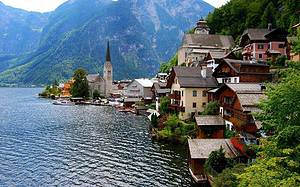
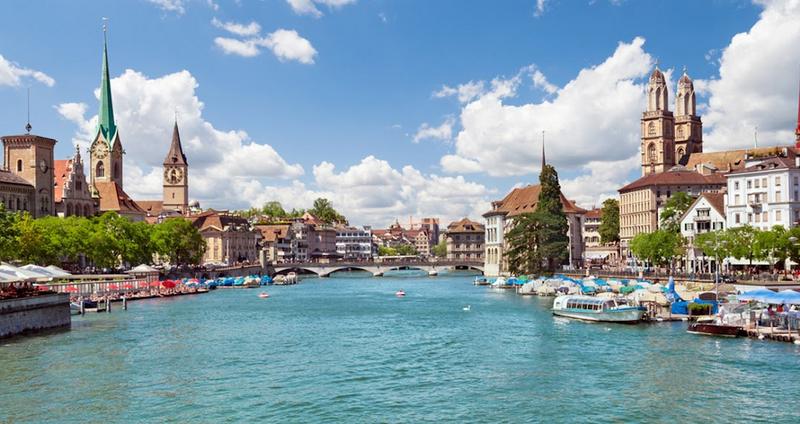
Small lake with boat trips, water sports & a promenade, located next to a quaint medieval town.