8-Day Swiss Tour: Revel in the Charm of Nature, History, and Cities!
8 cities |
21 attraction(s) |
total distance 495
km
 TIPS
TIPS
Day1
Day2
Day3
Day4
Day5
Day6
Day7
Day8
Day1: Zurich > Winterthur
3 attraction(s) ·
43 km
1
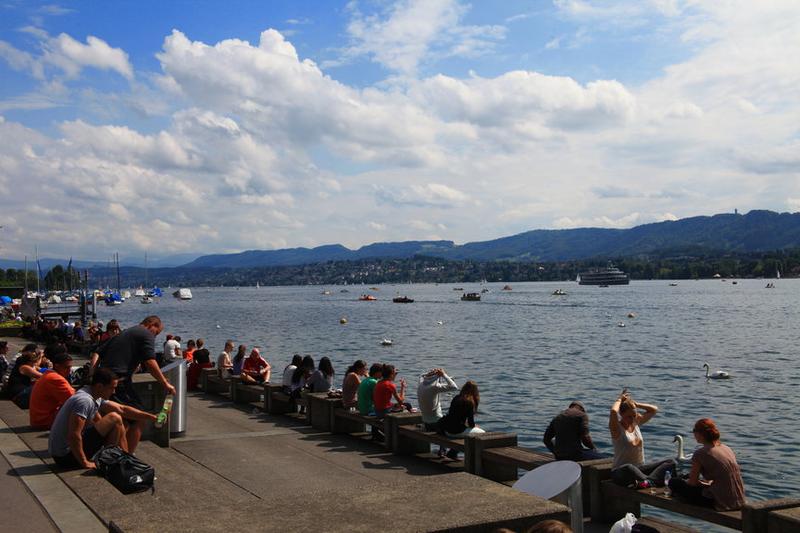
The glacial Lake of Switzerland is located in the northeast of the plateau and extends southeastward from the city of Zurich. The lake is at an altitude of 406 meters and has a crescent shape, stretching 29 kilometers from southeast to northwest, with a maximum width of about 4 kilometers and a minimum width of only 1 kilometer. The lake covers an area of 88 square kilometers, with the northwest being deeper, reaching a maximum depth of 143 meters, while the southeast is relatively shallow.
The surrounding terrain of the lake is gentle and is often covered with vineyards and orchards. When looking south, the beautiful Alps can be seen. The lake is home to a large number of water birds, and signs have been set up along the shore for people to observe them. The most famous and easily identifiable species of water bird is the swan, with its snow-white body and plump appearance unmatched by other water birds.
Pigeons and seagulls can often be seen gathered together by the lake, sometimes soaring in the air, sometimes playing with swans on the water's surface and sometimes flapping their wings to forage at the lakeside. Tourists by the lake always attract a large number of seabirds, which compete to divide the food. The unique scene of people and birds living in harmony by the lake forms a unique landscape.
22
km
2

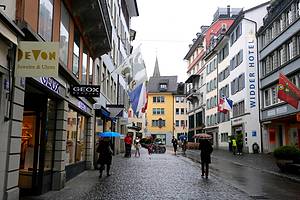
The street in front of Winterthur train station is also called "Bahnhof", both because "Bahnhof" means "train station" in German, and because it is the location of the train station. Although smaller than Zurich, you can still enjoy bustling restaurants and shopping centers after leaving the train station. It should be noted that many shops are closed on Sundays.
22
km
3

The Old Botanical Garden in Zurich is a historic attraction located in the city center. Built in 1642, it is one of the important remnants of Baroque defensive structures. Despite being situated on the other side of the river from the newer buildings, it is very close to many places in the city center. However, due to its historic nature, tourists often overlook this place.
Day2: Luzern
3 attraction(s) ·
2 km
1
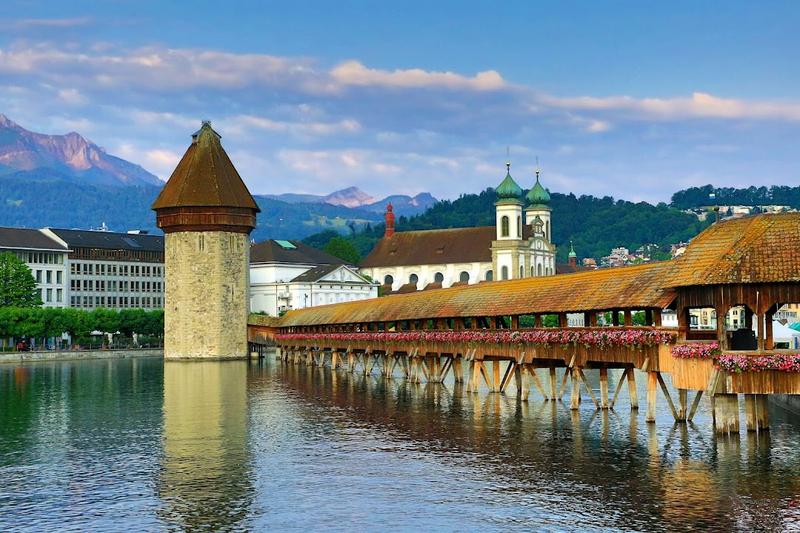
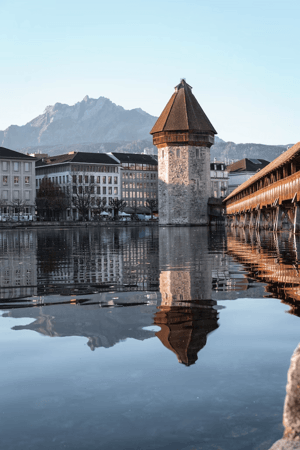
Landmark 1300s wooden bridge with grand stone water tower & a roof decorated with 17th-century art.
1
km
2

The monument of a dying lion carved in a rock face & dedicated to the 1792 Tuileries war heroes.
1
km
3

This bridge spans the intersection of the Royce River and Lucerne Lake, and is one of the most important transportation hubs on both sides of the north and south. On both sides of the bridge are the most important sights of Lucerne, such as the Chapel Bridge, the Christian Church, the train station, and the pier.
Day3: Interlaken
2 attraction(s) ·
19 km
1
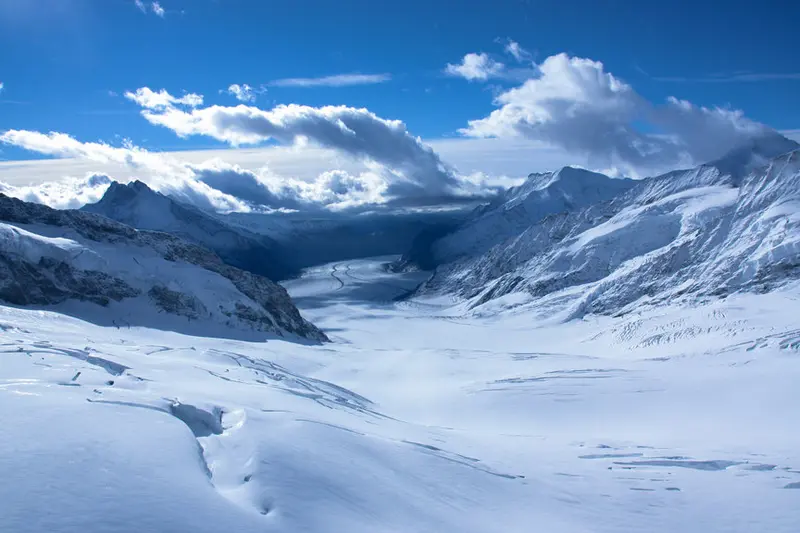
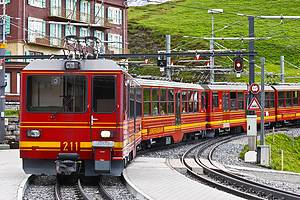
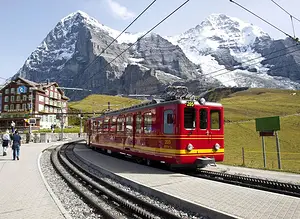
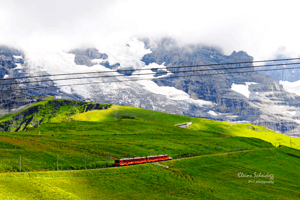
The Jungfrau, located in the Bernese Highlands, is one of the most famous mountains in Switzerland and one of the most charming landscapes in the area. It has a friendly relationship with the Yellow Mountains in Anhui, China and is greatly favored by Chinese tourists. The Jungfraujoch Railway was opened nearly 100 years ago, taking visitors to Europe's highest railway station, the Jungfraujoch station at an altitude of 3454 meters, where there are restaurants and other services. Here, you can visit the super ice palace and explore the world inside the glacier, while enjoying the spectacular panorama of the Alps from the Sphinx and Platt viewing platforms. Additionally, you can also play to your heart's content in the glacial snowfields.
In 2001, this area was listed as a world natural heritage site by UNESCO, attracting even more attention. At an altitude of 3571 meters on the Sphinx viewing platform, you can take Switzerland's fastest elevator and enjoy the spectacular panorama of the Alps, including the Aletsch Glacier, 24 kilometers in length and the longest glacier in the Alps, in view of the landscapes of the Bern, Valais, and Rütli mountains. On clear days, you can also see the Black Forest in Germany.
19
km
Day4: Zermatt
2 attraction(s) ·
9 km
1
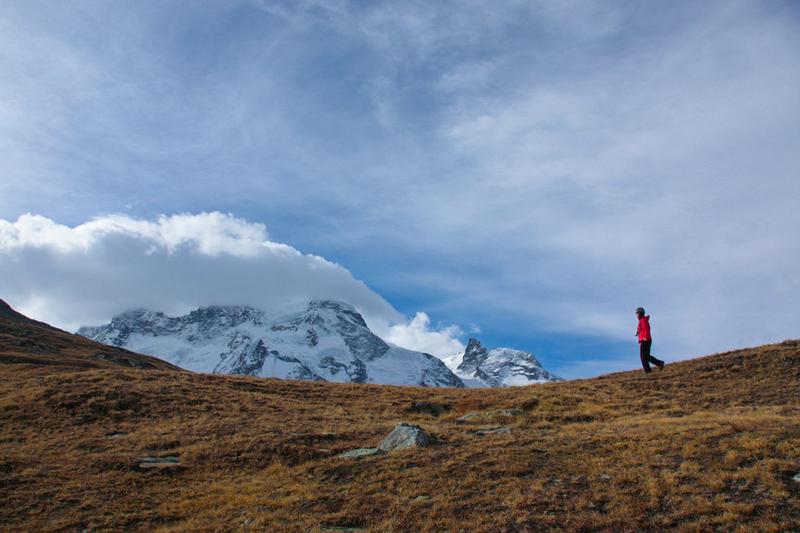
Matterhorn is the most important tourist attraction in the Zermatt region and a symbol of the Alps. Despite its relatively low altitude in the Alpine region, it is famous for its unique conical shape, steep cliffs, and towering presence reaching into the blue sky. The mountain is also one of the most difficult peaks to climb in the Alps. The image of Matterhorn often appears on packaging or logos, but some confuse it with the Artesonraju peak in Paramount Pictures' logo. In 2001, Matterhorn became twinned with the Yulong Snow Mountain in Lijiang, Yunnan, China, showcasing the friendship between two magnificent mountains.
9
km
2

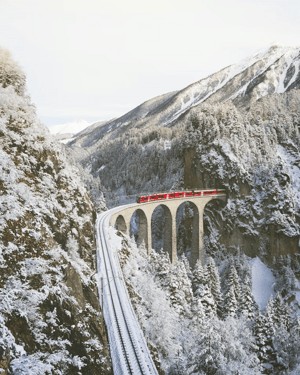
This Alpine railway rises 10,000 feet & passes through wildlife-rich terrain with glaciers & lakes.
Day5: Bern
3 attraction(s) ·
2 km
1
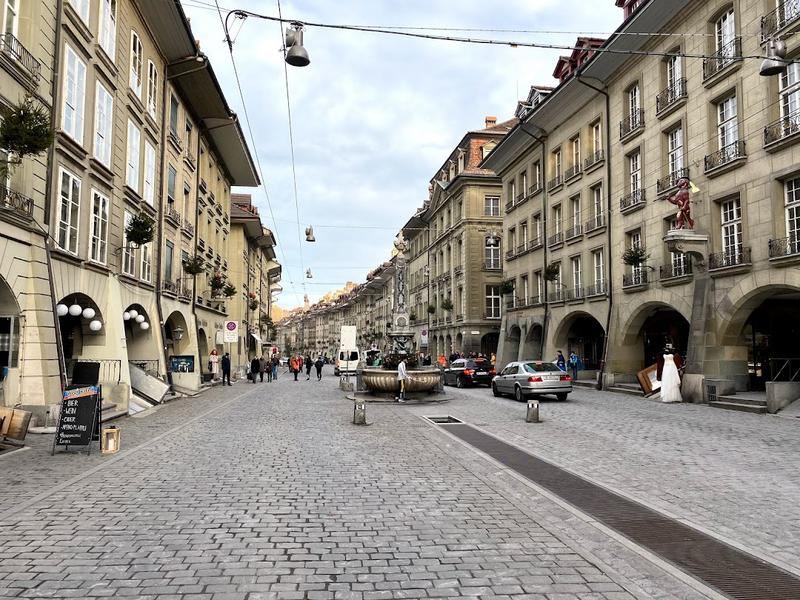
UNESCO World Heritage Site with arcaded walkways, fountains & Switzerland's tallest cathedral.
1
km
2
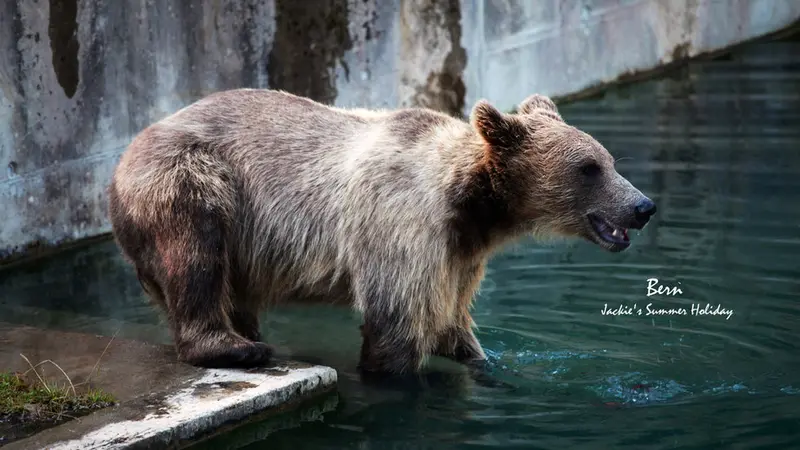
The Bear Park, located in the Old Town district, was officially completed on October 25, 2009 and is the home of bears that symbolize the city of Bern. The park covers an area of 6,000 square meters and provides an open and natural space next to the water for the bears to play and live comfortably. Legend has it that the Duke of Zähringen caught a bear here during his first hunt, and the German word for bear is "Bär," which is why the city was named Bern.
1
km
3
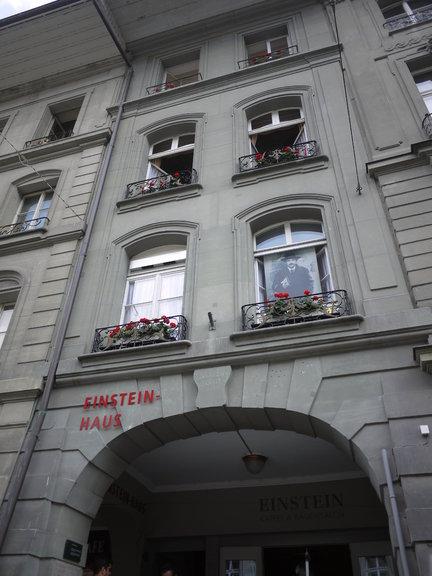
From 1902 to 1909, the world-renowned scientist Einstein lived in Bern and during this period he published the theory of relativity. His former residence has now become a museum open to the public, perfectly preserving the appearance of that time.
Day6: Lausanne
3 attraction(s) ·
3 km
1

Towering 1100s Gothic cathedral, known for its ornate painted portal, belfry & vibrant rose window.
2
km
2
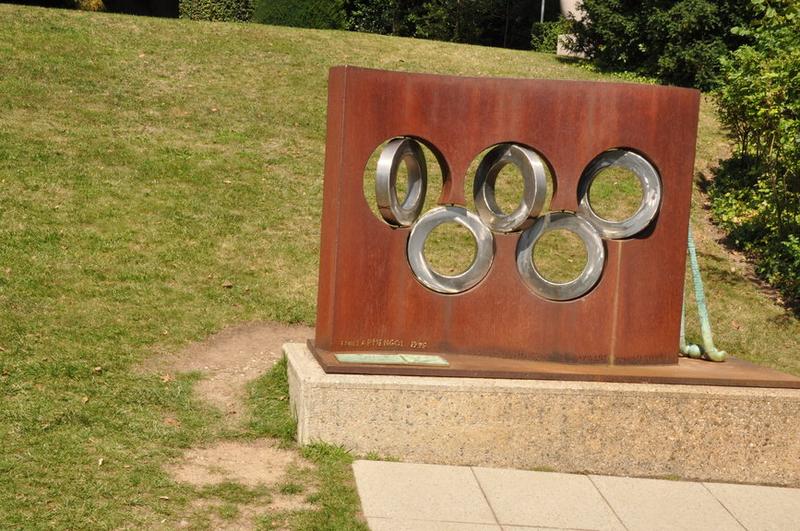
The world's largest Olympic competition information center, which we know as the museum, opened to the public in 1993. In various forms such as art, literature, and film, it showcases the history of Olympic sports from ancient Greece to modern times, ingeniously combining sports, art, Olympic spirit, and culture. The museum exhibition area is 3,400 square meters, and its permanent and temporary exhibits present unforgettable historical moments with unique charm. Additionally, the museum serves as an international preservation and research center.
Currently, the museum is closed due to extensive renovations and modernization, and it is expected to reopen by the end of 2013. During this time, visitors can enjoy free access to some of the museum's collection by visiting the "Helvétie" boat, located opposite the museum's Olympic fountain.
1
km
3

Day7: Geneva
3 attraction(s) ·
4 km
1
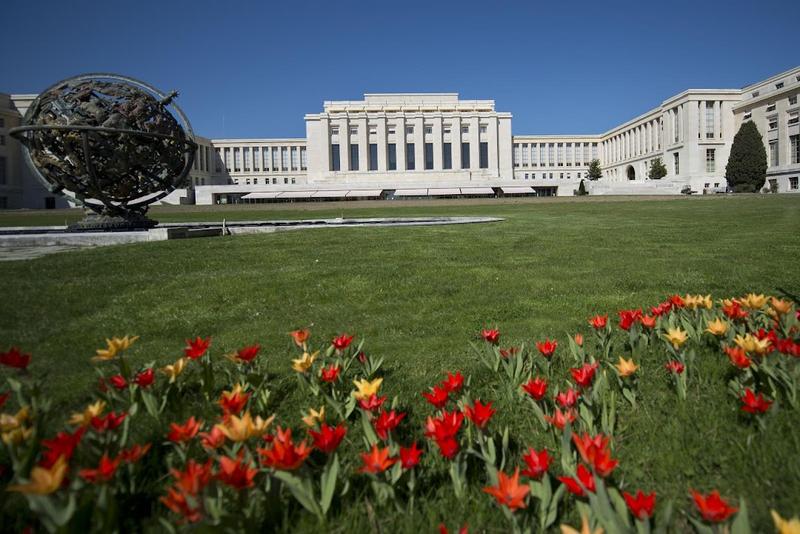
United Nations office complex set in a park near the lake, with tours in many languages.
3
km
2
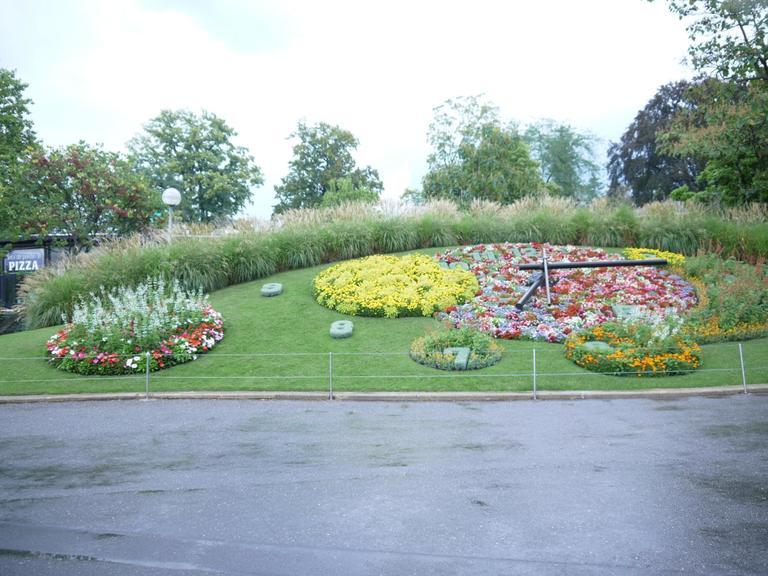
The Flower Clock is one of the famous attractions in Switzerland, located on the west side of the English Garden in Geneva. The fusion of Swiss flower and clockmaking technology has become this exquisite and innovative landscape. Built in 1955, the Flower Clock is an important landmark on the shore of Lake Leman and a symbol of the Swiss watch industry. Horticulturists plant different flowers according to the seasons, allowing the large flower clock to show different colors and patterns. The circumference of the clock is 15.7 meters, the diameter is 5 meters, and it has the world's longest second hand, up to 2.5 meters, with each scale distance of 27 centimeters. Whether it is sunny or rainy, the Flower Clock can accurately tell time.
1
km
3
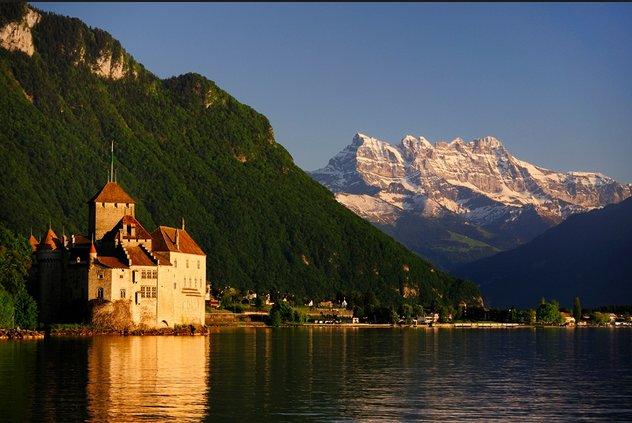
The surroundings of Lake Geneva are beautiful, perfect for strolling along the lake shore or experiencing the pleasure of boating.
Day8: Geneva
2 attraction(s) ·
1 km
1
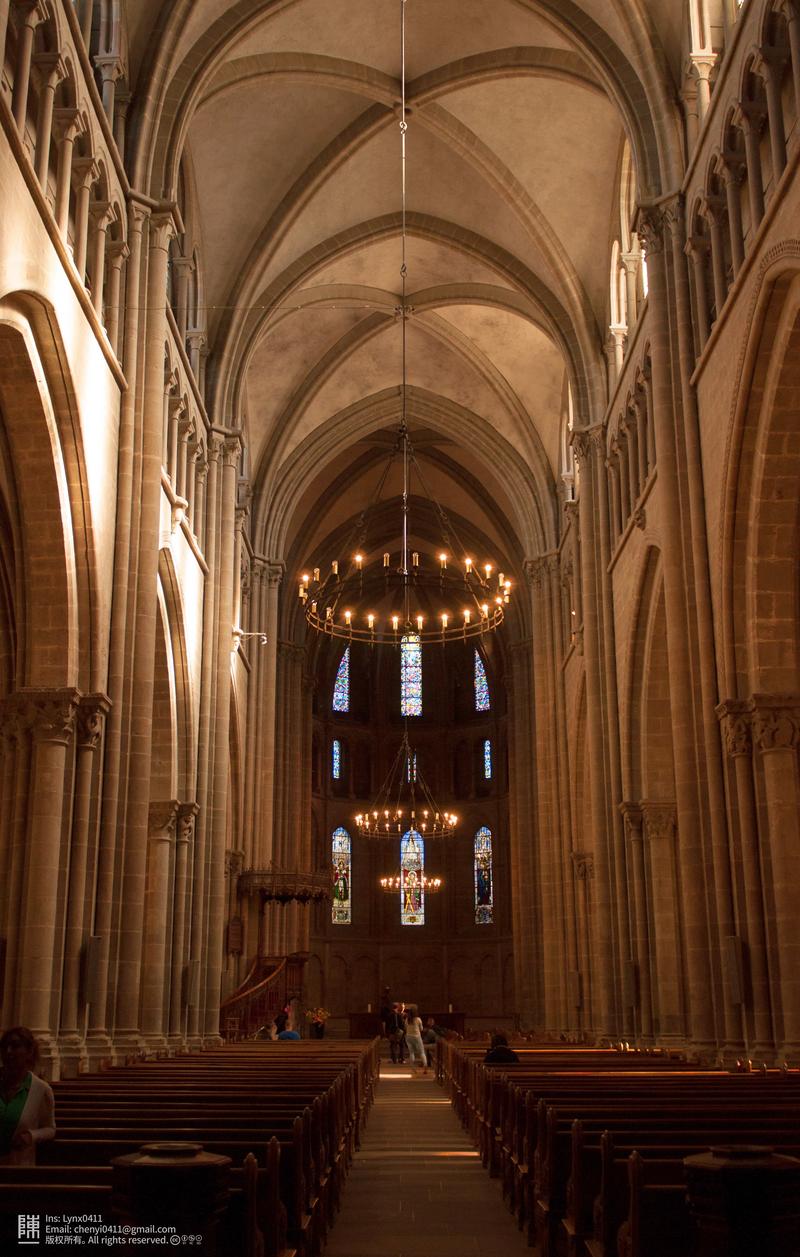
One of the most iconic city landmarks in Geneva is the Saint-Pierre Cathedral in the Old Town, with its towering green spire visible from afar. This historic church dates back to the 12th and 13th centuries, with archaeologists discovering artifacts from the 4th century beneath the church, adding to its mystique. The cathedral features Gothic arches, while the white pillars and dome adopt a Romanesque style. Despite its grand and solemn exterior, the interior is dimly lit and plain. Visitors can enter for free and are also allowed to take photos inside. Alongside the Jet d'Eau on Lake Leman, the Saint-Pierre Cathedral is one of the most striking landmarks in Geneva.
1
km
2