12-Day Winter Exploration of New Zealand
11 cities |
27 attraction(s) |
total distance 1871
km
 TIPS
TIPS
Day1
Day2
Day3
Day4
Day5
Day6
Day7
Day8
Day9
Day10
Day11
Day12
Day1: Auckland
2 attraction(s) ·
6 km
1
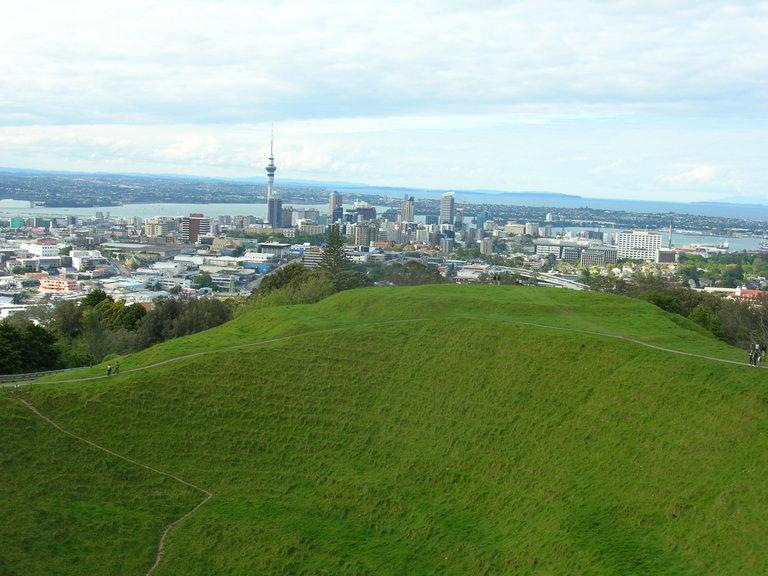
Mount Eden, located in Auckland, is one of the hills formed by volcanic ejecta around a volcanic vent, and it is also the highest point of natural beauty in Auckland, which is stunning. The bottom of the volcanic cone is now a lush green space, which looks like a big cone-shaped bowl from afar, and the unique landscape is unforgettable. Climbing to the top of the mountain, you can enjoy a perfect panoramic view of Auckland, including the beautiful Sky Tower, the spectacular One Tree Hill, and the mysterious Rangitoto Island volcano. In addition to being able to enjoy these wonderful views for free, it is also very suitable for taking photos, capturing panoramic views of the surrounding area, especially when shooting the Sky Tower, it is incomparable.
6
km
2
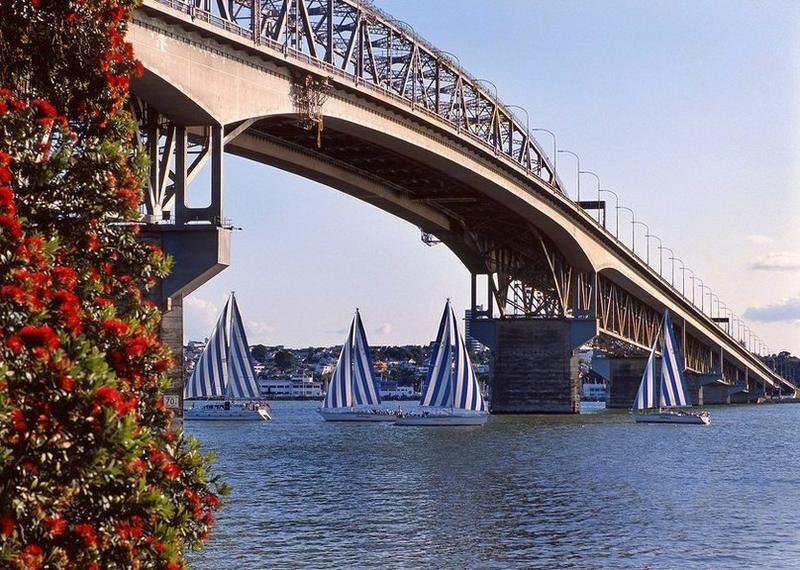
The Auckland Harbour Bridge is an eight-lane box truss motorway bridge spanning the Waitematā Harbour and is an important part of New Zealand State Highway 1 and the Auckland Northern Motorway. It is managed and operated by the New Zealand Transport Agency (NZTA) and is the second longest road bridge in New Zealand after the Waikato River Bridge.
Day2: Rotorua
2 attraction(s) ·
7 km
1
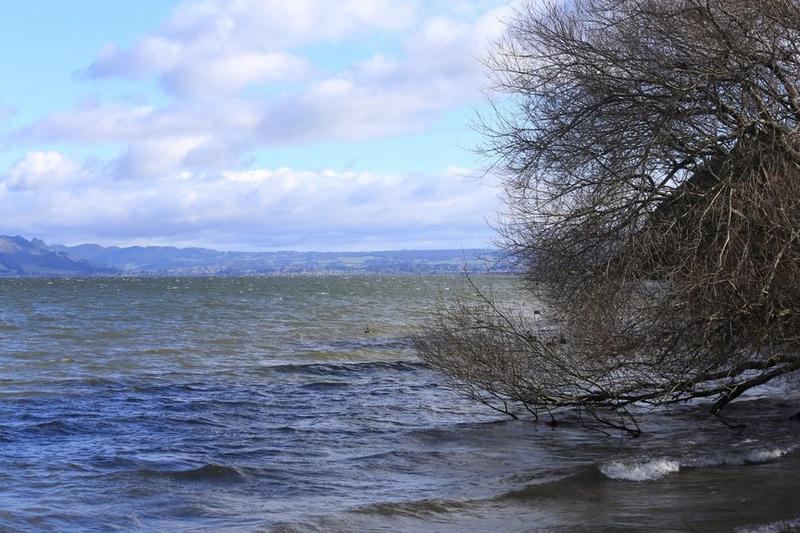
Lake Rotorua is one of the largest lakes in central northern New Zealand's North Island and is one of the leading lakes within approximately 20 lakes. It covers an area of 80 square kilometers (31 square miles) and is a fascinating scenic spot. Located on the edges of the city, Lake Rotorua is a visual feast where you can choose to cruise around the small islands in the lake. For the best views, it's recommended to visit Grand Vue Rd, Kawaha Point, or Rotorua 3010, which are excellent locations for viewing the magnificent scenery of Lake Rotorua.
7
km
2
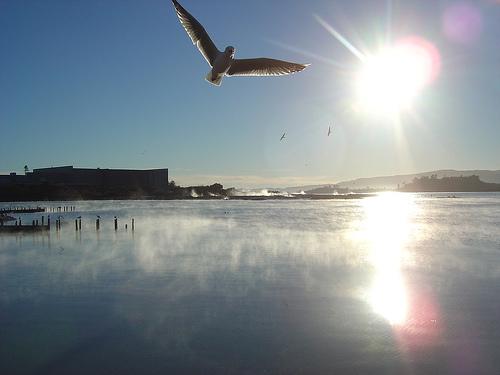
Polynesia Spa is located in the government garden. It is a historical mineral spring and can be reached within a 5-minute walk from the center of Rotorua. There are a total of 35 hot spring pools here, and visitors can also buy a variety of hot spring derived products. Among them, the mineral mud beauty and skincare products are very famous.
Day3: Rotorua
2 attraction(s) ·
4 km
1

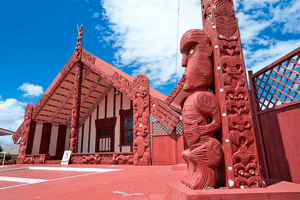
Traditional Maori village offering a guided bush walk, cultural performances & a ground-cooked meal.
4
km
2
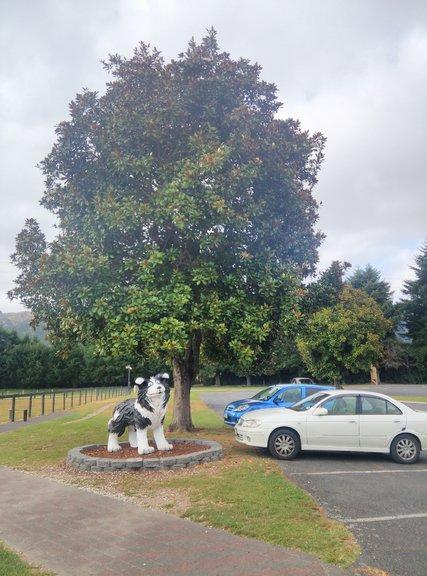
Agrodome is located in a rural area not far from the center of Rotorua, offering a variety of fun rural experiences such as New Zealand's highest bungee jumping, sheep shearing performances, milking cows, tasting honey and fresh juices, as well as enjoying typical New Zealand rural scenery.
Day4: Taupo
2 attraction(s) ·
20 km
1
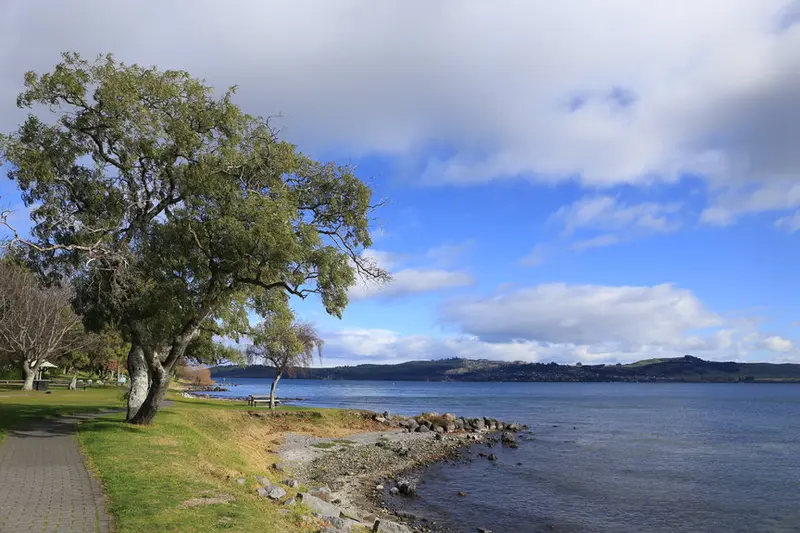
Taupo Lake is located in the central region of the North Island volcanic area, known for fishing and vacationing, and is the largest freshwater lake in New Zealand. It is situated behind the Tangariro Mountains, and the famous Huka Falls is also located here. Despite its peacefulness and clearness in the summer, it is actually a volcanic lake that had violent ancient volcanic eruptions. Today, Taupo Lake is one of the few remaining wild trout spawning sites in the world and the largest trout fishing center globally. You can hire a guide to fish for rainbow or brown trout or learn the skills of fly fishing. The trout you catch can be cooked for you at many local restaurants or hotels. Huka Falls is one of the most popular sightseeing spots in New Zealand and a great place to take photos. The sound of thunder, the magnificent spectacle of up to 220,000 liters of water per second cascading down from the cliff top. You can also take a jet boat ride to get here. In addition, the area has many other interesting sights, including the famous moon crater (Craters of the Moon), where you can see oddities such as geysers, mud pools, and hot steam vents. Moreover, various water activities are available here, such as jet boating, parasailing, fishing, swimming, kayaking, canoeing, yachting, and seaplane sightseeing.
20
km
2
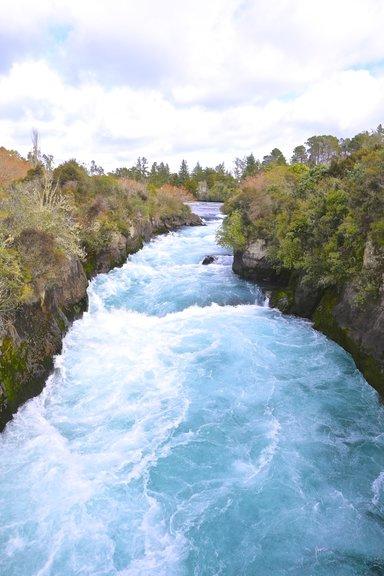
The Huka Falls are located in the Waikato region of New Zealand. With abundant water and spectacular scenery, it is one of the most popular natural landscapes in the area. The Waikato River mouth of the waterfall is 12 meters high and the water flow is 230 tons per second. Due to the effects of narrow passages and faults, the Waikato River appears light blue in color, like a beautiful gem. When the water flows impact the waterfall, the powerful force creates a foamy waterfall, which is very impressive. Therefore, locals call this beautiful waterfall "Huka", which means foam.
Day5: Wellington
2 attraction(s) ·
1 km
1
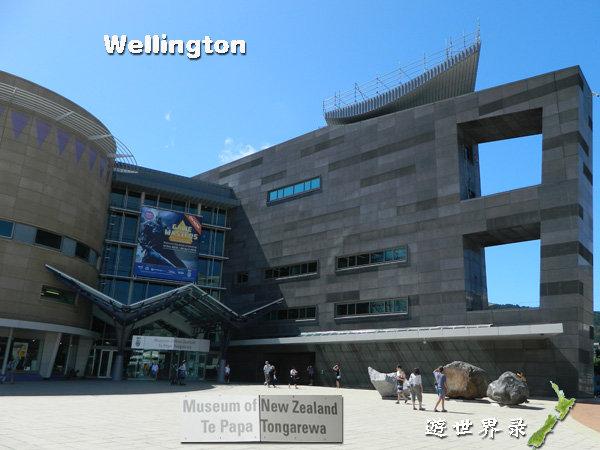
"Te Papa" is the nickname for the National Museum of New Zealand, located in the center of Wellington with a convenient location near the coast. The museum has been selected as one of the most popular museums in the southern hemisphere and represents the history and culture of New Zealand. The museum displays a rich collection of artifacts using high-tech and interactive exhibition methods for visitors. This museum is the best window to understand the history, geography and culture of New Zealand, and is well-liked by tourists from all over the world.
1
km
2
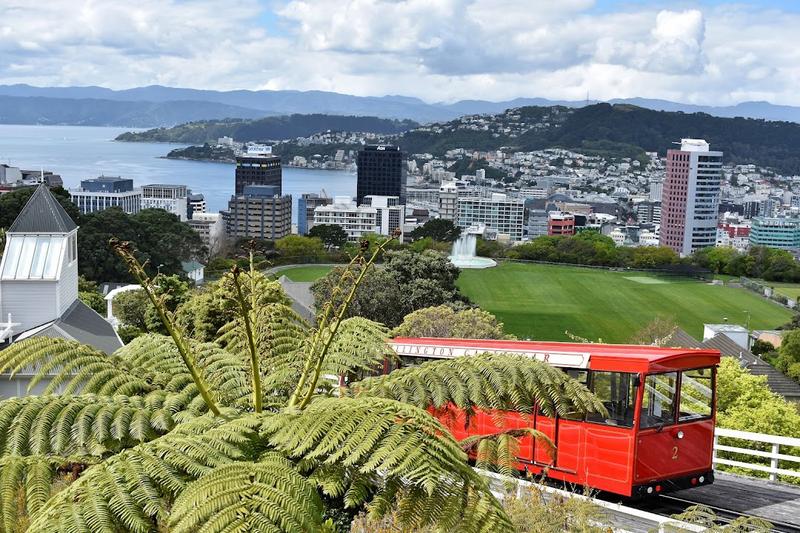
Opened in 1902, the country's only running cablecar offers panoramic city views & a history museum.
Day6: Christchurch
2 attraction(s) ·
2 km
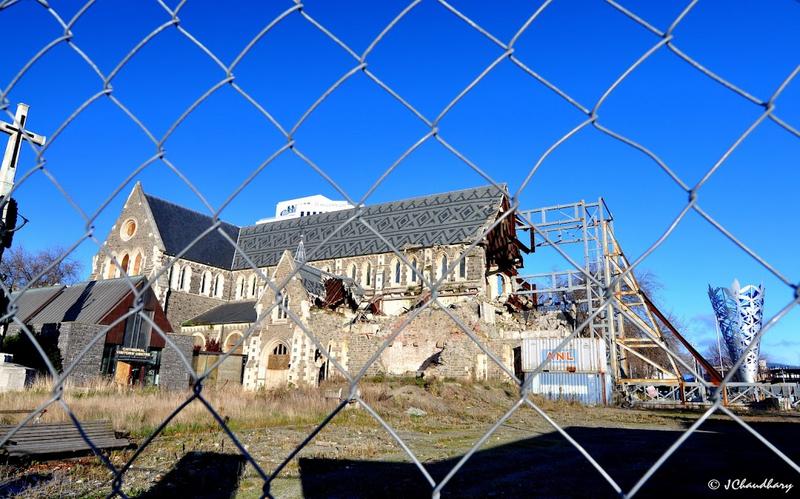
2
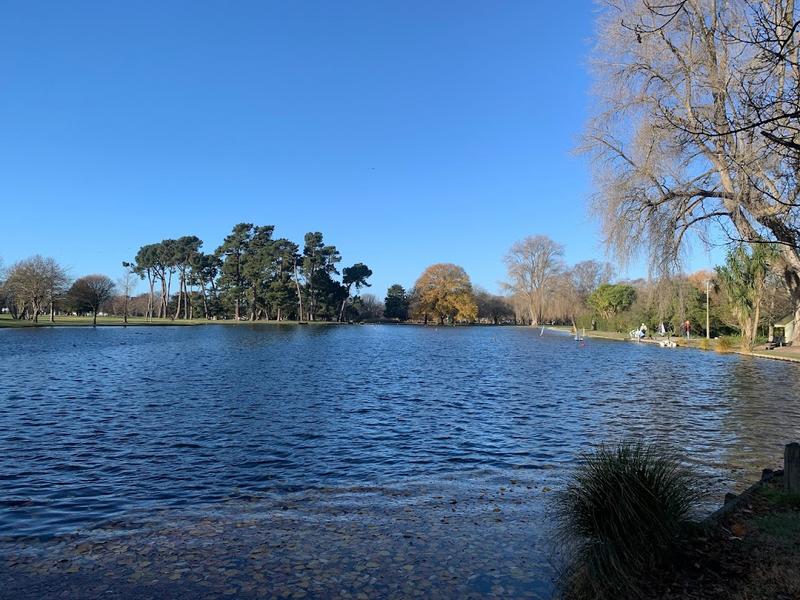
Sprawling urban park with botanical gardens, a small lake, tennis & other sports courts & a museum.
Day7: Lake Tekapo
3 attraction(s) ·
4 km
1
There is a lake called Lake Tekapo in the central part of South Island, New Zealand, managed by Canterbury. The lake is 27 kilometers long, 6 kilometers wide, with an area of 87 square kilometers and an elevation of 700 meters. The average depth of the lake is 69 meters, with a maximum depth of 120 meters. It has strong evaporation capacity and a storage capacity of 6 cubic kilometers.
2
km
2
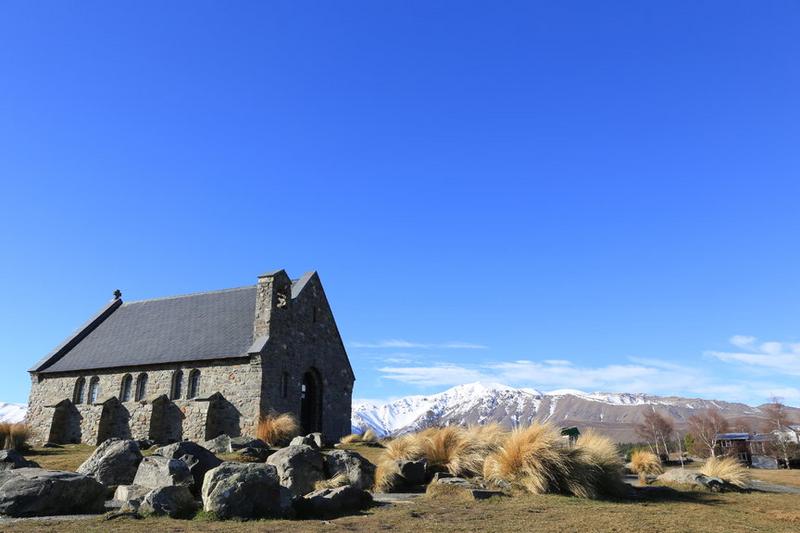
The Church of the Good Shepherd is a historic church constructed by renowned architect Benjamin Woolfield Mountford in 1935. This church features a unique Gothic wood and stone building and is the only one of its kind in New Zealand. It is located on the shores of Lake Tekapo and surrounded by stunning natural scenery amidst towering mountains. Due to its unique architecture and charming environment, many couples choose to hold their weddings here, making it one of the most famous tourist attractions in New Zealand.
3
km
3
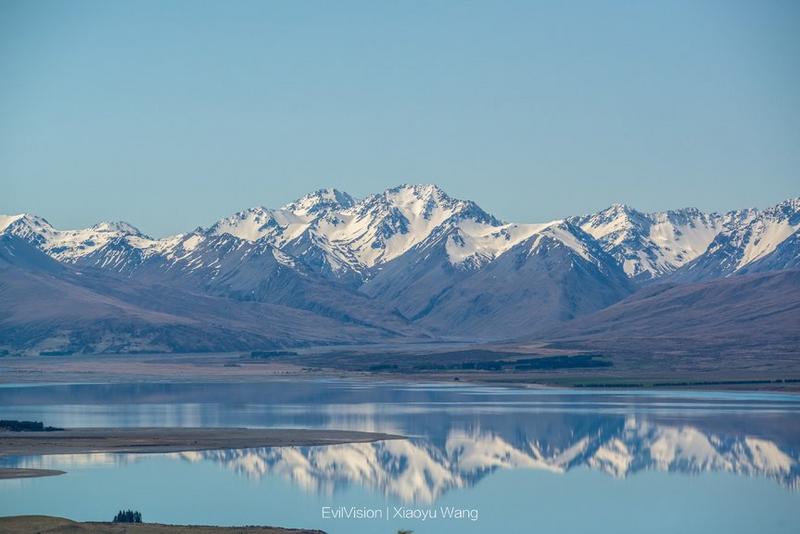
John's Mountain Observatory is renowned for its stunning scenery and convenient location. It's just a 15-minute drive from Lake Tikapoo, making it an ideal spot for stargazing.
Day8: Mount Cook Village > South Island
3 attraction(s) ·
40 km

Day9: South Island > Queenstown
4 attraction(s) ·
203 km
1
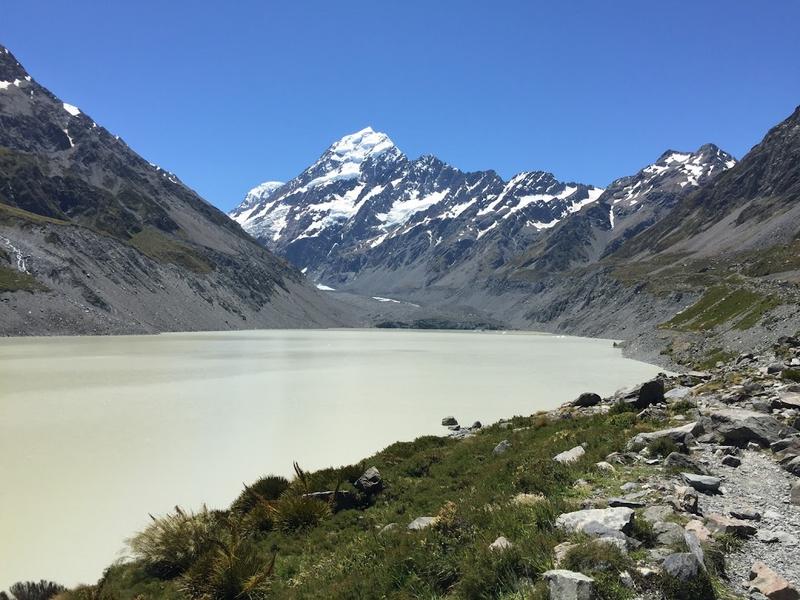
Popular with trekking enthusiasts, this 12,218-ft. peak offers forested trails to glacial views.
199
km
3
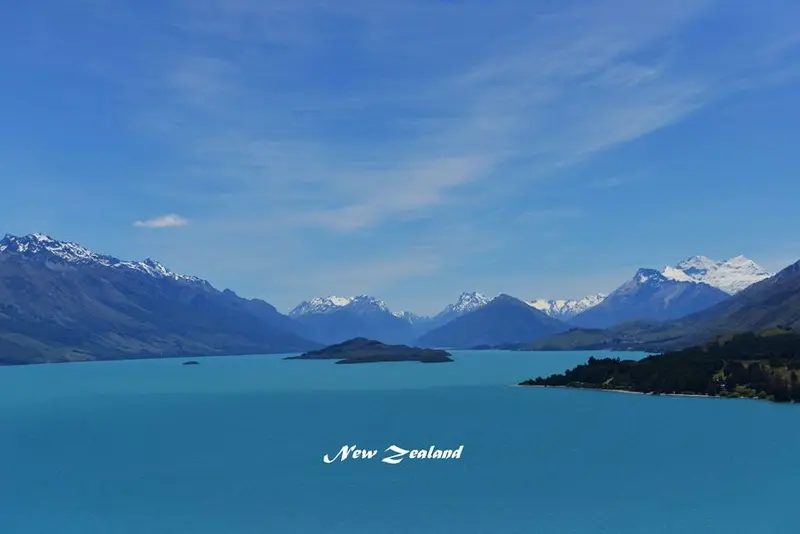
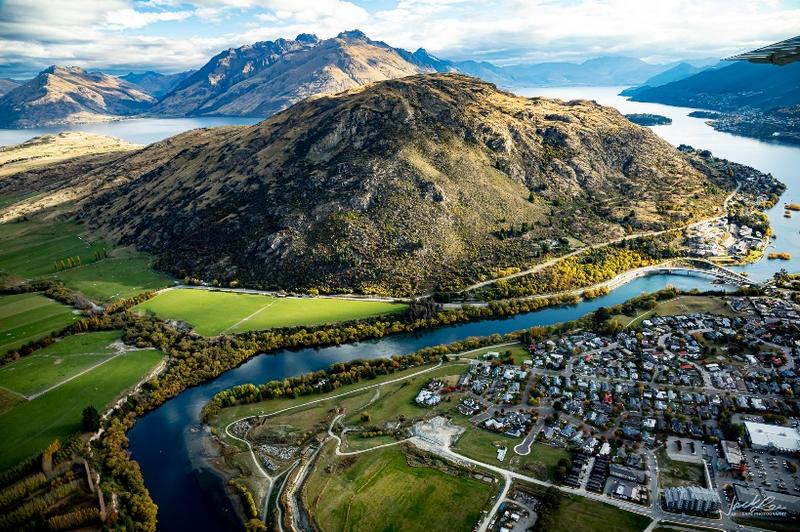
Nestled in a glaciated valley, New Zealand's third largest lake is shaped like a lightning bolt and boasts stunning scenery. The northern end is where the Dart River merges into it, while the Kawarau River flows into the lake mouth after originating from Queenstown. It is surrounded by high mountains, with the highest peak being Mount Earnslaw at 2,819 meters above sea level. The towns around the lake include Queenstown, Kingston, Glenorchy, and Kinloch, the center of New Zealand's outdoor activities. Bungee jumping, a worldwide sensation, originated here. One of the activities by the lake is a cruise on the historic TSS Earnslaw steamship to see the lake views. In the early 20th century, the Earnslaw mainly provided transportation for goods to the ranches on the lake shore. Today, it is still well-preserved and takes tourists to the Walter Peak sheep farm for a stunning view. All of these towns quietly nestled along the lake are worth a visit.
3
km
4
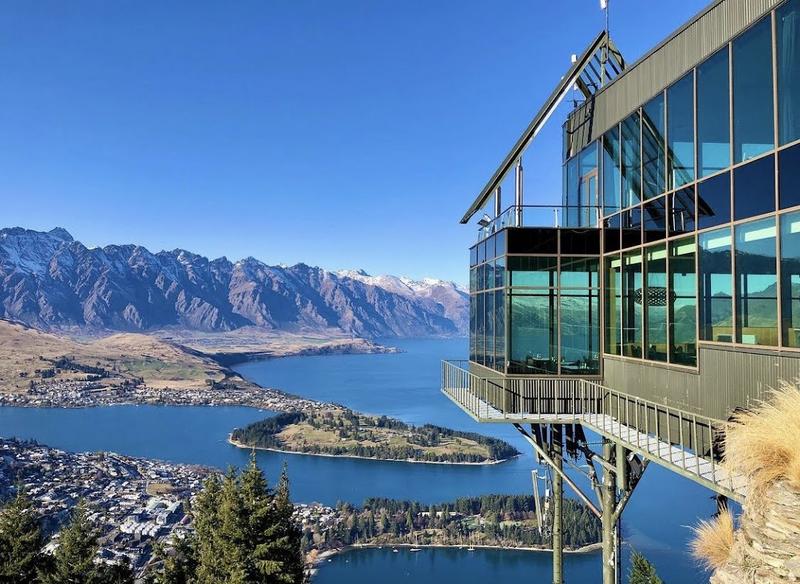
Attraction featuring a gondola to a panoramic restaurant/bar, hiking trails & a luge ride down.
Day10: Queenstown
2 attraction(s) ·
0 km
Day11: Queenstown > South Island > Te Anau
4 attraction(s) ·
179 km
4
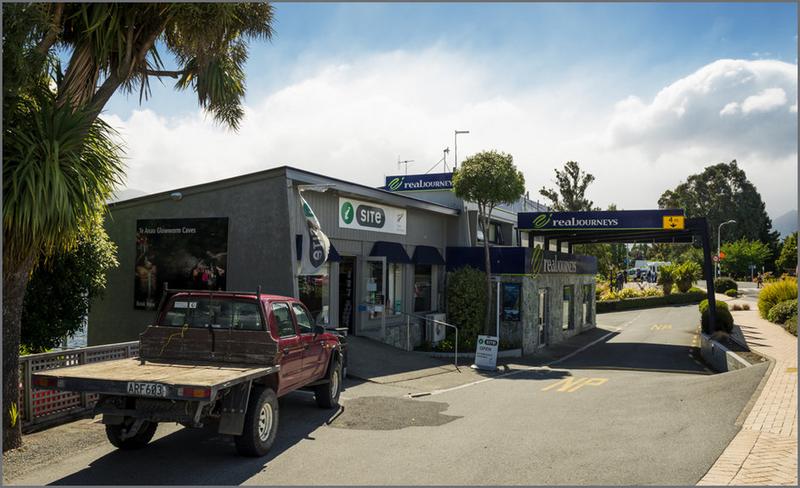
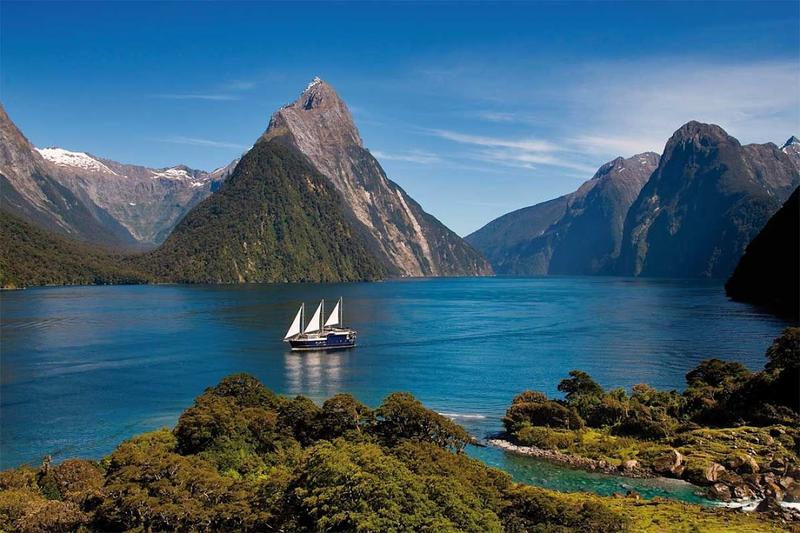
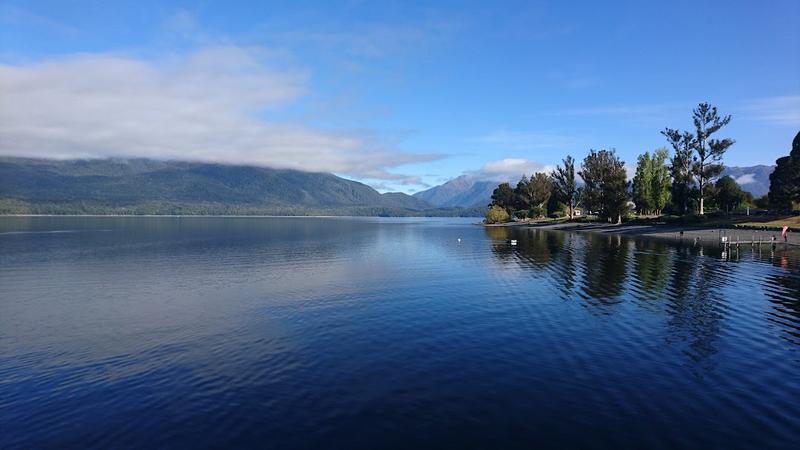
Lake Te Anau is a famous lake in the Fiordland National Park in the southwest of the South Island of New Zealand, and is the second largest lake in the country after Lake Taupo. The lake is 55 kilometers long, covers an area of 344 square kilometers, and has an altitude of 210 meters. Lake Te Anau is also one of the largest glacier lakes in the southern hemisphere, with three huge fjords extending westward along its north-south axis, namely the North, Middle and South fjords. In addition, the lake has many small bays and estuaries. The maximum depth of Lake Te Anau is 417 meters, and the Waiau River originates here. The lake also breeds salmon and sturgeon, and is a popular tourist attraction.
Day12: Dunedin
2 attraction(s) ·
20 km
1
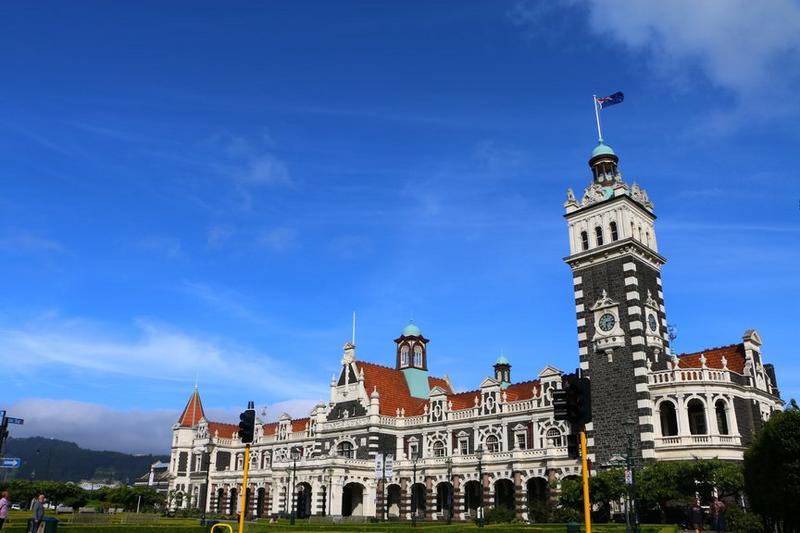
This British railway station is steeped in history, with exhibitions inside and tourists able to take trains to the nearby coastal peninsula.
20
km
2
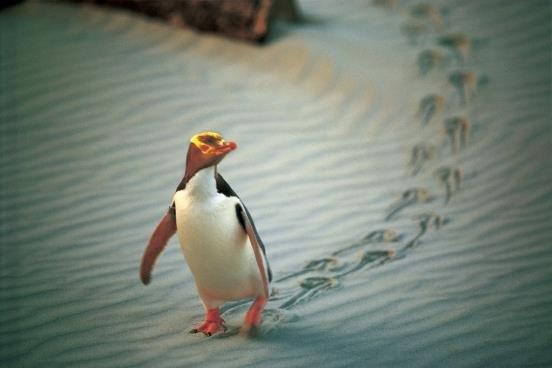
"Penguin Place" is a privately funded sanctuary aimed at saving the rare species, Yellow-Eyed Penguin, from global extinction. This adorable tailcoat gentleman is currently only found in natural reserves within New Zealand, with only around 5,000-6,000 in existence. Visitors are recommended to travel to Dunedin and join a local tour to Penguin Place to observe and admire these lovely creatures. The entire trip takes about 2 hours, and visitors can get up close and personal with the penguins using a unique hidden system and concealed tunnels. The best time to observe Yellow-Eyed Penguins is from 3pm until before dark.