30-Day Family Self-Drive European Tour
25 cities |
44 attraction(s) |
total distance 117944
km
 TIPS
TIPS
Day1
Day2
Day3
Day4
Day5
Day6
Day7
Day8
Day9
Day10
Day11
Day12
Day13
Day14
Day15
Day16
Day17
Day18
Day19
Day20
Day21
Day22
Day23
Day24
Day25
Day26
Day27
Day28
Day29
Day30
Day1: Calais
2 attraction(s) ·
2 km

2

Calais Beach is located along the English Channel, stretching for 8 kilometers. It witnessed the first ever flight across the sea in human history, accomplished by pioneer aviator Louis Blerio. Today, you can admire large ferries crossing the English Channel, connecting the transportation hub of Dover in the United Kingdom with France.
Day2: Calais > Amiens
3 attraction(s) ·
123 km

2

Vast 13th-century Gothic edifice with 2 uneven towers, famous for lavish decorations & carvings.
1
km
3

Jules Verne lived in a tower-like house in Amiens for 18 years and wrote many works there, including the famous "Around the World in Eighty Days". Today, this renovated house still preserves its original appearance and is open for visitors to explore.
Day3: Calais > Amiens > Paris
3 attraction(s) ·
7865 km

Day4: Calais > Amiens > Paris
3 attraction(s) ·
7865 km
3

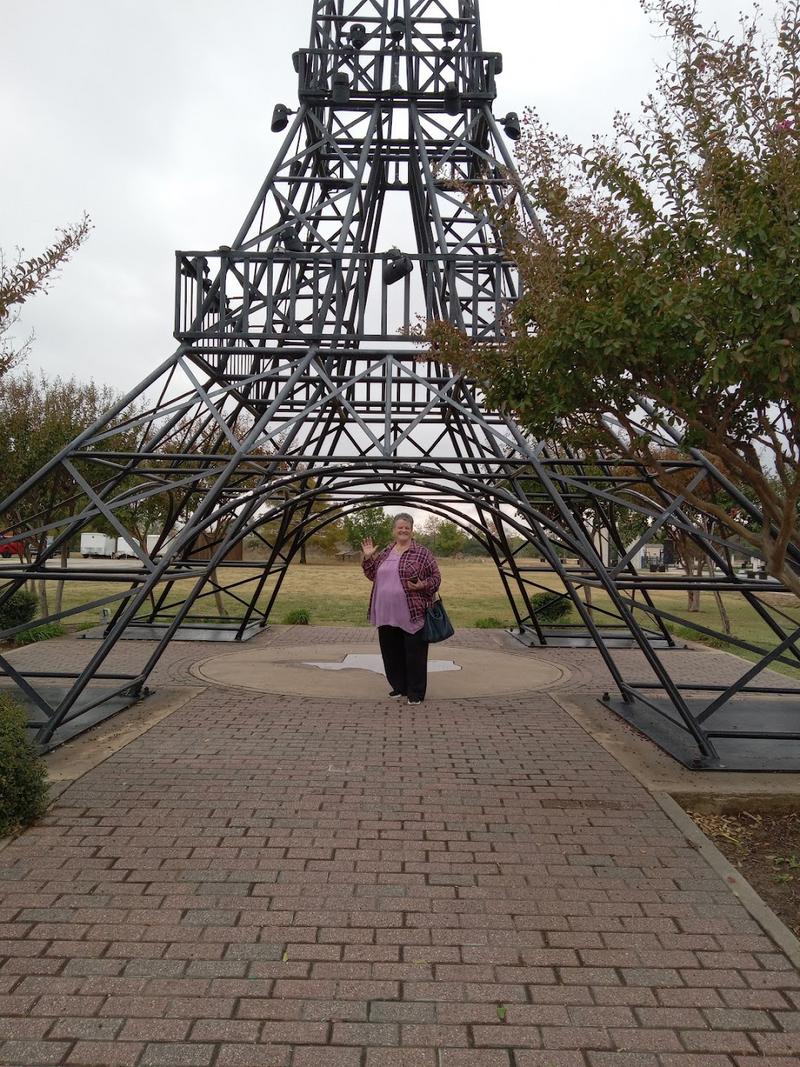
This American version of the famous Paris landmark stands at 65 ft., topped by a cowboy hat.
Day5: Paris
2 attraction(s) ·
1 km
1
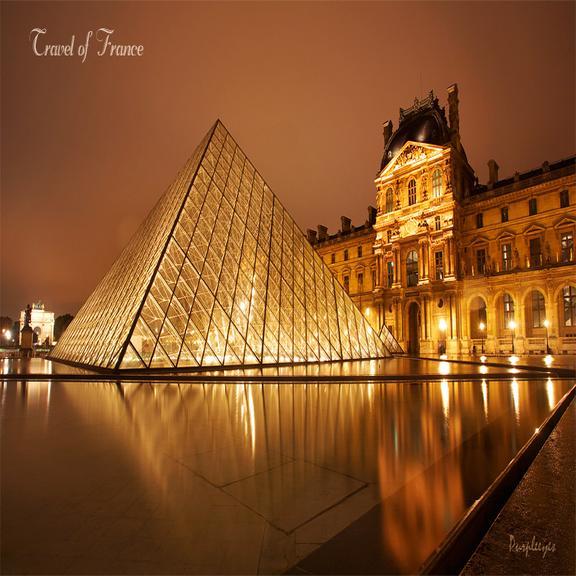
The Louvre Museum is the former residence of French kings, built in the late 12th century. After several expansions and renovations during different periods of reign, it has become one of the largest museums in the world. The Louvre is divided into eight sections, including Oriental Antiquities, Egypt, Greece, Etruria and Ancient Rome, Paintings, Sculptures, Art Objects, Islamic Art, and Medieval to 1848 Paintings.
Originally a medieval fortress defending Paris, the Louvre has played various roles throughout history. With a love for art, French kings sponsored artists and collected a large number of renowned Italian paintings. During the French Revolution, it was opened as a museum and continued to expand and collect more artistic treasures in subsequent historical periods. The Louvre houses around 400,000 artifacts, with approximately 40,000 on regular display. Visitors should prepare in advance and, based on personal interests, it is recommended to visit the Italian and French painting galleries, Ancient Egypt Civilization gallery, Ancient Greek and Roman art gallery, and Napoleon III's apartments. As one of the world's top three museums, the Louvre attracts numerous visitors and has become one of the most popular tourist destinations in the world.
1
km
2
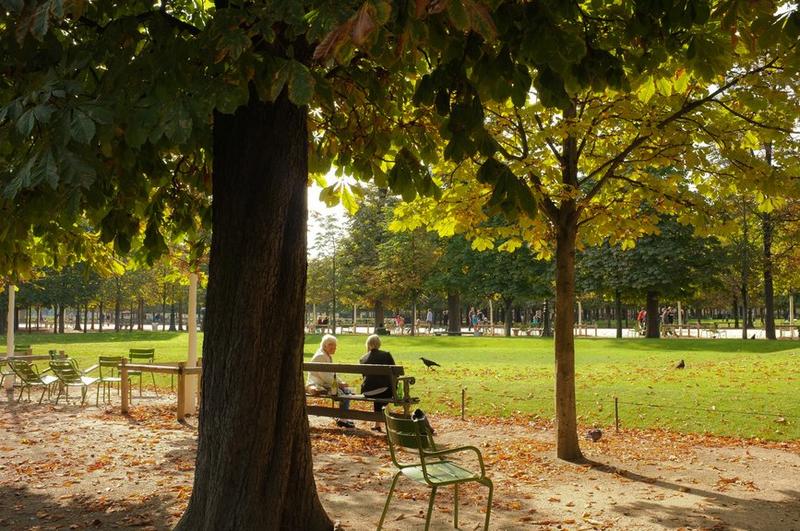
The Tuileries Garden, located between the Louvre and Champs-Élysées, has a unique and advantageous position. Its name derives from the tile factory that once stood here. Through the careful redesign and decoration by designer Le Nôtre, the garden became a typical French garden, although it was initially Italian-style. The Tuileries Palace in the garden was once the royal residence. During the French Revolution in 1880, it was destroyed and leveled, leaving its influence and constraints on the appearance of the park. Today, the Tuileries Garden is part of the Louvre, connecting the left and right wings of the museum, and serves as an open courtyard. It runs parallel to Rue de Rivoli and is adjacent to the National Image Museum of France. The museum got its name from the indoor tennis court added to the northwest corner of the Royal Garden, whose function has now changed. The "Orangerie" museum on the other side of the garden echoes it.
Day6: Chenonceaux > Amboise > Blois
3 attraction(s) ·
58 km
1
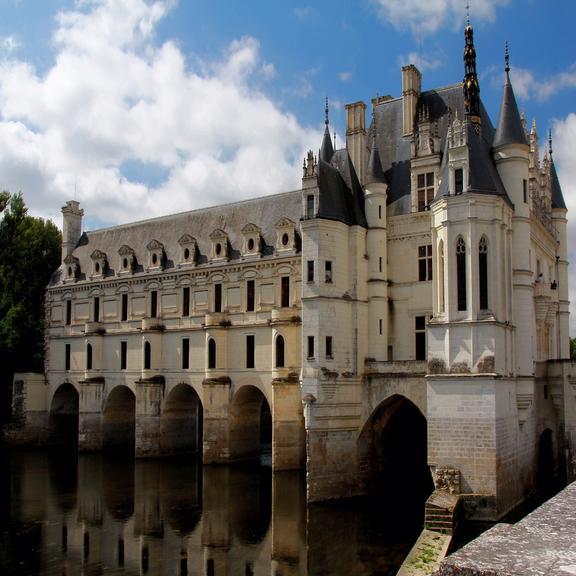
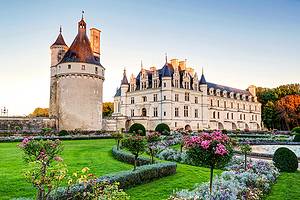
Chenonceau Castle is the only water castle in the Loire Valley, also known as the Ladies' Castle. It has a rich history and is famous for its elegant and perfect design. The castle is reflected in the water and surrounded by a beautiful garden. Inside the castle, visitors can admire famous paintings by various masters and the luxurious decoration of the bedrooms. The castle also features a replica of the medieval castle layout in the front courtyard, with a moat surrounding the old castle. The grand entrance gate, adorned with woodcarvings, showcases the crests of Thomas Bohier and his wife, Catherine Briçonnet, the creators of Chenonceau Castle. The crest of King Francis I, a salamander and a Latin motto, can be seen above the gate.
12
km
2

Gothic & Renaissance 15th-century chateau, with tapestry-filled rooms & panoramic terrace.
46
km
3

Expansive, 16th-century, former royal palace with multiple towers and cupolas, surrounded by a moat.
Day7: Calais > Amiens > Paris
3 attraction(s) ·
7865 km
Day8: Calais > Amiens
2 attraction(s) ·
122 km
Day9: Blois > Tours > Bordeaux
3 attraction(s) ·
365 km
1
Expansive, 16th-century, former royal palace with multiple towers and cupolas, surrounded by a moat.
39
km

3

Day10: Calais > Amiens > Bordeaux
3 attraction(s) ·
724 km
Day11: Calais > Amiens
2 attraction(s) ·
122 km
Day12: London > Bordeaux > Bayonne > San Sebastian
4 attraction(s) ·
950 km
1
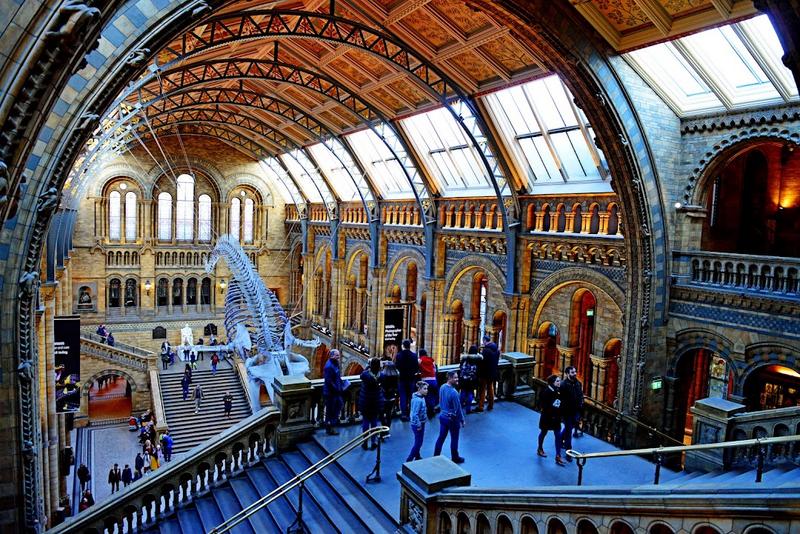
Landmark museum of animals and natural phenomena, with hands-on exhibits and animatronic dinosaurs.
741
km


Day13: Calais > Amiens > Bordeaux > Bayonne > Biarritz
5 attraction(s) ·
895 km
5

This Ocean Museum, built in the 1930s, is beautifully decorated with intricate details found everywhere, from the ceiling's inlaid paintings to the wall murals and fountains. In the underground aquarium, visitors can catch a glimpse of the diverse marine ecosystem of the Golfe de Gascogne, as well as marvel at fascinating underwater creatures such as sawfish and seals. Additionally, visitors can also admire the city's architecture and the stunning view of the Notre-Dame Rock in the museum.
Day14: Calais > Amiens > San Sebastian
3 attraction(s) ·
923 km
Day15: Calais > Amiens > Bilbao > Madrid
4 attraction(s) ·
1283 km

Day16: Calais > Amiens > San Sebastian
3 attraction(s) ·
923 km
Day17: Calais > Amiens > London
3 attraction(s) ·
372 km

Day18: Calais > Amiens > Bilbao > Madrid > Salamanca > Porto
7 attraction(s) ·
1711 km
4
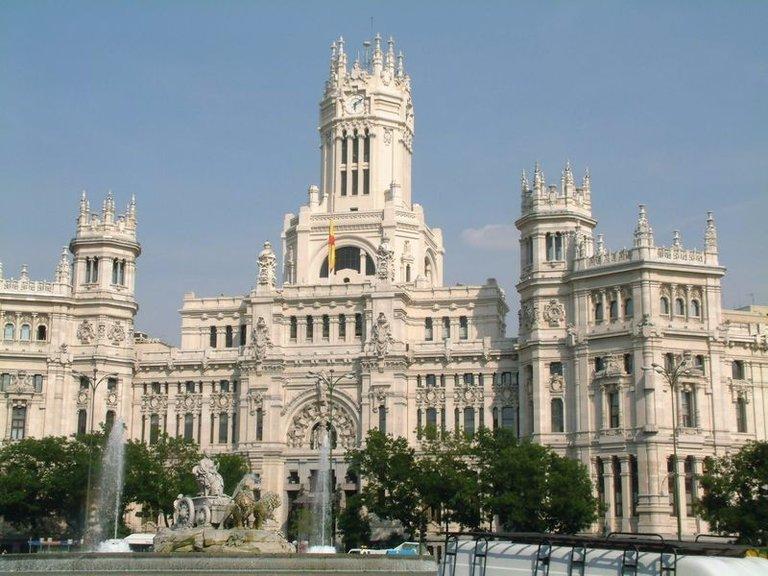
During the Moorish rule, Madrid was not the capital of Spain. To defend the city, Mohammed I built a tower at the current location of the palace. Over time, the tower was renovated and eventually declared a castle by the Castilian king in the 14th century. In 1734, the castle was destroyed by a fire, and Felipe V ordered for it to be rebuilt in 1738. After 17 years, it was finally completed. The palace's architecture was inspired by the design of the Louvre in Paris, featuring a square courtyard and galleries. Carlos III, known as the "Greatest Mayor of Madrid," was the first king to use the castle as a royal residence.
The Madrid Palace is the largest palace in Western Europe, containing 3,418 rooms, each with its own unique features. It houses an extensive collection of exquisite paintings, antiques, weapons, ceramics, clocks, and silverware. The collection includes five violins made by one of the greatest stringed instrument makers in history, Antonio Stradivari, which are displayed in the music room of the Royal Library. In addition, the palace houses works by famous Spanish artists, such as Velázquez and Goya, as well as important paintings from the Italian Baroque painter, Caravaggio.
Although the Madrid Palace is still the royal residence, the king only occasionally uses it for official business. If both flags on the roof of the palace are raised, it means that the king is present.
1
km

7
Day19: Calais > Amiens > Madrid > Salamanca
5 attraction(s) ·
1452 km
4
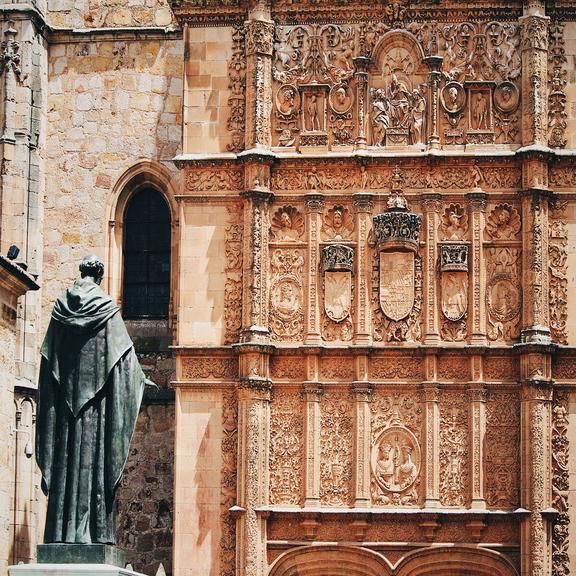
The university was founded in 1218 by King Alfonso XI. Among the decorative statues outside of the school, there is a frog which is said to bring good luck if someone can find it.
1
km
5

16th-century Gothic palace covered in symbolic seashell motifs, now an exhibition space & library.
Day20: Calais > Amiens > Porto
5 attraction(s) ·
1593 km
4
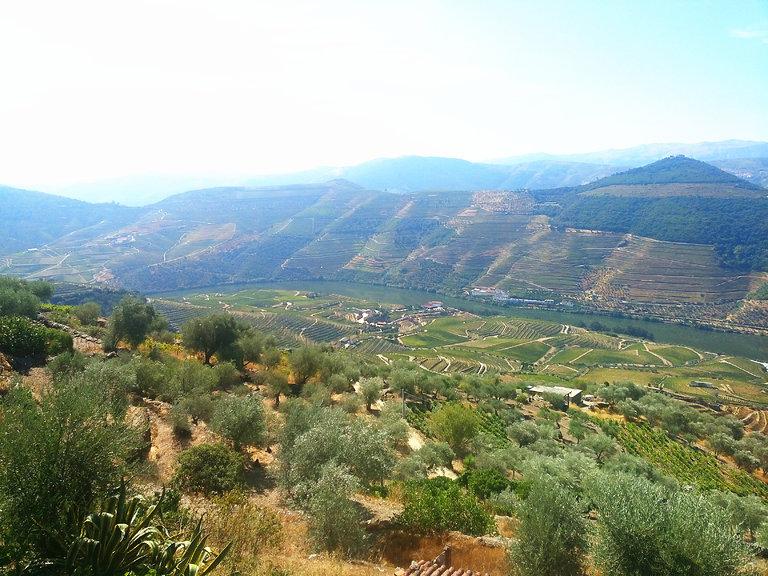
Porto East is a region of Portugal and a UNESCO World Heritage Site. It includes two famous towns, the capital of the Douro region Peso da Regua and the central town of the valley Pinhao. The magnificent scenery and rich history and culture make it a popular destination for tourists from all over the world. Peso da Regua is the center of the wine region and Pinhao is where the famous Portuguese wine variety Porto wine is produced. The scenery of this region will leave you mesmerized.
90
km

Day21: Calais > Amiens > Coimbra > Badajoz > Seville
6 attraction(s) ·
7879 km
3
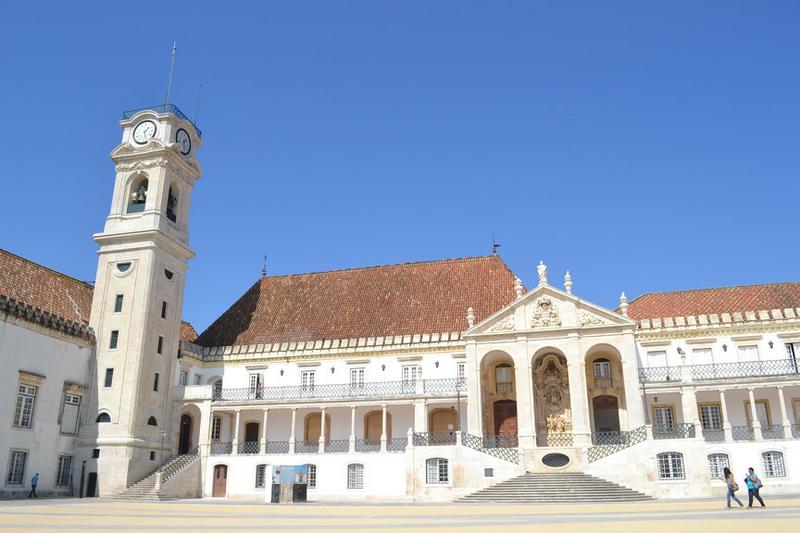
The University of Coimbra has a long history, founded in 1290. The campus buildings are grand, the magnificent corridor in the library is filled with neatly arranged books, and the Manueline Chapel, built in 1517, is exquisite.
2
km


6
Day22: Badajoz
1 attraction(s) ·
0 km
1
Day23:
0 attraction(s) ·
0 km
Day24:
0 attraction(s) ·
0 km
Day25: Calais > Amiens > Seville > Malaga
6 attraction(s) ·
12939 km

5
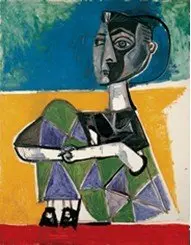
The Picasso Museum in Malaga is a renovated 16th-century palace that houses 233 oil paintings, prints, sketches, and ceramics by Picasso. The works range from the Academy style to different styles from the 1970s. The most famous work is "Buste de Paul en costume d'Arlequin." The museum is a joint effort by the Andalusian Council and the heirs of Malaga artists, and is also the realization of Picasso's artistic dream.
2
km
6
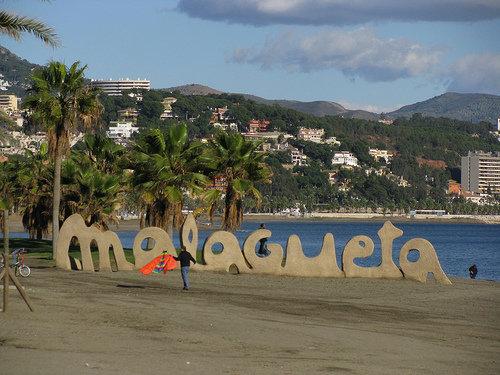
Malaga beach boasts a 14-kilometer coastline, abundant sunshine, and fine sand, making it an ideal destination for global tourists to enjoy their vacation. Before swimming and basking in the sun, please note that the beach does not have changing rooms, only poorly equipped showers. Ladies are advised to wear one-piece dresses. Sometimes you may see nude swimming beauties, and we suggest gentlemen to remain polite and mindful of their behavior. Despite the hospitality of the Spanish, we should respect the local culture and not disrupt public order.
Day26: Granada
2 attraction(s) ·
3 km
1
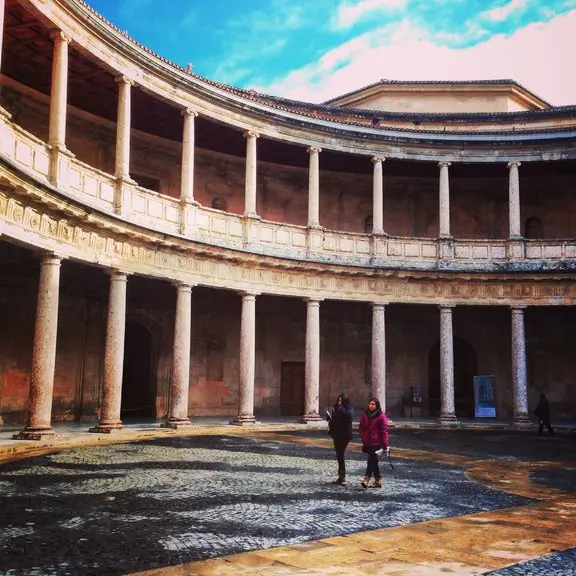
The name of the Alhambra Palace comes from the Arabic word for "red fortress" and is located on the Nevada mountain. It is a typical example of Arab-style palace courtyard architecture. This palace was included in the UNESCO World Cultural Heritage List as early as 1984. The main visiting areas of the Alhambra Palace include the Alcazaba, the Palacios Nazaríes, the Generalife, the Baño de la Mezquita, and the Jardines, showcasing the magnificent scenery of the perfect combination of Islamic gardens and architecture.
3
km
2
Day27: Calais > Amiens > Barcelona > Montpellier > Avignon
5 attraction(s) ·
15227 km


Day28: Montpellier
2 attraction(s) ·
1 km
1

The Place de la Comedie is located between the old town and the new town and is a very important landmark. The square is home to a theater built in the 19th century, which serves as the main venue for the Montpellier Theater Festival. Together with the fountain of the Three Graces, the theater forms a beautiful landscape that attracts many tourists.
1
km
2

Museum founded by a local painter in 1825, with extensive collection including Delacroix & Raphael.
Day29: Calais > Amiens > Avignon
4 attraction(s) ·
810 km
4

Papal palace, once rival to the Vatican, with 25 open rooms, frescoes & cultural events.