7-Day Spain Road Trip: From Madrid to Barcelona
7 cities |
20 attraction(s) |
total distance 1332
km
 TIPS
TIPS
Day1
Day2
Day3
Day4
Day5
Day6
Day7
Day1: Madrid
3 attraction(s) ·
3 km
1
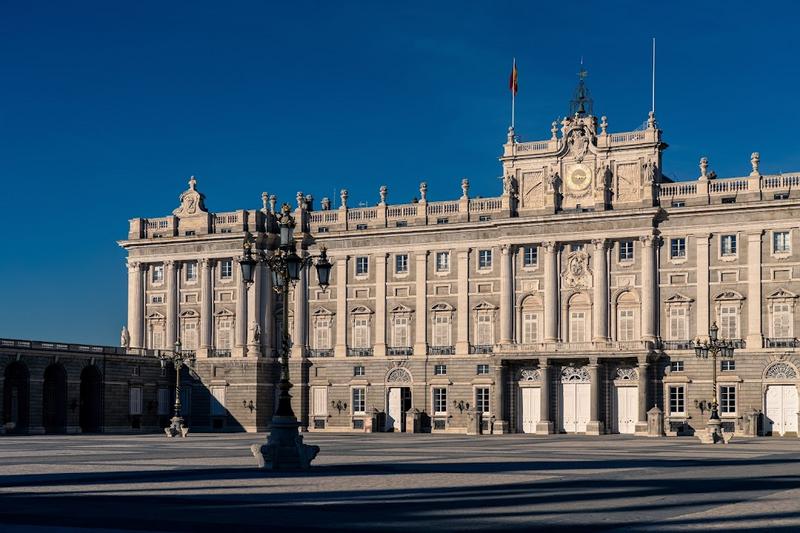
18th-century, ridge-top palace for state occasions, plus tours with rooms full of art and antiques.
2
km
2
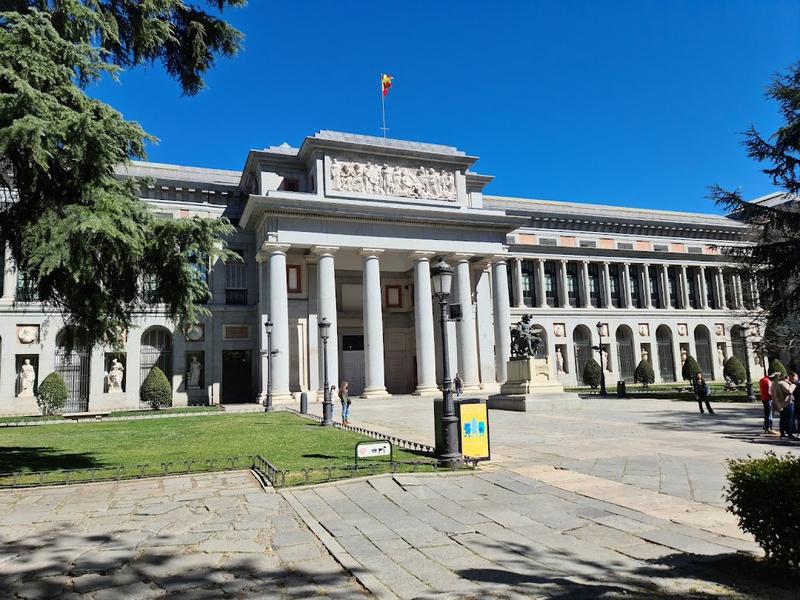
Art museum with Velazquez, Goya and El Greco masterpieces in vast 12th- to 19th-century collection.
2
km
3

Public square with an equine statue of King Carlos III & 0km marker stone for Spanish distances.
Day2: Toledo
3 attraction(s) ·
2 km
1
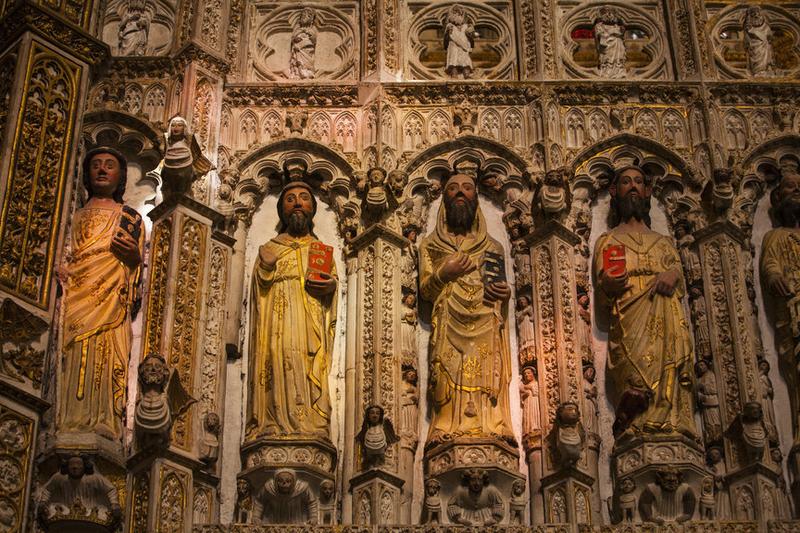
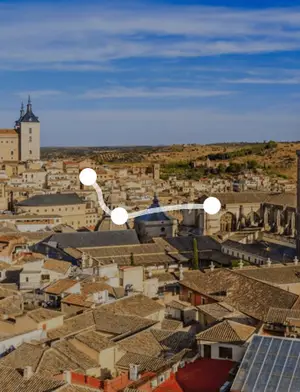
Toledo Cathedral is one of the largest Catholic cathedrals in the world, and a remarkable example of Gothic art and historical testimony. The ancient city still retains a medieval atmosphere. Toledo Cathedral is the largest church in the Catholic Church in Spain, and the second largest cathedral in Spain, starting construction in 1247 and not completing until 1493. At that time, the French Gothic architectural style was rarely used in Spanish churches, and Toledo Cathedral is a typical representative of this style. Its design inspiration comes from the Bourges Cathedral in France, although the original design intention was to cover the original mosque and sahn monastery. The cathedral also incorporates some unique features of Mudejar style, especially in the three-arched cloister multiple leafy arcades of the monastery. The perfect combination of light and dome in the cathedral is also impressive. The cathedral's building materials are made of white stone, taken from Olihuelas near Toledo.
1
km
2
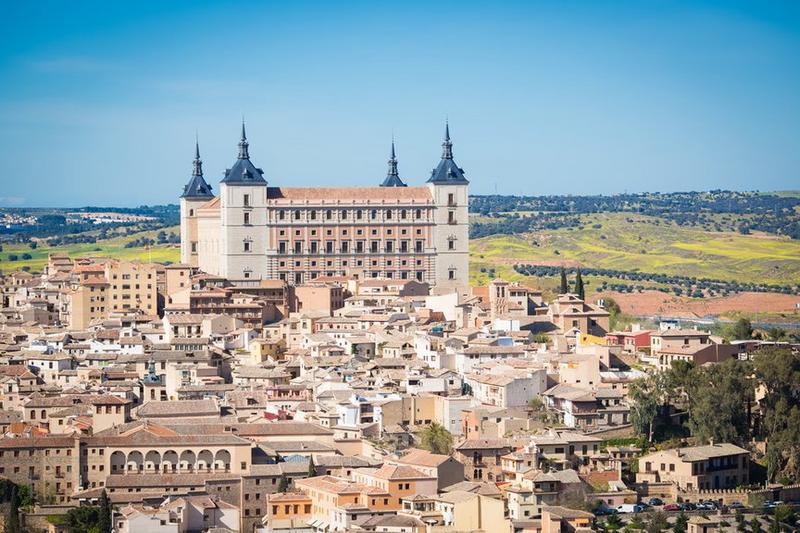
This castle was built in the 3rd century by the Romans and is located at the highest point in the city of Torres. Later, it was recaptured by Alfonso VI. Today, the castle houses facilities such as the Castilla-La Mancha Regional Library and the Spanish Military Museum.
1
km

Day3: Cordoba
2 attraction(s) ·
1 km
1

Mudéjar-style 1300s palace with terraced gardens, Roman mosaics & Gothic towers for panoramic views.
1
km
2
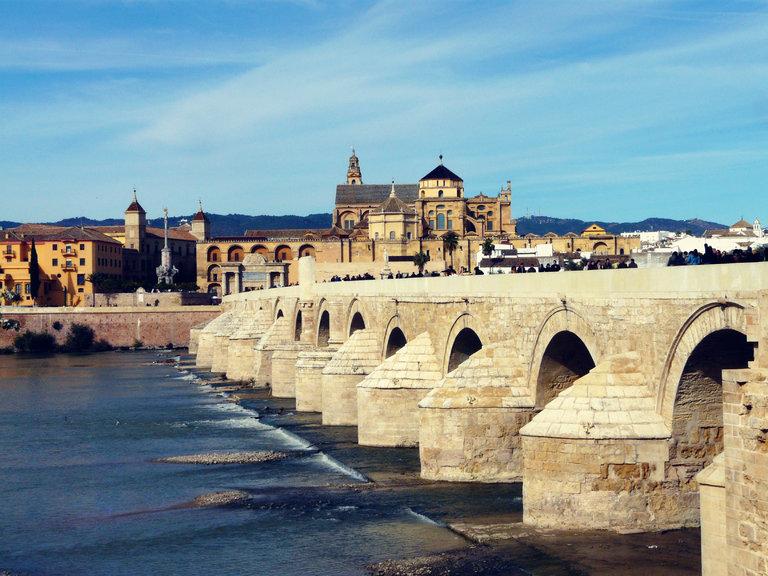
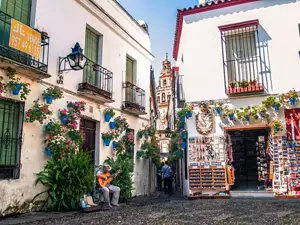
One of the most famous ancient buildings in Cordoba is an ancient Roman bridge, which has been in use after enduring a long history. Originally built in the 1st century, the bridge has been repaired several times from the 13th century to the 19th century and is very durable, made of massive stones and has a total of 16 arches. In the evening, the beauty of the ancient Roman bridge is particularly appealing as the sunset stains the sky red. Standing at the southern end of the bridge, one can appreciate the tranquility of the nearby mosque and the magnificence of the ancient bridge, which complement each other and are especially eye-catching.
Day4: Seville
2 attraction(s) ·
1 km
1
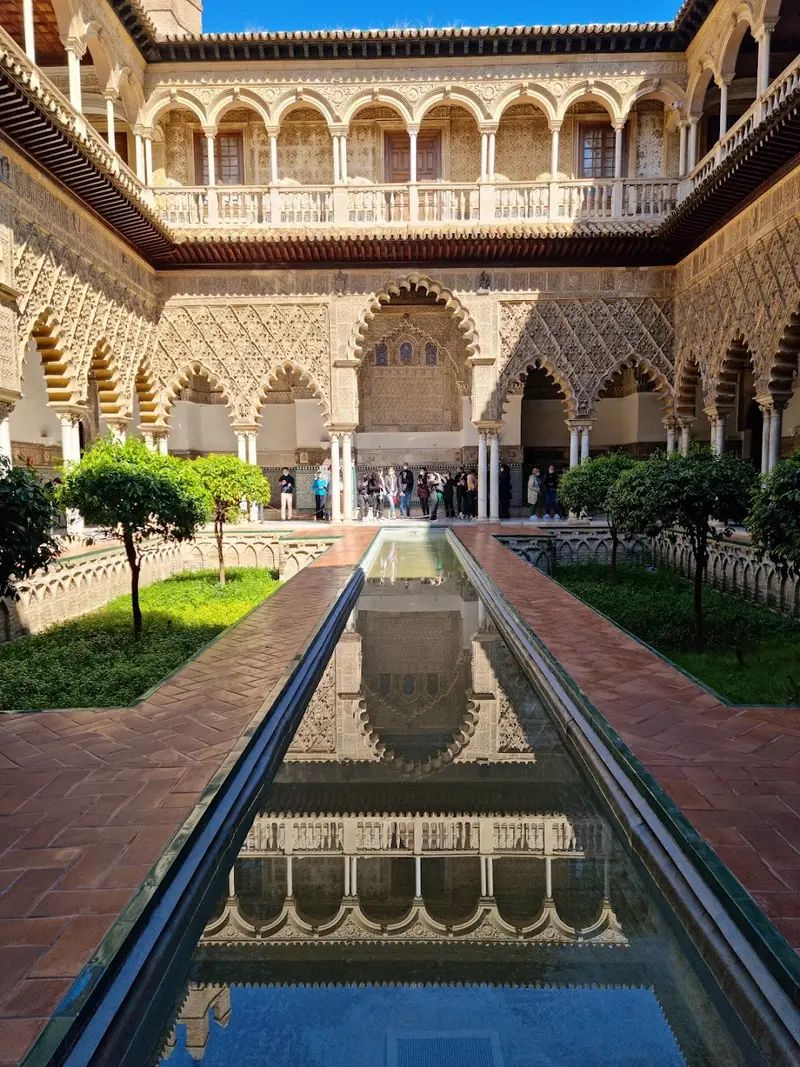
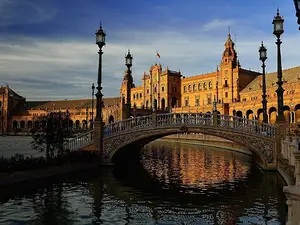
Landmark Moorish royal palace with fountain-filled gardens, ornate arches & 16th-century tiles.
1
km

Day5: Granada
3 attraction(s) ·
1 km
1
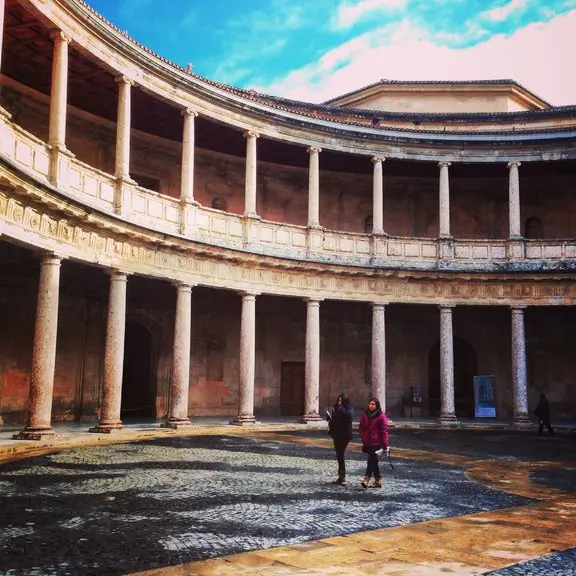
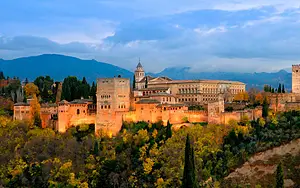
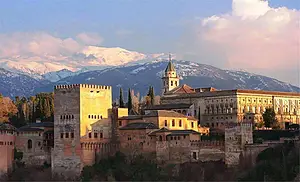
The name of the Alhambra Palace comes from the Arabic word for "red fortress" and is located on the Nevada mountain. It is a typical example of Arab-style palace courtyard architecture. This palace was included in the UNESCO World Cultural Heritage List as early as 1984. The main visiting areas of the Alhambra Palace include the Alcazaba, the Palacios Nazaríes, the Generalife, the Baño de la Mezquita, and the Jardines, showcasing the magnificent scenery of the perfect combination of Islamic gardens and architecture.
1
km


Day6: Valencia
3 attraction(s) ·
8 km
1
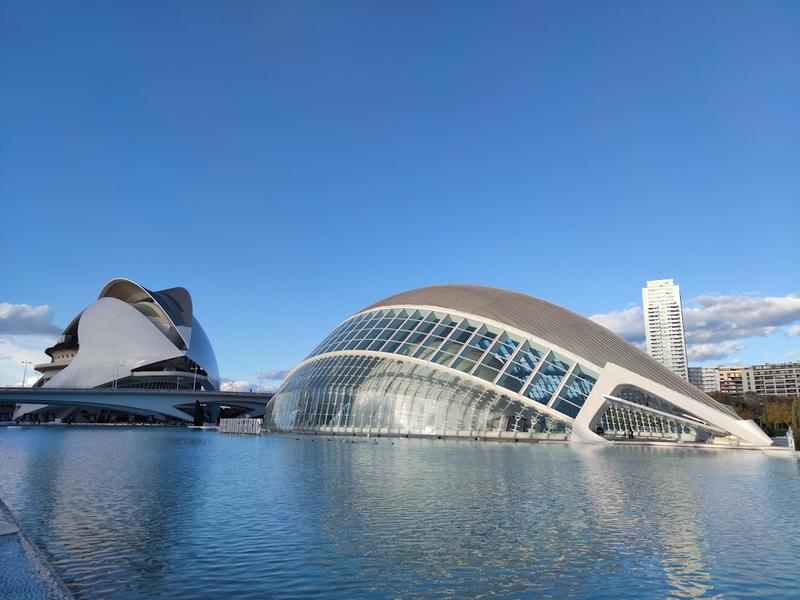
State-of-the-art science complex set within a landscaped park with a huge aquarium & IMAX screen.
4
km
2

Mainly Gothic-style cathedral, said to house the Holy Grail, plus a historic tower with city views.
5
km
3

1km-long city beach bordered by a bustling promenade with shops & restaurant.
Day7: Barcelona
4 attraction(s) ·
7 km
1
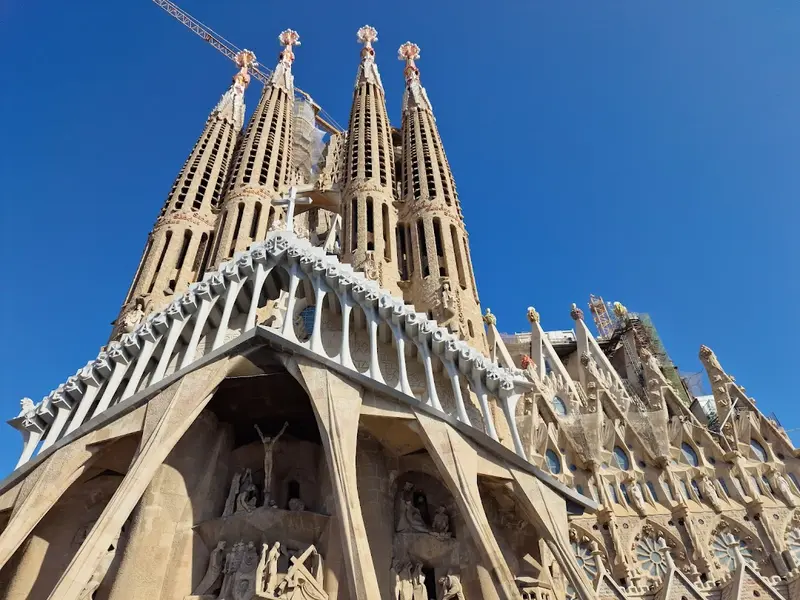
Antoni Gaudí's renowned unfinished church, started in the 1880s, with museum and city views.
3
km
2
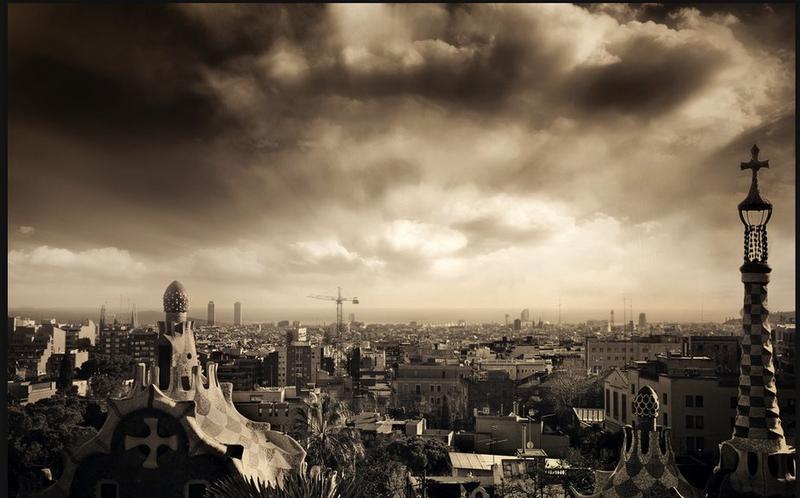
Güell Park, also known as Park Güell, is an early masterpiece by Antoni Gaudí, full of oriental charm. From the outside, you can see that the window design adopts the ventilation technology used by desert peoples to protect against sand and dust, and the walls use bricks instead of stones to form the geometric shapes commonly found in Mudéjar-style architecture. In addition, the decorative broken tiles also show Gaudí's innovative creativity. Güell Park is one of Antoni Gaudí's works listed as a World Heritage Site by UNESCO.
Here, Gaudí transferred his genius talent to garden planning. Upon entering the gate of Park Güell, tourists can see a giant lizard sculpture that often appears in travel magazines. The stairs next to the lizard guide visitors upwards, into a fantastical world of color and dreamlike atmosphere. Gaudí's home is also located here, and this pink little house has now been transformed into a museum showcasing Gaudí's life and work.
5
km
3
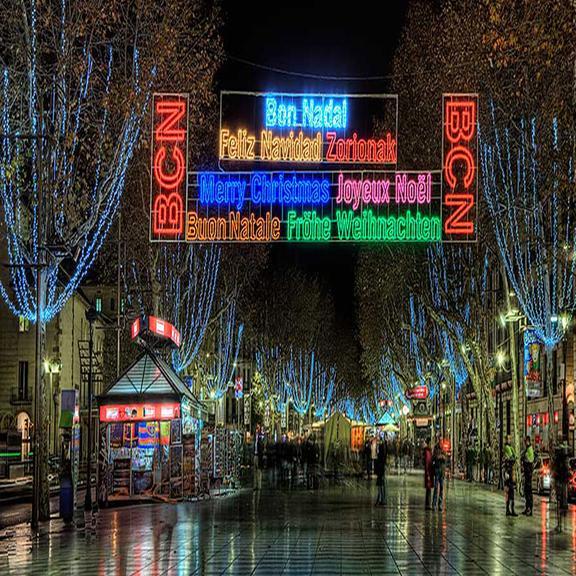
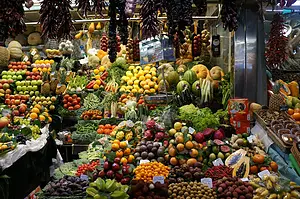
La Rambla is one of the liveliest streets in Spain and is also known as the "The Wanderer's Street" in the works of Yu Qiuyu. It attracts performance artists and tourists from all over the world. During the day, La Rambla is a paradise for street art and food, with the famous Boqueria Market located on the side of the street. After midnight, it becomes a playground for Barcelona's nightlife, especially in the La Raval area to the west, where there are various themed bars.
In addition, La Rambla connects Plaza de Catalunya and the Mediterranean Bay. Walking along La Rambla to the beach in the Mediterranean sunshine will give you a firsthand experience of Barcelona's colorful and joyful atmosphere! If you don't like crowded crowds, you can also choose to explore the historical Gothic Quarter to the east or La Raval area beloved by hippies (often with their own pets) on both sides of the street. But be sure to keep an eye on your wallet and valuables.
1
km