3-Day London Tour [Enjoy the Highlights]
2 cities |
20 attraction(s) |
total distance 35382
km
 TIPS
TIPS
Day1
Day2
Day3
Day1: London
7 attraction(s) ·
17685 km
1
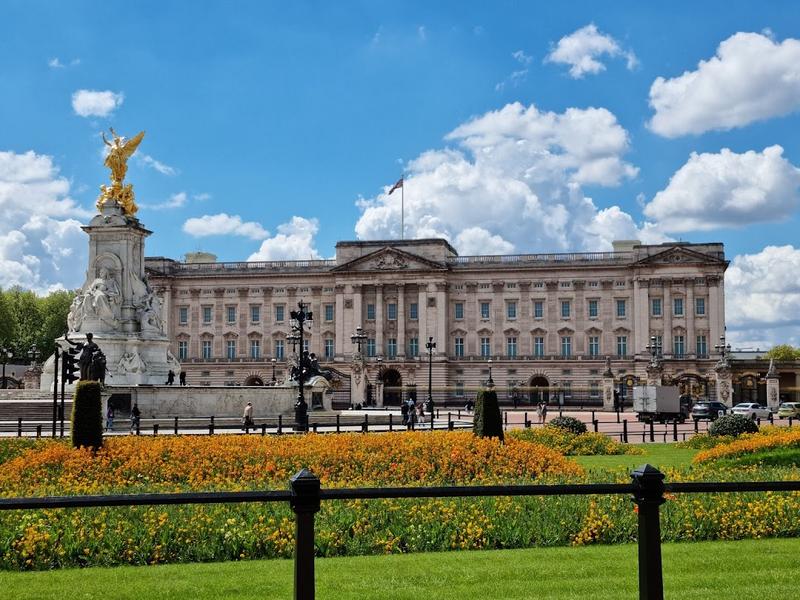
Visitors can tour the palace's opulent private and state rooms or watch the changing of the guard.
2
km
2
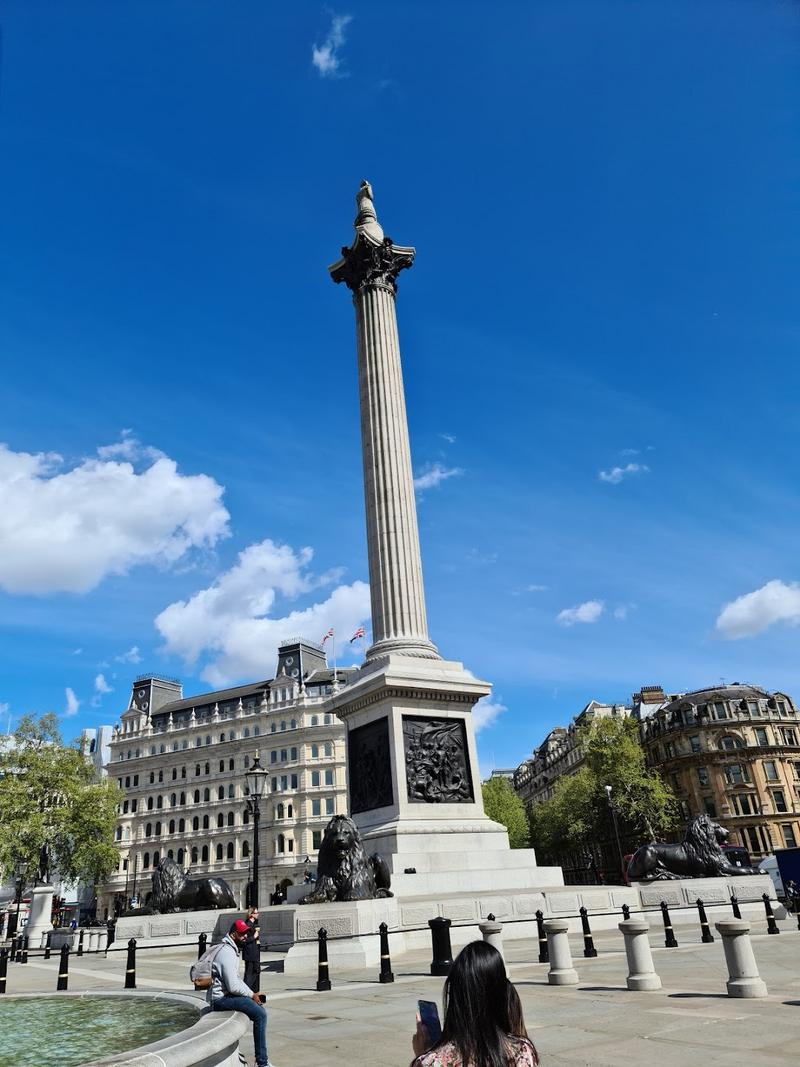
Nelson's Column rises above this iconic square's LED-lit fountains, artworks and lion statues.
1
km
3
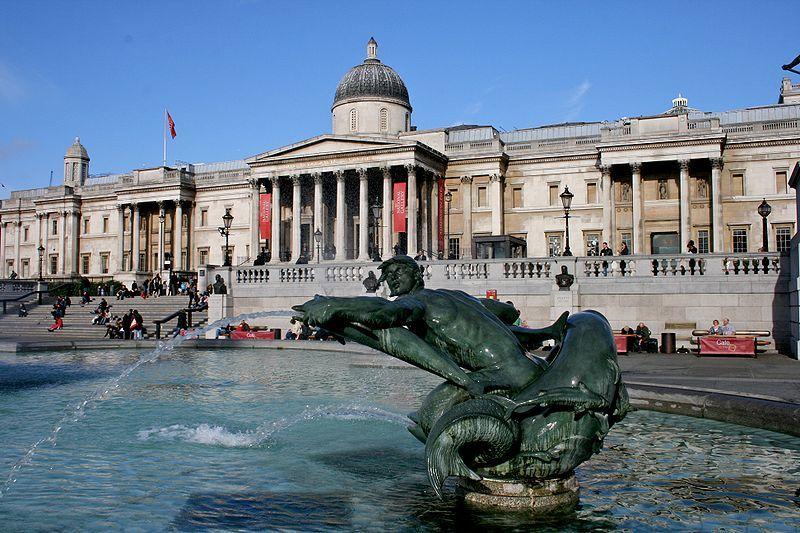
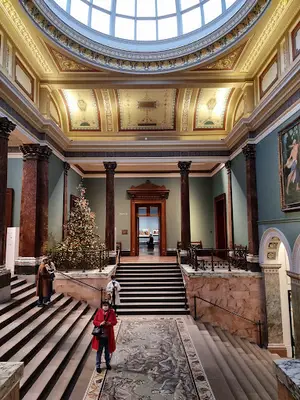
The National Art Museum was founded in 1824 and collects about 2300 European art masterpieces from the 13th to the 19th century. These works were mainly donated by private individuals or purchased by museums, so they differ in style from other European art museums. These collections cover almost all periods in European art history, with a focus on small to medium-sized works. Even if you don't understand art, visiting here can give you a profound experience of the boundlessness and shock of art. The National Art Museum is located next to Trafalgar Square and is easy to find. There is no admission fee, but you can donate freely. If you need to learn about the background of the main works, you can ask the service desk and rent a guide device with Chinese interpretation. The National Art Museum is divided into four wings in the southeast, northwest, and exhibits works of different styles in chronological order, covering various genres and styles from the Renaissance to the Impressionist period. The collections here are not commonly seen in China. Although there is a large crowd here, any painter who studies Western painting can enjoy the happy time of soaking in the art museum. In addition, the Micro Gallery in the Sainsbury wing provides computer query services, which can be called the most complete electronic art encyclopedia of the National Art Museum. In short, the National Art Museum is a unique art temple that allows viewers to understand the classics of European art history.
1
km
4
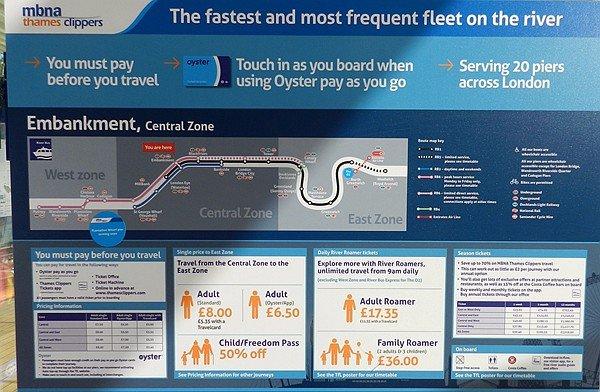
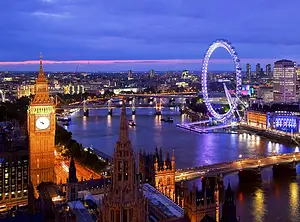
The River Thames is a river located in southern England, with a total length of about 338 kilometers, flowing through three English counties. It is the longest river in England, second only to the River Severn which is 354 kilometers long. As one of the busiest urban rivers in the world, it is also one of the most iconic landmarks in London. The Thames river basin has also nurtured many English cities, such as Windsor, Reading, and Oxford, with London being the most prominent among them.
5895
km

6
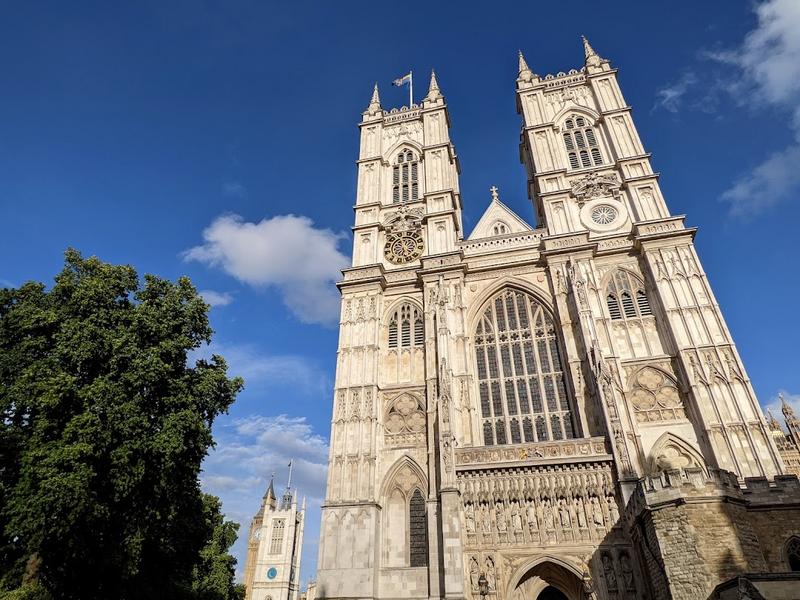
Protestant abbey hosting daily services and every English and British coronation since 1066.
5894
km
7
Day2: London
5 attraction(s) ·
5901 km
2
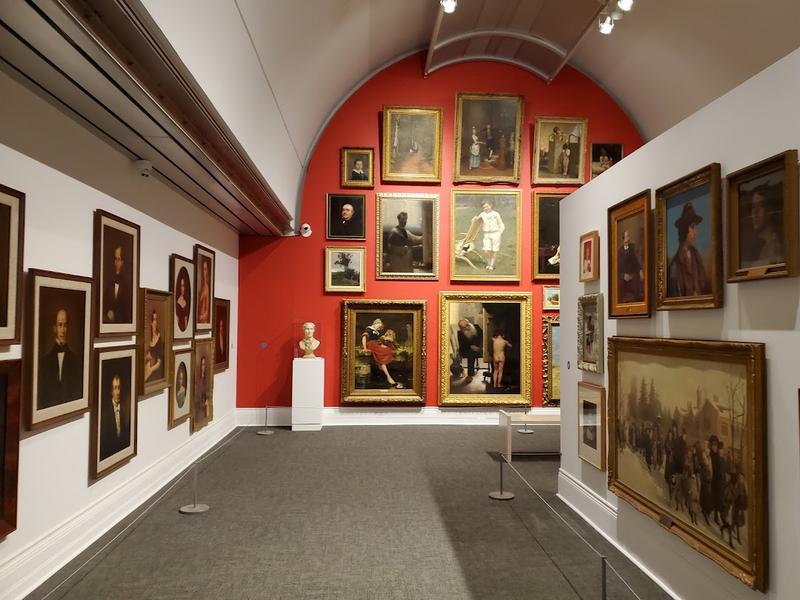
Established in 1940, this museum features exhibits focused on regional art, history & culture.
5894
km
3

18th-century department store known for its gourmet groceries including tea and posh preserves.
1
km
4

Flagship & major department stores line this bustling street featuring around 300 retailers.
2
km
5

Grand, French Renaissance-style Victorian theatre showing The Phantom of the Opera since 1986.
Day3: London
8 attraction(s) ·
11790 km
1

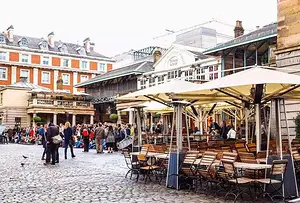
Shops, cafes and bars in restored market buildings with street performers in the Piazza.
2
km
2

17th-century cathedral featuring a 365ft-high dome, recitals & a churchyard, plus a crypt.
1
km
3
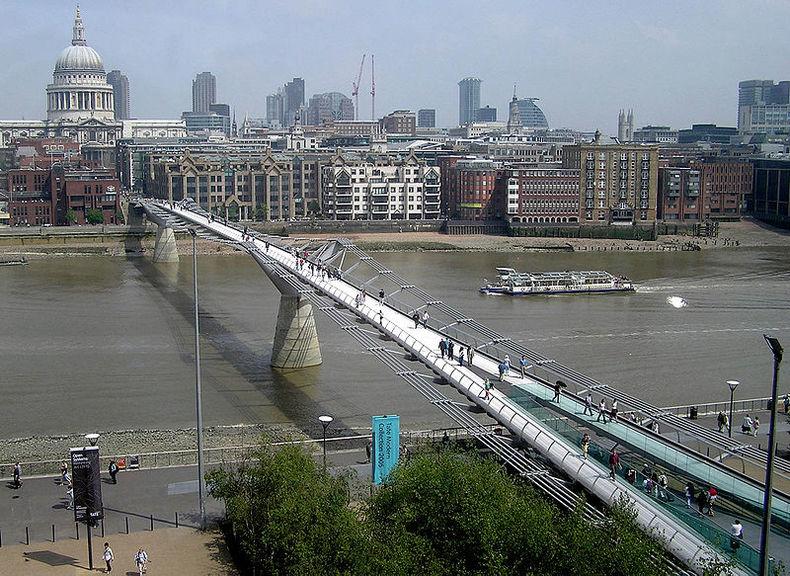
The Millennium Bridge is 333 meters long, spanning the River Thames, connecting the Tate Modern art gallery and St. Paul's Cathedral, and can accommodate 5,000 people. The bridge was completed in 1999 and officially opened on May 13, 2000, but it was temporarily closed after only three days due to movement and vibration problems caused by excessive pedestrian traffic. Two years later, the improved Millennium Bridge was reopened. In the film "Harry Potter and the Half-Blood Prince", there is a scene where Death Eaters attack the Muggle world causing a bridge collapse, and the bridge that is destroyed is modeled after the real Millennium Bridge in London. The bridge does not have heavy piers and is only supported by Y-shaped structures on both sides, with sleek and slender lines.
1
km

5

Huge market under the railway lines, for British-reared meat and artisanal baked and dairy goods.
5895
km
7
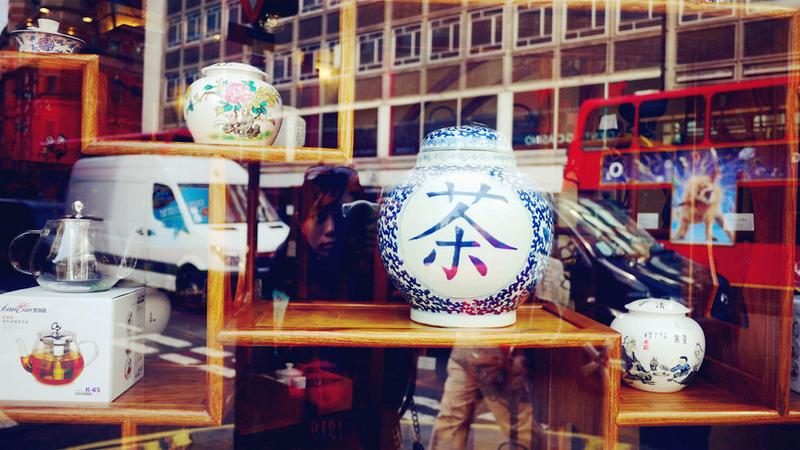
Chinatown in London has a long history dating back to the 19th century. Initially concentrated in the dock areas of the east, it gradually moved to the central Soho district and became an important landmark of London's nightlife. Located in a bustling area, Chinatown is close to Buckingham Palace, 10 Downing Street - the Prime Minister's residence, and Trafalgar Square. Today, it includes a main street and several side alleys, providing a prime location.
During the Chinese Lunar New Year, Chinatown comes to life with a festive atmosphere that makes visitors feel as if they were celebrating back in China. Even English signs sometimes get covered up during the festivities. Apart from the holiday atmosphere, some Chinese supermarkets in Chinatown also offer unique foods from China and Southeast Asia, which are not found in other supermarkets in the UK.
Interestingly, Chinatown has never been officially designated as a formal administrative boundary, yet it remains a highly prominent landmark in the heart of London.
1
km
8

Located in the Westminster borough in west London, it used to be a red-light district of the area. However, with the gradual decline of the adult entertainment industry and its proximity to the Mayfair financial district in London, many people come here to drink, relax, and listen to music after work every day. Slowly, Soho has become a neighborhood that attracts tourists from all over the world.