8-Day Jordan Self-Drive Tour: Historic Sites, Deserts, and Seaside Comfort
4 cities |
8 attraction(s) |
total distance 572
km
 TIPS
TIPS
Day1
Day2
Day3
Day4
Day5
Day6
Day7
Day8
Day1:
0 attraction(s) ·
0 km
Day2: Madaba
2 attraction(s) ·
1 km

2

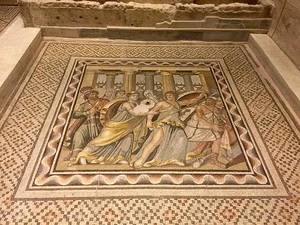
Byzantine church housing a 6th-century mosaic floor depicting a map of the Middle East.
Day3:
0 attraction(s) ·
0 km
Day4:
0 attraction(s) ·
0 km
Day5: Wadi Rum
1 attraction(s) ·
0 km

Day6: Aqaba
2 attraction(s) ·
1 km


Day7: Amman
1 attraction(s) ·
0 km
1

Day8: Amman
2 attraction(s) ·
1 km
1
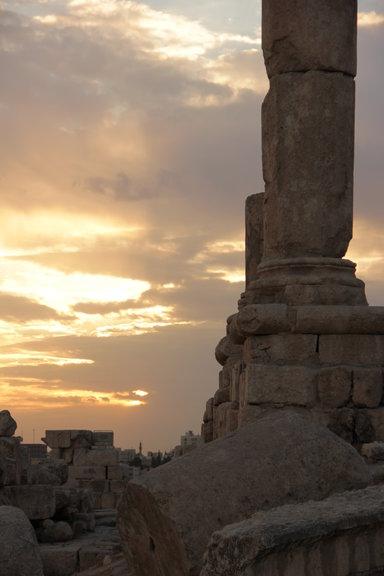
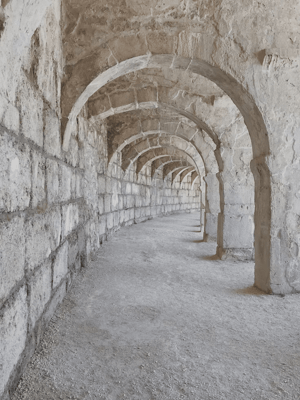
This is the former capital of the Abbasid Amman Kingdom, with a history dating back to the 11th century BC. The remaining Umayyad palace was built in 720 AD, and one of its dome halls is particularly impressive, providing a sense of history. The reservoir on the castle hill, the Byzantine church, and the tall columns of the Hercules Palace are also worth seeing, and more knowledge can be learned through introductory signs. You can also take some beautiful photos in the evening. In addition, the Jordan National Archaeological Museum is also a must-visit place, showcasing numerous cultural relics from across Jordan.
1
km
2
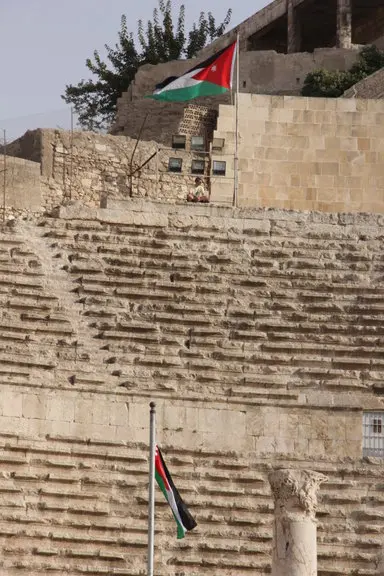
The ancient Roman theater located at the foot of Castle Hill can accommodate 6000 people. It is said that the theater experience is unparalleled, and many people feel completely different after watching other Roman theaters after seeing this one. The theater was built during the reign of Antonius Pius in the 2nd century, nestled into the side of a mountain and sloping to the south. The theater is divided into three areas with side entrances parallel to the ground, one leading to the orchestra and the other leading to the stage. The seating is terraced, with the higher levels known as the "gods." Despite the distance from the stage, due to the slope of the stairs, the audience can still clearly watch the performance and listen to the music. Even if there's no time to enter the theater, the exterior can still be admired from behind the fence. At night, this area becomes a good place for citizens to take a stroll. The ancient Roman theater is still in use today, hosting the Amman International Book Fair, Amman Marathon Awards Ceremony, concerts, and even the Al Balad Independent Music Festival. Next to the amphitheater are two museums with collections of traditional costumes and tiled mosaics.