Family Fun in Sydney: 5 Days of Adventure
1 cities |
14 attraction(s) |
total distance 423
km
 TIPS
TIPS
Day1
Day2
Day3
Day4
Day5
Day1: Sydney
4 attraction(s) ·
4 km
1
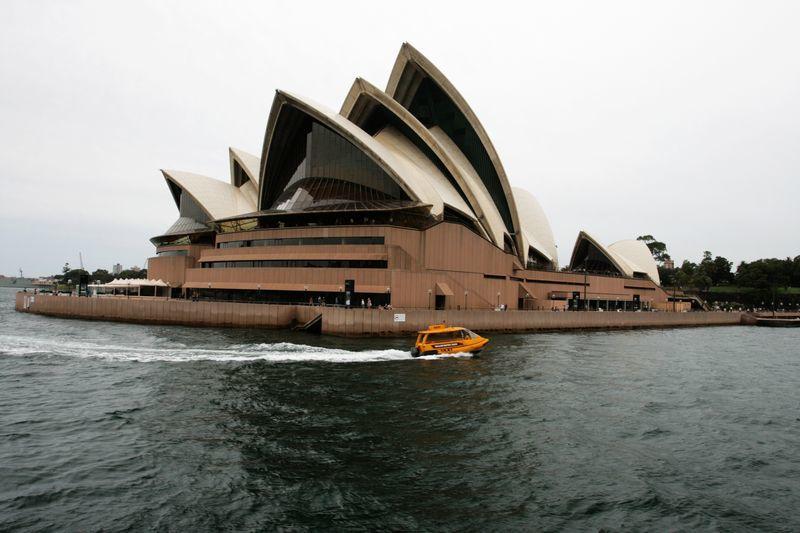
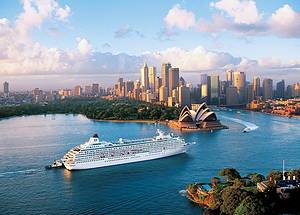
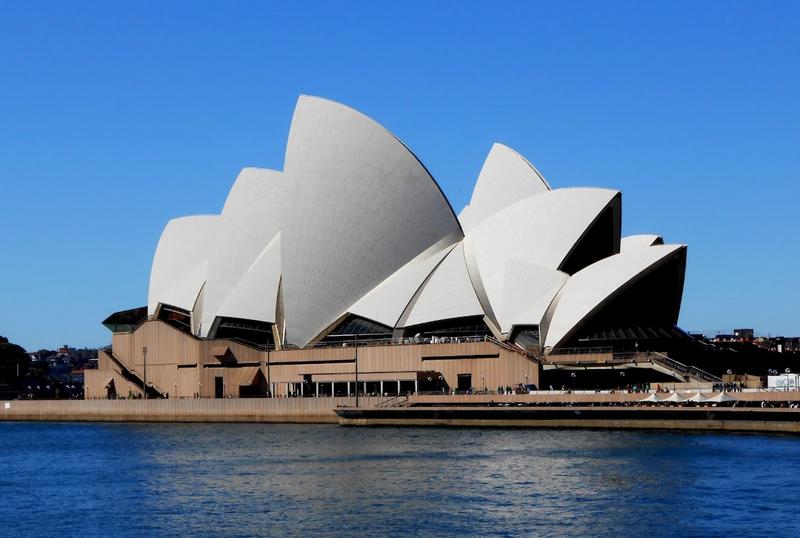
The Sydney Opera House, a famous building in Australia, is located at the convenient Lang Jiao in the magnificent Sydney Harbor. Its white sculptural body is uniquely shaped, like a scattered shell, and is intertwined with the Sydney Harbour Bridge, celebrating together. Construction began in 1959 and lasted for 14 years before being completed in 1973 as a landmark building in Sydney. On June 28, 2007, the Sydney Opera House was named a world cultural heritage site by the United Nations Educational, Scientific and Cultural Organization. Every year, thousands of tourists come to visit this building and experience its unique charm.
The Sydney Opera House consists of two large main halls, a small theater, a concert hall, and other ancillary facilities. The two halls are located within a unique competition sail-shaped structure, while the small theater is located within the lower base. The concert hall can accommodate up to 2,679 spectators and has the world's largest mechanical timber-linked organ, consisting of 10,500 wind pipes. The smaller of the two main halls is actually the opera house. Because the larger hall was originally built as an opera house, the stage of the smaller hall is relatively small, making it difficult to accommodate large orchestral performances. Therefore, the completed opera house stage was demolished and rebuilt.
Every day, the Sydney Opera House provides guided tours in Mandarin Chinese for 30 minutes, leading tourists to experience the wonders of this building. From any angle, the Sydney Opera House's design is breathtaking, like an art temple that stands out on its own.
1
km
2
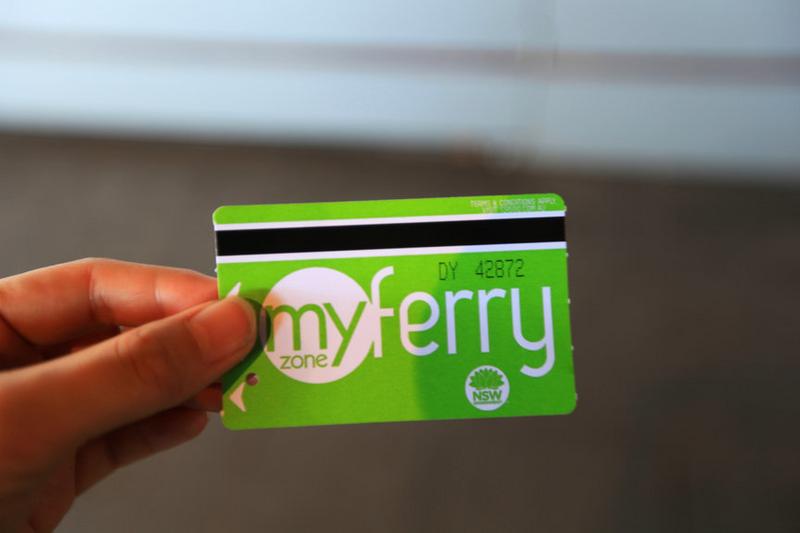
Circular Quay, located in the Sydney area of New South Wales, Australia, is situated between the convenient Langkou and the rocky area, near the northern part of Sydney's central business district in Sydney Bay. As part of the Sydney municipal government area, Circular Quay is a popular tourist destination where families of all sizes can enjoy the holiday season and leave behind happy memories. The quay consists of five small docks where tourists can depart for 28 different destinations. Every day, large numbers of overseas tourists take ferries to famous attractions such as the seaside, Taronga Zoo, Olympic venues, Elizabeth Farm, and the bay.
Circular Quay consists of facilities such as seaside promenades, pedestrian shopping centers, parks, restaurants, and cafes, as well as train stations and multiple ferry terminals, making it easy for visitors to get around. The quay's shape is semi-circular, initially called the "Semi-Circular Quay," and later simplified to its current name.
1
km
3
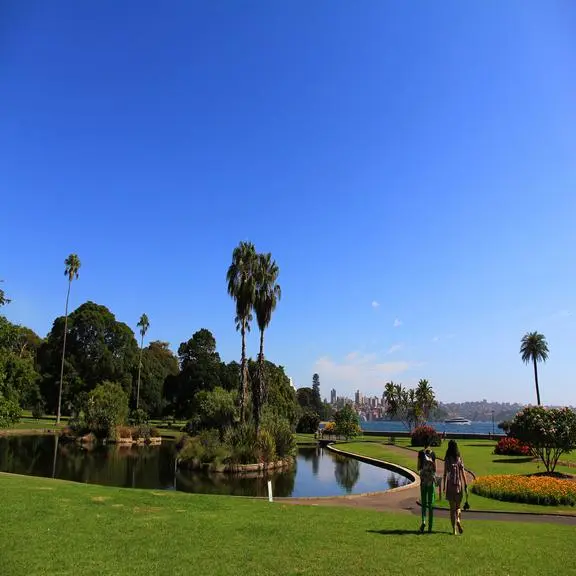
The Royal Botanic Garden is located behind the Opera House and is home to many unique Australian plants. During the colonial era, it was the site of the Governor-General's residence and later became the location of the New South Wales government. Along the garden's east side, the Queen Elizabeth Walk leads directly to Mrs. Macquarie's Point. Free guided walks are offered daily. The endpoint of the walkway is a platform known as "Mrs. Macquarie's Chair" that offers iconic views of the Sydney Harbour Bridge and Opera House. It is also a common sight in travel books.
2
km
4

Darling Harbour is located in Sydney, New South Wales, Australia. It is a large area dedicated to free activities and pedestrian-only zones, situated in the central western part of the Sydney Central Business District.
Day2: Sydney
3 attraction(s) ·
168 km

2

Indoor/outdoor shopping centre with casual international restaurants & a late-night supermarket.
84
km
3

Day3: Sydney
2 attraction(s) ·
3 km
1
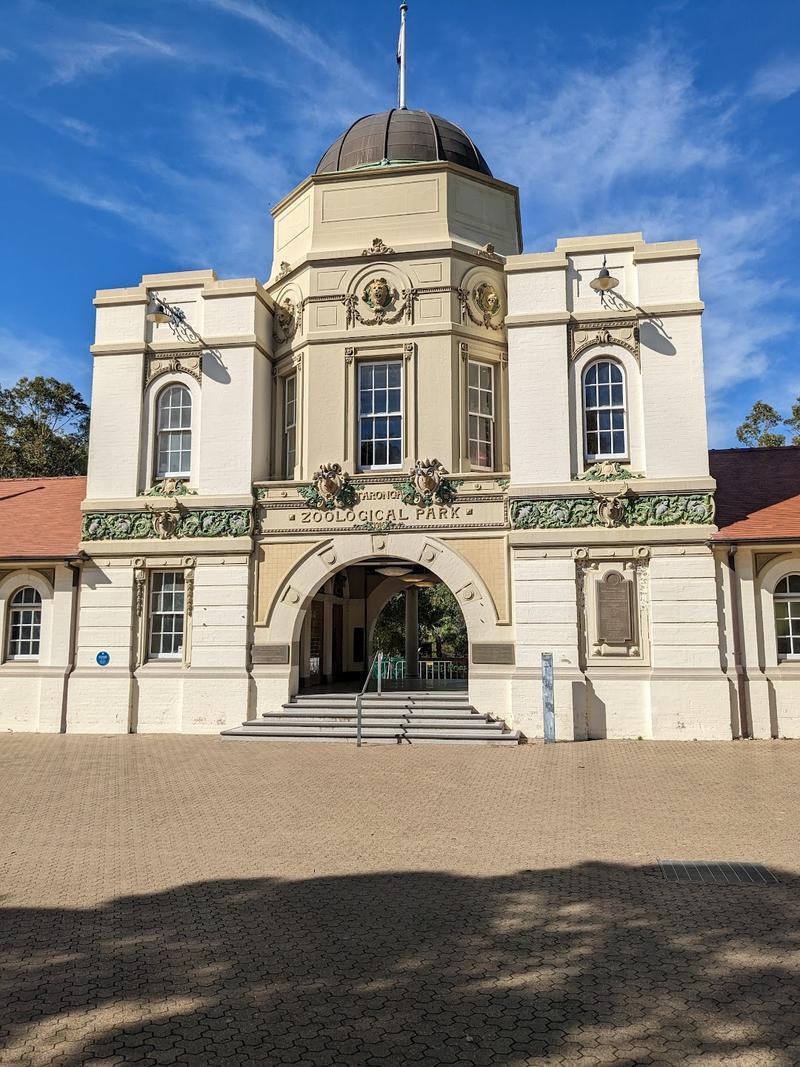
Harbourside animal attraction with over 350 separate species & a ferry service to the city centre.
3
km
2

Longstanding fun park reopened in 2004 after redevelopment, including a big top & a Ferris wheel.
Day4: Sydney
2 attraction(s) ·
8 km
1
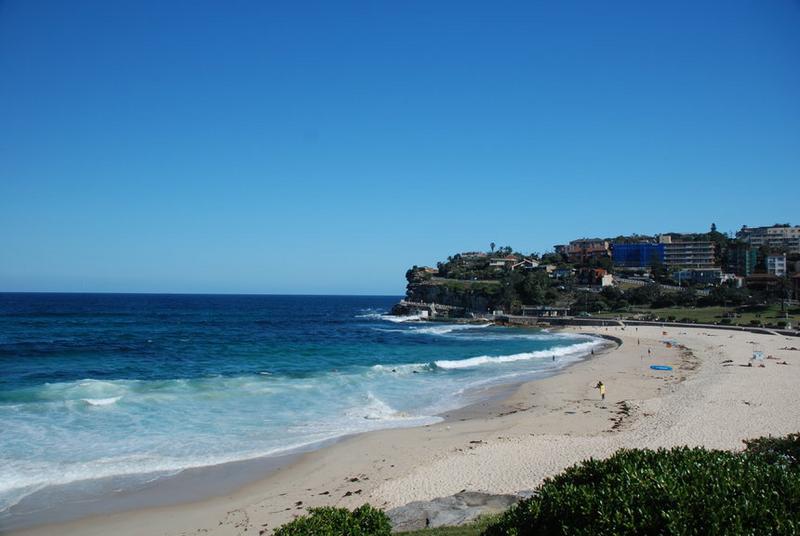
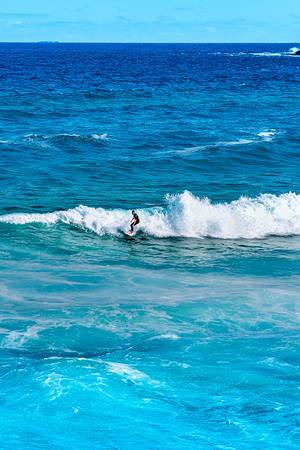
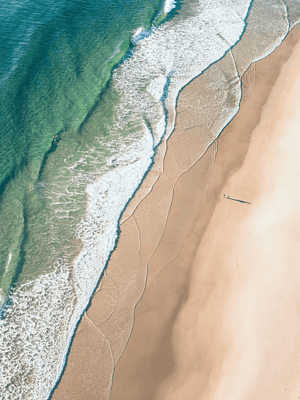
According to legend, this crescent-shaped beach is named after legendary surfer Bondi. Bondi Beach is located on the eastern coast of Sydney, 15 kilometers from the city center. The 1.5-kilometer-long beach faces the Pacific Ocean, with strong winds and high waves, and is one of the two major surfing resorts in New South Wales. Along the coast, there are a variety of diverse restaurants, cafes, surf shops, and souvenir stores.
8
km
2
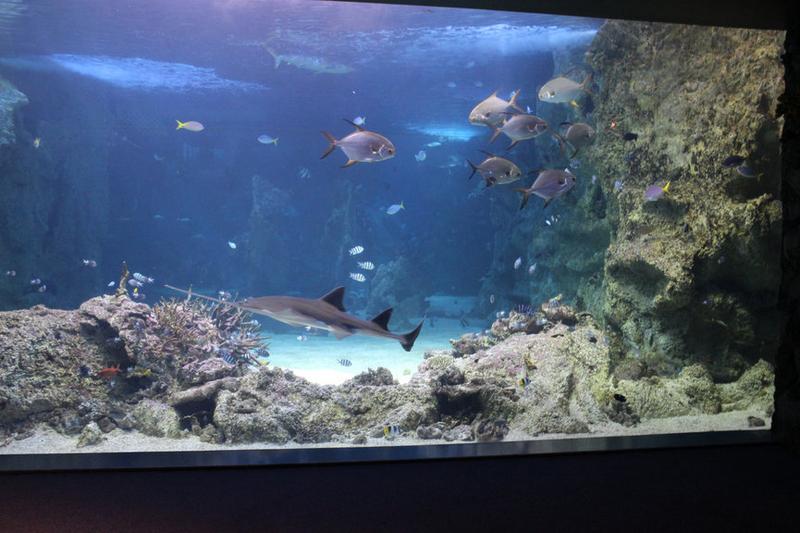
Australia's marine ecosystem is incredibly rich, with over a thousand species of Australian marine life found in the Sydney Aquarium. Underwater creatures from different regions such as the Great Barrier Reef, Tasmanian waters, and mangroves can all be seen here. The variety of shark species here is particularly impressive, ranking first in the world. It's a must-visit destination for families with children, as they can come face to face with vibrant marine creatures and ignite their natural curiosity, while also learning fascinating ocean knowledge through play. Through the glass windows, visitors can admire the colorful behaviors of the marine life up close.
Day5: Sydney
3 attraction(s) ·
34 km
1

Established in 1953, Feathertail Wildlife Park has become a popular attraction in Sydney. The park is home to over 2,000 different species of animals, categorized into reptiles, insects, nocturnal creatures, birds, kangaroo area, and butterfly area. Visitors can see lizards, pythons, turtles, crocodiles, kangaroos, butterflies, peacocks, penguins, and even have the opportunity to hand-feed kangaroos or ostriches, as well as get up close with adorable koalas.
33
km
3
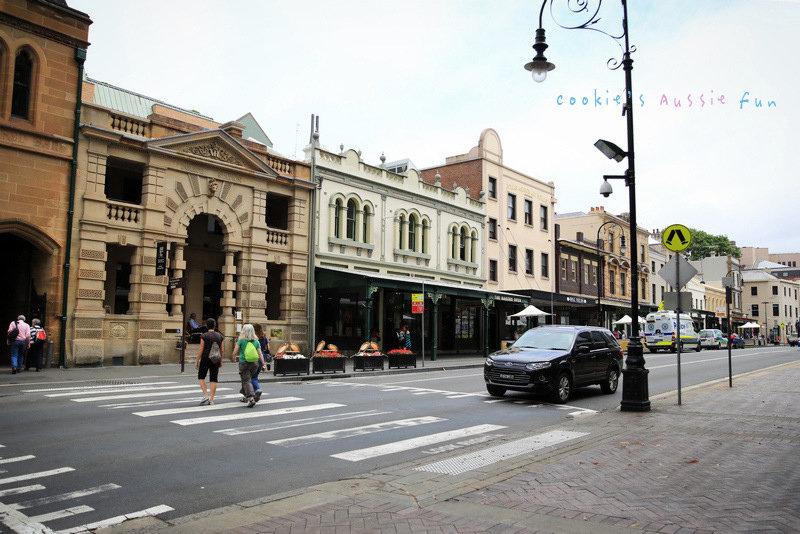
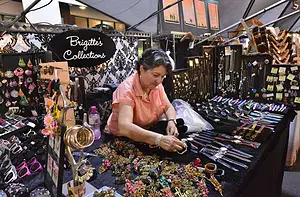
The Rocks is one of the most vibrant areas in Sydney. Its name comes from the early days of the colony, when most buildings were made of local sandstone. This historic area was once a gathering place for sailors, merchants, criminals, and prostitutes, and was also the site of the outbreak of the bubonic plague in 1900 that claimed the lives of 100 people. In the 1920s, many streets were destroyed to build the southern transportation channel Sydney Harbour Bridge. It was not until the community reconstruction of the 1970s that this area became a popular tourist destination. The Rocks has many attractions worth visiting, such as Nurses Walk and Suez Canal, ancient warehouses such as Chui Bell Bay, and Esjen Park under Sydney Harbor Bridge. George Street, the main street of The Rocks, is Australia's first street, with many historic streets, artistic cafes, craft shops, restaurants, and art galleries. There are also markets to visit on weekends, but prices are not very cheap. It should be noted that some vendors do not allow photography, so photography enthusiasts should pay attention.