[6-Day-5-Night Bangkok-Pattaya Tour] Highlights Exploration with Food & Shopping Enjoyment under Sunny Beaches.
2 cities |
14 attraction(s) |
total distance 391
km
 TIPS
TIPS
Day1
Day2
Day3
Day4
Day5
Day6
Day1: Bangkok
2 attraction(s) ·
29 km
1
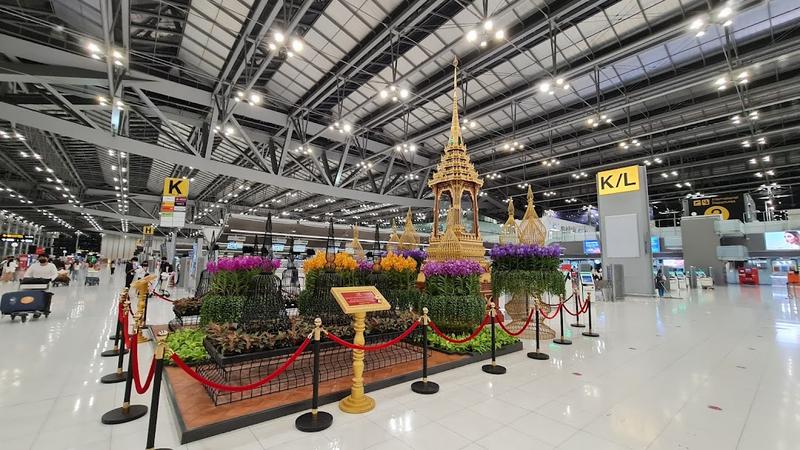
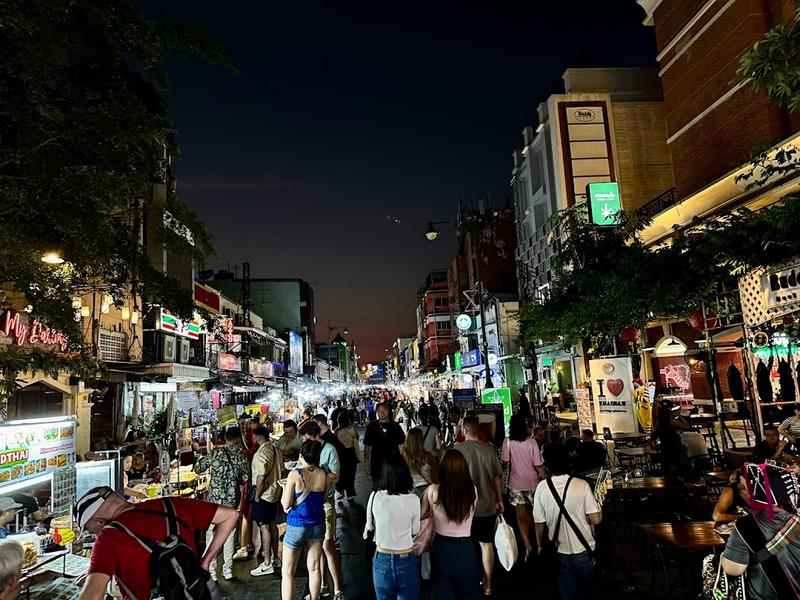
This Bangkok-area airport is one of Asia's busiest & has amenities such as a spa & a playground.
29
km
Day2: Bangkok
4 attraction(s) ·
7 km
1
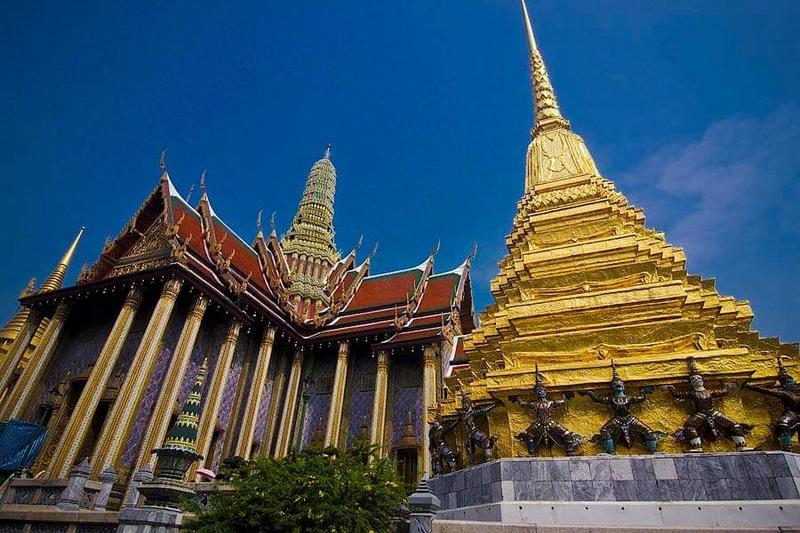
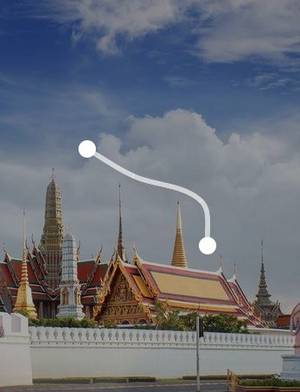
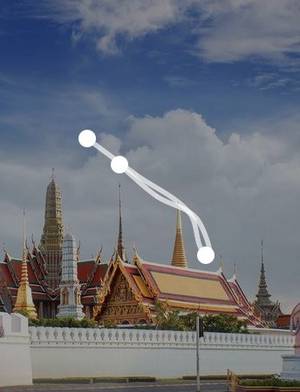
Built in 1782, this ornate royal palace complex now houses a museum & is open to visitors.
1
km
2
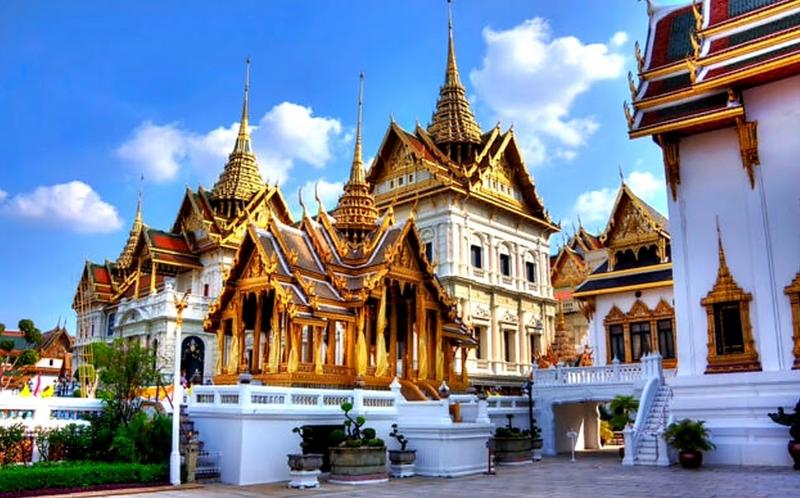
On the grounds of the Grand Palace, this sacred temple is renowned for its Emerald Buddha.
4
km
3
The Zabaykalsky Krai, located in eastern Siberia, is Russia's largest federal subject. It borders Mongolia and China to the south and shares its eastern border with the Amur Oblast. The region is known for its stunning natural landscapes, including Lake Baikal, the world's deepest freshwater lake, and the picturesque landscapes of the Trans-Siberian Railway. With its rich cultural heritage and diverse wildlife, the Zabaykalsky Krai offers visitors a unique and unforgettable travel experience.
4
km
4
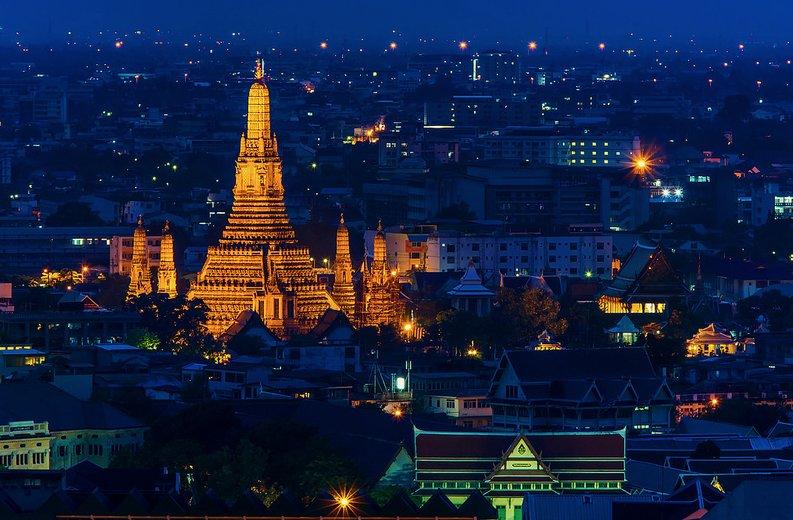
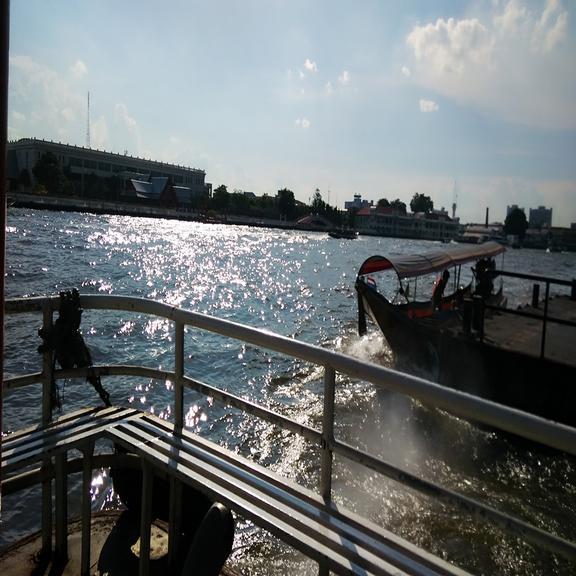
Wat Arun or the Temple of Dawn is a Buddhist temple located on the west bank of the Chao Phraya River in Bangkok, the capital of Thailand. It was completed in 1809 and underwent renovations in 1847. With its towering main spire reaching 82 meters in height, Wat Arun is known as the "Eiffel Tower of Thailand" and is the largest Mahayana-style pagoda in the country. The temple complex also includes two smaller temples, one of which houses various Buddha statues. Wat Arun is a significant cultural landmark and one of the most visited temples in Bangkok.
Day3: Bangkok
3 attraction(s) ·
6 km
1
4
km
2
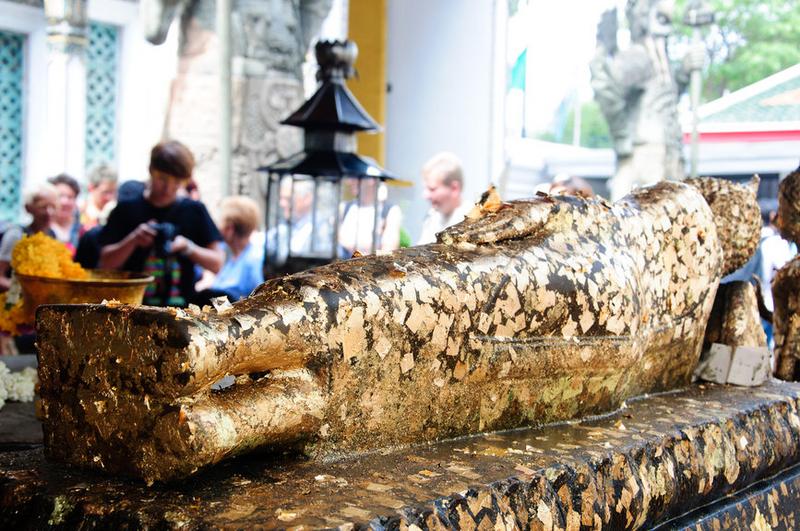
Wat Pho, also known as the Temple of the Reclining Buddha, is located near the Grand Palace in Bangkok. Built in 1788, it is one of the oldest and largest temples in Thailand. The temple is divided into the main temple area and the monastery area, and visitors can explore the main temple area. This area is further divided into the main hall area and the stupa courtyard area, with one of the highlights being the giant reclining Buddha statue inside the main hall. The statue is 46 meters long and 15 meters high, making it one of the iconic landmarks of Wat Pho and a popular spot for photography. The statue is adorned with exquisite mother-of-pearl inlays and 108 auspicious symbols, as well as beautiful murals and gold leaf designs on the windows. Along the corridor, there is also a row of 108 monk bowls where visitors can make offerings with coins and make wishes. Wat Pho is also the earliest university in Thailand, with a heritage in medicine and traditional Thai massage. It has undergone two reconstructions and has a long history. Thai culture has been influenced by China, so one can see the presence of Chinese elements in the architecture and sculptures of the temple. Even after the reconstruction, Wat Pho continues to attract many visitors from around the world.
2
km

Day4: Pattaya
2 attraction(s) ·
1 km
2
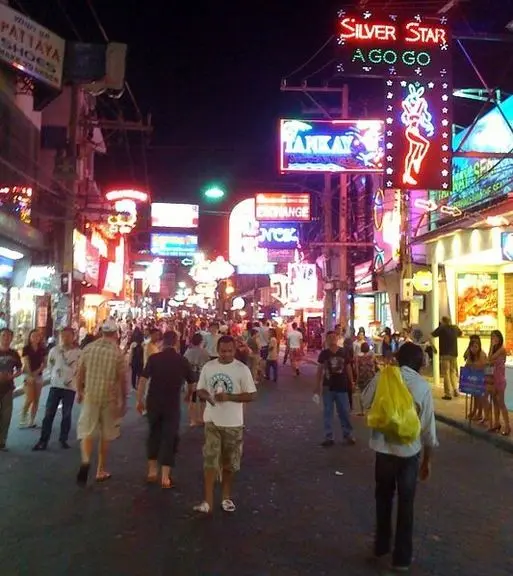
Walking Street in Pattaya presents a completely different atmosphere during the day and at night. During the day, the entrance of the street is calm, but at night, it lights up with bustling crowds, bars, and various street food stalls, becoming a must-visit place for tourists. Here, you can taste delicious seafood dishes and enjoy music performances and Muay Thai shows in the bars.
Additionally, on the last weekend of November and December 1st (International AIDS Day), there is a gay parade on the streets of Pattaya, with various parties and events taking place. It is also the only gay beach in Pattaya.
Day5: Pattaya
2 attraction(s) ·
75 km
1
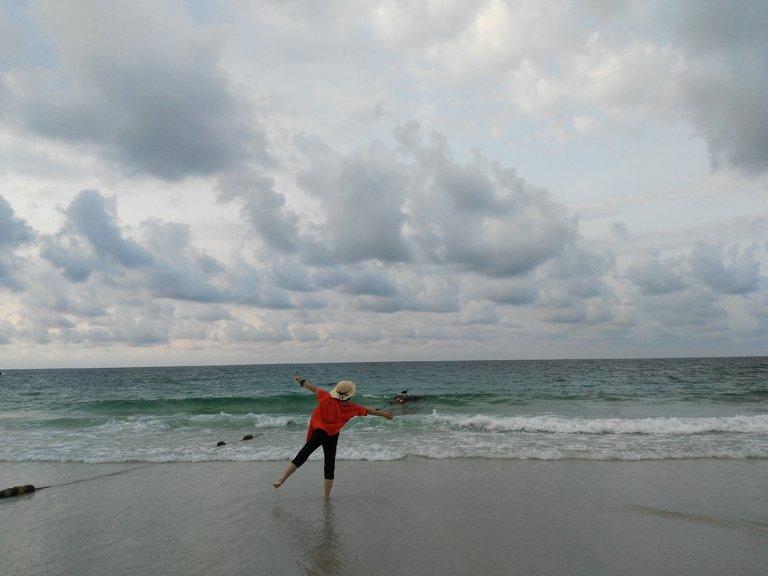
"Samui Island is named for its beautiful beaches, with very fine sand. The island has Thailand's most beautiful beaches, and visitors can enjoy snorkeling, water skiing, and windsurfing year-round. Due to its unique charm and popularity among foreign tourists, it is an ideal holiday destination."
75
km
Day6: Bangkok
1 attraction(s) ·
0 km
1
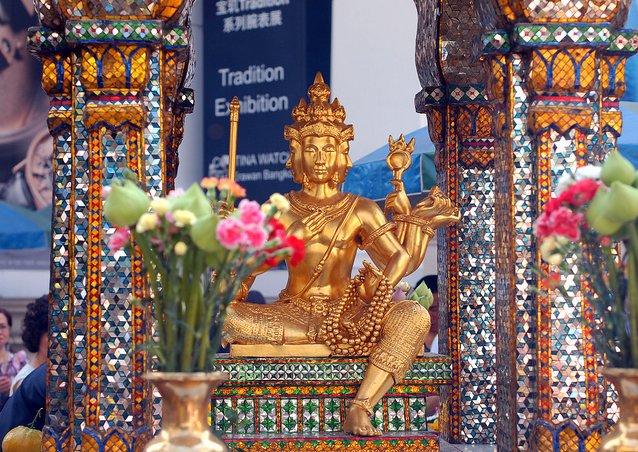
The famous Four-Faced Buddha in Thailand is a miraculous statue, known as the "Fulfiller of Wishes" Buddha. Every day, worshippers from around the world come to pay homage. The Buddha has four faces, representing love, career, health, and wealth. Visitors can worship each face in a clockwise direction and mention their birthdate and time. Inside the Four-Faced Buddha, one can purchase incense, candles, and garlands for worship at a fair price. Offerings include elephants, flowers, and coconuts. After worship, one can ask for a bottle of holy water from the fellow worshippers and remember to fulfill their vows when their wishes come true. The order of worship is important. Enter through the main gate, worship the first face, and then proceed clockwise to worship the remaining three faces before washing hands and face from the water basin. The first face represents career, the second face represents love, the third face represents wealth, and the fourth face represents peace and wisdom.