Discover Japan: Tokyo to Kyoto in 13 Days
8 cities |
25 attraction(s) |
total distance 1639
km
 TIPS
TIPS
Day1
Day2
Day3
Day4
Day5
Day6
Day7
Day8
Day9
Day10
Day11
Day12
Day13
Day1: Tokyo
2 attraction(s) ·
2 km
1
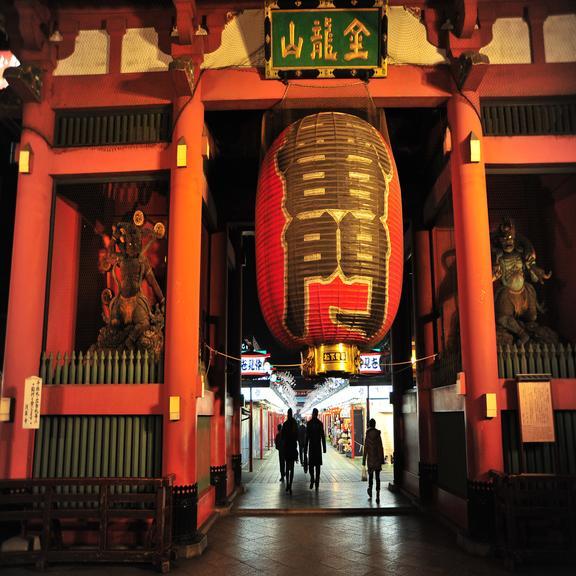
Sensoji Temple is the oldest temple in Tokyo, built in 628. According to legend, a fisherman discovered a golden statue of the goddess Kannon and built a tower to enshrine it in the same spot. Later, it was expanded into its current size. During the Edo period, Tokugawa Ieyasu ordered the rebuilding of Sensoji Temple, which gradually became a cultural center.
Climbing the gate with a giant lantern, the Kaminarimon gate, is one of the symbols of Asakusa and even Japan. In the middle of the gate are statues of the gods of thunder and wind, and its formal name is "Furaijin Gate."
Through the shopping street, you can see the main hall, which gradually became prosperous because Ieyasu designated it as a place of prayer for the shogunate. In the northeastern corner of Sensoji Temple, there is also Asakusa Shrine, which was built in the Heian period and has an elegant and beautiful architectural style.
Every May, Sensoji Temple holds the Sanja Festival, one of the three major festivals in Edo, which is the grandest event in Asakusa. This festival originated in the Edo period and fully displays the traditional culture and human emotions of the time. In the activity of carrying the shrine, several dozen people dress up in the style of the old-fashioned and gather from various directions to Sensoji Temple, creating a lively atmosphere.
2
km
2
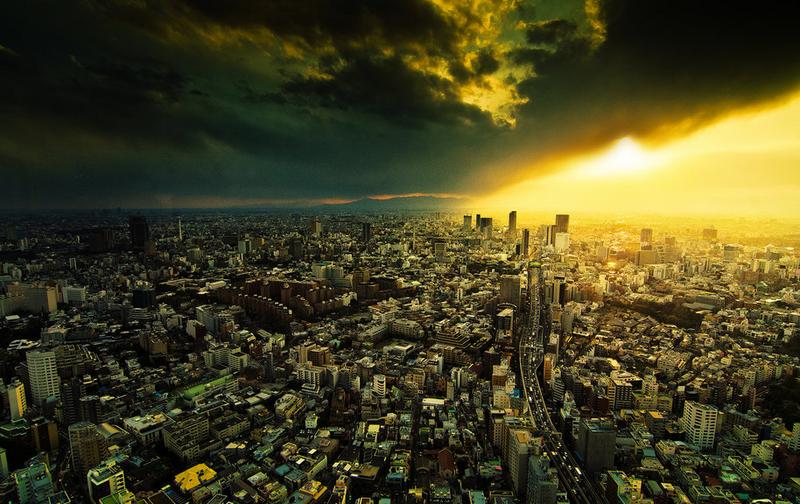
Tokyo Skytree, also known as Tokyo Solamachi, is the new landmark of Tokyo. It was completed on February 29, 2012, and opened to the public on May 22, 2012. With a height of 634 meters, it has two observation decks located at 350 meters and 450 meters respectively. Here, you can enjoy the beautiful scenery of Tokyo and indulge in various leisure facilities such as shops, restaurants, and cafes. What's more, the shopping mall under this tower offers free admission, providing unlimited convenience for your shopping experience. And you can buy specialties from all over Japan in this mall, making it an excellent choice for shopping in Japan.
Day2: Tokyo
2 attraction(s) ·
2 km
1
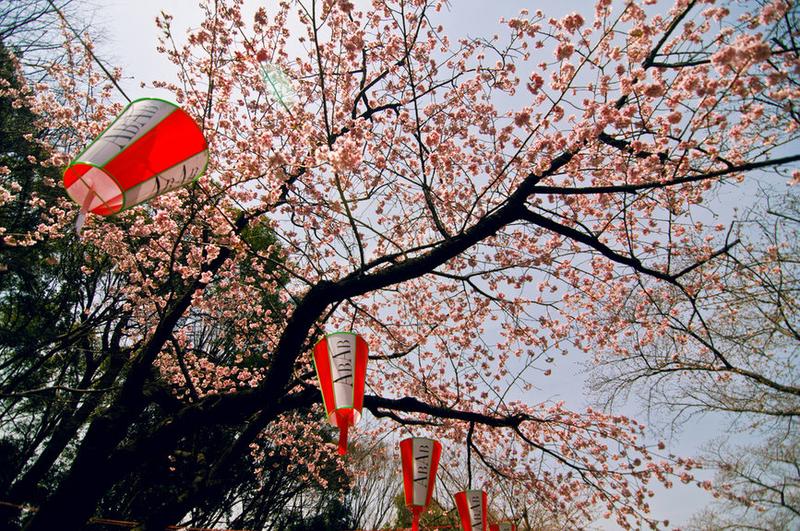
Ueno Park is one of Tokyo's famous parks, covering a large area and hosting multiple facilities such as a zoo, art museum, and museums. It also has a rich natural landscape, including famous landmarks such as Shinobazu Pond and Takegata Fountain. The park's most famous symbol is the bronze statue of Takamori Saigo. In spring, Ueno Park is a popular spot for cherry blossom viewing in Tokyo, where visitors can admire the beautiful cherry blossoms in full bloom.
2
km

Day3: Hakone
2 attraction(s) ·
5 km
2
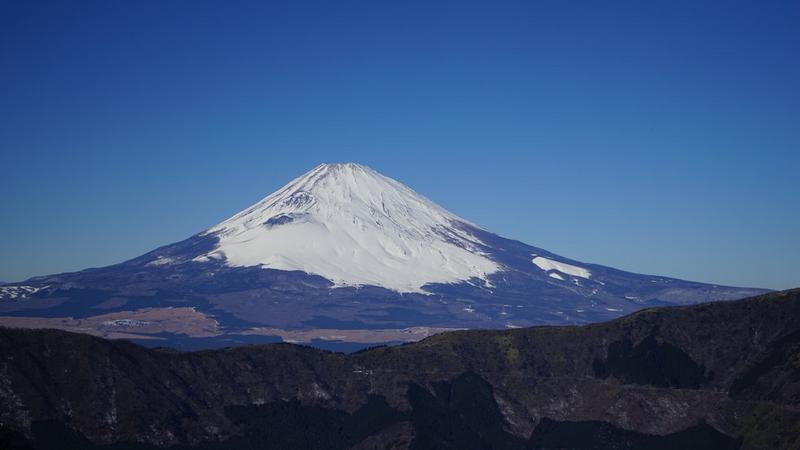
Owakudani in Hakone is a famous tourist spot and hot spring resort near Tokyo. It is the site of volcanic activity with constantly gushing hot springs and white gas clouds, reminiscent of volcanic eruptions from around 3,000 years ago. From the observation points, visitors can enjoy a magnificent view of Mount Fuji. Viewing Owakudani from the cable car, one deeply feels the name "Hell Valley." Although the spring water in Owakudani is toxic, it is a popular tourist spot with rich activities, including the famous "Hot Spring Black Eggs." Boiled with high temperature sulfur spring water, the eggshells turn black due to the sulfur in the water, making the eggs even more delicious. In addition, visitors can see the eruptions of sulfur gas and, on clear days, enjoy an almost close-up view of the beautiful Mount Fuji. For "EVA" anime fans, Owakudani is where the protagonist Shinji finally stops, and the desolate mountain walls and white gas clouds match perfectly with scenes from the animation.
Day4: Kyoto
2 attraction(s) ·
4 km
1
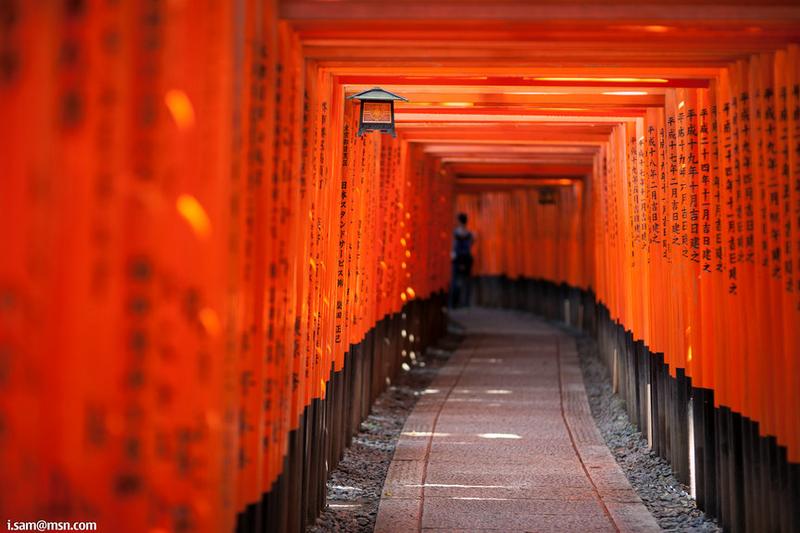
Fushimi Inari Taisha is located at the foot of Mount Inari in the southern part of Kyoto, with a long history. Legend has it that the agricultural deity Inari enshrined here can bless business prosperity and abundant harvest, attracting many pilgrims to worship. Foxes are considered messengers of the gods, so there are many different-shaped fox stone statues and fox-faced prayer plaques, showing people's reverence for foxes. Fushimi Inari Taisha is not only worth visiting for its main building, but also known for its "Senbon Torii" or "Thousand Torii Gates". This path to the mountaintop is lined with hundreds of vermilion-colored torii gates, spanning about 4 kilometers in total. It takes 2-3 hours to walk round trip to the mountaintop. This route is one of the representative landscapes of Kyoto and has appeared in the movie "Memoirs of a Geisha", leaving a deep impression with the scenes featuring the backdrop of the thousand torii gates.
4
km
2
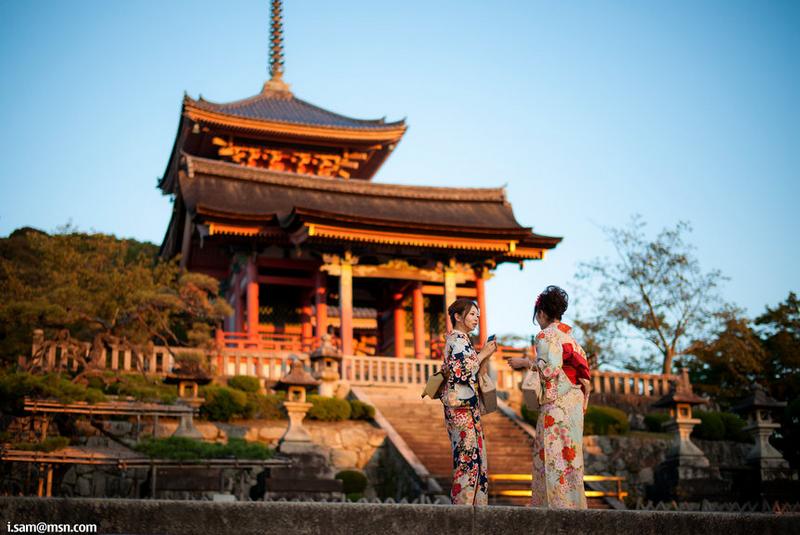
Kiyomizu-dera is a historical temple located on Mount Otowa in the eastern part of Kyoto. It was first built in 778 and has been rebuilt several times, with the current structures mostly dating back to the period between 1631 and 1633. The temple's main hall, Niomon Gate, Western Gate, Three-story Pagoda, and Bell Tower have been designated as national treasures and important cultural properties. The most famous feature of the temple is the Kiyomizu stage, a platform that was built without using a single nail and is located on a cliff, offering a panoramic view of the city of Kyoto. The temple also features the Otowa Waterfall, where three separate streams represent longevity, academic success, and finding love. In addition to the main temple, there are other buildings located throughout the grounds, such as the Three-story Pagoda and Zuigu-do Hall. Visitors can purchase tickets to participate in the "Womb World Walk," a prayer experience that symbolizes being inside the womb of a Bodhisattva. The upcoming "Kanji of the Year" event will take place at Kiyomizu-dera, and the Kyoto Kanji Association considers it a typical representative of Japanese temples. Kiyomizu-dera is designated as a UNESCO World Heritage Site and is considered one of the iconic landmarks of Kyoto due to its lush scenery and long history.
Day5: Kyoto
3 attraction(s) ·
6 km
1
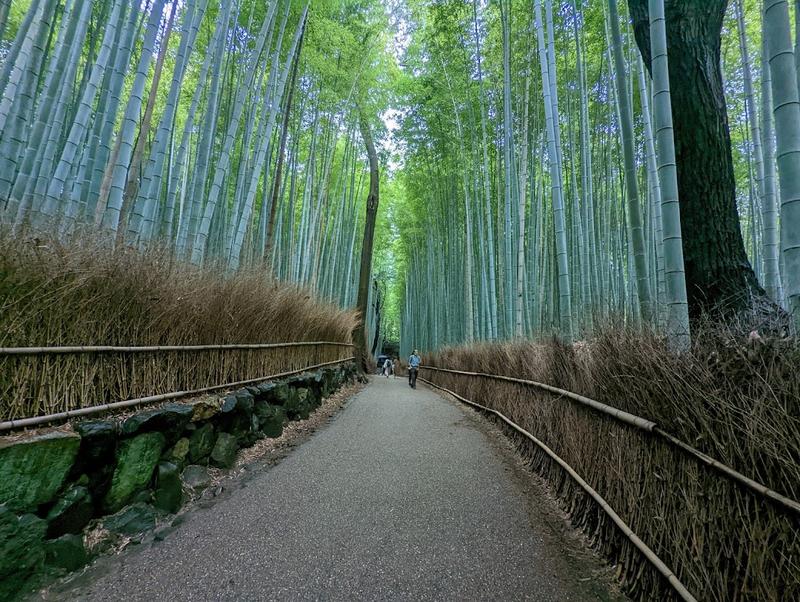
A popular sightseeing path runs uphill through this forest of towering bamboo stalks.
1
km
2
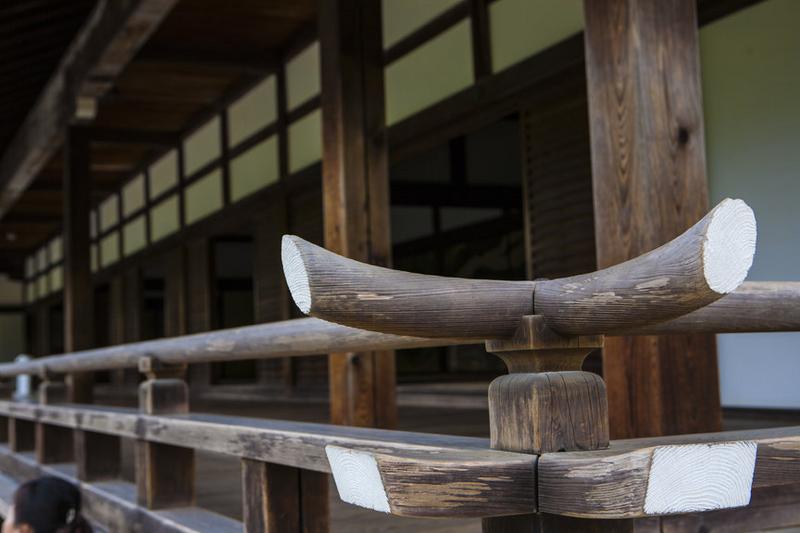
Tenryuji Temple is located in Sagano, Ukyo Ward, Kyoto City, Japan. It is one of the head temples of the Rinzai sect of Zen Buddhism. The temple is also known as "Ryoan-ji" and its mountain name is "Ryugei-san". The main statue enshrined in the temple is Shakyamuni Buddha, and it was founded by Ashikaga Takauji. The temple was originally built to console the spirit of Emperor Go-Daigo. With its grand scale, Tenryuji Temple is considered the foremost of the Kyoto's Five Mountains and is designated as a Special Historic Site and a Special Place of Scenic Beauty in Japan. In 1994, Tenryuji Temple was included in the UNESCO World Heritage List as part of the "Historic Monuments of Ancient Kyoto".
6
km
3
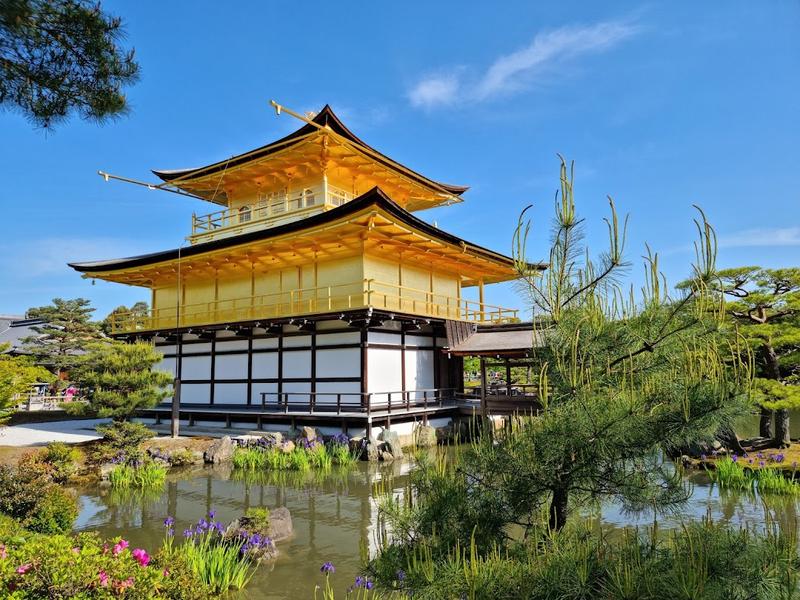
Historic, tranquil temple with a gold-leaf facade set amid landscaped gardens & a reflecting pond.
Day6: Nara
2 attraction(s) ·
1 km
1
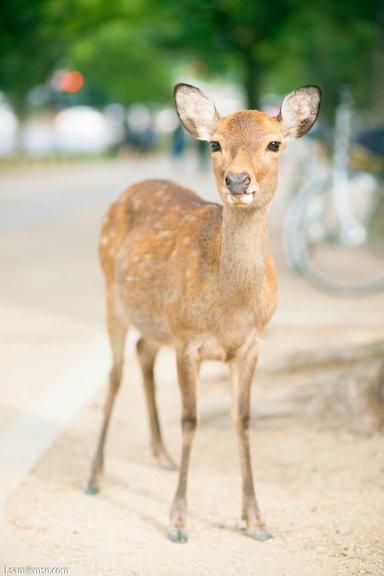
Encounter a fairy tale of deer and cherry blossoms, Nara Park is famous for its approximately 1,200 free-roaming deer. On the vast land area of 660 hectares, various cherry blossom trees, mainly including Yae-zakura, are planted.
1
km
2
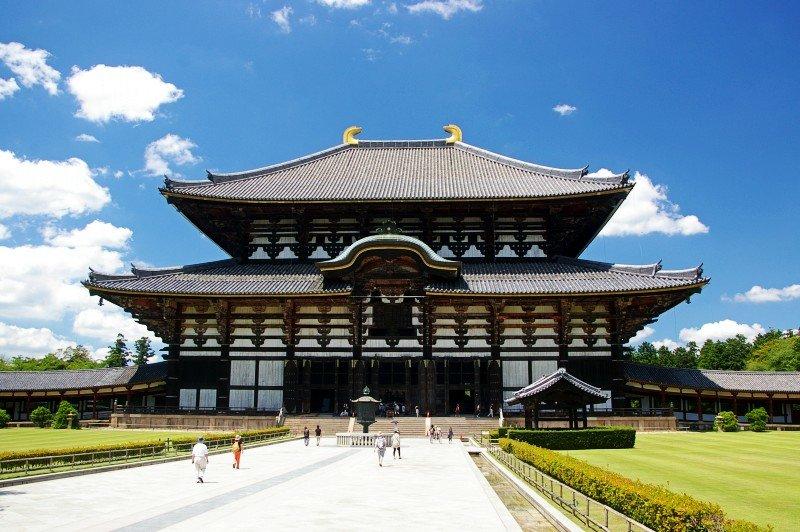
Todai-ji Temple is a famous temple of the Hua-yen Sect in Japan, also known as Da Hua-yen Temple, the Four Heavenly Kings Hall of the Golden Light Guard Temple, and so on. It is located in the eastern part of Heijo-kyo (now Nara), and is one of the seven great temples of the southern capital, with a long history of about 1200 years. In 1998, Todai-ji Temple was listed as a World Cultural Heritage Site as a part of the historical relics of ancient Nara. The Great Buddha Hall of Todai-ji is one of the largest wooden buildings in the world, with a frontage of 57 meters and a depth of 50 meters. Within the Great Buddha Hall stands the 15-meter-high Rushana Buddha. In addition, there are other famous buildings in the Todai-ji Temple complex such as the South Gate, the February Hall, the March Hall, and the Shoso-in Repository, all having extremely high historical, cultural, and artistic value.
Day7: Osaka
2 attraction(s) ·
3 km
1
どうとんぼり
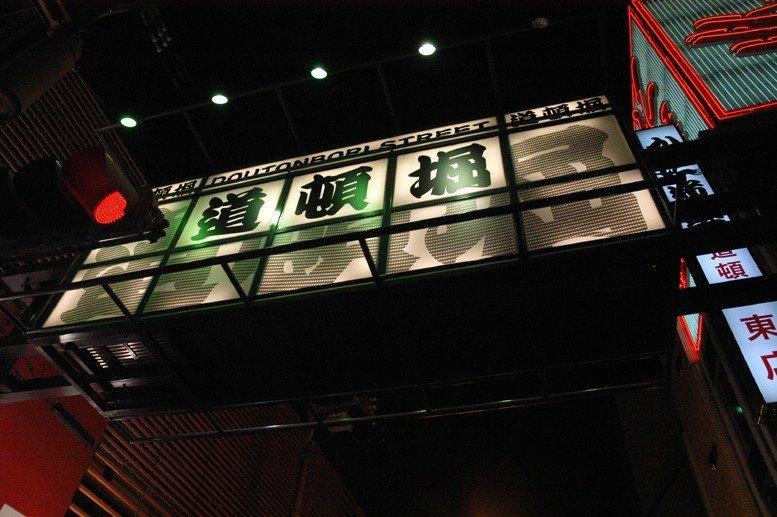
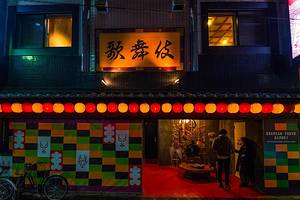
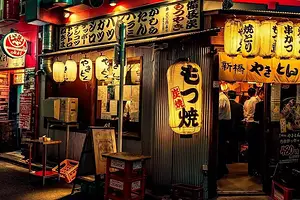
Dotonbori is Osaka's most bustling district and also the local food center. It is the birthplace of Osaka's food culture and attracts many travelers who come to taste the cuisine. From takoyaki, teppanyaki, yakiniku, kushikatsu, revolving sushi to fugu cuisine, it covers almost all of Osaka's characteristic cuisine, even inconspicuous small shops can serve delicious food. This longing food culture fully demonstrates the appetite of the people of Osaka, and it's not uncommon to eat until bankrupt.
If you want to recommend a few stores, it is recommended to try the “Kinryu Ramen” with always-long queues in front of the store, the teppanyaki original “Botechu” and the famous store “Konamon Museum”, where you can experience the experience of tasting and making takoyaki. In addition, “Osaka Ohsho” and “Kani Douraku” are also worth trying. The most authentic taste of these two nationally known chains is in their main stores.
In addition to food, you can also visit Hozenji Temple, go to the Matsuzakaza to enjoy Kabuki performances, take a walk along Dotonbori River at night, enjoy the colorful neon lights, and experience the feel of the Edo period.
3
km
2
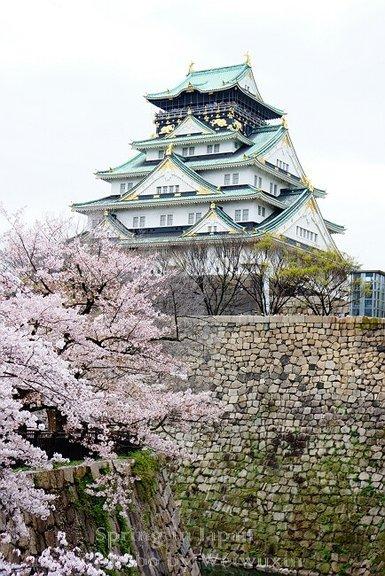
Osaka Castle is a famous scenic spot located in Osaka Castle Park in Chuo Ward, Osaka City, and is one of Japan's three famous castles in history. It was the residence of Toyotomi Hideyoshi during the Momoyama Period, and was therefore also known as the "Golden Castle" or the "Castle of Brocade". After experiencing two battles at Osaka, Tokugawa Ieyasu defeated the Toyotomi family and Osaka Castle became an important stronghold for the Tokugawa shogunate to control western Japan. The fortress and the surrounding town of Osaka Castle have a total length of about 7.8 kilometers, which is comparable to the size of the inner castle of Edo Castle in its early period. In the late Edo period, including the outer castle town, the circumference was about 15.8 kilometers, similar in size to the Old Shanghai County City and Suzhou Prefecture.
Day8: Osaka
2 attraction(s) ·
3 km
1
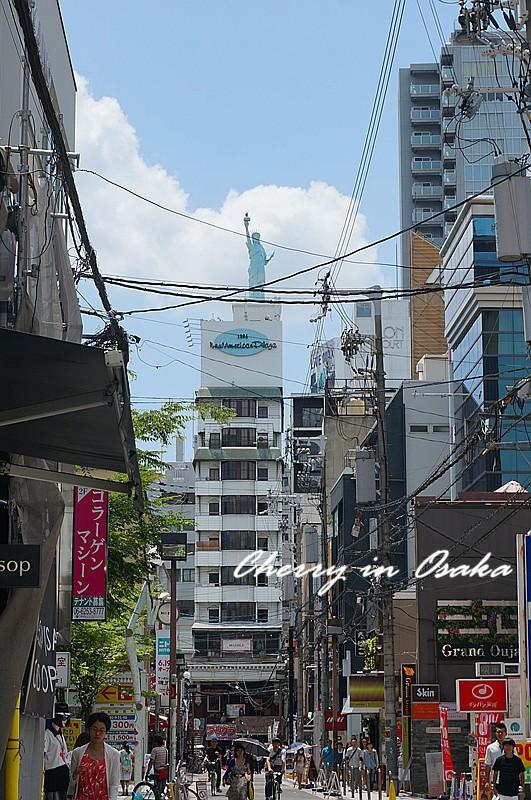
Located near Nishi Shinsaibashi in Osaka's Chuo Ward, America-mura is a shopping area that was transformed from warehouses to sell unique clothing and goods imported from the West Coast of the United States. It features numerous second-hand clothing stores, grocery stores, cafes, art galleries, flea markets, and various performances, attracting young people who admire foreign cultures. America-mura is known as Japan's "West Shibuya or West Harajuku," a cultural hot spot for fashion trends and individuality.
SHOAI is an American casual wear store that offers a range of popular and affordably priced jackets and shirts under various original brands. TenshiNoTsubasa is a 20-year-old shop that specializes in trendy bags and accessories with unique designs. Many of its items can only be found here and are not to be missed. VIP is a women's clothing shop that selects fashionable and rare styles from Los Angeles and New York, attracting many female customers. In addition, America-mura has many other stores and attractions worth exploring, with various events and performances every weekend to showcase youthfulness and vitality.
3
km
2
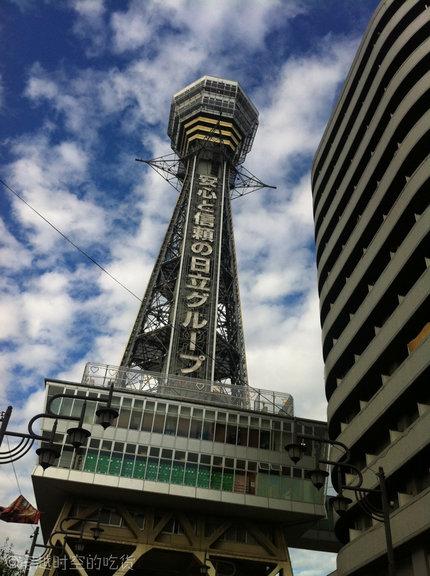
Tsutenkaku is a high-rise building that leads to the sky, inspired by the Arc de Triomphe and the Eiffel Tower in Paris. It was the tallest building in Japan at the time of its completion and is one of Osaka's iconic buildings, like Osaka Castle. On the top floor's observation deck, visitors can enjoy beautiful views of the surrounding area. On the fifth floor, there is a statue called "Fukusenzo" that is believed to bring good luck when you touch the soles of its feet. The neon lights on the top indicate the weather forecast, with white for sunny, orange for cloudy, blue for rain, and pink for snow.
The area near Tsutenkaku, called Shinsekai, is a paradise for local food in Osaka. Here, you can find a variety of specialty foods, including takoyaki, kushikatsu, motsunabe, and the more expensive fugu cuisine. These foods are all must-tries.
Day9: Hiroshima
2 attraction(s) ·
20 km
1

Iconic remains of the Industrial Promotion Hall which was destroyed by the atomic bomb during WWII.
20
km
2
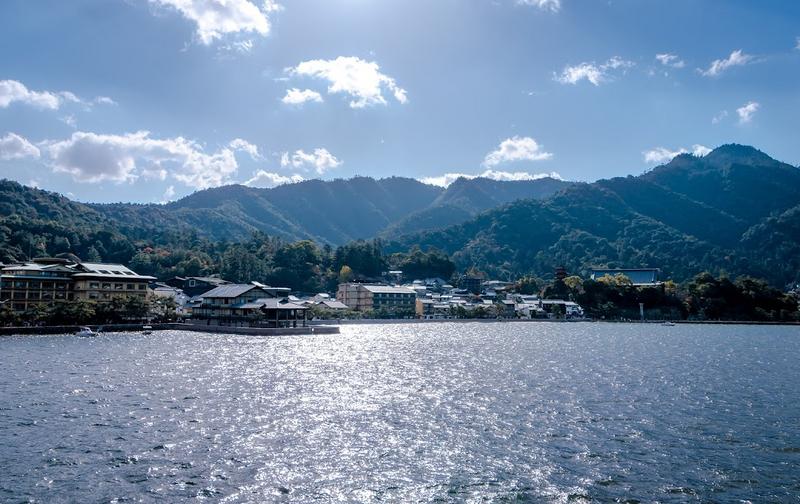
Island that's home to a number of temples & shrines, plus the Museum of History & Folklore.
Day10:
0 attraction(s) ·
0 km
Day11: Kanazawa
2 attraction(s) ·
1 km
1
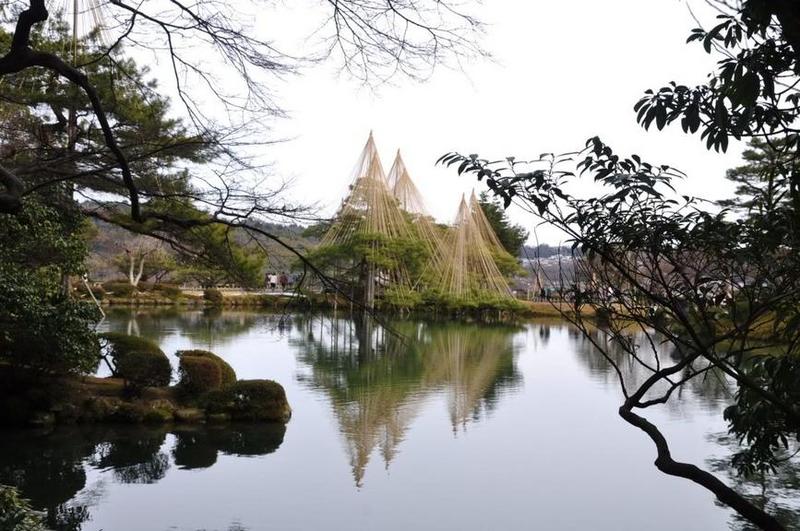
Kenrokuen Garden, located in the center of Kanazawa, Japan, is an elegant and exquisite Japanese-style garden. It is one of the three most famous gardens in Japan due to its grand scale and artistic beauty. The garden, which was constructed by several generations of the Maeda family, features a large central pond surrounded by Japanese-style rock formations and pavilions, offering panoramic views from any location. Inspired by an ancient legend, the design concept includes multiple small islands in the pond facing the sea, where immortal beings from myths reside, symbolizing eternal youth and prosperity for the Maeda family. Kenrokuen Garden is renowned for its unique landscape elements, including grandeur, tranquility, artistry, antiquity, water features, and distant views, making it a representative of Japanese gardens. The iconic koto-shaped lanterns scattered throughout the garden and the water fountains that use natural water pressure created by elevation differences are among its most famous features. Each season in Kenrokuen Garden showcases different natural beauty, including cherry blossoms and plum blossoms in spring, rhododendrons and irises in summer, vibrant autumn foliage, and a touch of poetic beauty with snow on the pine trees after November 1st each year.
1
km
2
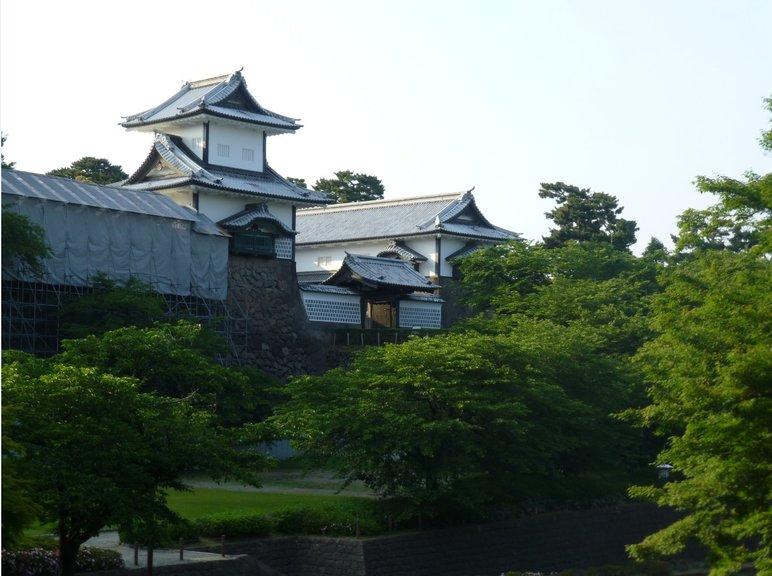
Kanazawa Castle is located in the Marunouchi neighborhood of Kanazawa, Ishikawa Prefecture, Japan, and is one of Japan's famous top 100 castles. During the Edo period, it existed as the residence of the Kaga clan lord, the Maeda family. Its castle ruins have been designated as an important cultural property of Japan. From Kenroku-en Garden, visitors can see the white Kanazawa Castle nestled among green trees. Kanazawa Castle was built in 1583 by Maeda Toshiie, the first vassal of Toyotomi Hideyoshi, as his residence. Although the old castle was not completely preserved due to historical reasons, the reconstructed diamond-shaped stone walls, fifty-long house, Hashizume-mon gate, and continuing corridor buildings recreate the castle's appearance from a hundred years ago, showcasing its pure beauty.
Day12: Nagano
2 attraction(s) ·
26 km
1
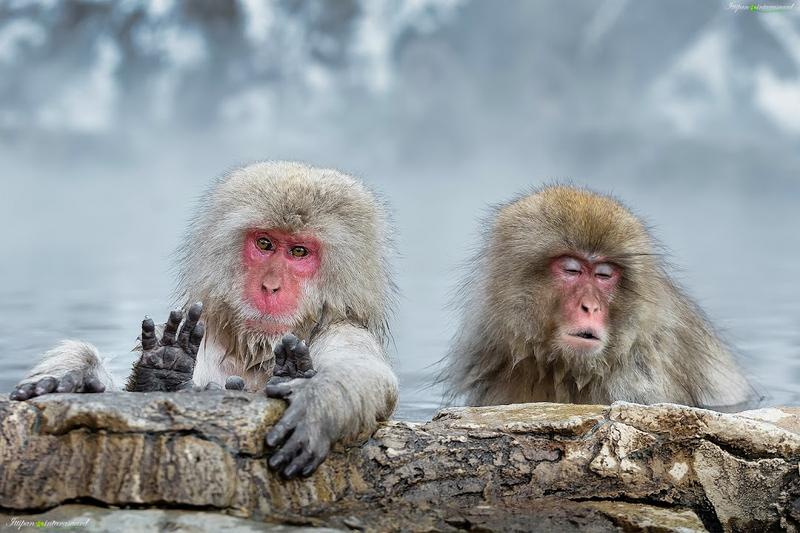
Destination for up-close viewing of snow monkeys in a secluded park accessible by long, scenic walk.
26
km
2
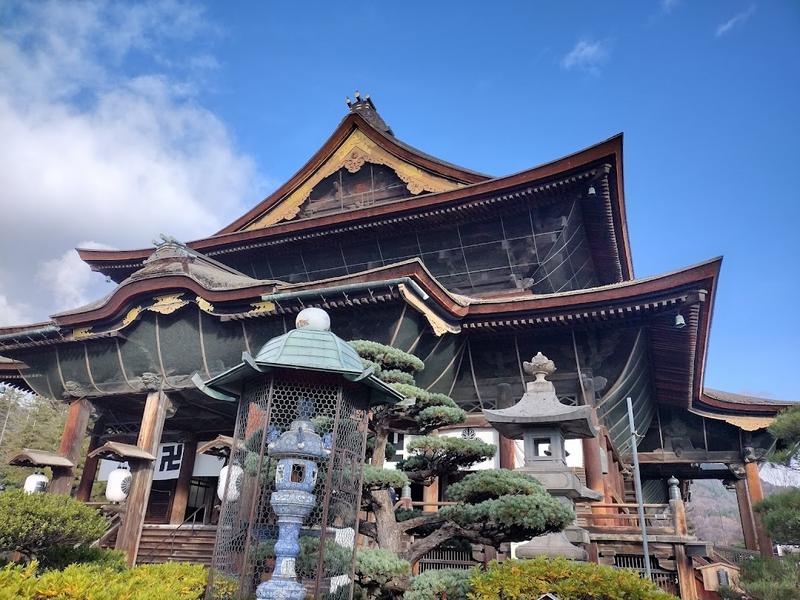
This renowned Buddhist temple founded in the 7th century features picturesque grounds & a museum.
Day13: Tokyo
2 attraction(s) ·
2 km

2
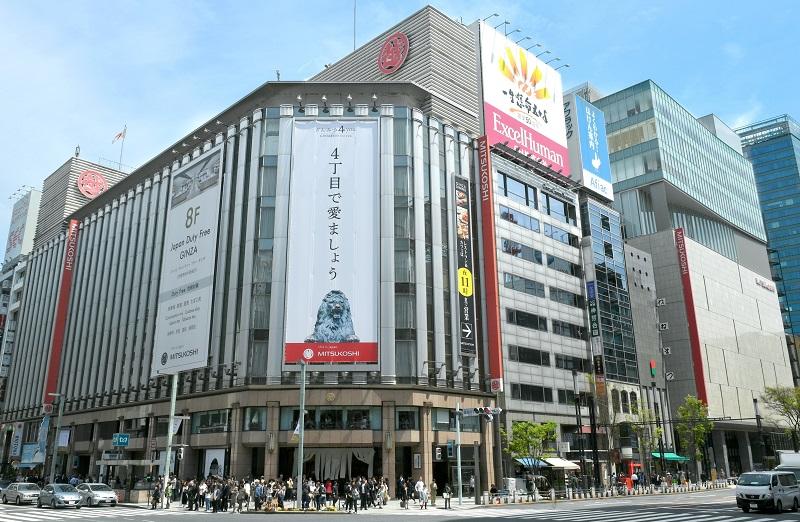
Department store offering designer apparel, housewares & cosmetics, plus a food hall & restaurants.