Enchanting Budapest: 3-Day Tour
1 cities |
8 attraction(s) |
total distance 11
km
 TIPS
TIPS
Day1
Day2
Day3
Day1: Budapest
3 attraction(s) ·
1 km
1
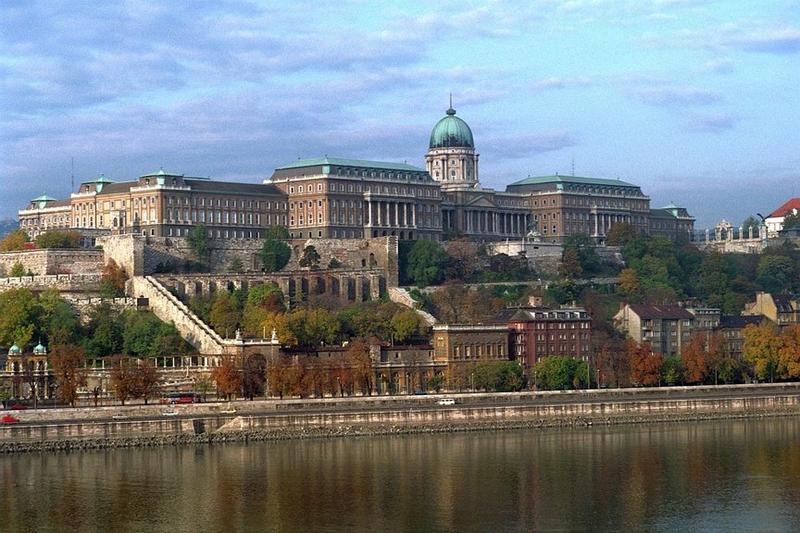
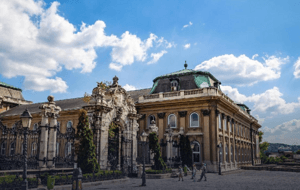
Located on Castle Hill in Budapest, Hungary, the building, known as the "Royal Palace" or "Royal Castle," occupies two-thirds of the entire area. The history of Buda Castle dates back to 1247, when Hungarian King Bela IV built the castle to prevent invasion by the Mongols. Later, Luxembourg King Sigismund converted the original building into a Gothic-style palace. From 1541 to 1686, the Ottoman Turks occupied Budapest, and the castle was used as a military camp and mosque. In the 17th century, the Habsburg dynasty drove out the Turks and rebuilt Buda Castle in the Baroque style. Today, Buda Castle is a museum and art gallery in Hungary, open to visitors for sightseeing. In 1987, the United Nations Educational, Scientific and Cultural Organization (UNESCO) listed Buda Castle as a World Heritage site.
1
km
2
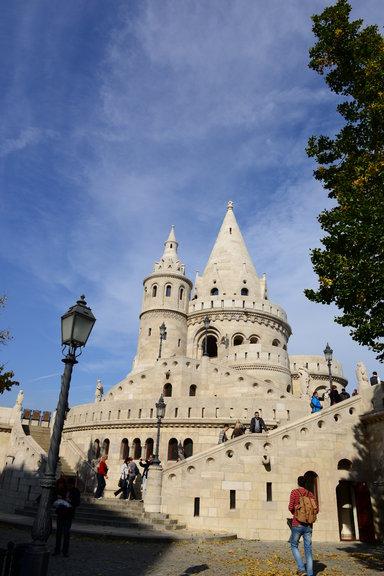
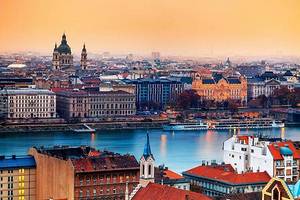
Located on the banks of the Danube River, Fisherman's Bastion is a famous architectural complex in Hungary. The two-story white buildings combine new Gothic, new Romanesque, and Hungarian styles, overlooking the Parliament Building. As one of the most outstanding buildings in Hungary, Fisherman's Bastion is on par with the Parliament Building and the Opera House. In medieval times, the fishermen here were responsible for defending the city walls, hence the name. The complex has seven turrets, each representing a leader from the seven Magyar tribes in 896 who led the Magyar nation to settle in the Carpathian Basin. Between Fisherman's Bastion and St. Matthias Church stands a bronze statue of St. Stephen. In the past, Fisherman's Bastion was open to the public for free. Today, the first floor has been converted into a cafe, and the second floor can be entered for free.
1
km
3
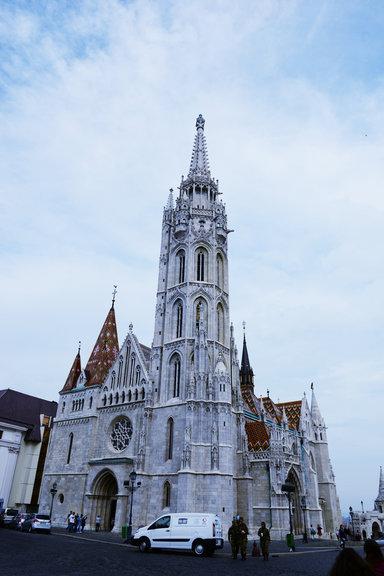
The Matthias Church, founded in 1015, is one of the historical and grand Gothic buildings in Budapest, Hungary. It was named after King Matthias, who led Hungary to rapid development of politics and culture in the 15th century, and established the largest library in Europe, the Corvinian Library, which collected historical, philosophical, and scientific achievements. Under King Matthias's rule, Hungary's economy, culture, military, and territory reached a peak in history and was deeply respected and loved by the people.
Originally named the Church of Our Lady, the church was renamed after King Matthias held his wedding here. Today, it has become a must-visit destination for tourists and hosts music concerts and church activities periodically. In addition, there is a memorial pillar on the nearby Szentháromság Square, which was established in the 18th century to commemorate the victory over the Black Death plague. King Matthias's contributions and influence not only made the church famous, but also brought waves of promotion for the development and progress of Hungary.
Day2: Budapest
3 attraction(s) ·
4 km
1
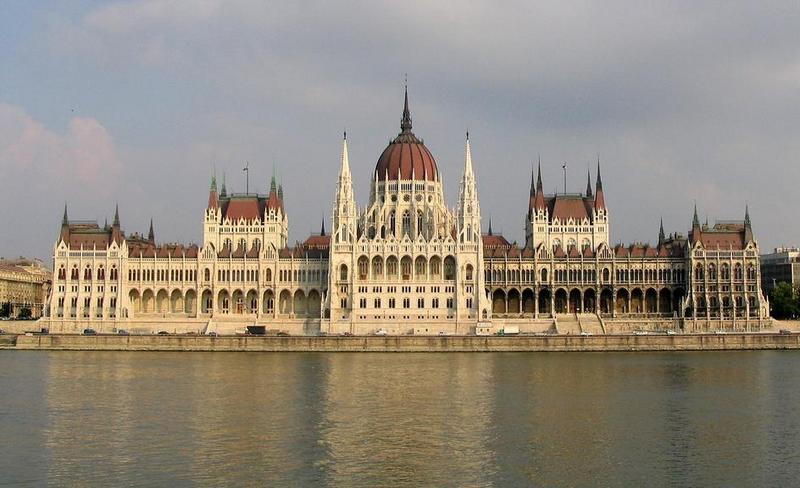
The Parliament Building is located in Budapest and is one of the largest and most famous parliament buildings in continental Europe and in Hungary, as well as one of the buildings built during the Austro-Hungarian Empire. Designed and overseen by the famous architect Imre Steindl, the building contains 691 rooms, halls, and meeting rooms, 27 doors, and over 20 kilometers of stairs. The architectural style is Neo-Gothic, combining Hungarian national style. The Parliament Building is decorated with portraits and sculptures of famous Hungarian historical figures and large murals. The Dome Hall is the main venue for major meetings and celebrations in the Parliament Building. Visiting the Parliament Building does not require an appointment, but if large groups are booked, reception may be temporarily suspended for individual visitors. It is recommended to make an appointment in advance to ensure a smooth visit.
1
km
2
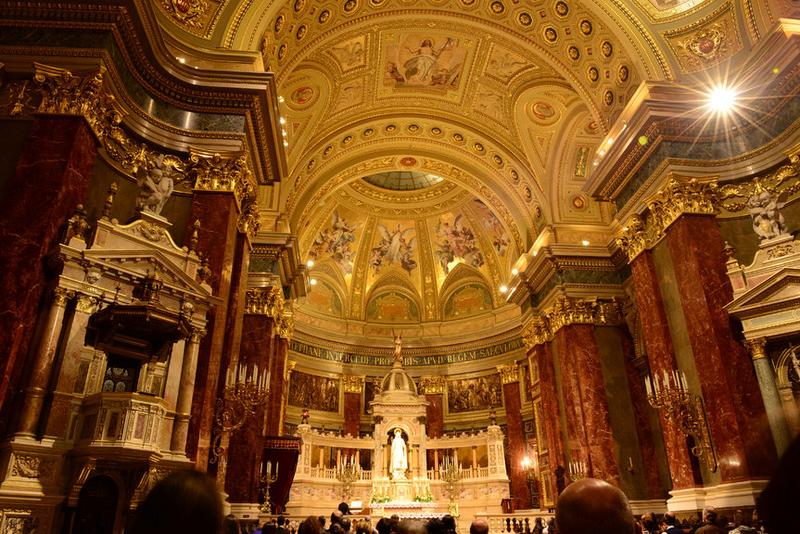
St. Stephen's Basilica is a Catholic cathedral in Budapest, the capital of Hungary, named after Hungary's first king, Stephen I (975-1038), whose mummified right hand is housed there. The construction of the church began in 1851 and was completed in 1905, with reconstruction taking place in 1949. The church is 96 meters high, 55 meters wide, and 87.4 meters long, built in the Neoclassical style with a Greek cross plan. The church's facade has two large bell towers, with Hungary's largest bell (weighing over 9 tons) housed in the south tower. During WWII, the predecessor to this bell (weighing roughly 8 tons) was used for military purposes. Today, visitors can take an elevator or climb 364 stairs to reach the dome, where they can enjoy a 360° view of Budapest.
3
km
3
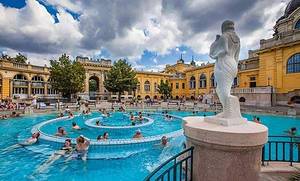
Széchenyi Thermal Bath, located in the capital of Hungary, Budapest, is the largest thermal bath in Europe, with a pool area of 2711.9 square meters. Built in the early 20th century, the entire building has preserved the classic New Baroque style of the 18th century, with a creamy yellow exterior and a dark red dome, making it look magnificent like a palace. As one of the best thermal baths in the world, the water here has excellent medicinal and health value, and it is effective for rheumatism and cervical spondylosis. Some doctors even write "go to Széchenyi Thermal Bath for a bath" in their prescriptions.
Day3: Budapest
2 attraction(s) ·
3 km
1

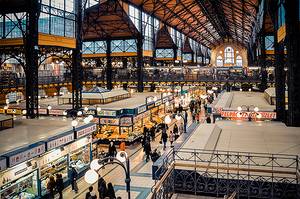
19th-century indoor market building with produce & meat vendors & informal eateries.
3
km
2
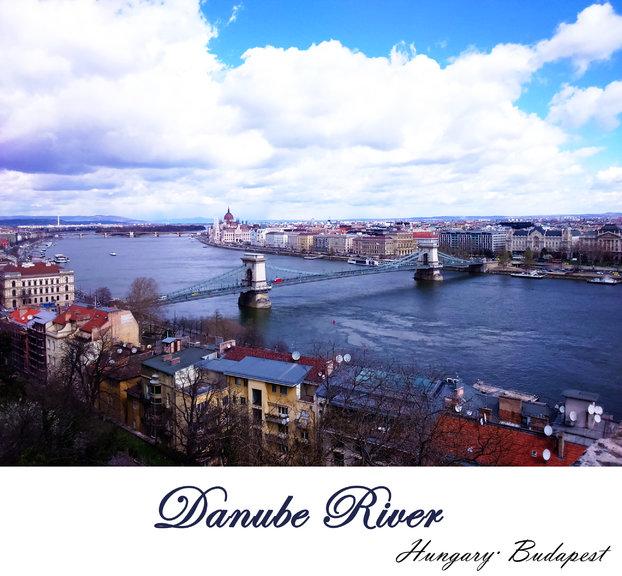
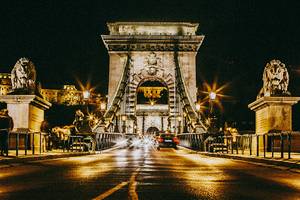
The Danube River is the second largest river in Europe, after the Volga River in Russia. As a very important international river in Europe, it has a total length of 2,857 kilometers and covers a watershed area of 817,000 square kilometers, with an average flow of 6,500 cubic meters per second.