Enchanting Lisbon: 2-Day Adventure
1 cities |
11 attraction(s) |
total distance 14
km
 TIPS
TIPS
Day1
Day2
Day1: Lisbon
7 attraction(s) ·
4 km
1
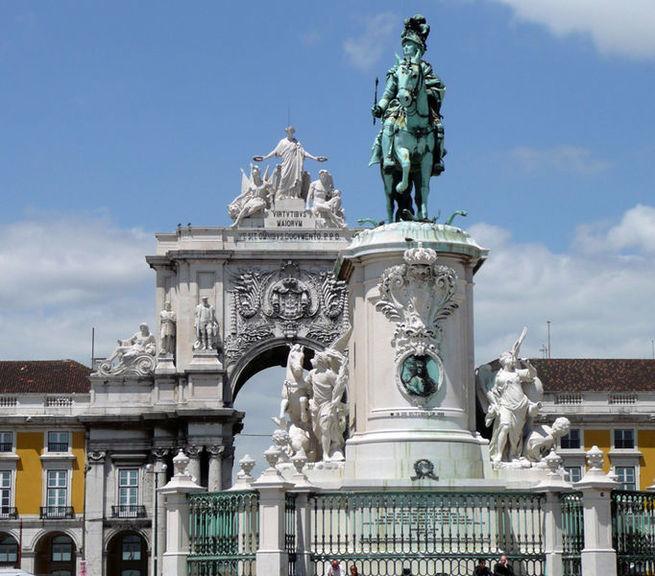
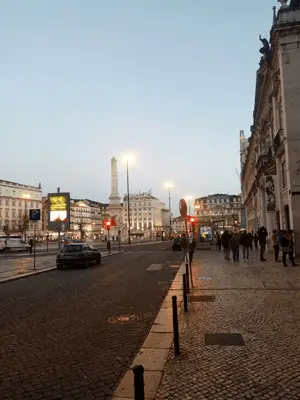
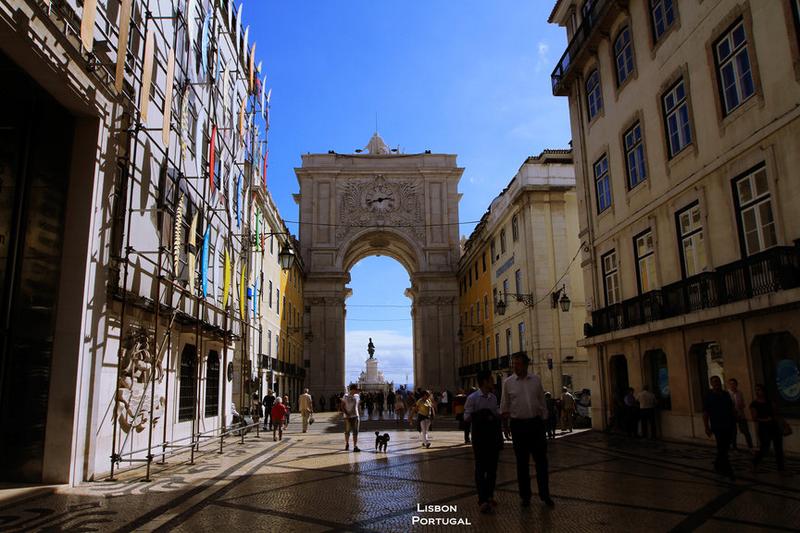
The Commercial Square, also known as Palace Square, is located next to the Tagus River in the Portuguese capital city of Lisbon. This square became a part of the Pombaline Downtown after the destruction of the Ribeira Palace. As the development of Ribeira on the Bank of the Tagus River in the early 16th century, ports, shipbuilding facilities, and administrative buildings were built for managing trade between Portugal and other European countries, as well as African, Asian, and American colonies, such as the India House. However, the devastating Lisbon earthquake on November 1, 1755 destroyed most of the city, including Ribeira Palace and surrounding buildings in the Commercial Square. Marquis of Pombal coordinated the reconstruction work, but the palace was not rebuilt.
1
km
2
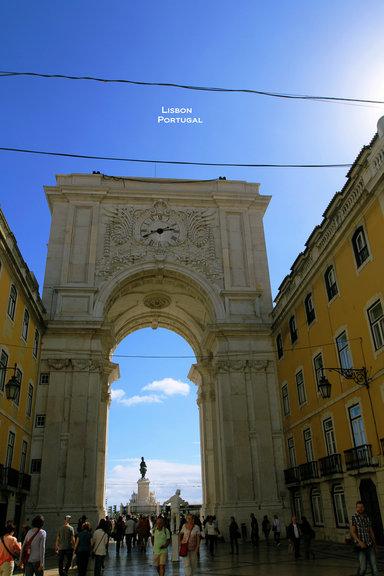
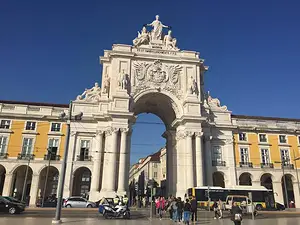
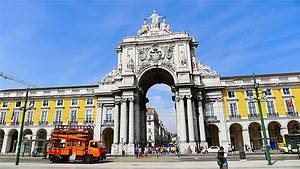
The Augusto Street Triumphal Arch is located on the north side of the commercial square. It took more than 100 years to build and was originally designed as a clock tower, but over time, it was transformed into an exquisite arch. There are four statues on the top, with the right two being Nuno Álvares Pereira and the Marquis of Pombal, and the left two being Vasco da Gama and Viriato. These two reclining figures represent the two major rivers in Portugal, the Tagus and Douro rivers, and are symbolic of the building.
1
km

4
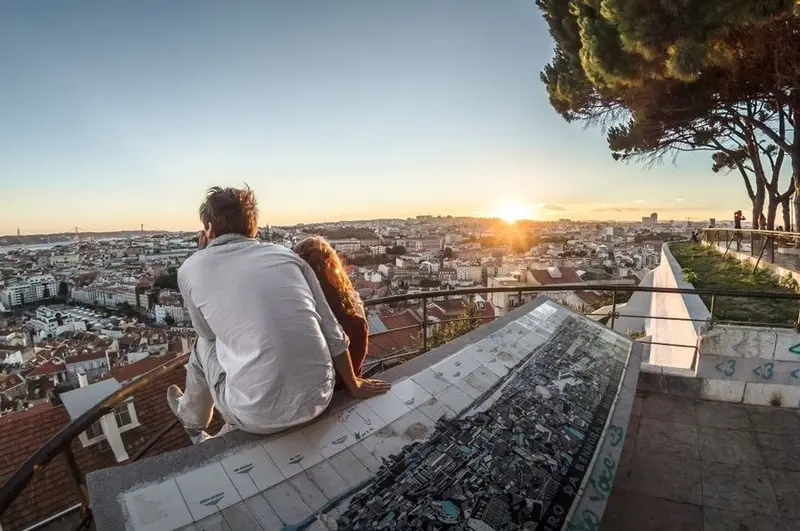
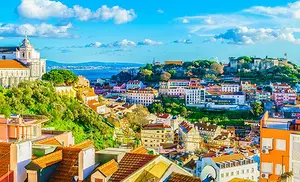
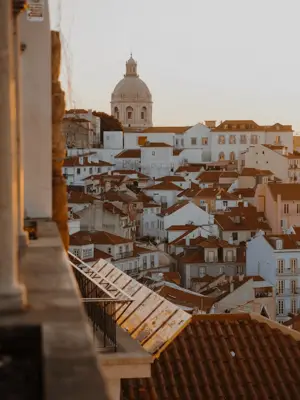
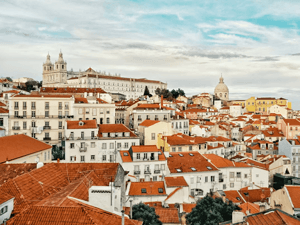
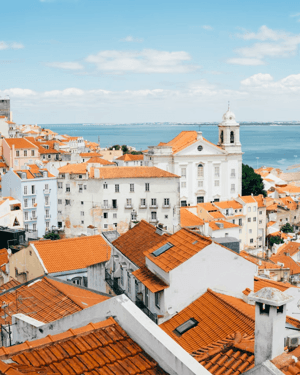
In Lisbon, the capital of Portugal, there is a peak that overlooks the entire cityscape, and its charm reaches its peak at sunset. Standing here, you can admire the most beautiful scenery of the entire city.
1
km
5
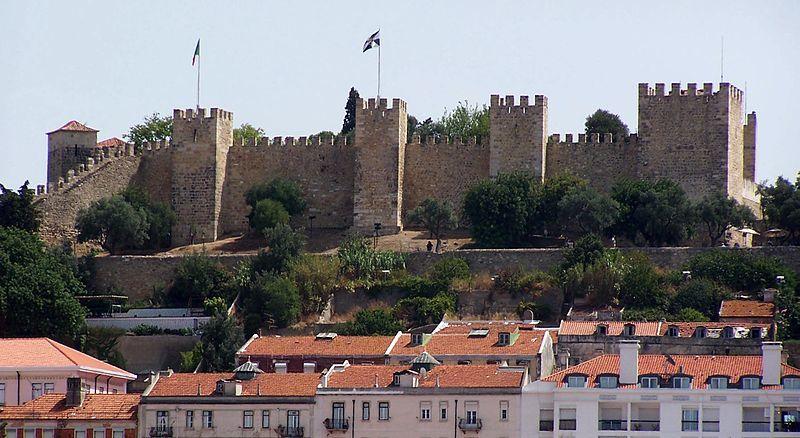
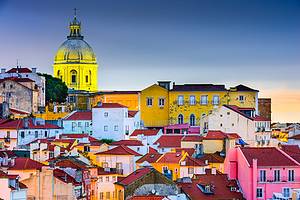
One of the oldest and most important sights in Lisbon is the castle located in the Alfama district, built on the highest point of the area and preserving the neighborhood known as Santa Cruz. The castle's history dates back to the 6th century BC, when it was built by Celts in the 5th century, fortified and transformed into a palace by Moors and Christians. It covers an area of 6,000 square meters and is a very important strategic high point that was occupied by rulers of different eras and even used as a barracks and prison. Throughout history, the king received heroes here, but it was not until the early 16th century when King Manuel I built another palace on the banks of the Tagus River that the castle exited the historical stage. The castle was destroyed by earthquakes several times, but after its renovations in 1940, it became even more spectacular. The castle has 11 towers and a dry moat, and it preserves many ruins, such as the House of Odysseus and Agiular, as well as the multimedia projection hall Olisipónia, which is located inside the tower. Additionally, the castle was once the site of an orphanage, and it is particularly disturbing that the orphanage was exposed as the site of the largest ever abuse scandal in its early century. However, the castle's viewing platform is an excellent place to overlook the Lisbon city center and the Tagus River, making it an excellent choice for watching the sunset, and it is definitely worth a visit.
1
km
7

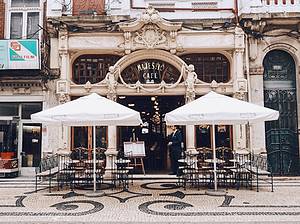
Historic plaza paved with a mosaic pattern, featuring a fountain, monument & enduring shops & cafes.
Day2: Lisbon
4 attraction(s) ·
4 km
1
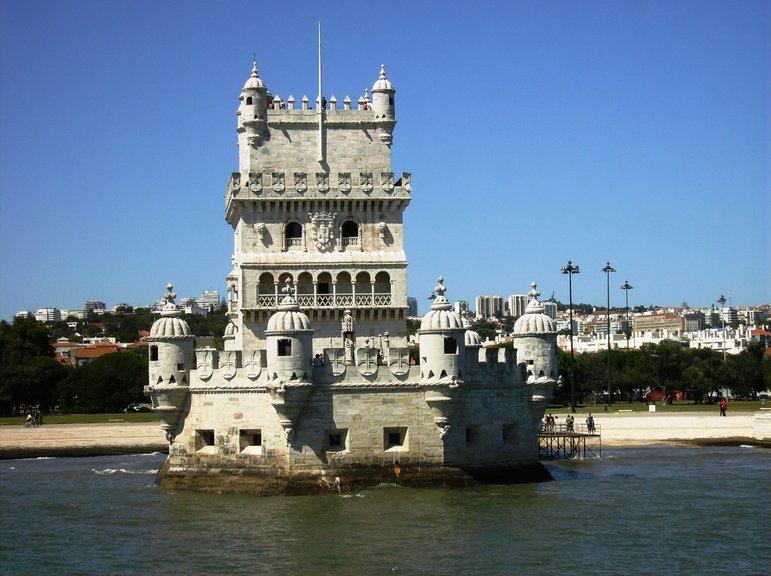
The Belém Tower is a historic five-story defense structure built between 1514 and 1520, located in the Belém district of Lisbon, Portugal. Initially used to defend the port and monastery, it later served as a customs, telegraph tower, and lighthouse and was also the starting point for many Portuguese expeditions. The tower houses eerie dungeons and 16th-century cannons and has even been used to detain important political prisoners. The tower is divided into two parts: the tower and the bulwark, which has many gun positions and storage rooms. There are 16 gun positions along the wall for defense. The tower also has four arched rooms, namely the officer's room, the king's room, the audience room, and a small chapel. The entrance is on the south-facing wall, and the facade features excellent stone carvings. The tower's overall design combines battle and life, which helps protect the cannons, drain accumulated water, and disperse gunpowder. The tower houses many historical relics, including 16th-century cannons and Manueline-style symbols. In 1983, the Belém Tower was formally recognized as a UNESCO World Heritage Site, and in 2007, it was rated as one of the Seven Wonders of Portugal.
2
km
2
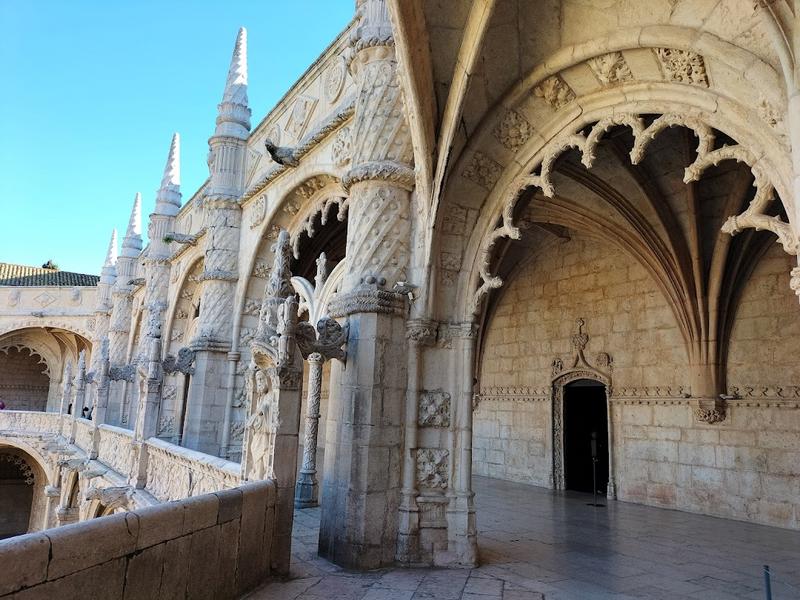
Late Gothic Manueline-style monastery housing archaeology & maritime museums in its wings.
1
km
3

3
km
4

This neighborhood is home to numerous design shops, restaurants, and boutique bookstores, allowing you to immerse yourself in the unique atmosphere of diverse humanities and culinary cultures.