Barcelona 5-Day Tour: Explore Culture and Charm
1 cities |
23 attraction(s) |
total distance 38
km
 TIPS
TIPS
Day1
Day2
Day3
Day4
Day5
Day1: Barcelona
5 attraction(s) ·
3 km
1
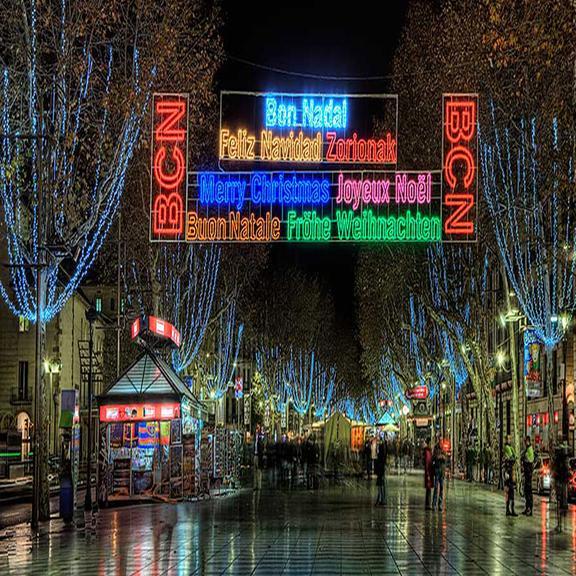
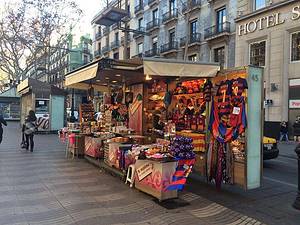
La Rambla is one of the liveliest streets in Spain and is also known as the "The Wanderer's Street" in the works of Yu Qiuyu. It attracts performance artists and tourists from all over the world. During the day, La Rambla is a paradise for street art and food, with the famous Boqueria Market located on the side of the street. After midnight, it becomes a playground for Barcelona's nightlife, especially in the La Raval area to the west, where there are various themed bars.
In addition, La Rambla connects Plaza de Catalunya and the Mediterranean Bay. Walking along La Rambla to the beach in the Mediterranean sunshine will give you a firsthand experience of Barcelona's colorful and joyful atmosphere! If you don't like crowded crowds, you can also choose to explore the historical Gothic Quarter to the east or La Raval area beloved by hippies (often with their own pets) on both sides of the street. But be sure to keep an eye on your wallet and valuables.
1
km
2
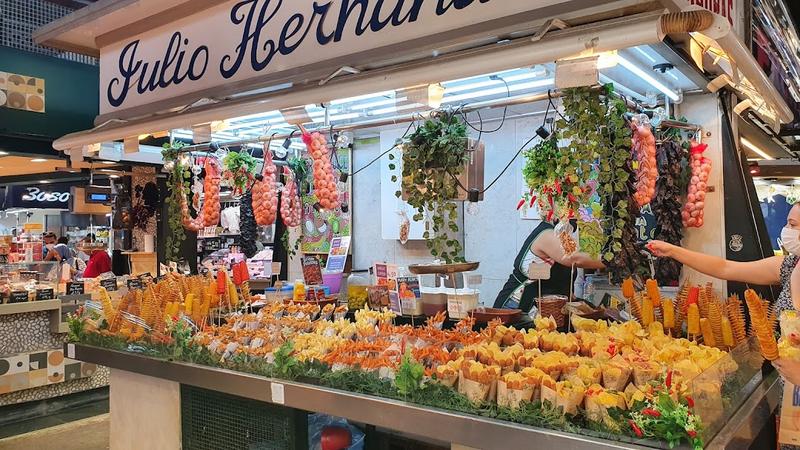
Famous indoor public market with meat, produce, cheese & an array of other food in a bustling space.
1
km

4
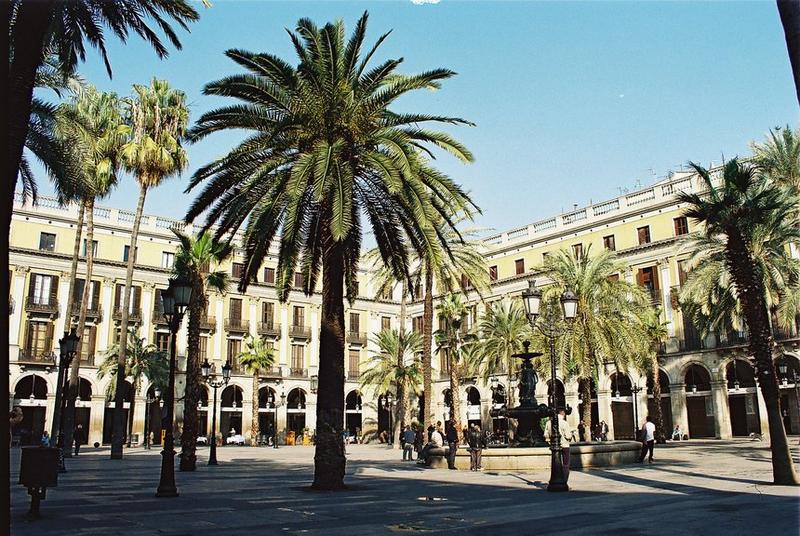
The Royal Square, located next to La Rambla, is a well-known attraction beloved by tourists. It boasts numerous restaurants and the city's most famous clubs, such as Sidecar, Jamboree, and Karma. In addition, there are many outdoor areas on the square that become popular gathering spots in the summer. Every September during the Saint Mercè festival, there is an outdoor concert on the square that draws large crowds. During other festivals such as New Year's Eve, the square can also become very crowded. Designed by Casamajó in the 19th century, the square is said to be a twin brother to Mexico City's Garibaldi Square. Additionally, Antoni Gaudí designed unique street lamps for the square, adding an artistic touch.
2
km
5
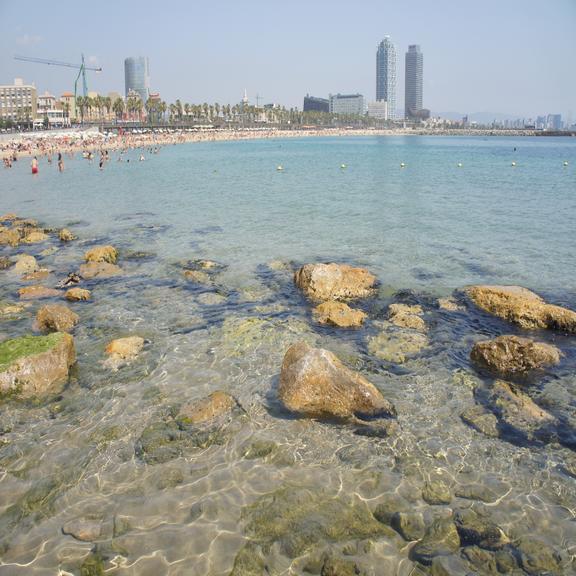
Barceloneta beach is a beloved sandy beach in Barcelona, and it attracts many visitors in the summer. There are also some interesting sculptures on the beach.
Day2: Barcelona
4 attraction(s) ·
6 km
1
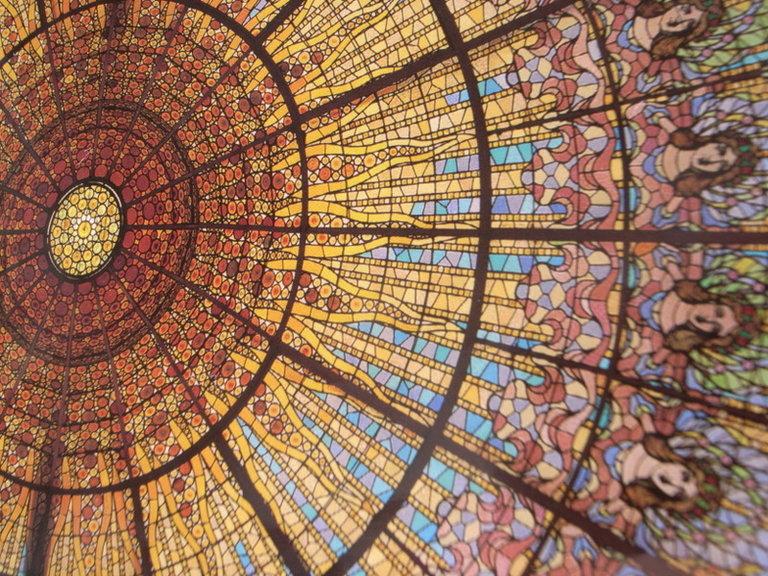
Built in 1908, the Catalonia Palace of Music is one of the most exquisite concert halls in the world, also known as the "Nail House". Its colors are gorgeous, and its decorations are full of symbolic meaning, bringing a mysterious and warm characteristic to this concert hall. It is still in use today, with concerts held daily.
1
km
2
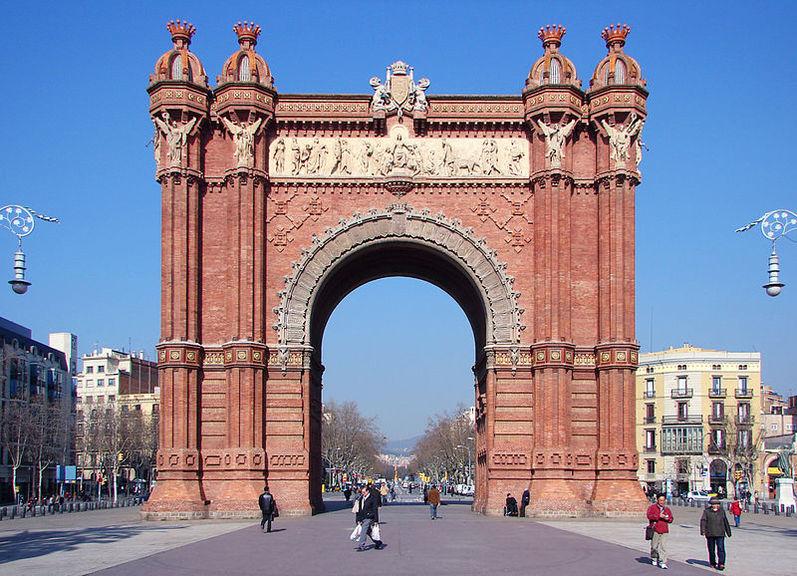
The Arc de Triomf of Barcelona in Spain, built in 1888, is the main entrance of the World Exposition and features a Moorish Revival style. The triumphal arch is made of red brick and has the words "Barcelona rep les nacions" ("Barcelona welcomes the nations") carved on the lintel. The back of the lintel is adorned with a stone sculpture called "Recompense".
1
km
3
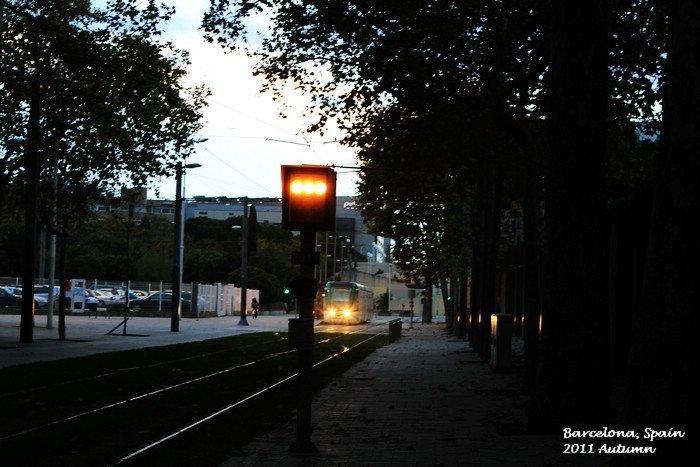
In the movie "Midnight in Barcelona", Maria Elena teaches Christina how to take photos in front of a fountain. This scene takes place at night, with the fountain lit up to provide a beautiful backdrop. Maria Elena instructs Christina on how to use the camera, adjust the lens and shutter speed to capture the flow of light and water. She also emphasizes the importance of capturing the moment and moving the camera slowly to produce unexpected effects. In the end, Christina successfully takes a beautiful photo and Maria Elena's encouragement and praise ignites her interest in photography.
4
km
Day3: Barcelona
6 attraction(s) ·
3 km
1
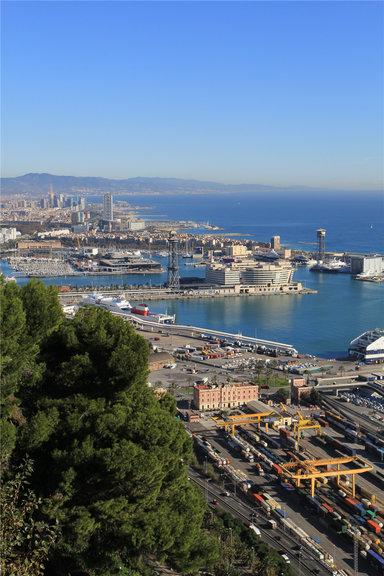
Montjuïc Mountain is located southwest of the center of Barcelona, adjacent to Plaça Espanya. The mountain is gently sloping, but the east side near the sea is almost a cliff. The summit is 173 meters high. In addition to the Roman Empire ruins, the Montjuïc Castle on the top of the mountain is a great place to view the harbor and the city, and to enjoy the sunset.
1
km
2
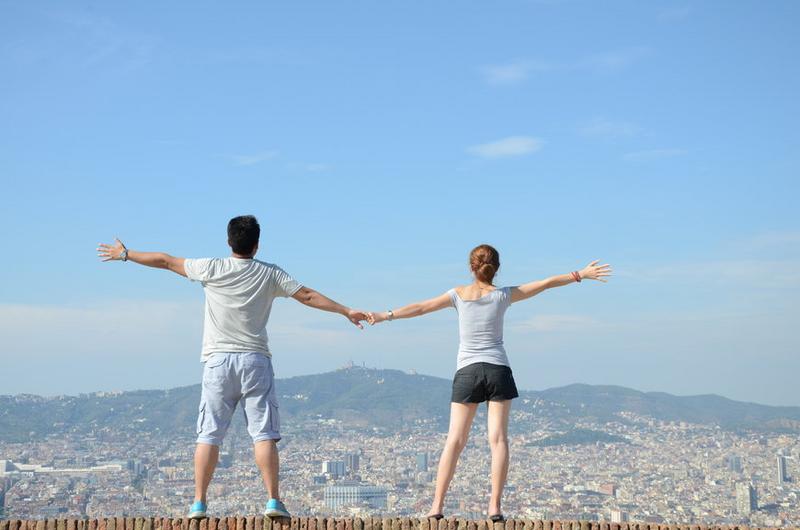
The Montjuic Castle, built in the 17th century, stands tall atop the windswept hill despite the passing of time. This military fortress is not only a typical example of Barcelona's garden architecture but has also been of keen interest to military strategists. In ancient times, it served as a guard tower, fully demonstrating its importance in military history. The castle once served as a prison, detaining political prisoners and executing criminals. Today, it has been transformed into a military museum, showcasing weapons, flags, and military uniforms from the 15th to the 20th century. Standing before the Montjuic Castle, visitors can not only enjoy views of Barcelona's streets and bay but also feel the weight and depth of history.
2
km
3

Expansive neo-Baroque palace constructed in 1929, housing the National Art Museum of Catalonia.
1
km
4
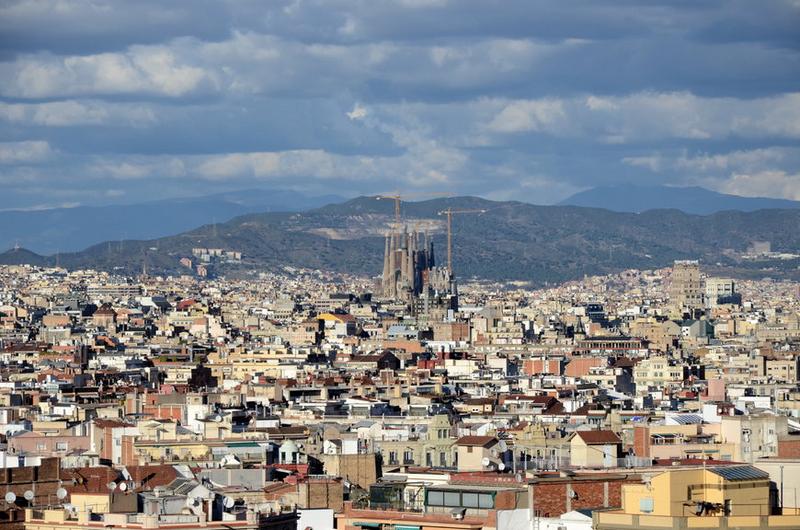
MNAC is a museum located on Montjuïc mountain in Barcelona, Spain, abbreviated as MNAC. Founded in 1990, the museum houses some of the world's finest religious murals and Romanesque art, as well as the history and urban planning of the Catalonia region. From 1995 to 2000, the museum opened exhibitions of Romanesque, Gothic, Renaissance, Baroque, 19th and 20th century art. In 2004, the entire museum was fully opened, displaying numerous precious artifacts to visitors. The Old Catalonia Art Museum was opened on the same site in 1934, but was closed during the Spanish Civil War.
1
km
5
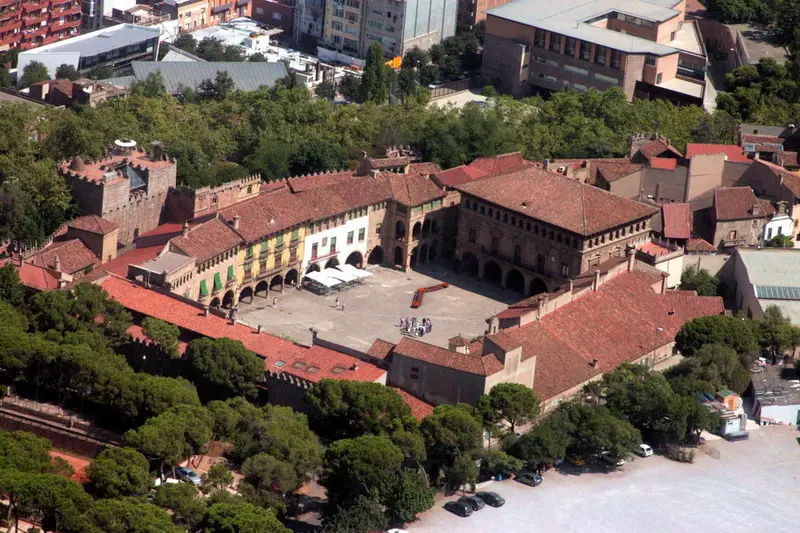
The Spanish Village is located near the Magical Fountain and showcases various aspects of Spanish architecture, art, cuisine, crafts, and customs. This large museum includes 117 buildings such as streets, houses, parks, theaters, schools, restaurants, and artisan workshops, creating a charming Iberian folk village.
1
km
6
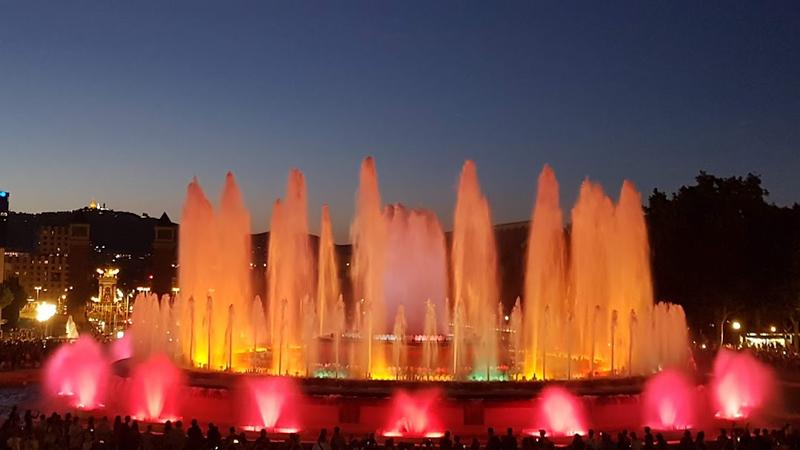
Huge circular fountain renowned for its scheduled shows of water & light choreographed to music.
Day4: Barcelona
4 attraction(s) ·
6 km
1
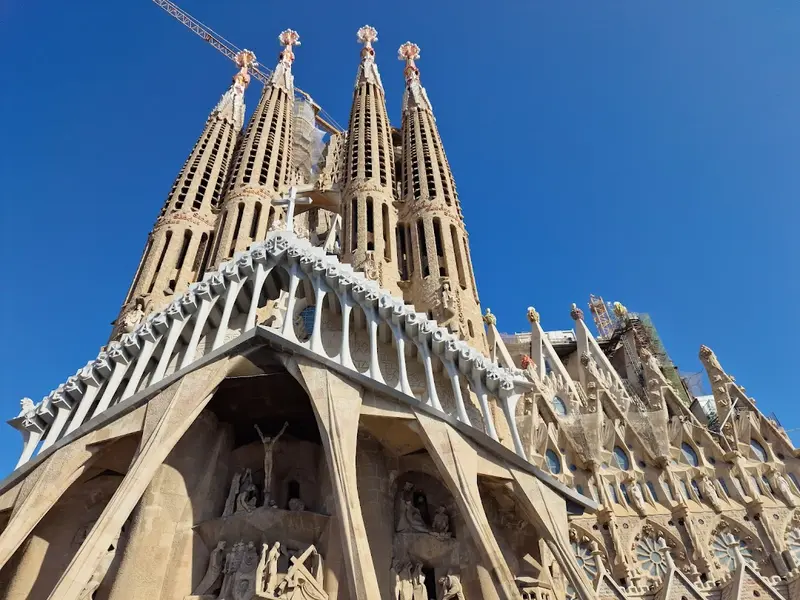
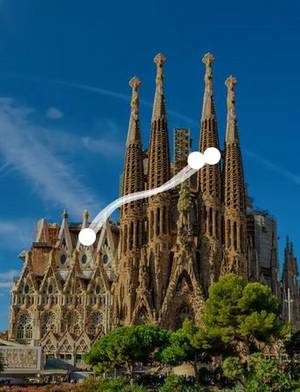
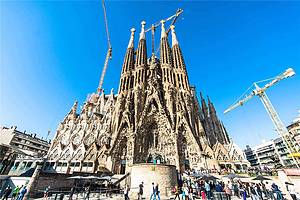
Antoni Gaudí's renowned unfinished church, started in the 1880s, with museum and city views.
3
km
2
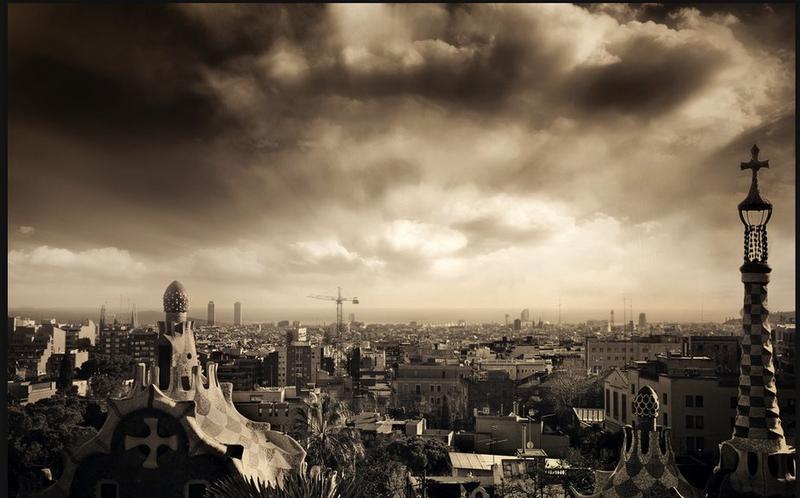
Güell Park, also known as Park Güell, is an early masterpiece by Antoni Gaudí, full of oriental charm. From the outside, you can see that the window design adopts the ventilation technology used by desert peoples to protect against sand and dust, and the walls use bricks instead of stones to form the geometric shapes commonly found in Mudéjar-style architecture. In addition, the decorative broken tiles also show Gaudí's innovative creativity. Güell Park is one of Antoni Gaudí's works listed as a World Heritage Site by UNESCO.
Here, Gaudí transferred his genius talent to garden planning. Upon entering the gate of Park Güell, tourists can see a giant lizard sculpture that often appears in travel magazines. The stairs next to the lizard guide visitors upwards, into a fantastical world of color and dreamlike atmosphere. Gaudí's home is also located here, and this pink little house has now been transformed into a museum showcasing Gaudí's life and work.
3
km
3
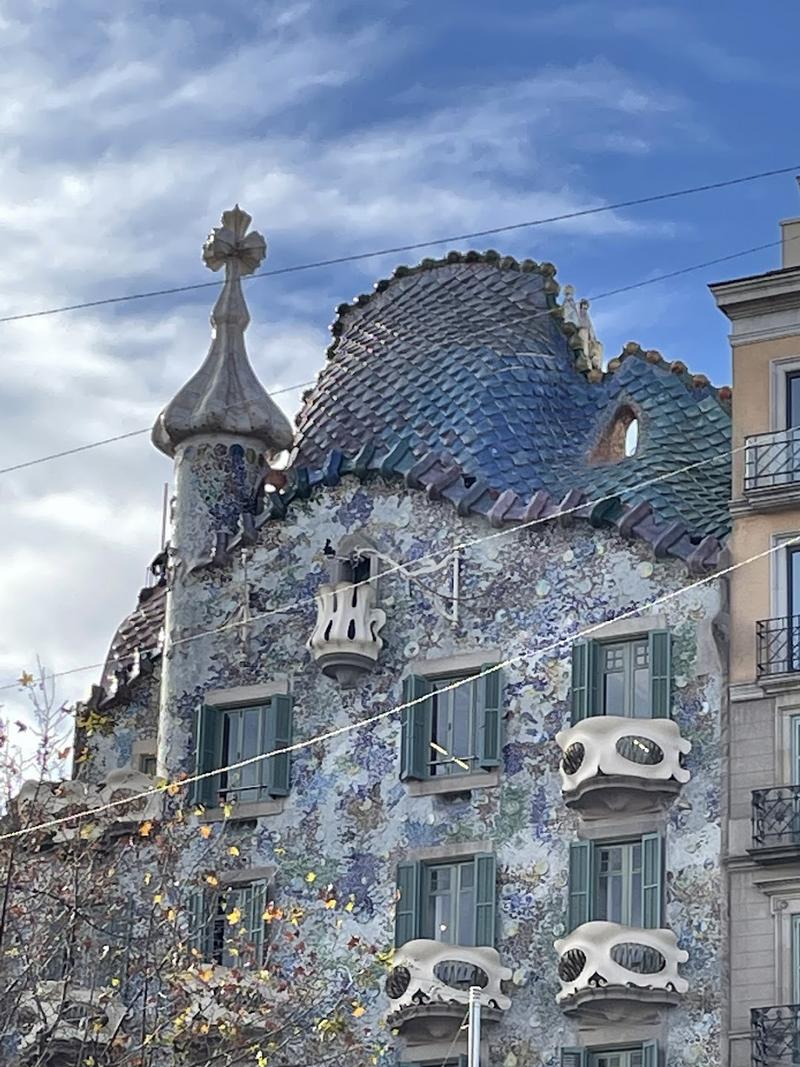
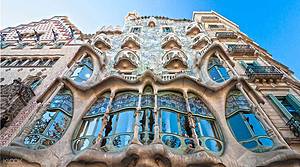
Fantastical, curving dragon-roofed apartment block, now a museum, created by architect Antoni Gaudi.
1
km
4
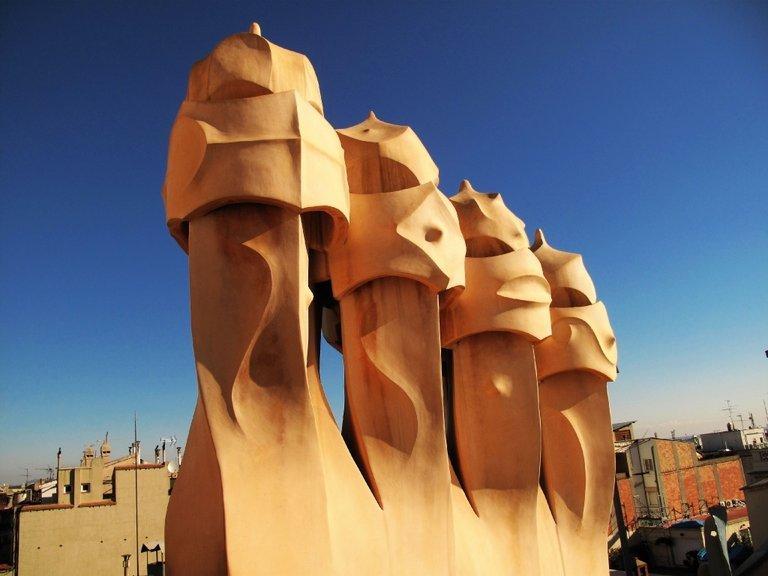
La Pedrera is the last private residence designed by Mr. Gaudi, also known as Casa Mila. It has three wavy walls and twisted iron balcony railings, as well as large windows that are very eye-catching. In 1986, Caixa de Catalunya Bank purchased Casa Mila and spent a lot of money on a comprehensive renovation. Nowadays, the first floor serves as an exhibition space for the bank foundation. The six floors, the top floor, and the roof terrace of Casa Mila are also open to the public. The building's chimney design is unique and overlooks some of the city streets and Sagrada Familia from the balcony.
Day5: Barcelona
5 attraction(s) ·
8 km
1
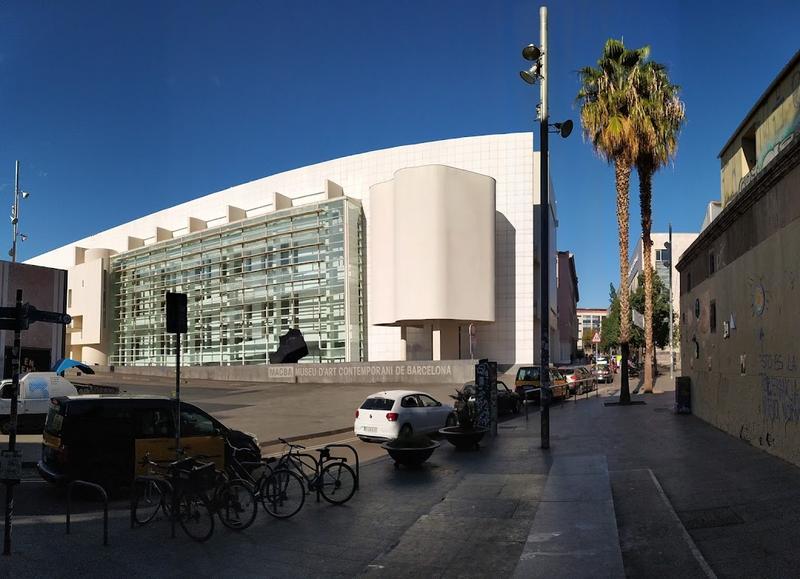
White, light-filled building housing art from the 1940s to the present & a large Catalan collection.
4
km
2
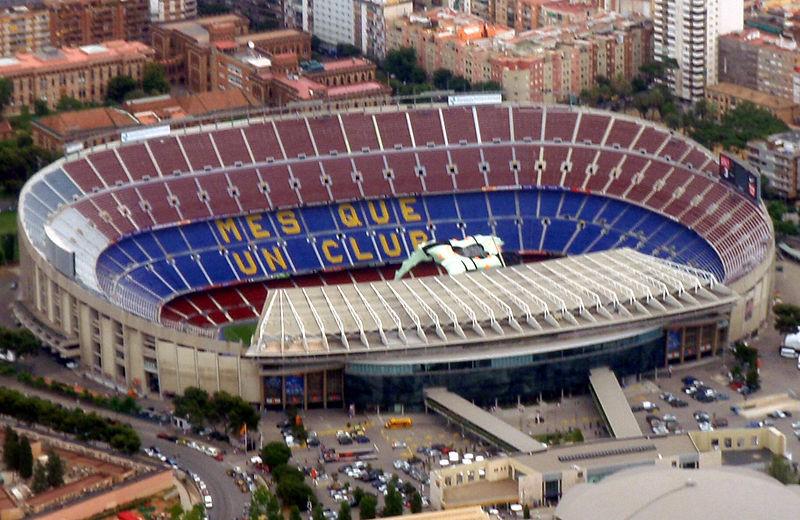
Located in the Catalan capital of Barcelona, the Camp Nou stadium (also known as the Nou Camp) is the home stadium of La Liga team Barcelona and is considered one of the world's most famous football stadiums. With a seating capacity of 99,354, it is one of the largest football stadiums in Europe and has been awarded a five-star rating by UEFA. In addition, the stadium has a Barcelona football museum featuring a collection of the team's trophies, historical photos, as well as valuable items like players' shoes and jerseys. The museum uses high-tech methods like 3D movies and touch screens to enhance the exhibition experience.
3
km
3
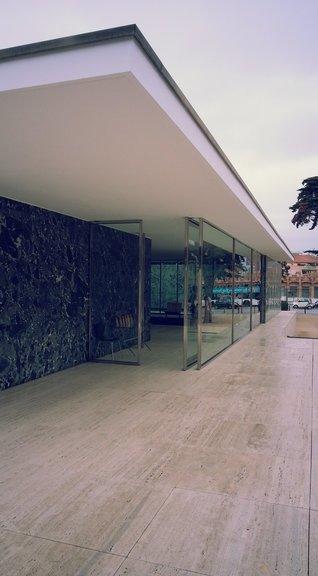
The Mies van der Rohe Pavilion is a modern, one-story building constructed between 1909-1914. Designed by German architect Mies van der Rohe for the 1929 Barcelona World Exhibition, it was also the venue for the opening ceremony of the German pavilion. The German Pavilion is of great significance in the history of modernist architecture due to its minimalist design and expensive construction materials. The building is relatively small, with glass walls that provide a view of the garden and pool outside, which includes a statue of a beautiful woman.
1
km
4
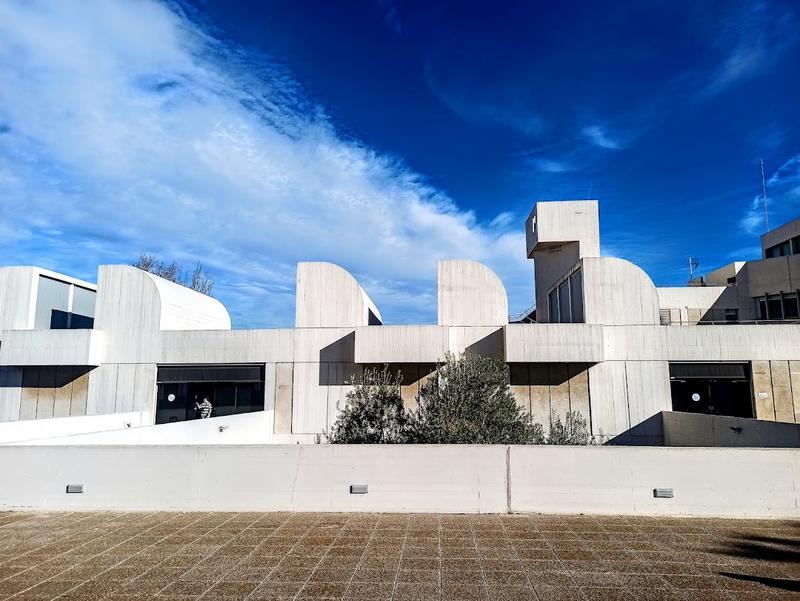
Showcase of Joan Miro's modern, colorful artworks in hilltop museum with courtyards and terraces.
1
km
5
Huge circular fountain renowned for its scheduled shows of water & light choreographed to music.