Eastern Canada 7-Day Tour: Diverse Charm & Natural Flavor
9 cities |
21 attraction(s) |
total distance 2950
km
 TIPS
TIPS
Day1
Day2
Day3
Day4
Day5
Day6
Day7
Day1: Toronto
3 attraction(s) ·
9 km
1
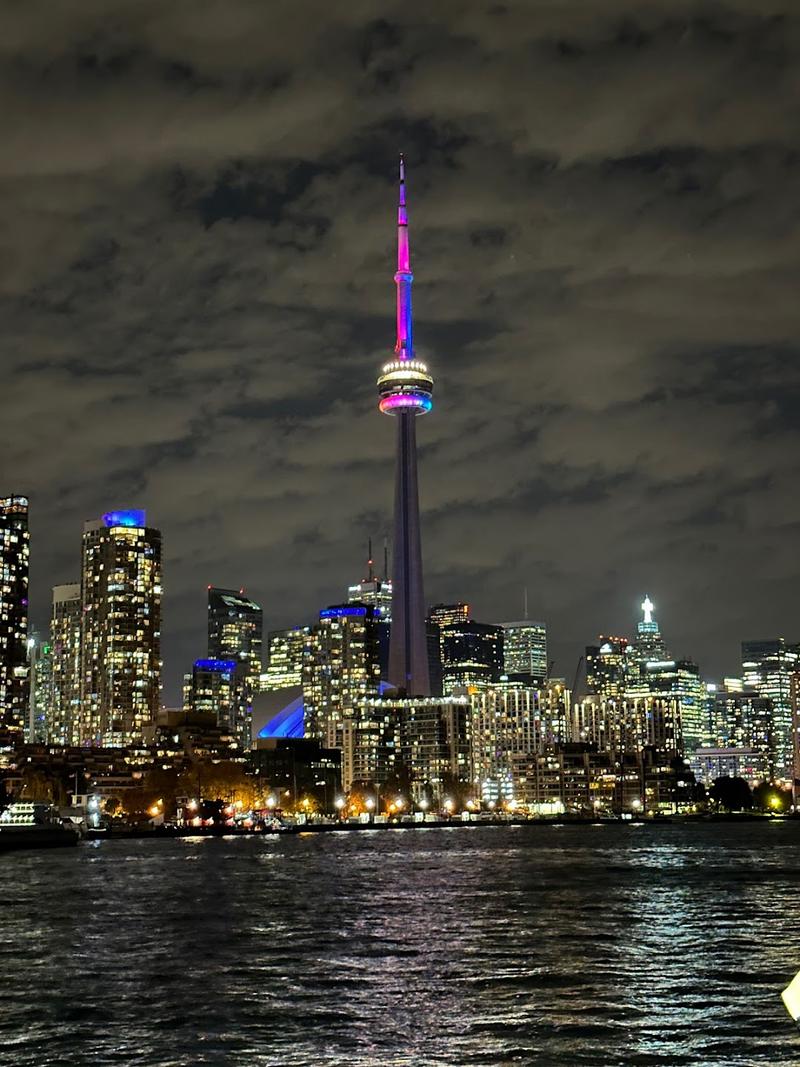
Landmark, over 553-metre tower featuring a glass floor & a revolving eatery with panoramic views.
5
km
2
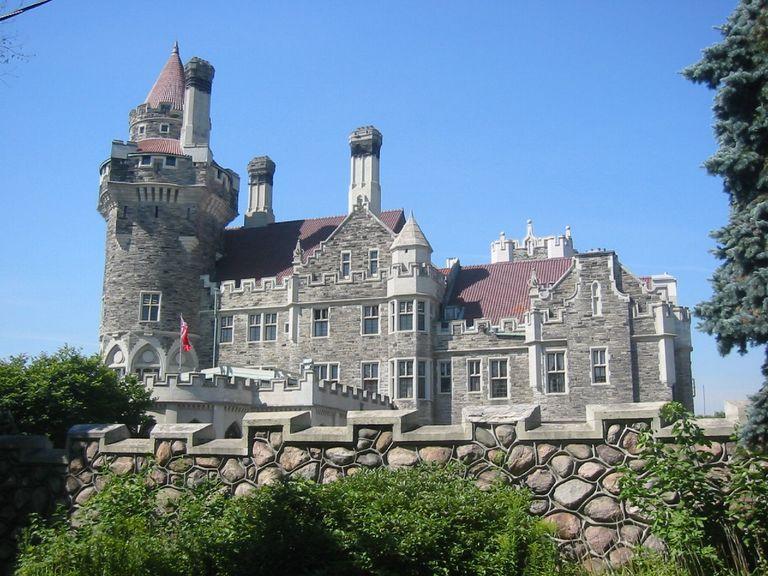
Casa Loma is a historic mansion located in the northwest of downtown Toronto, covering 5 acres. Visiting it is like traveling through time. The building witnessed Toronto's history, and its former estate owner was Sir Henry Mill Pellatt, a financier, industrialist, and military figure in Toronto. This knight, inspired by art and architecture, began dreaming of his own castle when he was young and traveled to Europe. So, in 1911, Pellatt spent $3.5 million and hired the famous architect E.J. Lennox to help him realize his lifelong dream. In nearly three years of effort, more than 300 workers built this medieval-style castle overlooking Toronto. Today, the mansion is owned by the city of Toronto and open to visitors. Its unique medieval architecture has attracted numerous Hollywood films to shoot here. In addition, Casa Loma is also a popular venue for charity events and high society parties.
5
km
3
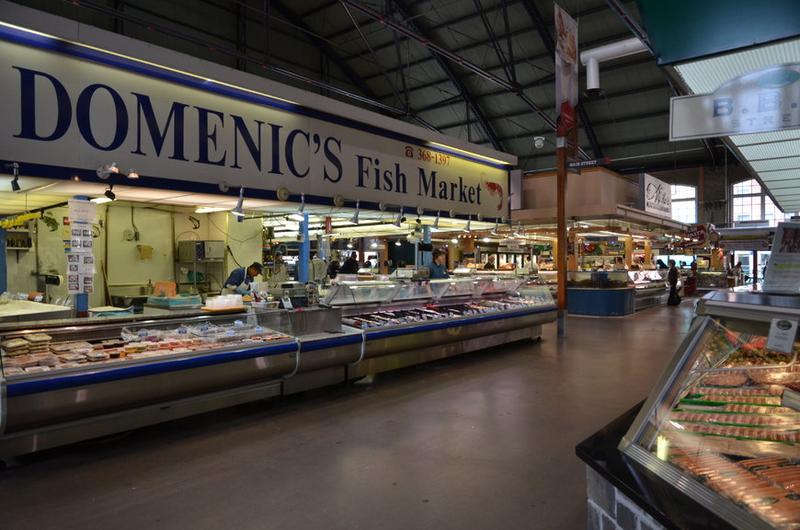
Located next to Toronto's financial center, the St. Lawrence Market is a must-visit tourist destination. In 2011, it was named the world's best food market by National Geographic. Here, you'll find a wide variety of fresh produce, local specialty snacks, and souvenirs. The market is divided into two parts, with over 120 specialty merchants selling diverse food and non-food products in the southern part along Front Street. Its popular restaurants are often crowded with visitors. The upstairs of the market is a gallery showcasing Toronto's cultural arts. The north part of the market is known for its weekly farmers' market on Saturdays, which has been held since 1803, and is the primary sales market for Southern Ontario's agricultural products. On Sundays, over 80 antique dealers set up stalls in the north market and surrounding squares, displaying their wares. The antique market lasts all day and admission is free.
Day2: Ottawa
3 attraction(s) ·
5 km
1
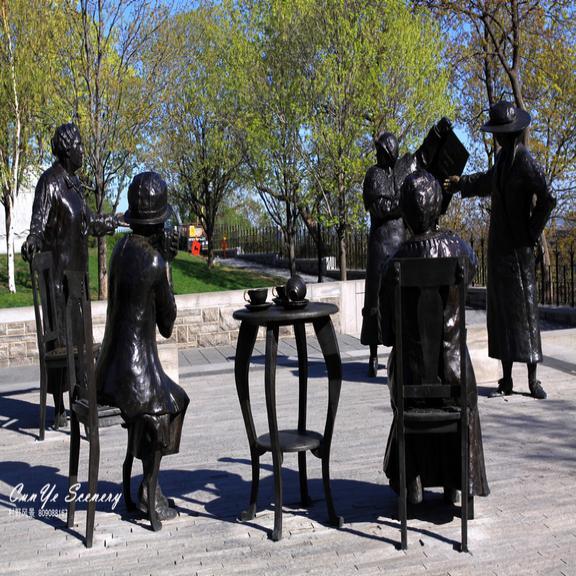
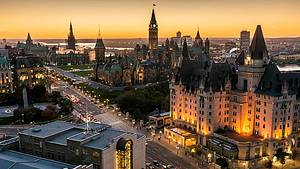
Overlooking the Ottawa River, Parliament Hill is a series of Gothic-style buildings, most notably the Canadian flag flying atop the clock tower. The National Day parade, one of the country's grandest celebrations, takes place here. The early mornings of summer are pleasant, with changing of the guard ceremonies held in front of Parliament. At night, the fires on Parliament Square never go out, providing endless enjoyment for spectators and stargazers accompanied by beautiful music. The architectural style of the buildings here carries the ancient European charm.
1
km
2
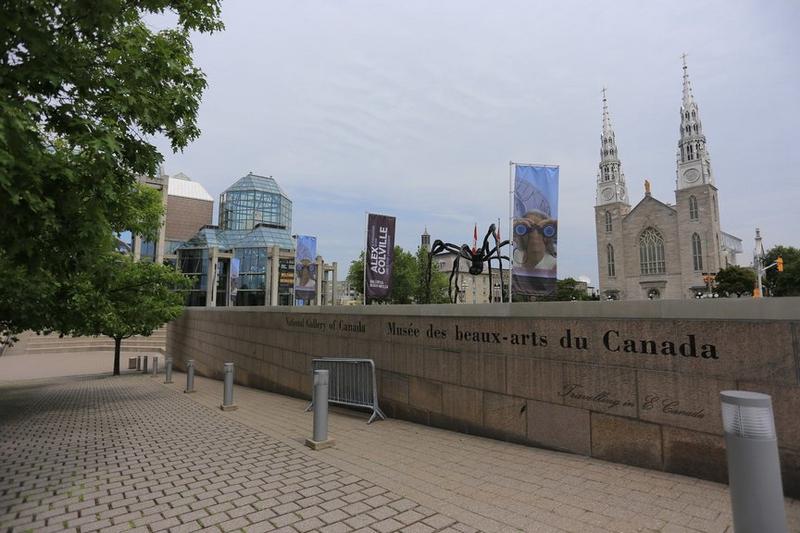
The National Gallery of Canada, located near Parliament Hill, is a top museum in Canada's art scene. It is famous for its unique light green glass roof building, designed by renowned architect Moshe Safdie. The museum has three floors of exhibition space and a large collection of artwork. The second floor showcases Canadian and Indigenous art, with the world's largest collection in this category. In addition to static exhibitions, the museum also has a theater that regularly hosts arts events like opera and symphony, drawing many local celebrities and cultural figures. Moreover, the bookstore on the ground floor is exquisite, selling various art books and handicrafts. If you want to buy souvenirs, this is a must-visit store. In short, the National Gallery of Canada is a world-class museum worth visiting.
4
km
3
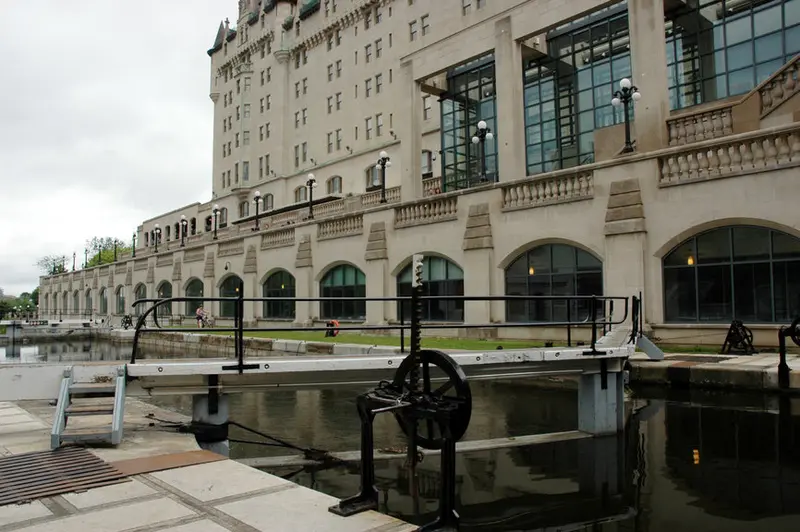
The Rideau Canal is a canal built in the early 19th century that runs for 202 kilometers, starting in Ottawa in the north and ending at Kingston Harbor on Lake Ontario in the south, connecting the Rideau River with the Cataraqui River. It was built for strategic military purposes during a time when Britain and the United States were competing for control of the area. The Rideau Canal was one of the first canals designed specifically for steamboats, and its defensive fortifications are one of its unique features. In the early stages of the canal's construction in 1826, the British used "still water" technology to avoid extensive excavation work and created a series of reservoirs and 50 large locks to raise the water level to navigable depth. The Rideau Canal is the best-preserved and most primitive example of a still water canal in North America, indicating that this European technology was widely used at the time. It is also the only canal in North America that was built in the early 19th century during the construction boom of canals, and the majority of its original structures remain intact. Six "blockhouses" and a fortress were built along the canal, and defensive gates and administrative duty stations were later added to several locks. During 1846-1848, four circular stone forts were built to strengthen the defenses of Kingston Harbor. The Rideau Canal has witnessed wars fought to control the North American continent and has significant historical value. However, it can no longer accommodate large ships. The Rideau Canal runs through the entire city, with ten large bridges spanning the east and west banks. The west side is called Upper Town and is mainly inhabited by people of British descent, while the east side is called Lower Town and is mainly inhabited by people of French descent.
Day3: Montreal
3 attraction(s) ·
2 km
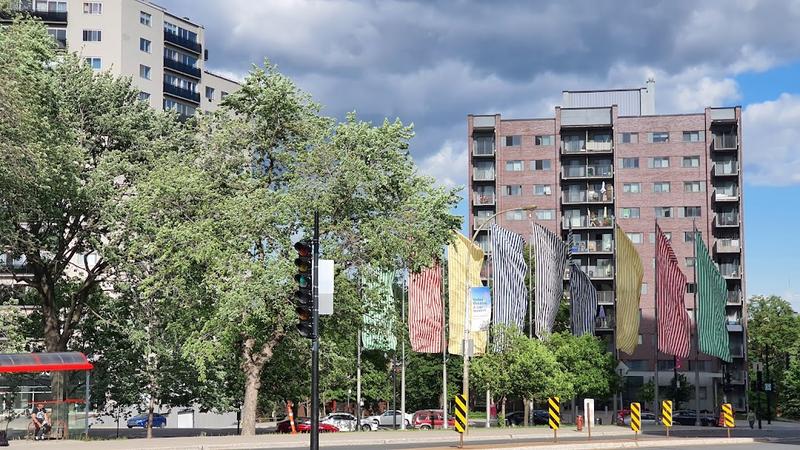
2
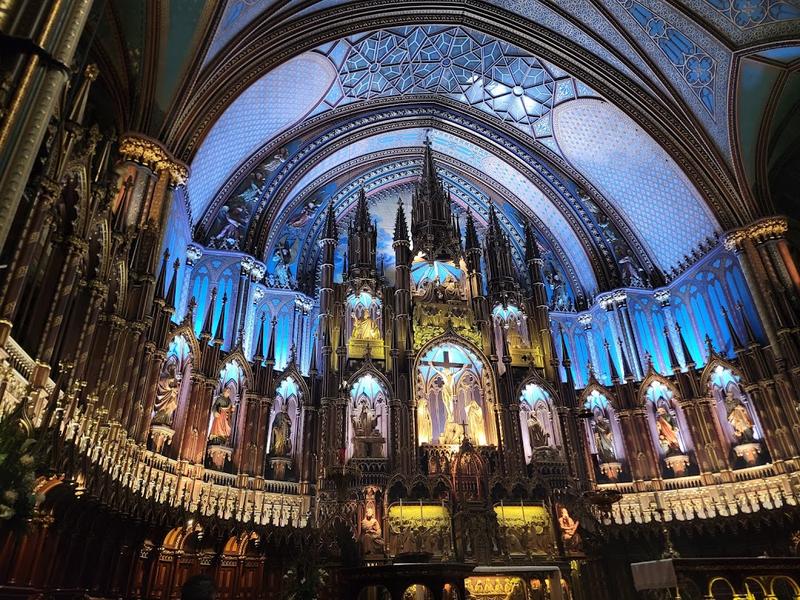
Dating from 1824, this massive church features vibrant stained glass & hosts concert performances.
1
km
3

The Montreal Underground City is located in the Ville-Marie district of Montreal, the second largest city in Canada. It was established in 1962 as a small underground shopping center. After years of development and expansion, it has now become a massive consumer shopping complex. The entire underground city connects 2 bus terminals, 10 subway stations, 1200 offices, 1615 residences, 7 major hotels, 1600 shops, 2 department stores, 200 restaurants, 40 banks, 30 cinemas, 3 exhibition centers, 1 church, as well as the Olympic Park, McGill University, and the University of Quebec at Montreal. It is known as the "Underground Metropolis" due to its vast area, numerous shops, and facilities, making it one of the largest and most prosperous underground shopping centers in the world.
Day4: Quebec City
3 attraction(s) ·
2 km

2
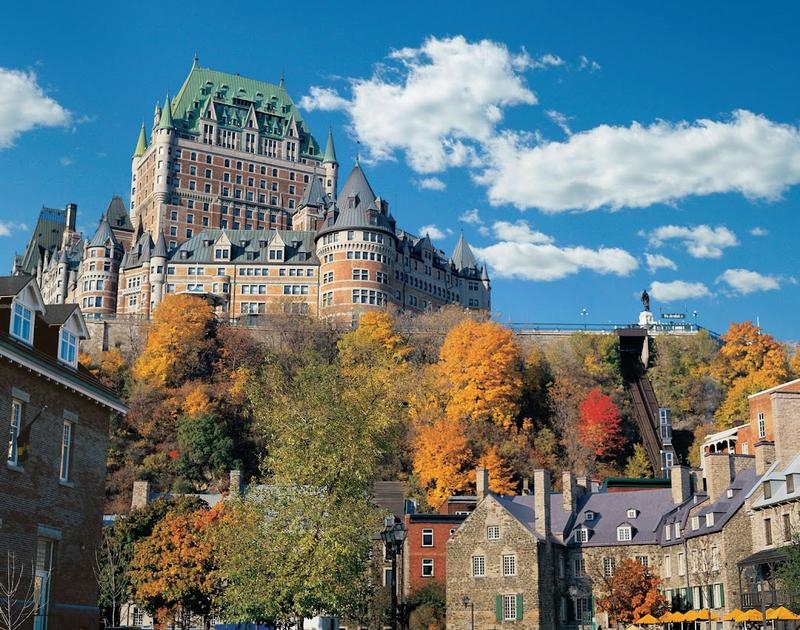
Historic, high-end hotel offering plush quarters, plus fine dining, a spa, a wine bar & river views.
2
km
3

Public meadows & trees covering 103 hectares & site of a 1759 battle between the French & British.
Day5: Charlottetown > Queens County
3 attraction(s) ·
48 km
1
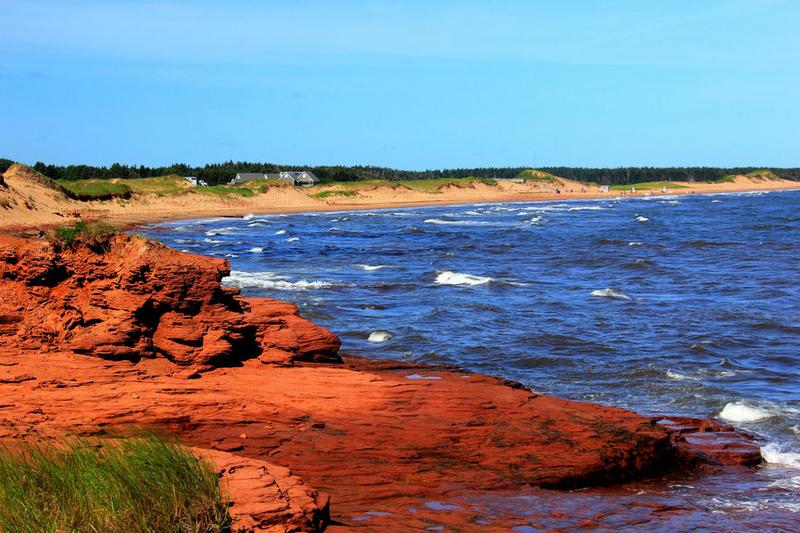
Prince Edward Island National Park is located on the north shore of Prince Edward Island in Canada, facing the Gulf of St. Lawrence. It protects 60 kilometers of beaches, sand dunes, and brackish wetlands, as well as important bird habitats, including the endangered piping plover. The park is recognized by the Canadian government as an important bird sanctuary.
14
km
2

Snug, quaint & historic home that inspired the book 'Anne of Green Gables' & features tours.
34
km

Day6: Halifax
3 attraction(s) ·
33 km
1
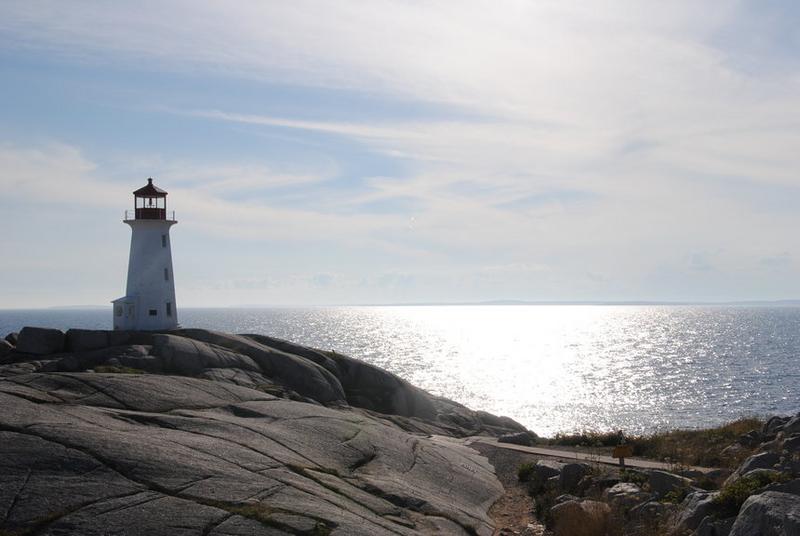
In a small bay not far from Halifax, you can see a lighthouse. The scenery of this small bay is beautiful and breathtaking.
32
km
2

Founded in 1749, this star-shaped hilltop fort offers guided tours, plus a coffee bar & gift shop.
1
km
3

The Maritime Museum of the Atlantic is a museum with a rich exhibition. Among them, the CSS Acadia ship is on display, which is currently moored on the shore and can be viewed up close. In addition, the museum also collects many exhibits about the Titanic, allowing people to learn about the history and tragedy of the Titanic. These exhibits vividly demonstrate the importance and practicality of ships, while delving into the history and cultural heritage of the ocean. The museum is a great place to learn about Canadian maritime history and ship culture.
Day7: Lunenburg > Annapolis Royal > Toronto
3 attraction(s) ·
1218 km

2

Landscaped park on a tidal river, known for its roses & Acadian house built to 17th-century plans.
1114
km
3