7-Day Self-Driving Tour Through Eastern Europe Starting From Berlin
5 cities |
10 attraction(s) |
total distance 7586
km
 TIPS
TIPS
Day1
Day2
Day3
Day4
Day5
Day6
Day7
Day1: Dresden
3 attraction(s) ·
1 km

2

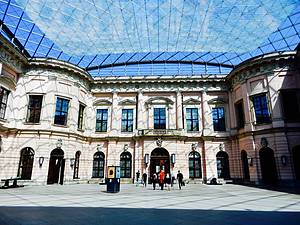
Palace state art collection venue rebuilt after wartime bombings with an iconic domed courtyard.
1
km
3
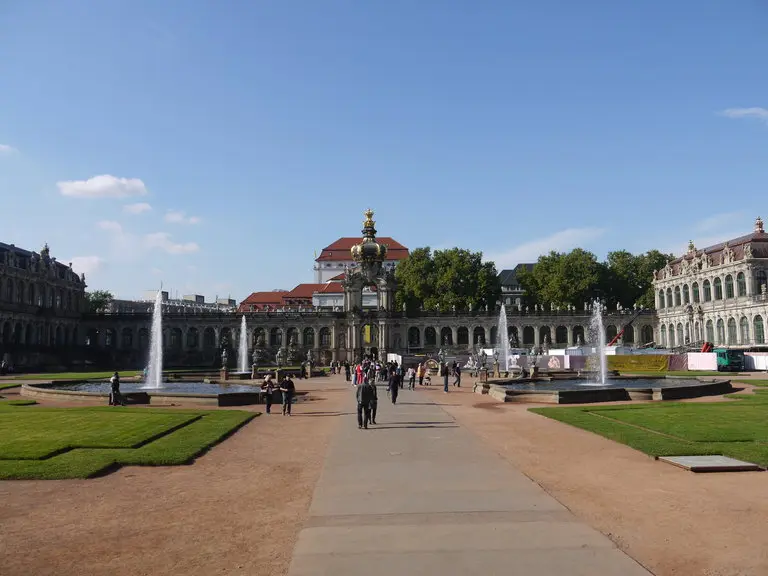
Zwinger Palace is one of the most famous historical buildings in Dresden, renowned as a masterpiece of Baroque architecture. The centerpiece of the palace is a 10,000 square meter square courtyard surrounded by magnificent Baroque buildings, with exquisite interior stone carvings. The highlight of the palace is the statues of bathing nymphs around the fountain, each depicting different poses and expressions. The main entrance is located on the southwest side of the palace, resembling a crown, hence called the "Crown Gate". The name of the palace comes from the Zwinger Garden, becoming one of the symbols of Dresden. The most important building inside Zwinger Palace is the Old Masters Picture Gallery, considered a masterpiece in architectural history.
Day2: Prague
2 attraction(s) ·
1 km
1
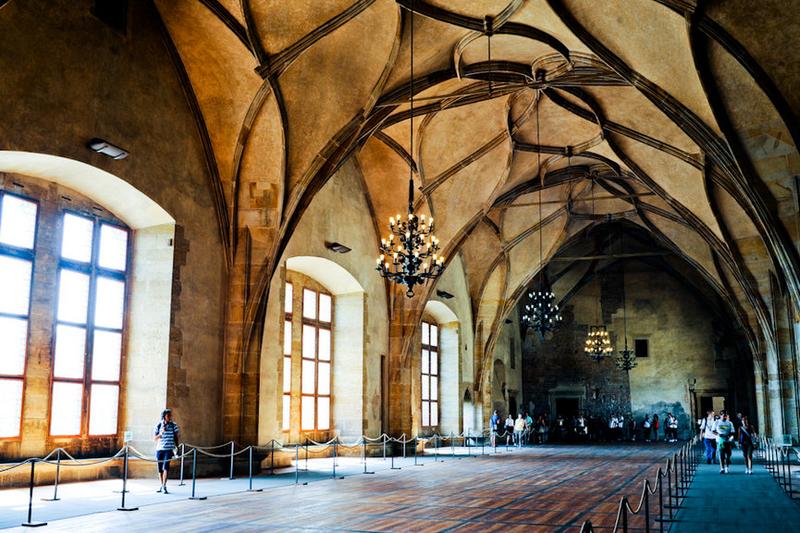
Prague Castle was once the residence of the Czech royal family and is now the office location for the president and national government agencies. It is also a popular spot for viewing the beauty of the Old Town area. The castle houses the crown jewels of Bohemian Kingdom and is one of the largest ancient castles in the world, spanning 570 meters in length and around 130 meters in width. The three most important sights in the castle include St. Vitus Cathedral, Golden Lane, and the Old Royal Palace. St. Vitus Cathedral is the oldest building in the city, with a history of over 1000 years. The highlights of this magnificent grey-black Gothic building include 20th-century stained glass windows, the tomb of St. John, and the St. Wenceslas Chapel. The large stained glass windows were created by the famous painter Mucha. Golden Lane is a small and delicate road with romantic colored small houses on either side. It used to be the residence of servants and craftsmen and got its name from the many alchemists who worked for the kings. In the late 19th century, it became a slum, but after a change in planning in the mid-20th century, the houses were converted into various souvenir and handicraft shops. The famous writer Kafka's old home is also located here. Every day at noon, the Old Royal Palace holds an impressive changing of the guard ceremony, attracting many tourists.
1
km
2
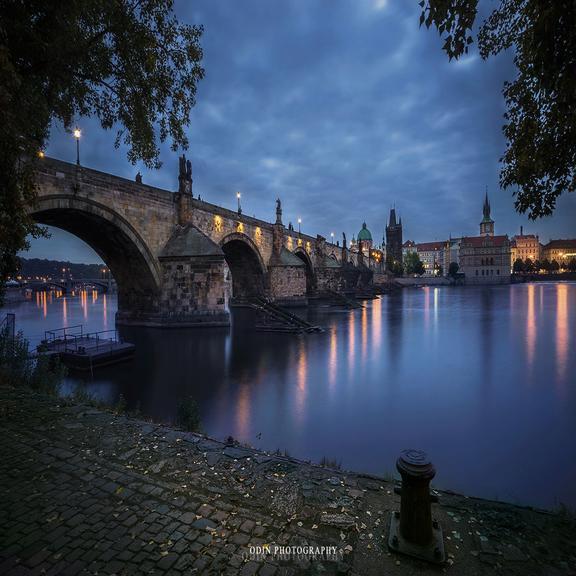
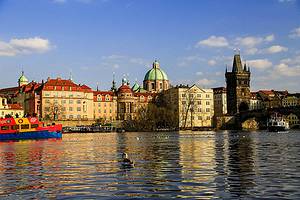
The Charles Bridge, situated in the city center of Prague, Czech Republic, was constructed in the 14th century over the Vltava River. This 520-meter-long and 10-meter-wide stone bridge is a highly valuable and historically significant piece of architecture. Located next to the Prague Castle complex and the Old Town, it was the mandatory route for coronation processions of the monarchs in the past.
As you stroll across the bridge, you can witness street performances by artists and a variety of handicrafts. There are also plenty of artworks to be found, such as watercolor paintings depicting the Charles Bridge and puppets dressed in traditional Czech and court attire.
With a total of 30 statues of saints, this is the oldest and longest bridge in Europe, and has become renowned as an open-air baroque statue museum of Europe, thanks to the masterpieces of Czech baroque artists from the 17th and 18th centuries. While many of the statues have been replaced with replicas, there are still plenty of artworks and cultural heritage to appreciate for the visitors. Notably, the eighth statue on the right-hand side of the bridge is the guardian of the Charles Bridge, St. John. In the middle of the fence lies a golden cross indicating the spot where he was thrown off the bridge.
Day3: Prague
1 attraction(s) ·
0 km
1
Day4: Prague > Cesky Krumlov
2 attraction(s) ·
141 km
2
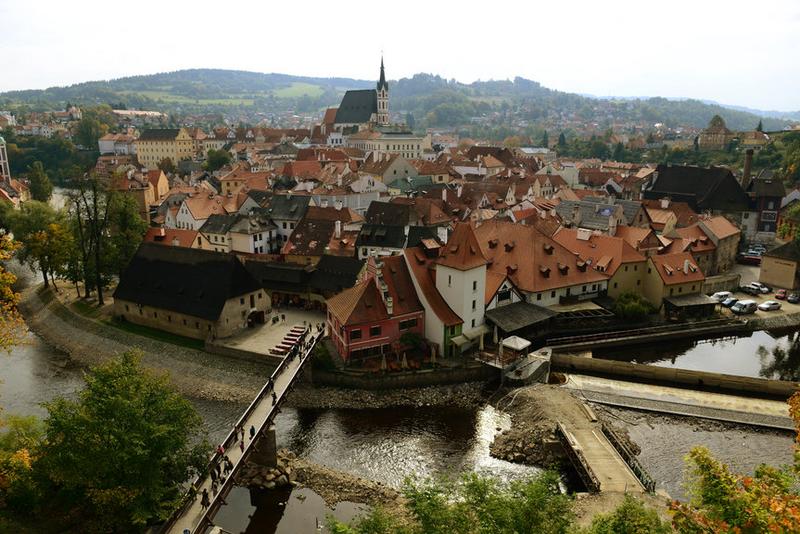
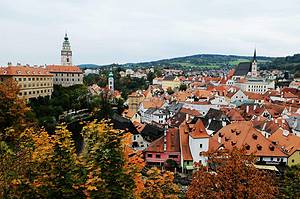
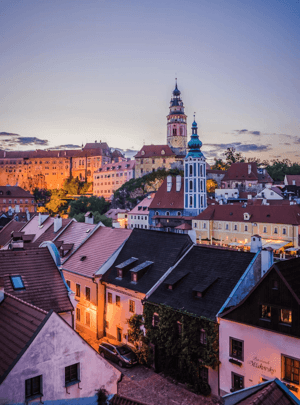
The Krumlov Castle, located in Cesky Krumlov in the Czech Republic, was built in 1240 and is a castle with a strong medieval atmosphere. The area was officially declared a national cultural monument in 1989 and was listed as a UNESCO World Heritage Site in 1992. The Krumlov Castle is the second largest castle in the Czech Republic after the Prague Castle. The castle contains a Baroque-style theater that has been preserved to this day, as well as many original sets and props. Given the castle's ancient history, the theater only performs one opera per year, usually from the Baroque period.
Day5: Vienna
2 attraction(s) ·
1 km
1
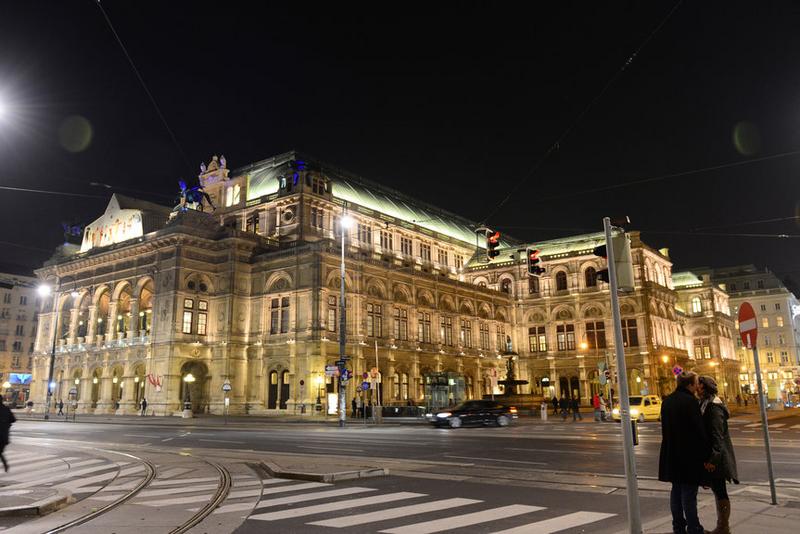
Vienna State Opera, located on the Ringstrasse in the heart of Vienna, is one of the world's most renowned opera houses and a major symbol of Vienna. Built in 1869, its inaugural performance was Mozart's "Don Giovanni," and it quickly became the center of the opera world, earning the nickname "the world's opera capital."
The State Opera is a grand neoclassical building constructed with yellow marble. It features five arches on the main entrance, each representing heroism, drama, imagination, art, and love, with bronze statues of the five opera goddesses.
Spanning 9,000 square meters, the opera house has 6 tiers of seating. The walls of the foyers and corridors are adorned with magnificent oil paintings depicting scenes from the most famous works of celebrated composers, including Mozart's "The Marriage of Figaro," "The Magic Flute," and "Don Giovanni," Beethoven's "Fidelio," Rossini's "The Barber of Seville," and more.
During World War II, the stage of the Vienna State Opera was destroyed by Allied bombing, and in 1945, the entire building was consumed by fire. The opera house we see today is a reconstruction, completed in 1955 with over 2,200 seats, and it premiered with Beethoven's "Fidelio" conducted by Karl Böhm on November 5th.
1
km
2
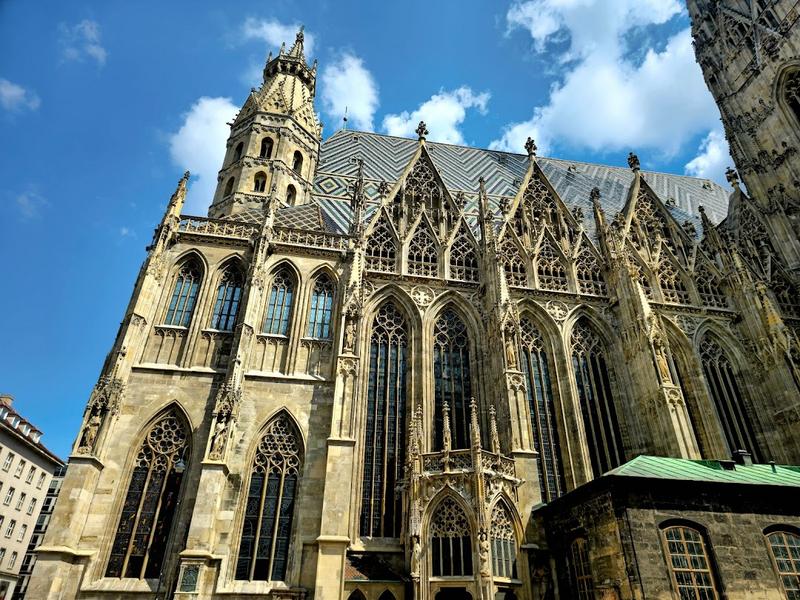
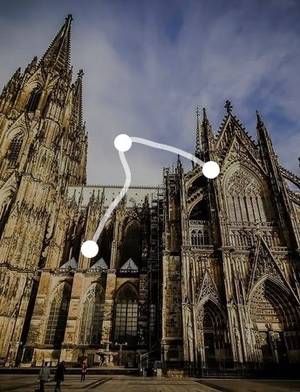
Medieval Roman Catholic place of worship with an ornate spire, catacombs & a treasury museum.
Day6: Vienna
1 attraction(s) ·
0 km
1
Day7: Vienna
1 attraction(s) ·
0 km
1