7-Day Europe Tour: Discover Historical & Cultural Charm
10 cities |
19 attraction(s) |
total distance 1676
km
 TIPS
TIPS
Day1
Day2
Day3
Day4
Day5
Day6
Day7
Day1: Berlin
2 attraction(s) ·
3 km
1
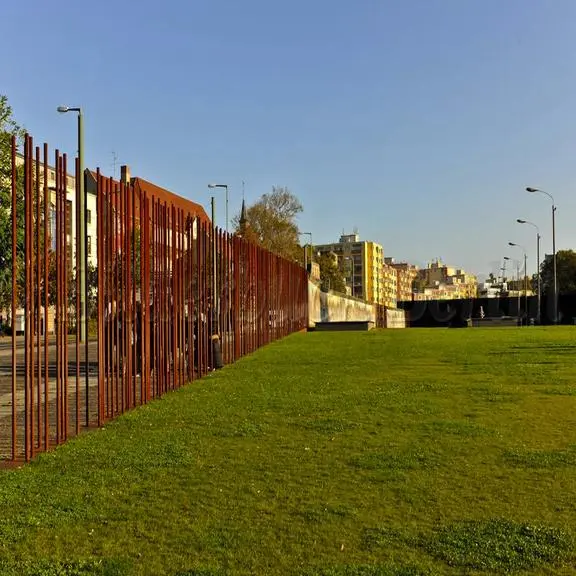
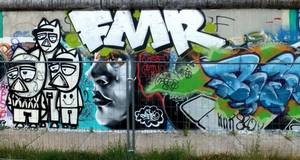
The Berlin Wall is a 176.8-kilometer-long barrier that was built on August 12, 1961, and was demolished on November 9, 1989. It divided Berlin into East and West and was known as the "Anti-Fascist Protection Wall." There are three preserved sections of the Berlin Wall: the East Side Gallery, Niederkirchnerstraße, and Bernauerstraße. The graffiti can only be seen on the side facing West Berlin, while the eastern side remains in its original concrete form. The famous artwork "My God, Help Me to Survive This Deadly Love" is based on a political news photograph taken in 1979, known as the "Brotherly Kiss." There are also small holes in the remaining parts of the wall, left by citizens as memorials, and fragments of the wall can be purchased in souvenir shops, although their authenticity is difficult to prove. Over the past 20 years, the wall has slowly faded from memory.
3
km
2
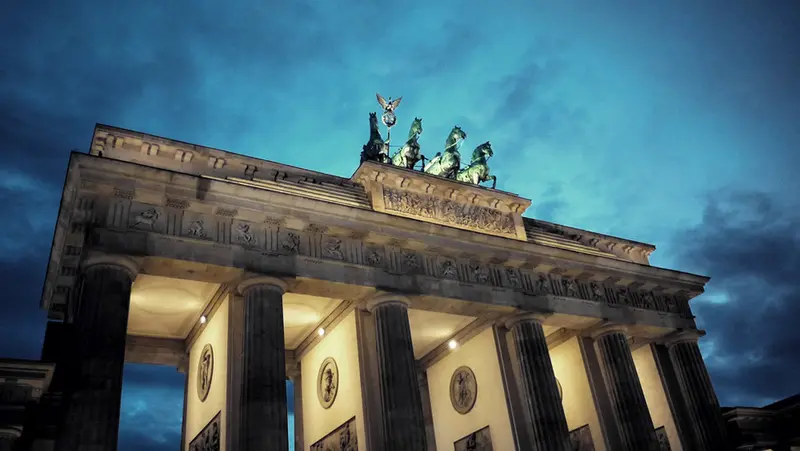
Brandenburg Gate is a landmark in Berlin, symbolizing the unification of Germany. It was built in 1791 in the Neoclassical style, modeled after the city gate of the Acropolis in Athens. The top of the gate features a bronze statue of the Victory Goddess with outstretched wings, holding a scepter adorned with an oak wreath, Iron Cross medal, and a soaring eagle, symbolizing victory in war. Facing east, Brandenburg Gate is the entrance to and the only preserved city gate of the old core area of Berlin. It has witnessed the rise and fall of German history. The Berlin Wall once stood to its west, dividing East and West Germany and preventing people from passing through for decades. Now, after recent restoration following the end of the Cold War, Brandenburg Gate and the surrounding Pariser Platz have become a popular tourist attraction in Berlin. On Pariser Platz, you will also find newly completed buildings such as the US Embassy and the famous Adlon Hotel.
Day2: Prague
3 attraction(s) ·
2 km
1
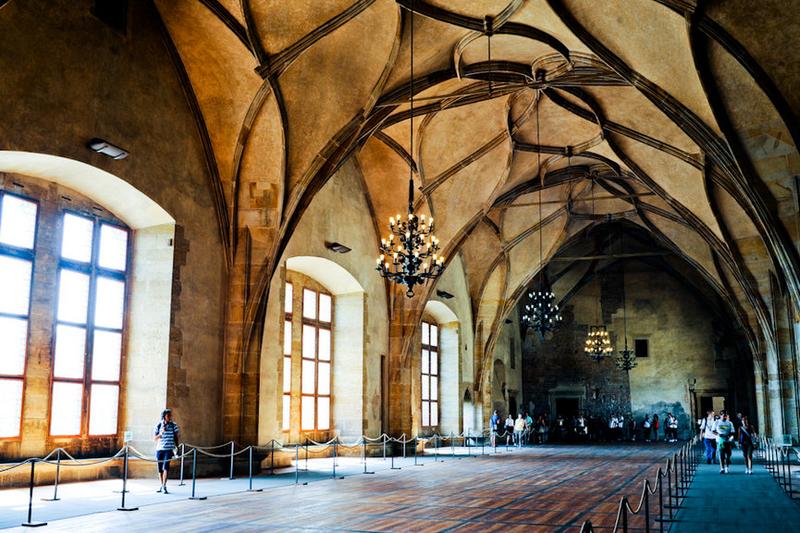
Prague Castle was once the residence of the Czech royal family and is now the office location for the president and national government agencies. It is also a popular spot for viewing the beauty of the Old Town area. The castle houses the crown jewels of Bohemian Kingdom and is one of the largest ancient castles in the world, spanning 570 meters in length and around 130 meters in width. The three most important sights in the castle include St. Vitus Cathedral, Golden Lane, and the Old Royal Palace. St. Vitus Cathedral is the oldest building in the city, with a history of over 1000 years. The highlights of this magnificent grey-black Gothic building include 20th-century stained glass windows, the tomb of St. John, and the St. Wenceslas Chapel. The large stained glass windows were created by the famous painter Mucha. Golden Lane is a small and delicate road with romantic colored small houses on either side. It used to be the residence of servants and craftsmen and got its name from the many alchemists who worked for the kings. In the late 19th century, it became a slum, but after a change in planning in the mid-20th century, the houses were converted into various souvenir and handicraft shops. The famous writer Kafka's old home is also located here. Every day at noon, the Old Royal Palace holds an impressive changing of the guard ceremony, attracting many tourists.
1
km
2
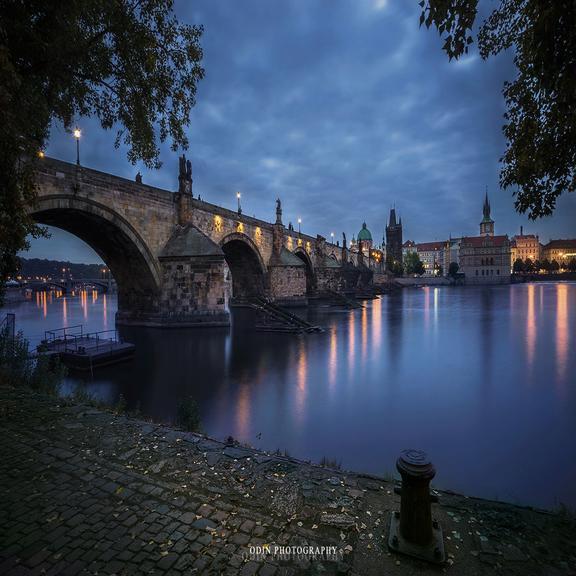
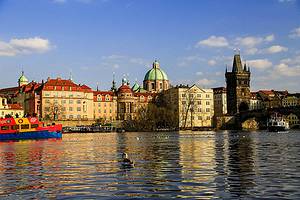
The Charles Bridge, situated in the city center of Prague, Czech Republic, was constructed in the 14th century over the Vltava River. This 520-meter-long and 10-meter-wide stone bridge is a highly valuable and historically significant piece of architecture. Located next to the Prague Castle complex and the Old Town, it was the mandatory route for coronation processions of the monarchs in the past.
As you stroll across the bridge, you can witness street performances by artists and a variety of handicrafts. There are also plenty of artworks to be found, such as watercolor paintings depicting the Charles Bridge and puppets dressed in traditional Czech and court attire.
With a total of 30 statues of saints, this is the oldest and longest bridge in Europe, and has become renowned as an open-air baroque statue museum of Europe, thanks to the masterpieces of Czech baroque artists from the 17th and 18th centuries. While many of the statues have been replaced with replicas, there are still plenty of artworks and cultural heritage to appreciate for the visitors. Notably, the eighth statue on the right-hand side of the bridge is the guardian of the Charles Bridge, St. John. In the middle of the fence lies a golden cross indicating the spot where he was thrown off the bridge.
1
km
3
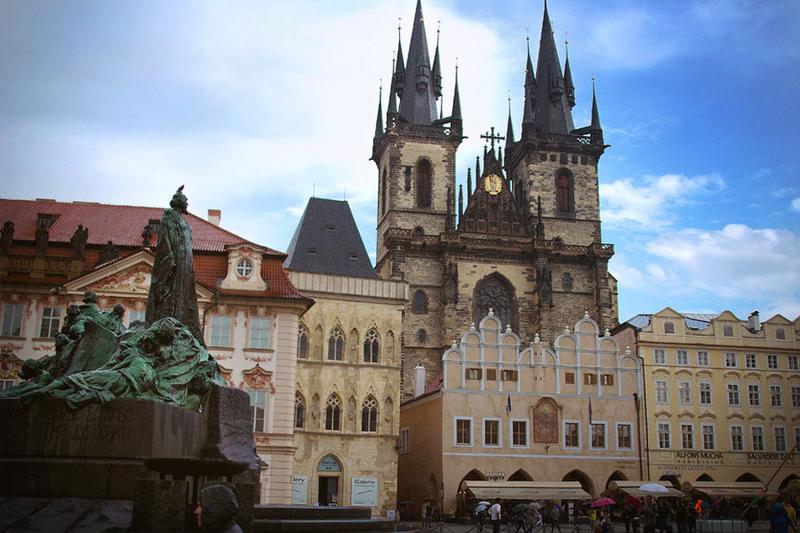
Old Town Square, also known as Hus Square, has a history of over 900 years. Located between Wenceslas Square and Charles Bridge, it is one of the most famous squares in Prague, attracting countless tourists and residents, especially crowded in the summer. The buildings around the square are of various styles, including the Gothic-style Tyn Church and the baroque-style St. Nicholas Church, as well as many cafes and restaurants. Many churches on the square and the famous astronomical clock on the exterior wall of the old town hall attract numerous tourists. In addition, the square also offers a panoramic view of the old town for tourists. A statue of Hus, the pioneer of the Reformation, stands in the square and has become a tourist landmark. Tourists sticking "wishing notes" on the pedestal of the Hus statue has also become a scene in the square. Although Jolin Tsai mistakenly referred to the pedestal of the Hus statue as Rome's wishing pool in her song "Prague Square," the song still attracts global attention to Old Town Square. In 2014, the Prague city government cleaned and maintained the Hus statue, and the "wishing wall" on the pedestal no longer exists, but the square is still an oasis in the hearts of tourists.
Day3: Bratislava
2 attraction(s) ·
1 km
1
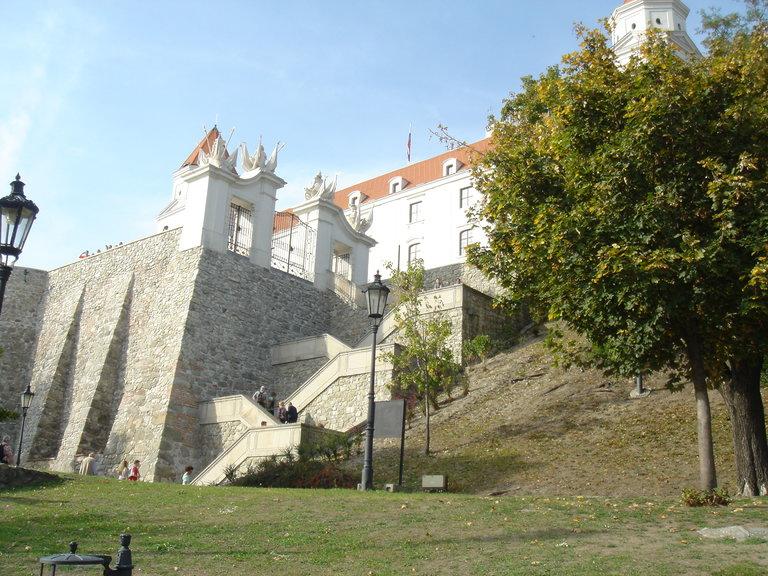
Bratislava Castle, located on the west side of the ancient city along the Danube River, towers into the sky. It was once a hiding place for the Hungarian royalty to avoid Turkish occupation. The castle suffered a fire in 1811, but was restored and rebuilt in the 1950s to its former glory. It also houses a historical museum (Historické múzeum) inside, which is worth a visit.
1
km
2
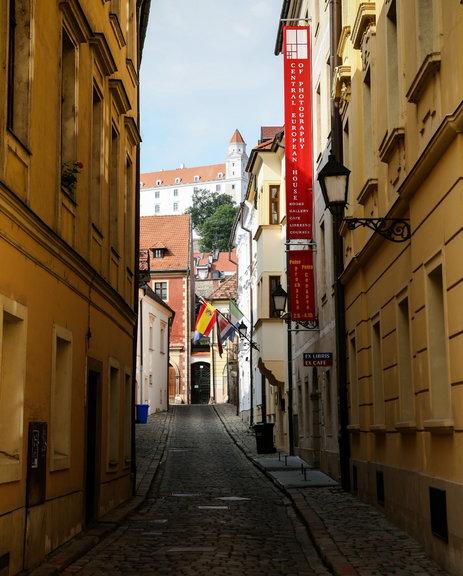
Located at the foot of the Bratislava Castle, the historical center offers a suitable route for strolling and sightseeing. Tourists can enjoy narrow pedestrian streets, soft-colored 18th-century Rococo architecture, and a high density of small restaurants along the streets. Of course, you can also seek help or ask for detailed information from the working man during your walk.
Day4: Budapest
3 attraction(s) ·
1 km
1
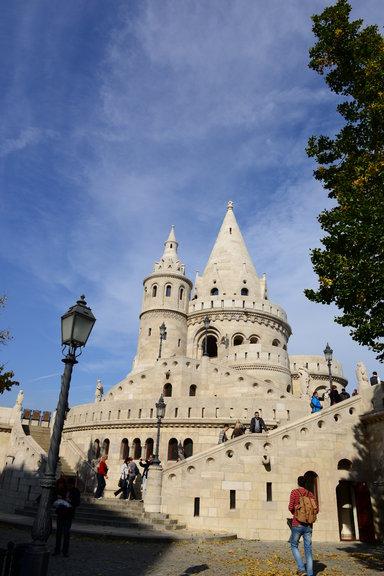
Located on the banks of the Danube River, Fisherman's Bastion is a famous architectural complex in Hungary. The two-story white buildings combine new Gothic, new Romanesque, and Hungarian styles, overlooking the Parliament Building. As one of the most outstanding buildings in Hungary, Fisherman's Bastion is on par with the Parliament Building and the Opera House. In medieval times, the fishermen here were responsible for defending the city walls, hence the name. The complex has seven turrets, each representing a leader from the seven Magyar tribes in 896 who led the Magyar nation to settle in the Carpathian Basin. Between Fisherman's Bastion and St. Matthias Church stands a bronze statue of St. Stephen. In the past, Fisherman's Bastion was open to the public for free. Today, the first floor has been converted into a cafe, and the second floor can be entered for free.
1
km
2
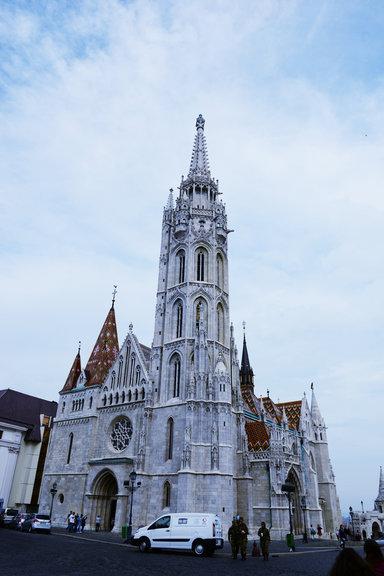
The Matthias Church, founded in 1015, is one of the historical and grand Gothic buildings in Budapest, Hungary. It was named after King Matthias, who led Hungary to rapid development of politics and culture in the 15th century, and established the largest library in Europe, the Corvinian Library, which collected historical, philosophical, and scientific achievements. Under King Matthias's rule, Hungary's economy, culture, military, and territory reached a peak in history and was deeply respected and loved by the people.
Originally named the Church of Our Lady, the church was renamed after King Matthias held his wedding here. Today, it has become a must-visit destination for tourists and hosts music concerts and church activities periodically. In addition, there is a memorial pillar on the nearby Szentháromság Square, which was established in the 18th century to commemorate the victory over the Black Death plague. King Matthias's contributions and influence not only made the church famous, but also brought waves of promotion for the development and progress of Hungary.
1
km
Day5: Vienna
3 attraction(s) ·
10 km
1
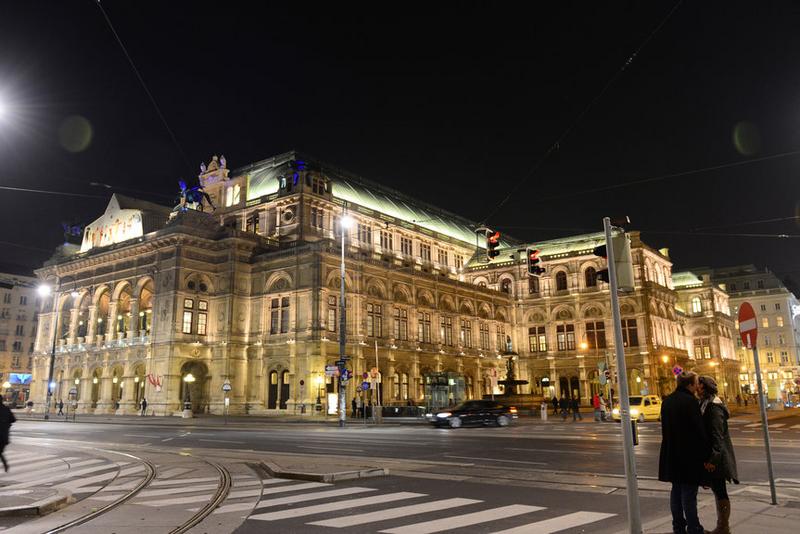
Vienna State Opera, located on the Ringstrasse in the heart of Vienna, is one of the world's most renowned opera houses and a major symbol of Vienna. Built in 1869, its inaugural performance was Mozart's "Don Giovanni," and it quickly became the center of the opera world, earning the nickname "the world's opera capital."
The State Opera is a grand neoclassical building constructed with yellow marble. It features five arches on the main entrance, each representing heroism, drama, imagination, art, and love, with bronze statues of the five opera goddesses.
Spanning 9,000 square meters, the opera house has 6 tiers of seating. The walls of the foyers and corridors are adorned with magnificent oil paintings depicting scenes from the most famous works of celebrated composers, including Mozart's "The Marriage of Figaro," "The Magic Flute," and "Don Giovanni," Beethoven's "Fidelio," Rossini's "The Barber of Seville," and more.
During World War II, the stage of the Vienna State Opera was destroyed by Allied bombing, and in 1945, the entire building was consumed by fire. The opera house we see today is a reconstruction, completed in 1955 with over 2,200 seats, and it premiered with Beethoven's "Fidelio" conducted by Karl Böhm on November 5th.
5
km
3
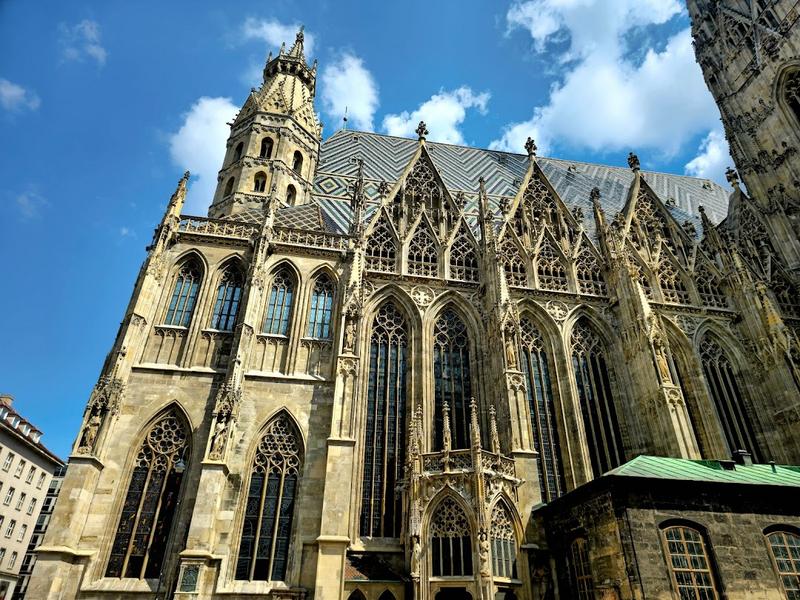
Medieval Roman Catholic place of worship with an ornate spire, catacombs & a treasury museum.
Day6: Mondsee > Munich
3 attraction(s) ·
136 km

2
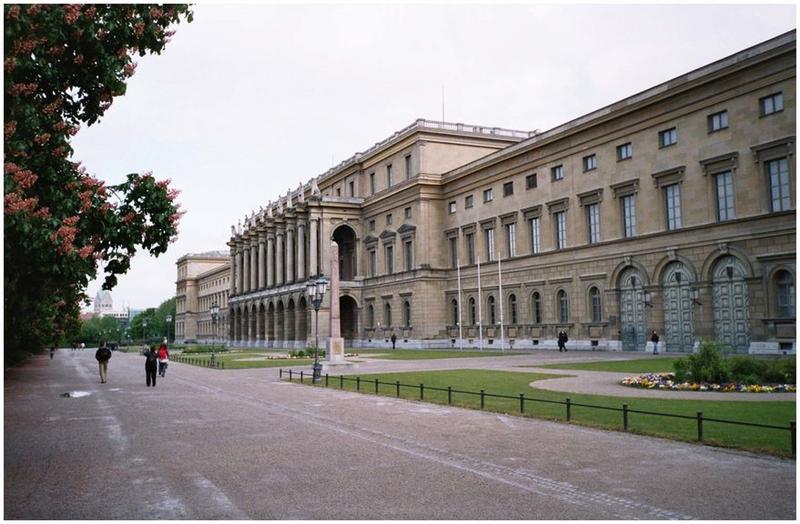
The Wittelsbach Palace in the center of Munich, Germany, was built in 1385 and has gradually expanded over time. It was the residence of the rulers, dukes, and kings of Bavaria until 1918. Today, the palace is open to visitors, showcasing its architecture, interior decorations, and royal collections. The Munich Palace consists of ten courtyards and museums, with 130 exhibition rooms. It is divided into three main parts: the King's Building (Königsbau) near Max-Joseph-Platz, the Old Residence (Alte Residenz) facing the Palace Street, and the Festsaalbau, Altes Residenztheater, and Schatzkammer facing the Palace Garden. The Palace Treasure House exhibits a remarkable collection of gold and silverware, enamel crafts, crystal, ivory products, and more, representing the heritage of royal residences over five centuries. Visitors can also admire the reconstructed King's Suite at the Palace Museum. If you plan to visit multiple attractions, it is recommended to purchase a combination ticket from the Bavarian Palace Department (refer to their website: http://www.schloesser.bayern.de/englisch/palace/objects/jahresk.htm).
1
km
3
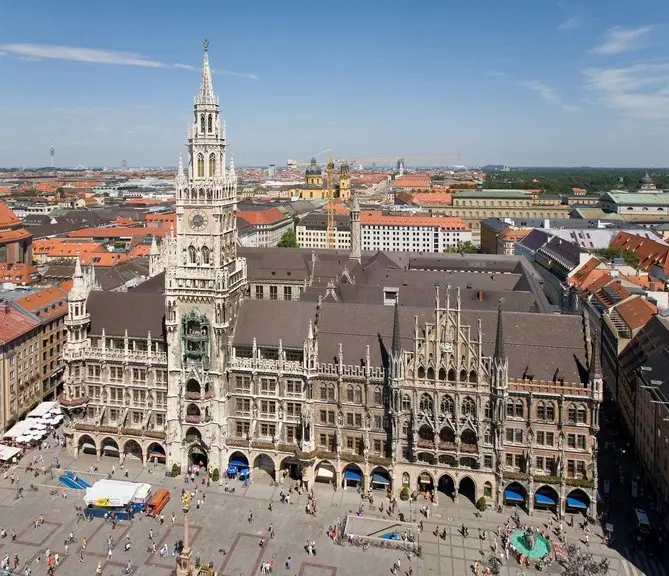
The must-visit place in Munich city center is Marienplatz. This square used to be a market place until 1807. Today, most of the buildings surrounding the square were built in the 19th and 20th centuries. In the center of the square stands a Marian column, where people express their gratitude and admiration for Virgin Mary. In the northeast corner of the square, there is a fish fountain, which used to be the place for butcher apprentices to complete their apprenticeship ceremony. Marienkirche is located in the northwest corner of the square, the New City Hall is situated on the north side of the square, and the Old City Hall is on the east side of the square. Viktualienmarkt is located in the southeast side of the square. Whether it's history, culture, or scenery, Marienplatz is a place not to be missed.
Day7: Vaduz > Engelberg > Zurich
3 attraction(s) ·
160 km
1
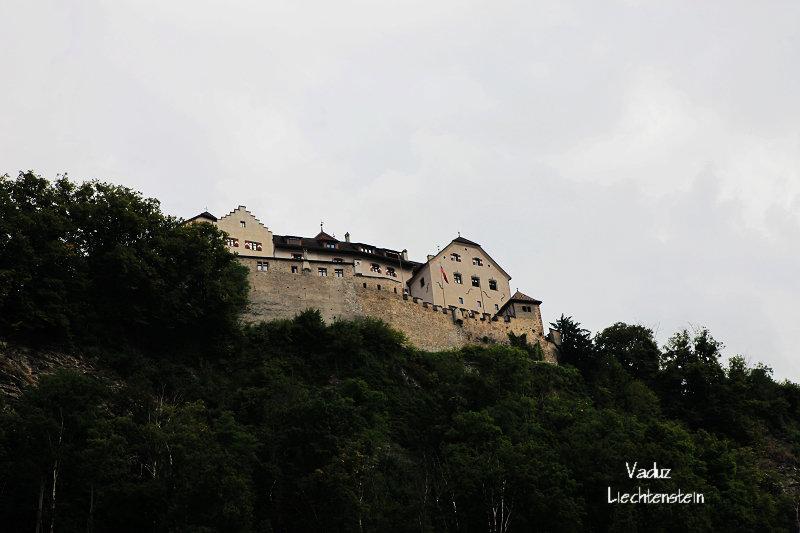
Vaduz Castle is usually closed to visitors, but the surrounding scenery is stunning. From the ridge, you can see the maze-like mountain roads and the panoramic view of Vaduz. Every year on National Day (August 15th), the Prince of Liechtenstein invites all citizens to his residence for a drink.
93
km
2

Famed mountain offering the world's 1st cable car, a skiing area, suspension bridge & glacier caves.
67
km
3
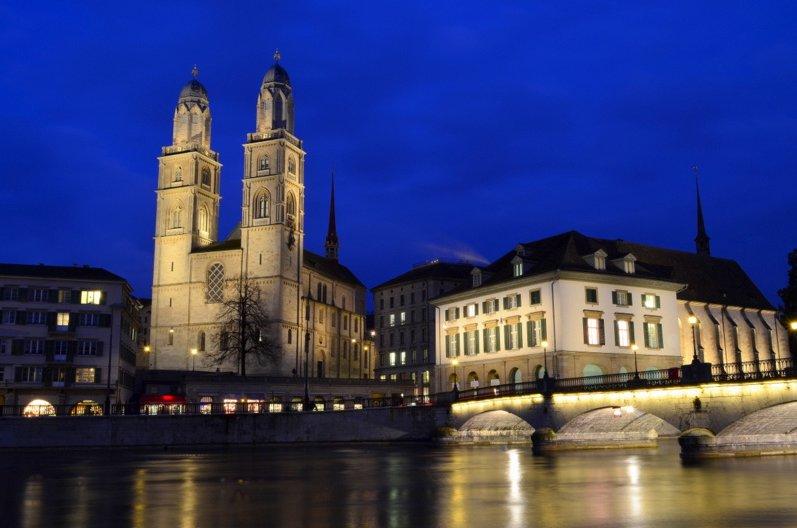
This monastery church, built about 1100 years ago, is known for its twin tower Romanesque architecture and has become one of the iconic buildings of Zurich. The church faces the Grossmünster and played a key role in the Swiss Reformation of the 16th century, with the theological faculty of the University of Zurich and the Museum of Reformation located here. In addition, the church is decorated with exquisite stained glass by the modern art master Giacometti.