8-Day Tour of Australia: Sydney Beaches Natural Scenery
3 cities |
20 attraction(s) |
total distance 1166
km
 TIPS
TIPS
Day1
Day2
Day3
Day4
Day5
Day6
Day7
Day8
Day1: Sydney
3 attraction(s) ·
2 km
1
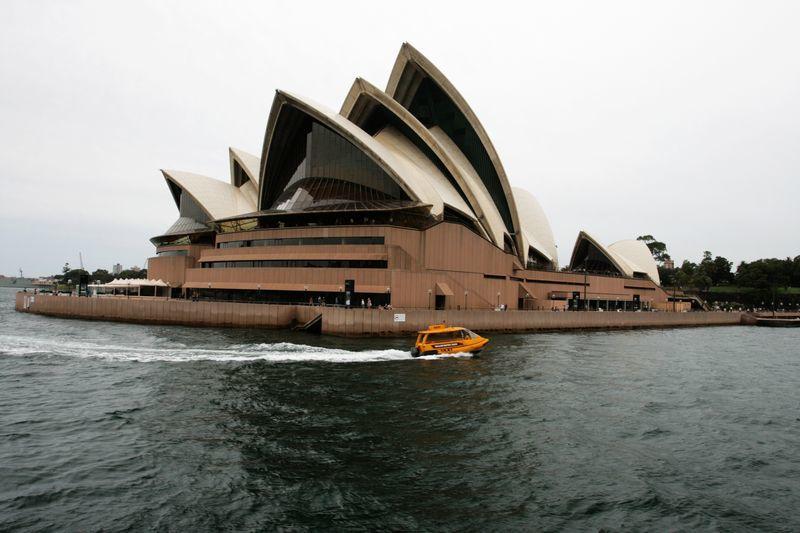
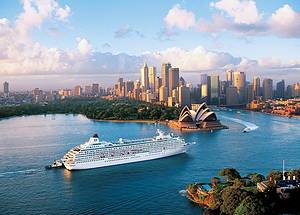
The Sydney Opera House, a famous building in Australia, is located at the convenient Lang Jiao in the magnificent Sydney Harbor. Its white sculptural body is uniquely shaped, like a scattered shell, and is intertwined with the Sydney Harbour Bridge, celebrating together. Construction began in 1959 and lasted for 14 years before being completed in 1973 as a landmark building in Sydney. On June 28, 2007, the Sydney Opera House was named a world cultural heritage site by the United Nations Educational, Scientific and Cultural Organization. Every year, thousands of tourists come to visit this building and experience its unique charm.
The Sydney Opera House consists of two large main halls, a small theater, a concert hall, and other ancillary facilities. The two halls are located within a unique competition sail-shaped structure, while the small theater is located within the lower base. The concert hall can accommodate up to 2,679 spectators and has the world's largest mechanical timber-linked organ, consisting of 10,500 wind pipes. The smaller of the two main halls is actually the opera house. Because the larger hall was originally built as an opera house, the stage of the smaller hall is relatively small, making it difficult to accommodate large orchestral performances. Therefore, the completed opera house stage was demolished and rebuilt.
Every day, the Sydney Opera House provides guided tours in Mandarin Chinese for 30 minutes, leading tourists to experience the wonders of this building. From any angle, the Sydney Opera House's design is breathtaking, like an art temple that stands out on its own.
1
km
2
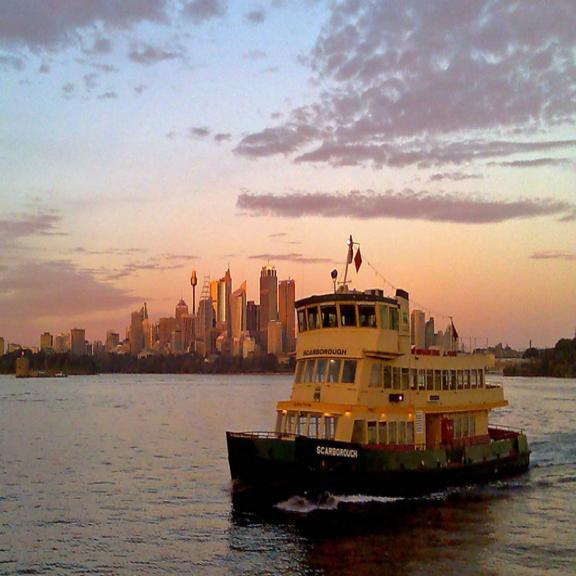
Sydney Harbour, also known as Port Jackson, is located on the east coast of the Pacific, approximately 20 kilometers from Parramatta River, surrounded by the busiest commercial centers in Sydney. Some people call it the "harbor of the city." Taking a boat ride to admire the scenery on Sydney Harbour is an unforgettable experience, with picturesque sights that leave a lasting impression. Sydney Opera House and Sydney Harbour Bridge are both located on the harbor, and the sunset here is breathtaking.
2
km
3
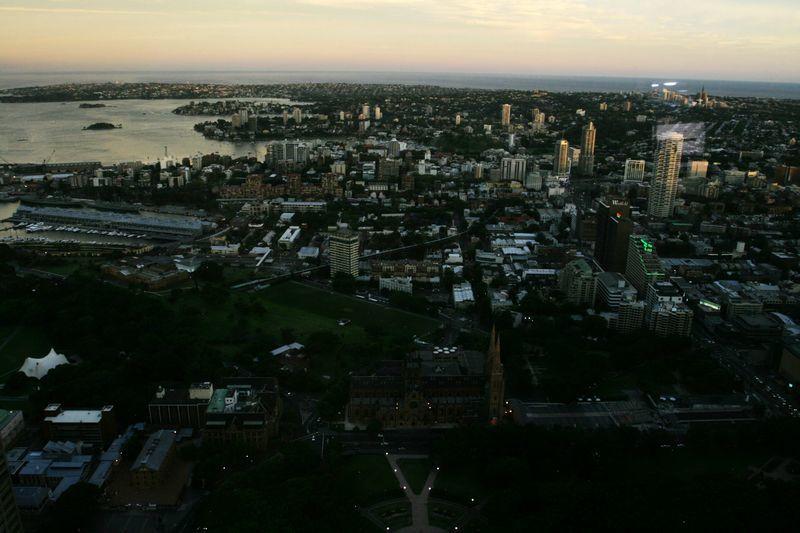
The AMP Tower, also known as the Centrepoint Tower, rises up from the Sydney Central Business District, reaching a height of 305 meters. It is Australia's second tallest stand-alone building and the Southern Hemisphere's second tallest observation tower. The tower is divided into three levels, all of which are open to the public. At the 250-meter high observation deck, the transparent glass windows provide a completely enclosed 360-degree view, allowing visitors to fully enjoy the beautiful scenery of Sydney and also shop for souvenirs at the outdoor gift shop. If booked in advance, visitors can take a tour on the open-air skywalk at 260 meters high, overlooking the surrounding scenery and feeling the excitement of being in the sky. In addition, there is a revolving restaurant inside the tower, which is luxurious and charming. In 2006, the revolving restaurant was renovated to perfection and was reborn in all its glory. It can accommodate 220 people for à la carte or buffet meals, providing the highest quality dining experience in Australia, and the restaurant floor rotates at a speed of 70 minutes per hour. The tower has three double-decker elevators that are as fast as lightning, and it takes only 40 seconds to reach the Sydney Tower Skywalk. The maximum capacity of the Sydney Tower is 960 people.
Day2: Sydney
2 attraction(s) ·
2 km
1
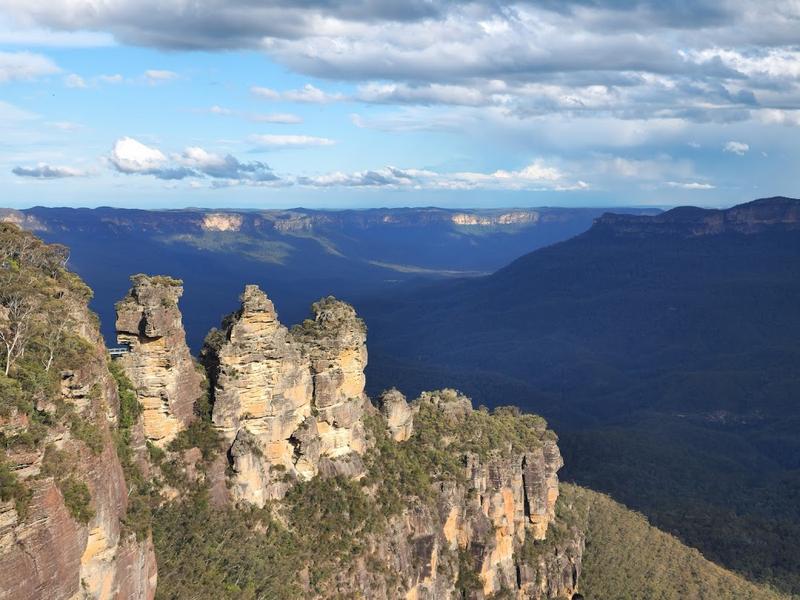
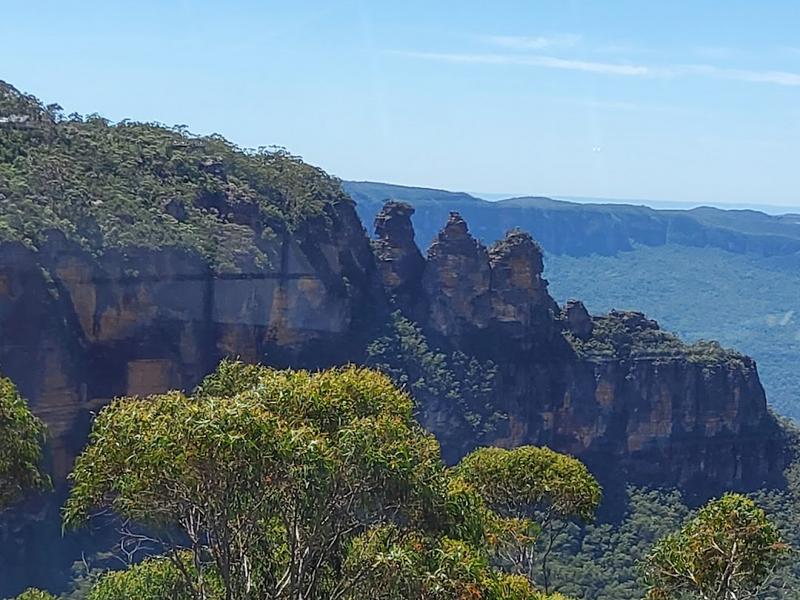
Clifftop platform with views of 3 landmark weathered sandstone peaks, part of Aboriginal folklore.
2
km
Day3: Canberra
3 attraction(s) ·
7 km
1

Expansive modern building with Australian & international art, plus a sizable aboriginal collection.
3
km
2
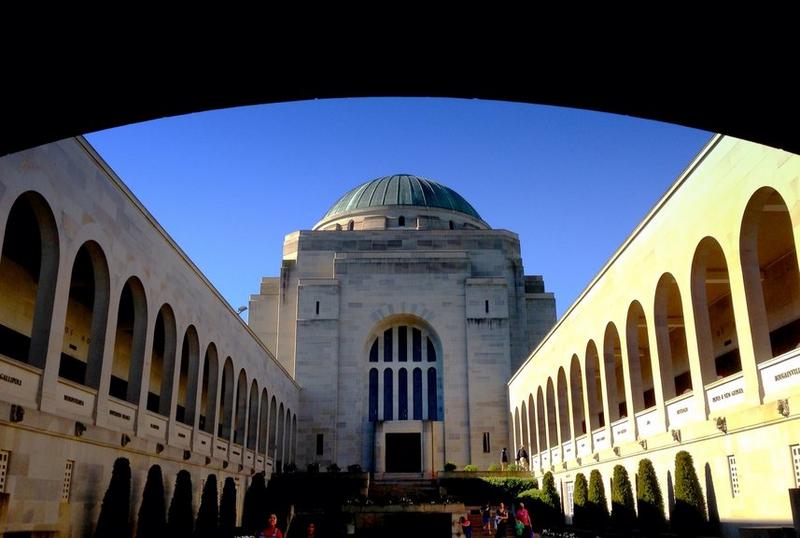
The Australian War Memorial was built to commemorate the 100,000 Australian soldiers who sacrificed their lives for the country since 1788. In 1917, the Australian people proposed the idea of building a war memorial to commemorate the fallen heroes of World War I. In 1941, the Byzantine-style building with a copper-plated roof was completed. The theme of the memorial was extended to remember the martyrs of World War II. The memorial displays a large number of war relics, pictures, and models. The center of the memorial is the solemn commemorative area with black stone tablets on both sides bearing the names of the fallen soldiers, adorned with solemn flowers. In addition, the multimedia theater showcases scenes from the wars, air raids, and landing operations, allowing visitors to simulate military equipment like planes and guns. The Australian War Memorial is one of Australia's most valuable cultural heritage sites, playing a significant role in commemorating the heroic soldiers, promoting peace, and highlighting the truth behind wars.
4
km
3
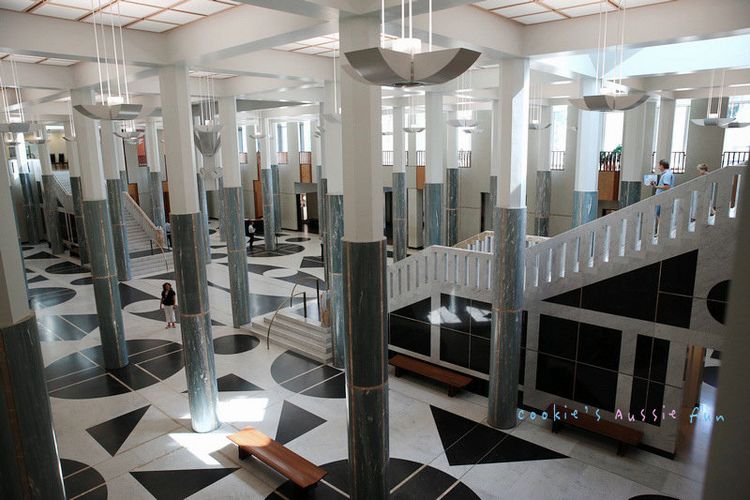
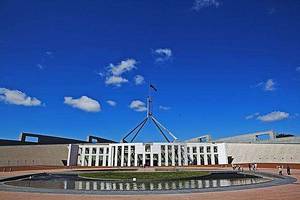
The center of Canberra, the capital city of Australia, is one of the world famous attractions. The architecture is grand and spectacular, using elements such as bricks, high quality timber, and artwork, including the world's largest tapestry. The building covers 32 hectares and has six floors, with the ground floor being a car park. The exterior walls are made of circular granite that complements the shape of Capital Hill. The core feature is an 81-meter stainless steel flagpole standing in the center of the hall. The Parliament House offers free guided tours every 30 minutes to help visitors understand its history and internal structure. Clocks are present everywhere in the Parliament House, including the toilets, to remind people of meeting times. The Parliament House is divided into the Senate and the House of Representatives, with green seats for the latter and over 130 members, one elected per 81,000 people. The Speaker's seat is in the middle, with the seats of the leaders of the ruling and opposition parties on either side. The seating arrangement is by political party. The meeting venue also has public galleries and press galleries, making it democratic, open, and televised to the whole nation. The Senate is similar in format to the House of Representatives but with red seats, 76 seats in total, 12 for each of Australia's six states, plus two seats for the Australian Capital Territory and two seats for Indigenous Australians. The Speaker's seat has a vacant chair for the Queen of England and another chair reserved for foreign dignitaries.
Day4: Melbourne
3 attraction(s) ·
2 km
1
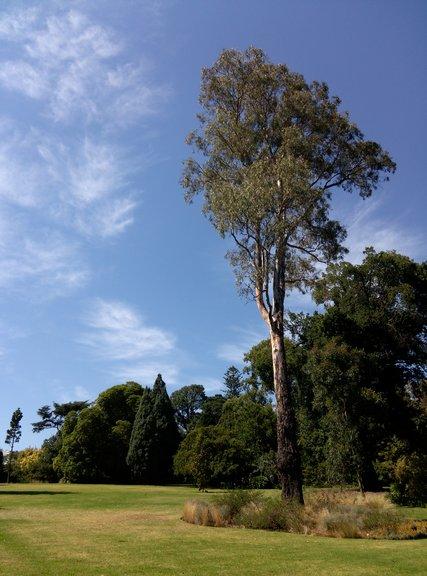
The Melbourne Botanic Garden is a beautiful garden located on the banks of the Yarra River, with over 12,000 species of plants from around the world. Walking along the dirt roads in the park, you can admire a small area of pristine rainforest and play frisbee on the large lawn. There is also a 4-kilometer running track in the park that passes by lakes where you can see beautiful eels and black swans. Undoubtedly, this is one of the most striking gardens in Melbourne.
2
km
2
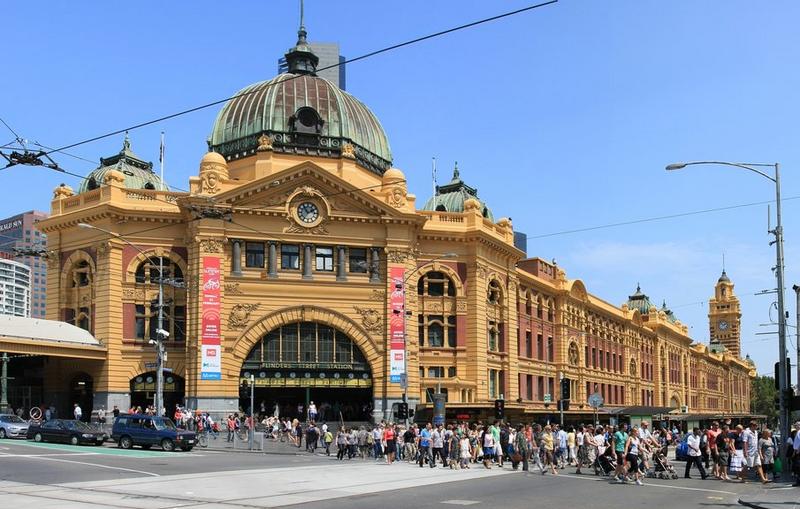
Flinders Street Station is one of Melbourne's largest and busiest train stations, as well as one of the buildings left behind from the Victorian era. As the first railway station in Melbourne, it serves as the central station for local railway lines. Its grand architectural style is very attractive and easily recognizable. Located in the city center, the station's unique location facing Federation Square and St. Paul's Church has become one of Melbourne's most important cultural centers. The entire station is built with yellow stone, and the bronze dome is one of its greatest features. When night falls, the station is illuminated by dim yellow lights and looks especially beautiful. As far as the eye can see, the magnificent buildings give people a peaceful and beautiful feeling. Melbourne residents often meet under the station's clock, which has become an important part of their lives. To experience the charm of Flinders Street Station, it is recommended to visit at night when you will surely be amazed by its unique classical beauty.
1
km
3
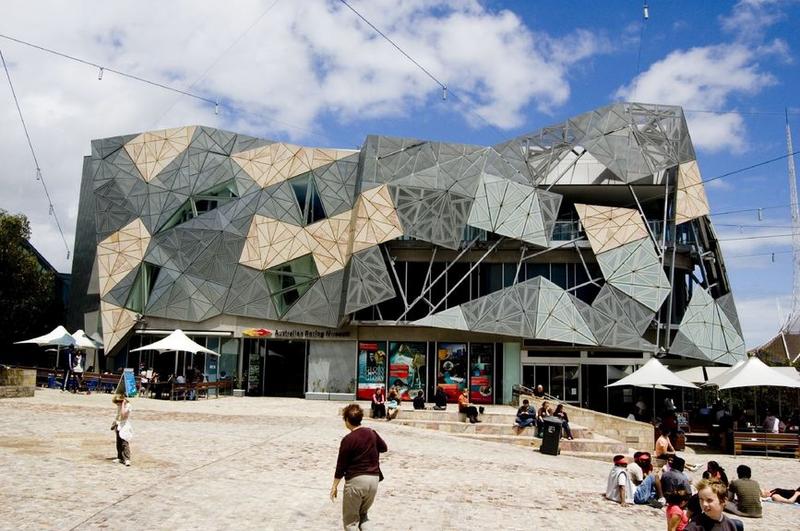
Fed Square is located in the center of Melbourne, Australia. It covers an area of 3.2 hectares and is adjacent to the Yarra River. The unique architectural style exudes the charm of Australian Aboriginal culture. The square is a holy place for people to gather, and the tourist center is a focus. Various celebratory events are held here every year, including New Year's countdowns and live sports broadcasts. The history of the square can be traced back to the 1960s. After a large-scale reconstruction, it was put into use in 2002 as a mixed-use multi-functional place with 16 cafes, bars and restaurants, various shops, and tourist service centers. There are many attractions around the square, such as the Ian Potter Center, the Australian Centre for the Moving Image, the National Gallery of Victoria Children's Play area, and the Australian Commercial Art galleries Association, etc. Tourists can spend unforgettable time here. The Melbourne Visitor Center provides thoughtful services for tourists to understand tourism information in Melbourne and Victoria. Fed Square is a vibrant and culturally rich place that is worth visiting.
Day5: Melbourne
1 attraction(s) ·
0 km
Day6: Melbourne
2 attraction(s) ·
189 km
1
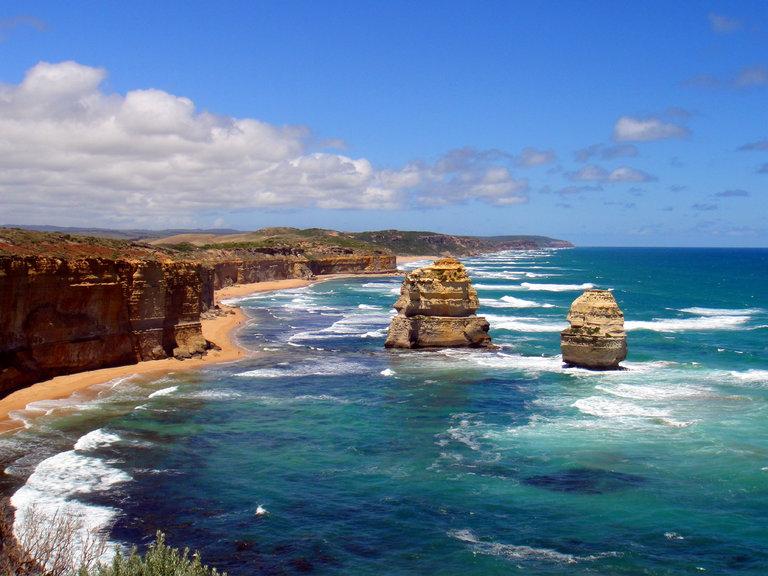
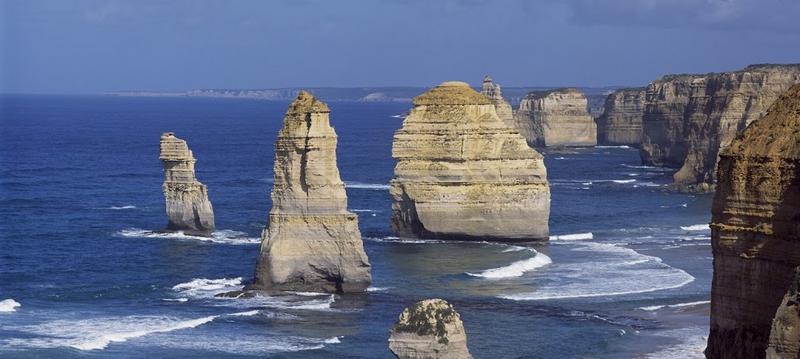
The Great Ocean Road is a travel route that stretches nearly 250 kilometers west of Melbourne, Australia. The route crosses through pristine beaches, picturesque towns, stunning mountains, and rainforests, making it an unforgettable journey filled with beautiful scenery and historic significance. The eastern portion of the Great Ocean Road winds through the Otway Mountains, where lush forests and farmland thrive. Traveling along the coast from Melbourne to the endpoint takes approximately four hours, while taking an inland highway can save you over an hour, but you'll miss out on many breathtaking coastal views. Towns along the way include Geelong, Torquay, Apollo Bay, and Port Campbell. One of the most famous attractions along the route is the Twelve Apostles, but due to the high number of tourists, it's recommended that those driving stay overnight in Port Campbell and head there early in the morning to avoid crowds. You can also continue westward from Port Campbell to explore the town of Warrnambool and its many beautiful, unique sights that are less crowded. Our suggestion is to stay overnight in Warrnambool for a leisurely holiday, where you can find great deals like "a 300 square meter new villa with garage for only 700 yuan" and enjoy the comfort and tranquility.
189
km
Day7: Melbourne
3 attraction(s) ·
17 km
1
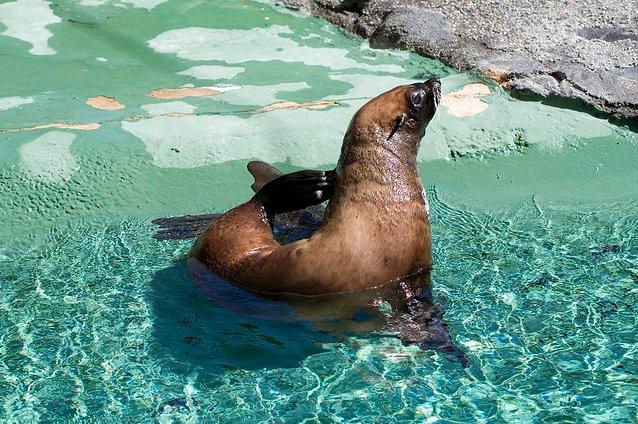
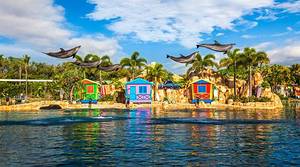
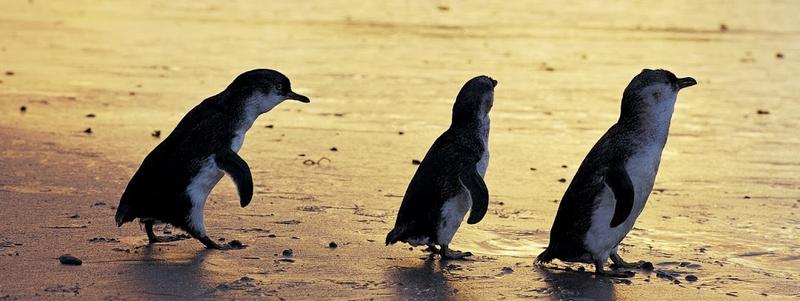
In Australian tourism, getting close to animals is a major highlight. You can enter the enclosures of emus and kangaroos to get closer to them; you can also watch sea lions and penguins swim gracefully underwater; if you're lucky, you can even observe polar bears up close through glass. In addition, the park's green environment has its own unique flavor, with various birds freely roaming on the lawns, including peacocks, as if they had escaped from their cages.
10
km
2
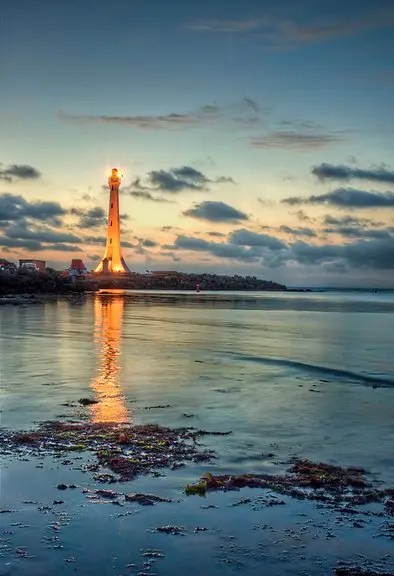
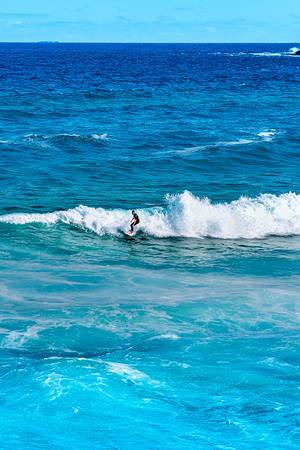
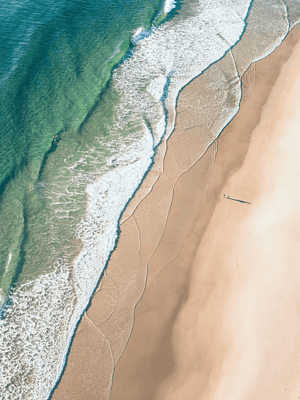
St. Kilda Beach is located at the northeast corner of Port Phillip Bay, about 6 kilometers from the city center. It is one of the most popular beaches in Melbourne, with many palm trees and white sandy beaches. St. Kilda Beach is a great place for surfing, sailing, and beach volleyball, attracting many enthusiasts to gather here.
7
km
3

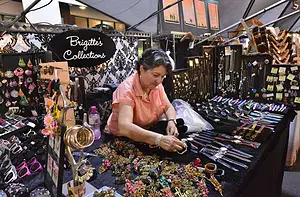
This market, which began in the mid-19th century, has now become the largest open-air market in Australia and even in the southern hemisphere. Here you can find everything, whether it's seafood, fresh meat, vegetables, fruits, or clothing, shoes, souvenirs, etc. If you can make it in time, you can also take advantage of the discounts on fresh fruits, vegetables, and meat before the market closes, and get them at affordable prices. The food night market on Wednesday nights is not to be missed. The night market in 2014 is from July 9th to August 26th, and every Wednesday night from November 5th to March 25th the following year, from 17:00 to 22:00. The night market not only has delicious food, but also bars, clothing, art and other goods, and there are live band performances, which are definitely worth a visit.
Day8: Melbourne
3 attraction(s) ·
2 km
1
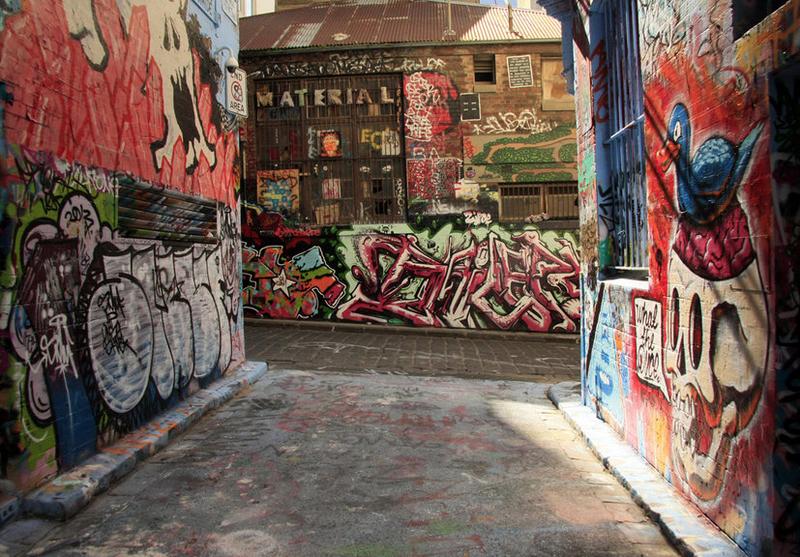
The English name for graffiti art, "graffiti," comes from Greek slang and represents the grassroots and original nature of this art form. Early graffiti primarily appeared in public places such as walls, subways, etc., with cultural connotations such as youth, rebellion, and non-mainstream, reflecting the voice of African Americans. It has certain associations with the pop art that emerged in the 1960s, but there are also significant differences: Pop artists generally have received professional painting training, while graffiti artists are mostly from poor backgrounds. It wasn't until 1973 that graffiti art first received official exhibition and artistic recognition. Victoria, Australia's Melbourne has strict anti-graffiti laws, which means that young graffiti artists like to create in alleyways. Adrian Doyle is the founder of graffiti art in the area and a successful artist. Hosier Lane is a iconic street art alley in Melbourne's central business district with graffiti changing fastest. Spray painting and pasting are the main ways of graffiti, including paintings, artistic fonts, various posters, flyers, handicrafts, etc. To truly touch the territory of graffiti, you need to stand in the streets and alleys and appreciate it.
1
km
2
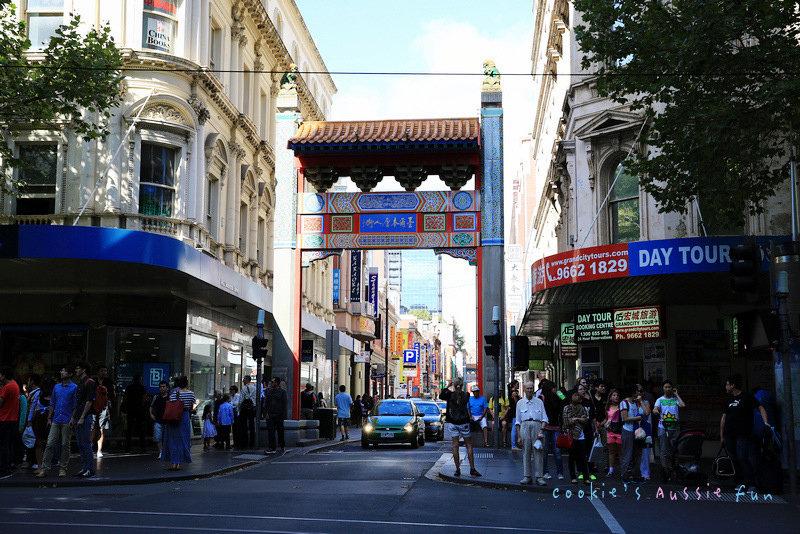
Located in the center of Melbourne, Australia, Chinatown refers to an area between Swanston and Exhibition streets on Little Bourke Street, with the liveliest section between Swanston and Russell. There are numerous Chinese restaurants and shops, and the staff generally speak Mandarin and Cantonese, making it easy for tourists to shop and ask for help.
Chinatown offers a wide variety of goods, including many Australian specialties such as sheepskin and lanolin. When shopping, visitors should remember to bargain moderately. The roads in Chinatown are one-way, allowing only vehicles to travel from east to west. Pedestrians are free to walk, but should be careful of traffic. During major festivals such as the Spring Festival and Mid-Autumn Festival, Chinatown becomes a pedestrian-only street, with vehicles prohibited from entering.
1
km
3
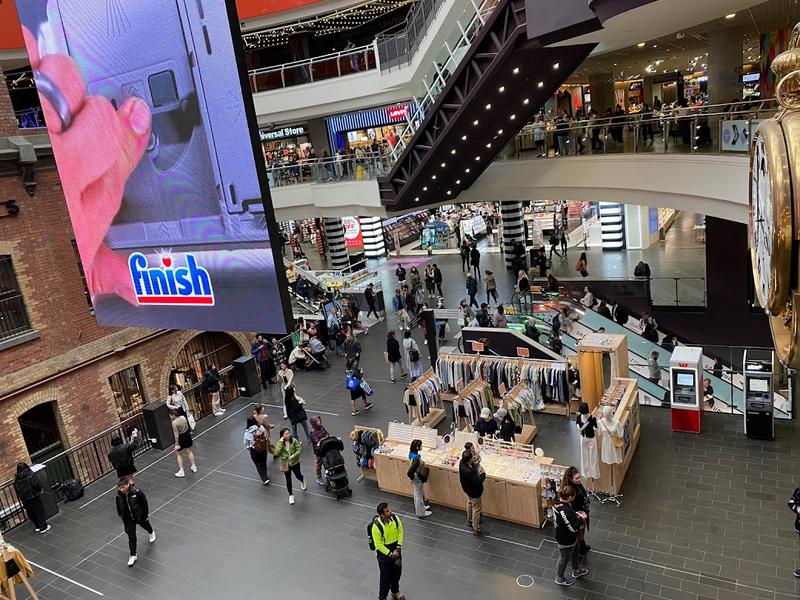
Various retailers & dining options, plus a cinema, offered in a multilevel space with a glass dome.