Cologne-Nuremberg Historical Cultural Tour
2 cities |
8 attraction(s) |
total distance 344
km
 TIPS
TIPS
Day1
Day2
Day3
Day1: Cologne
3 attraction(s) ·
2 km
1
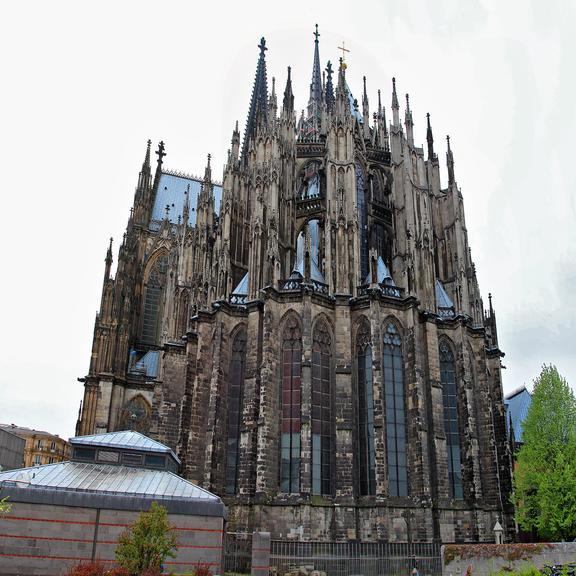
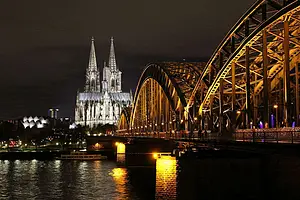
Cologne Cathedral is the iconic landmark of the German city of Cologne. This Catholic cathedral is considered one of the most perfect examples of Gothic architecture in the world. The twin towers on the west side of the cathedral are among the peaks of Gothic architecture, and the central part of the cathedral houses the largest choir in European cathedrals. The rose windows of the cathedral depict biblical stories, and the treasury displays intact vestments and reliquaries from centuries past. From the south tower platform, visitors can admire the panoramic view of the entire city and the Rhine River from a height of 97 meters. The square in front of the cathedral is also a venue for events and celebrations. Street performers and musicians bring a lively atmosphere to this ancient city. Each year, Cologne Cathedral attracts 7 million visitors from around the world.
1
km
2
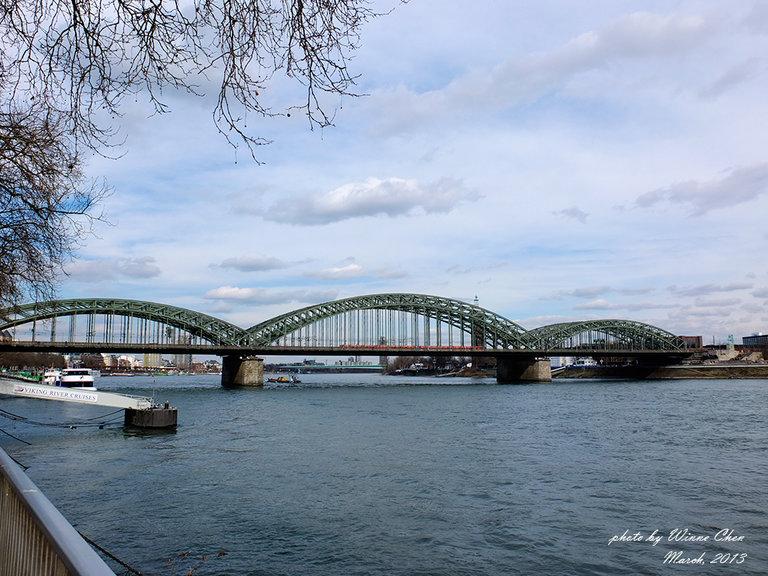
The Hohenzollern Bridge in Cologne, built between 1907 and 1911, is one of the oldest bridges in Cologne. It consists of three railway bridges and a pedestrian walkway. From this bridge, you can overlook the most beautiful view of the Rhine River, connecting to Cologne Cathedral. According to the belief of the people of Cologne, all you need to do is to hang a lock on the Hohenzollern Bridge, then throw the key into the Rhine River to make love last forever. As a result, on this bridge, various shapes and colors of copper locks form a unique sight.
1
km
3
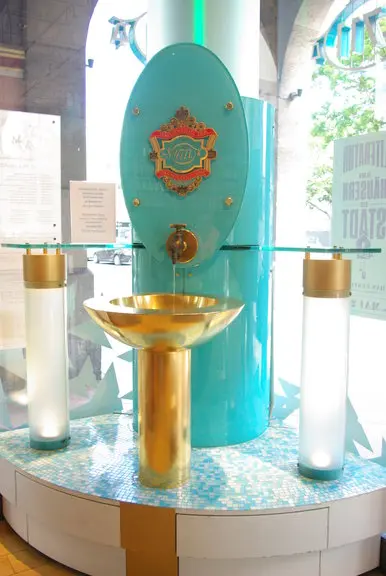
The "Duftmuseum im Farina-Haus" located opposite City Hall is the former residence of Farina, the inventor of Eau de Cologne, and the birthplace of Eau de Cologne. This small but historic museum showcases the production process of ancient perfumes, allowing visitors to smell and observe various perfume ingredients. Museum guides, dressed in costumes and wigs, provide explanations of the history and cultural background of ancient perfumes for visitors.
Day2: Nuremberg
3 attraction(s) ·
2 km

2

Do you know that this is one of the largest museums in Germany and the entire Germanic region? This museum showcases historical and cultural artifacts from prehistoric civilizations to modern culture. Browsing through its vast collection of relics and books will deepen your understanding of German history. This museum is also an academic center for European history and culture. Make sure to spend some time here, you will be amazed.
1
km
3
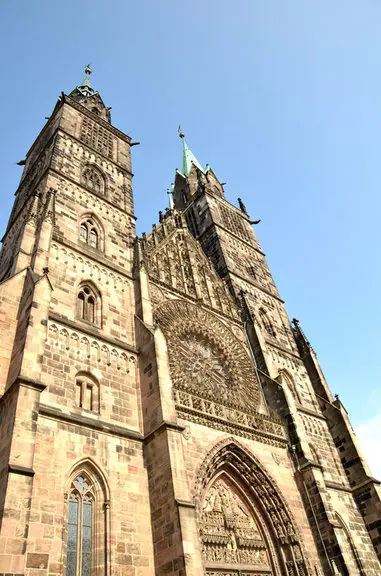
The brand-new St. Laurentius Church, built between the 13th and 15th centuries, is a typical Gothic cathedral. The most impressive features inside the church are the star-shaped dome of the sanctuary and the suspended wooden sculpture of the Announcing Angel, handcrafted by another famous German artist, Veit. Veit's other masterpiece is the crucifixion of Jesus on the high altar, while Adam Kraft created the tabernacle for the Holy Sacrament. St. Laurentius Church was built on the foundation of an ancient Roman rectangular cathedral, and between the two Gothic towers, there are round stained-glass windows with a diameter of 9 meters, adorned with countless triangles and broken roses.
Day3: Nuremberg
2 attraction(s) ·
2 km
1

The Nuremberg Trials were a major post-war international court proceedings that took place between November 1945 and October 1946. The trials aimed to hold accountable the political, military, and economic leaders of the Axis powers in Europe, and lasted several months with numerous trials.
Following the initial trials, there were a series of subsequent Nuremberg Trials between 1946 and 1949. The courtroom had an underground tunnel leading to the prison. Today, the original courtroom is preserved, and there are exhibitions providing information about the historical details of the trials.
2
km
2