Five-Day Budget Tokyo Tour - Simplified Version
1 cities |
9 attraction(s) |
total distance 23
km
 TIPS
TIPS
Day1
Day2
Day3
Day4
Day5
Day1: Tokyo
2 attraction(s) ·
3 km
1
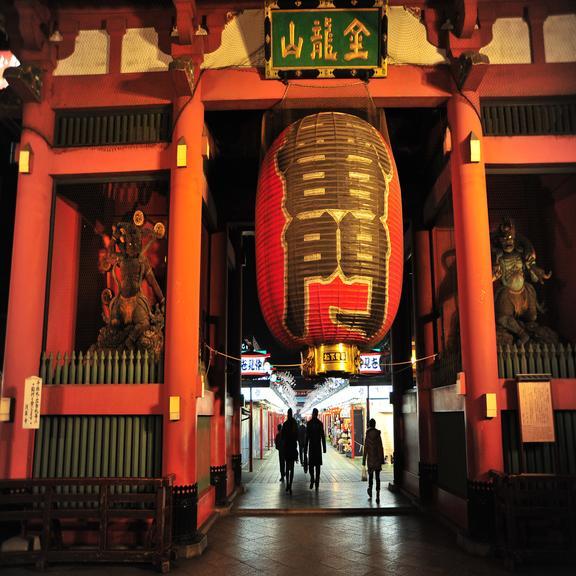
Sensoji Temple is the oldest temple in Tokyo, built in 628. According to legend, a fisherman discovered a golden statue of the goddess Kannon and built a tower to enshrine it in the same spot. Later, it was expanded into its current size. During the Edo period, Tokugawa Ieyasu ordered the rebuilding of Sensoji Temple, which gradually became a cultural center.
Climbing the gate with a giant lantern, the Kaminarimon gate, is one of the symbols of Asakusa and even Japan. In the middle of the gate are statues of the gods of thunder and wind, and its formal name is "Furaijin Gate."
Through the shopping street, you can see the main hall, which gradually became prosperous because Ieyasu designated it as a place of prayer for the shogunate. In the northeastern corner of Sensoji Temple, there is also Asakusa Shrine, which was built in the Heian period and has an elegant and beautiful architectural style.
Every May, Sensoji Temple holds the Sanja Festival, one of the three major festivals in Edo, which is the grandest event in Asakusa. This festival originated in the Edo period and fully displays the traditional culture and human emotions of the time. In the activity of carrying the shrine, several dozen people dress up in the style of the old-fashioned and gather from various directions to Sensoji Temple, creating a lively atmosphere.
3
km
2
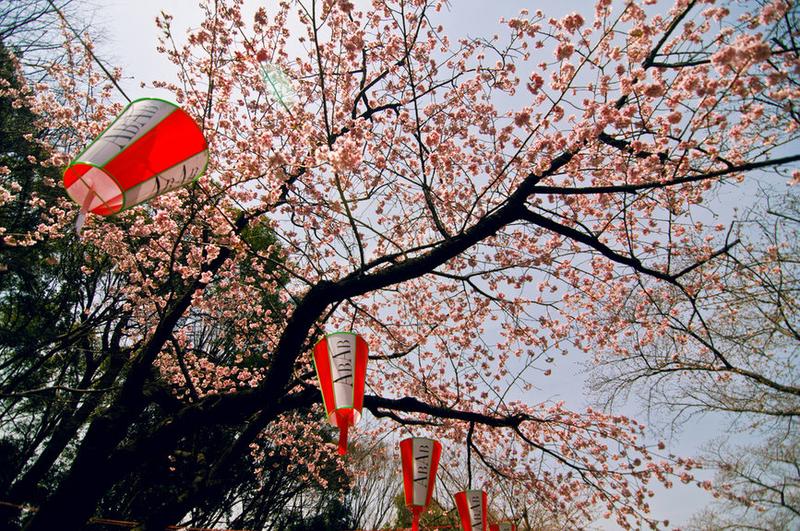
Ueno Park is one of Tokyo's famous parks, covering a large area and hosting multiple facilities such as a zoo, art museum, and museums. It also has a rich natural landscape, including famous landmarks such as Shinobazu Pond and Takegata Fountain. The park's most famous symbol is the bronze statue of Takamori Saigo. In spring, Ueno Park is a popular spot for cherry blossom viewing in Tokyo, where visitors can admire the beautiful cherry blossoms in full bloom.
Day2: Tokyo
2 attraction(s) ·
3 km
1
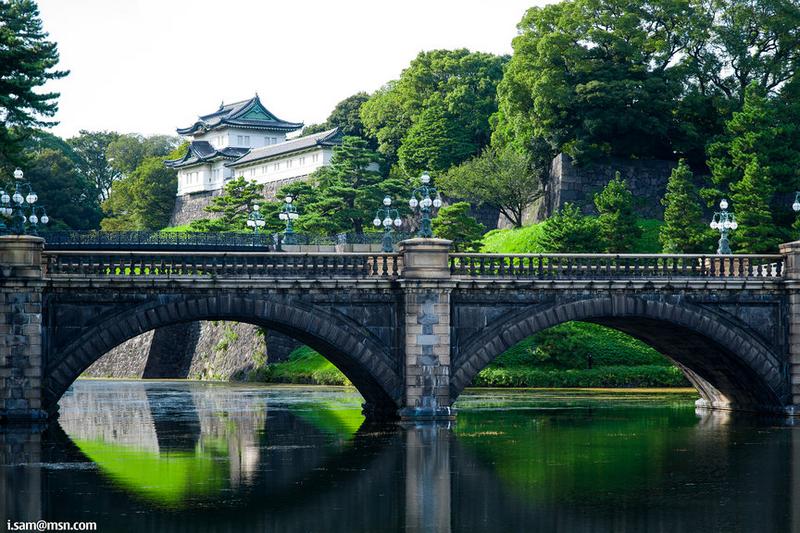
The Imperial Palace is a representative landmark in the center of Tokyo, consisting of the Imperial Palace Plaza, Niju Bridge, Imperial Palace Outer Garden, and Imperial Palace East Garden. During the Meiji Restoration, the Emperor moved from Kyoto to this location, giving it the name "Imperial Palace". Now, a portion of the area is open to the public as a park, with entrances at Hibiya Station to the south and Otemachi Station to the north.
Despite the surrounding skyscrapers, the Imperial Palace still retains the atmosphere of the Edo period, giving a strong sense of history. As a symbolic building of Tokyo, it has witnessed the changes of time and protected the descendants of Edo.
Around the Imperial Palace, taking a stroll along the moats, you can see the walls of the Edo Castle, as well as sculptures of the samurai Kumasu Narimasa, beautiful carved decorations on the entrance gate of Otemon, and the entrance to the Kitamru Park at the Tateyammon. In the East Garden, there is the Nino-Maru, where you can see the grand shogunate villa and exquisite gardens, which are precious legacies from the Edo period.
3
km

Day3: Tokyo
2 attraction(s) ·
2 km
1
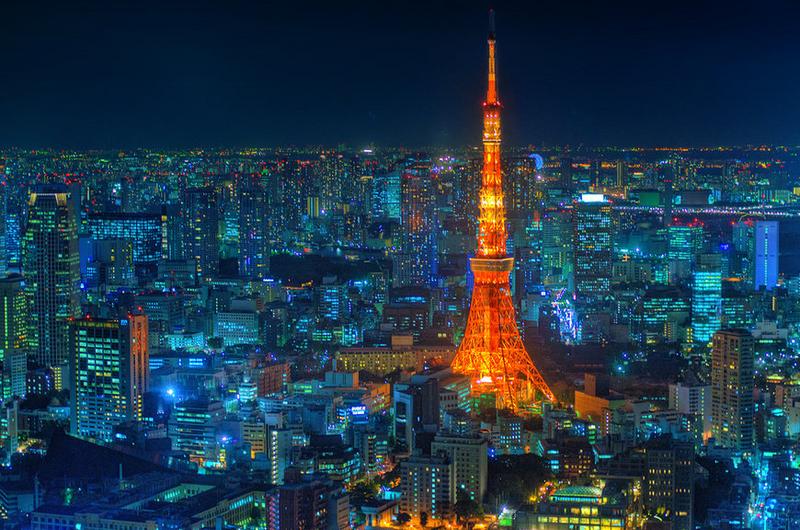
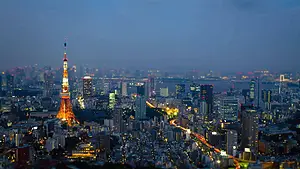
Tokyo Tower, also known as Nihon Denpa-tō, is located in Shiba Park, Minato Ward, Tokyo, Japan. It is a red and white tower modeled after the Eiffel Tower in Paris, standing at a height of 332.6 meters, 8.6 meters taller than the Eiffel Tower. Built in October 1958, it was once the tallest structure in Tokyo until the completion of Tokyo Skytree (634 meters) in February 2012, and has always been one of the landmarks of Tokyo. The tower has an observation deck at the top, offering panoramic views of the entire Tokyo metropolitan area, with a clear view of Mount Fuji on a clear day. The tower's lighting changes colors according to the season, with special decorations for holidays such as Christmas.
2
km
2
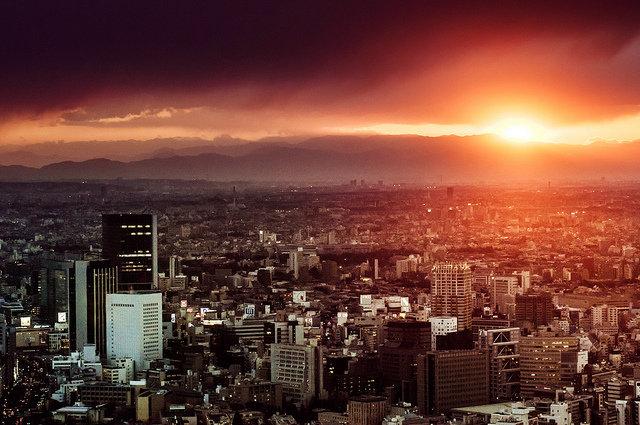
Roppongi is located in Tokyo and is known for its bars and nightclubs, attracting many foreigners. In recent years, two large integrated buildings, Roppongi Hills and Tokyo Midtown, have been completed here. Inside these buildings, there are excellent recreational facilities, including restaurants, hotels, theaters, etc., and there are also several art and cultural institutions, such as the Mori Art Museum, the National Art Center Tokyo, and the Suntory Museum of Art. Therefore, Roppongi has become one of the best tourist attractions to experience the charm of Tokyo. Tokyo City View on the 52nd floor of Roppongi Hills has a glass observation deck that provides a 360-degree view, making it one of the best places to enjoy the Tokyo night view.
Day4: Tokyo
2 attraction(s) ·
0 km
1
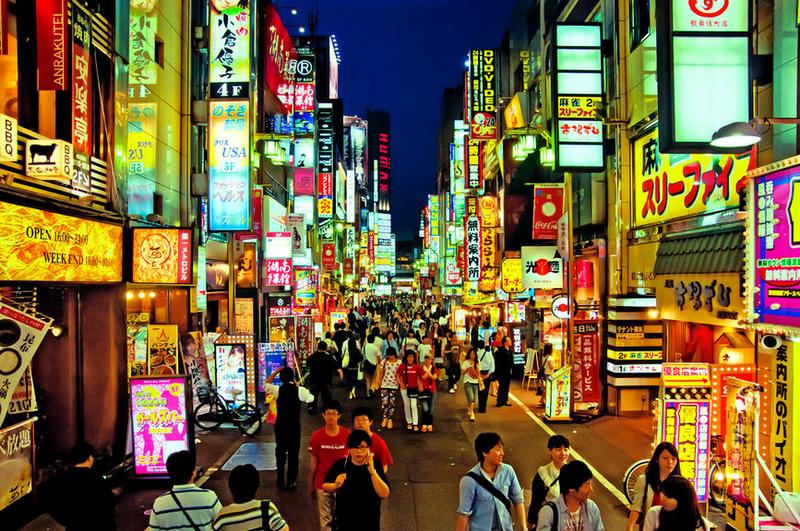
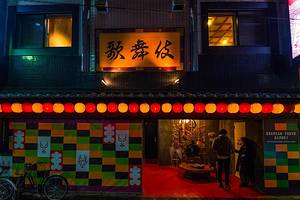
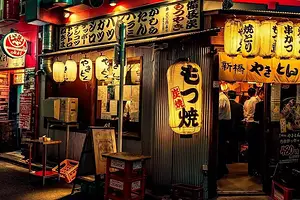
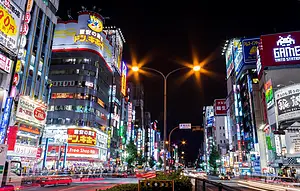
Kabukicho, the never-sleeping street in Tokyo, is home to numerous stories. It is one of the few large-scale red-light districts in the world. In addition, it is also a hub for cinemas, bars, nightclubs, love hotels, and more. With its bright lights and vibrant atmosphere, Kabukicho is often referred to as the "sleepless street." For visitors to Tokyo, a visit to Kabukicho is a must.
2
Kabukicho, the never-sleeping street in Tokyo, is home to numerous stories. It is one of the few large-scale red-light districts in the world. In addition, it is also a hub for cinemas, bars, nightclubs, love hotels, and more. With its bright lights and vibrant atmosphere, Kabukicho is often referred to as the "sleepless street." For visitors to Tokyo, a visit to Kabukicho is a must.
Day5: Tokyo
2 attraction(s) ·
2 km
1
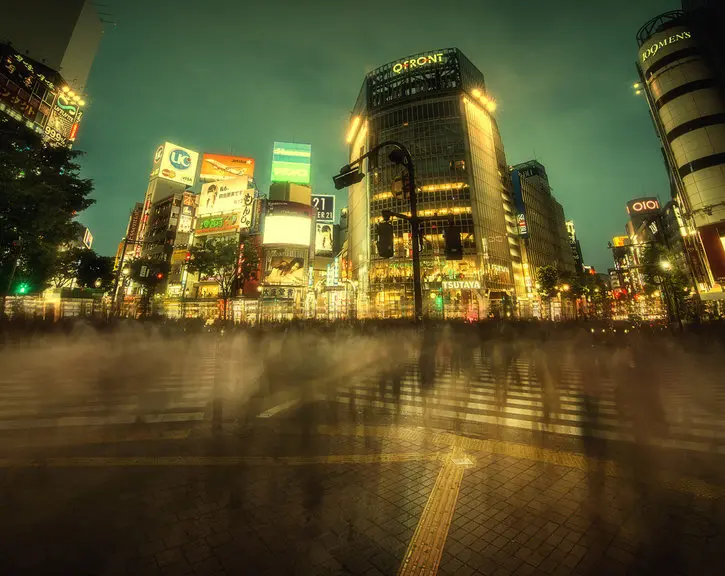
Shibuya is one of Tokyo's most unique and bustling districts, targeting primarily young people as a commercial center. The famous Shibuya 109 building represents this district, not only as a shopping center, but also as a symbol of GAL fashion. Shibuya gathers many department stores and fashion shops, as well as various types of small shops. In addition, there are many restaurants, bars, clubs, and live music venues in Shibuya, showcasing popular culture. If you walk from Shibuya's central street to the PARCO department store, you will pass a slope called Spain Hill, where there are a variety of clothing and grocery stores, dining and amusement centers, and unique Spanish-style decorations that are popular with young people.
The intersection in front of Shibuya Station is famous and is one of the busiest intersections in the world. When the green light comes on, the rushing flow of people floods the road from all sides, and the huge advertisements and screens of many commercial areas around add another charm to this busy city. Each street in this area has a different style and feature, with countless places to eat, drink, and play. If you come to Shibuya, don't forget to visit the famous bronze statue of Hachiko, the loyal dog, outside JR Shibuya Station!
2
km
2
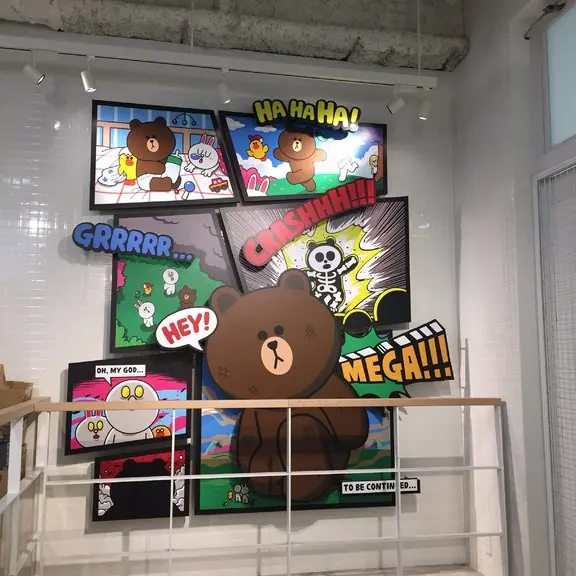
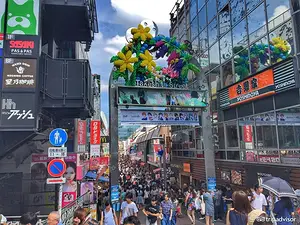
Harajuku is a place that is completely different from Shibuya, it is more diverse and mixed, and people in eccentric clothing here do not stand out as much. Starting from the Harajuku Station designed by Miyazaki Hayao, you will feel like you are in a magical world. There is Takeshita Street, the center of idol culture; there is Omotesando, representative of high-end fashion; and there is Meiji Shrine, a solemn and peaceful place. These elements collide and sublimate into Harajuku's unique charm. Even celebrities like Avril Lavigne love Harajuku's pop culture, and she even shot her Hello Kitty music video in Takeshita Street. In Harajuku, dessert shops are the most popular places to eat and drink, and crepes have become a true representation of the area. Dessert shops are busy during lunchtime, with many famous brands of sweets gathering here, such as Godiva, Senriku, and Egg Thing.