4-Day Trip to Japan: Tokyo - Kyoto - Osaka - Nara
4 cities |
10 attraction(s) |
total distance 475
km
 TIPS
TIPS
Day1
Day2
Day3
Day4
Day1: Tokyo
3 attraction(s) ·
12 km
1
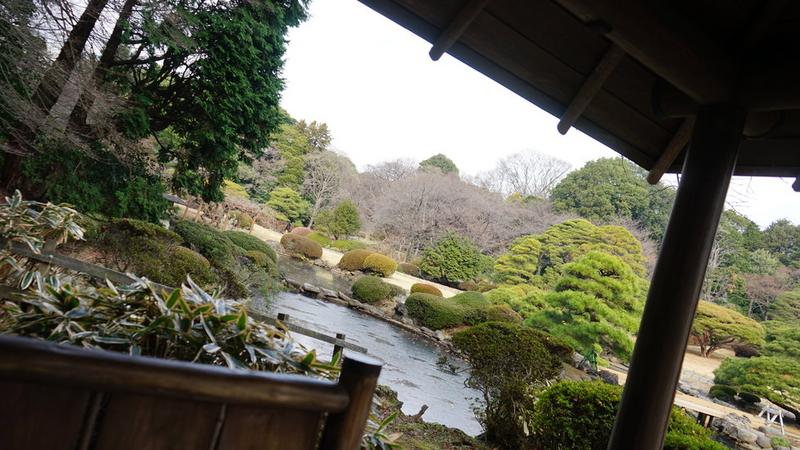
Shinjuku Gyoen is a famous park located in the center of Tokyo, known for its combination of Japanese and French gardens. It covers an area of approximately 58 hectares. The park features a variety of trees including cherry blossoms, autumn leaves, evergreens, and snow-white scenes throughout the year. It is one of the most renowned flower-viewing spots in Tokyo.
In history, during the Edo period, Naito Kiyonari bestowed this land upon his trusted vassals, initially for strategic purposes. It later served as an agricultural experimental field and eventually established with a greenhouse and Japanese garden. The park suffered extensive damage during the bombings in 1945. After its reconstruction in 1947, it became one of Japan's three major national parks along with the Imperial Palace Outer Garden and Kyoto Imperial Garden. However, this park remains a beautiful garden that combines European and Japanese styles, perfectly harmonizing with its location in the bustling city center, embodying the concept of "urban green space."
2
km
2

Kenzo Tange-designed City Hall complex with views from the tallest building's observation decks.
10
km
3
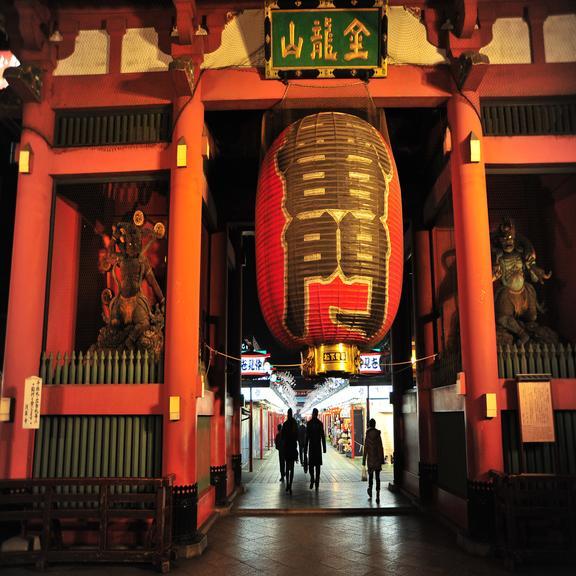
Sensoji Temple is the oldest temple in Tokyo, built in 628. According to legend, a fisherman discovered a golden statue of the goddess Kannon and built a tower to enshrine it in the same spot. Later, it was expanded into its current size. During the Edo period, Tokugawa Ieyasu ordered the rebuilding of Sensoji Temple, which gradually became a cultural center.
Climbing the gate with a giant lantern, the Kaminarimon gate, is one of the symbols of Asakusa and even Japan. In the middle of the gate are statues of the gods of thunder and wind, and its formal name is "Furaijin Gate."
Through the shopping street, you can see the main hall, which gradually became prosperous because Ieyasu designated it as a place of prayer for the shogunate. In the northeastern corner of Sensoji Temple, there is also Asakusa Shrine, which was built in the Heian period and has an elegant and beautiful architectural style.
Every May, Sensoji Temple holds the Sanja Festival, one of the three major festivals in Edo, which is the grandest event in Asakusa. This festival originated in the Edo period and fully displays the traditional culture and human emotions of the time. In the activity of carrying the shrine, several dozen people dress up in the style of the old-fashioned and gather from various directions to Sensoji Temple, creating a lively atmosphere.
Day2: Kyoto
2 attraction(s) ·
9 km
1
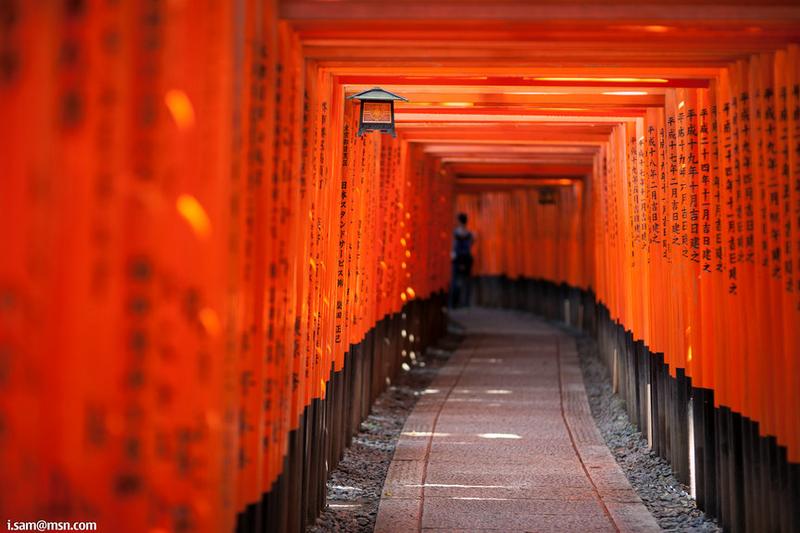
Fushimi Inari Taisha is located at the foot of Mount Inari in the southern part of Kyoto, with a long history. Legend has it that the agricultural deity Inari enshrined here can bless business prosperity and abundant harvest, attracting many pilgrims to worship. Foxes are considered messengers of the gods, so there are many different-shaped fox stone statues and fox-faced prayer plaques, showing people's reverence for foxes. Fushimi Inari Taisha is not only worth visiting for its main building, but also known for its "Senbon Torii" or "Thousand Torii Gates". This path to the mountaintop is lined with hundreds of vermilion-colored torii gates, spanning about 4 kilometers in total. It takes 2-3 hours to walk round trip to the mountaintop. This route is one of the representative landscapes of Kyoto and has appeared in the movie "Memoirs of a Geisha", leaving a deep impression with the scenes featuring the backdrop of the thousand torii gates.
9
km
2
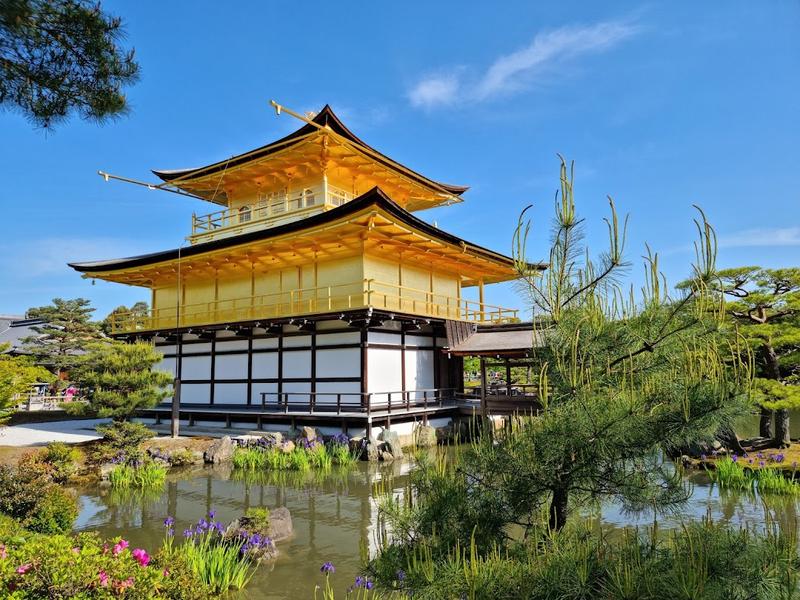
Historic, tranquil temple with a gold-leaf facade set amid landscaped gardens & a reflecting pond.
Day3: Osaka
2 attraction(s) ·
4 km
1

Revered castle dating to 1597 & since rebuilt, featuring gardens & a museum with varied exhibits.
4
km
2

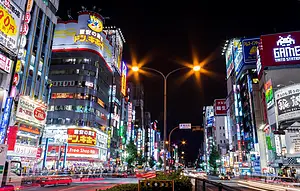
Lively entertainment district known for its soaring illuminated billboards, restaurants & theaters.
Day4: Nara
3 attraction(s) ·
2 km
1
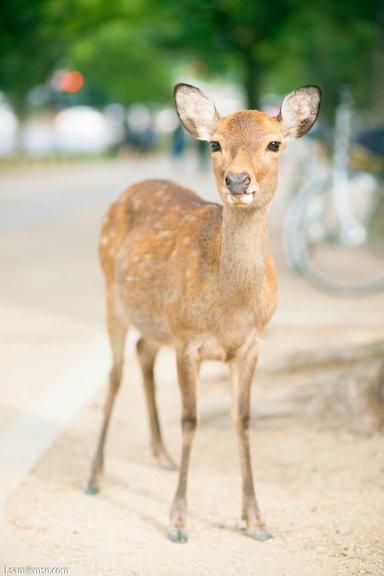
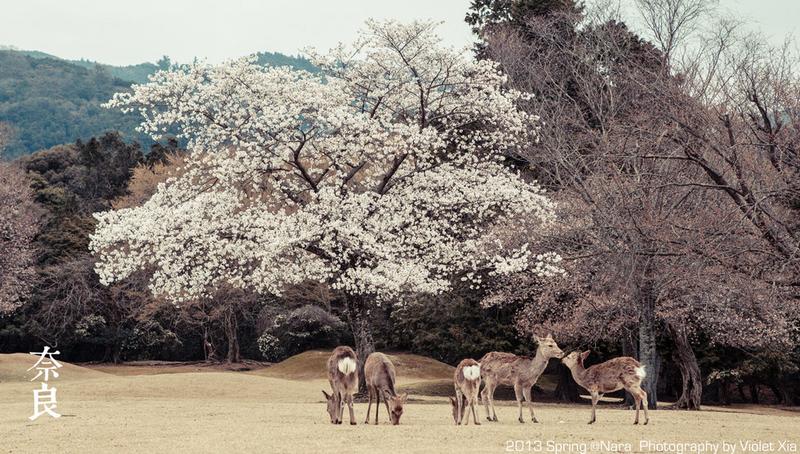
Encounter a fairy tale of deer and cherry blossoms, Nara Park is famous for its approximately 1,200 free-roaming deer. On the vast land area of 660 hectares, various cherry blossom trees, mainly including Yae-zakura, are planted.
1
km
2
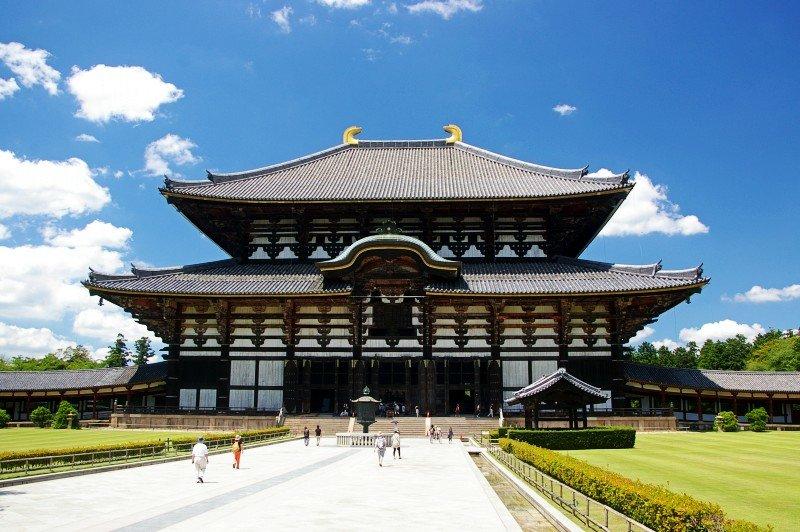
Todai-ji Temple is a famous temple of the Hua-yen Sect in Japan, also known as Da Hua-yen Temple, the Four Heavenly Kings Hall of the Golden Light Guard Temple, and so on. It is located in the eastern part of Heijo-kyo (now Nara), and is one of the seven great temples of the southern capital, with a long history of about 1200 years. In 1998, Todai-ji Temple was listed as a World Cultural Heritage Site as a part of the historical relics of ancient Nara. The Great Buddha Hall of Todai-ji is one of the largest wooden buildings in the world, with a frontage of 57 meters and a depth of 50 meters. Within the Great Buddha Hall stands the 15-meter-high Rushana Buddha. In addition, there are other famous buildings in the Todai-ji Temple complex such as the South Gate, the February Hall, the March Hall, and the Shoso-in Repository, all having extremely high historical, cultural, and artistic value.
2
km
3
The headquarters of Kasuga Shrine in Japan, the shrine is not very big, but it includes facilities such as Manyo Botanical Garden and Treasure Hall; it is a very charming shrine, with stone lanterns from various eras on both sides of the approach, creating a unique landscape. The presence of small deer adds to the lively atmosphere.