East Coast Australia 10-Day Tour
4 cities |
23 attraction(s) |
total distance 4894
km
 TIPS
TIPS
Day1
Day2
Day3
Day4
Day5
Day6
Day7
Day8
Day9
Day10
Day1: Sydney
4 attraction(s) ·
3 km
1
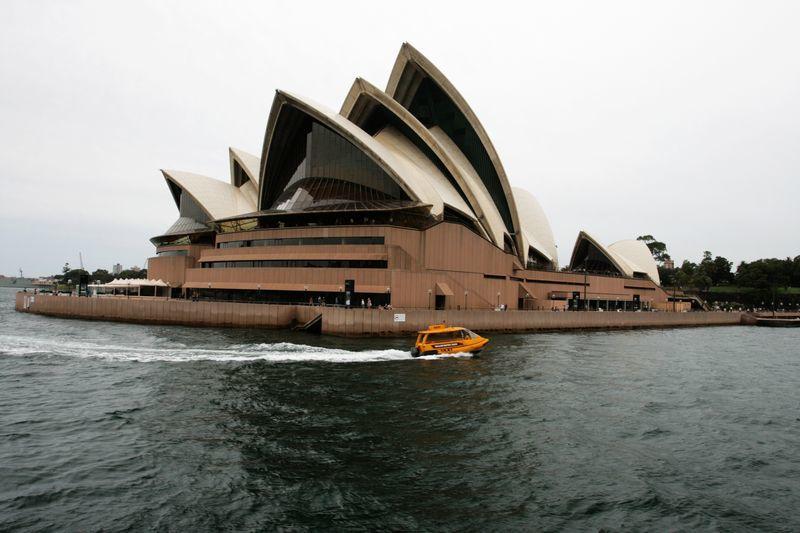
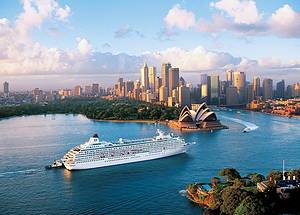
The Sydney Opera House, a famous building in Australia, is located at the convenient Lang Jiao in the magnificent Sydney Harbor. Its white sculptural body is uniquely shaped, like a scattered shell, and is intertwined with the Sydney Harbour Bridge, celebrating together. Construction began in 1959 and lasted for 14 years before being completed in 1973 as a landmark building in Sydney. On June 28, 2007, the Sydney Opera House was named a world cultural heritage site by the United Nations Educational, Scientific and Cultural Organization. Every year, thousands of tourists come to visit this building and experience its unique charm.
The Sydney Opera House consists of two large main halls, a small theater, a concert hall, and other ancillary facilities. The two halls are located within a unique competition sail-shaped structure, while the small theater is located within the lower base. The concert hall can accommodate up to 2,679 spectators and has the world's largest mechanical timber-linked organ, consisting of 10,500 wind pipes. The smaller of the two main halls is actually the opera house. Because the larger hall was originally built as an opera house, the stage of the smaller hall is relatively small, making it difficult to accommodate large orchestral performances. Therefore, the completed opera house stage was demolished and rebuilt.
Every day, the Sydney Opera House provides guided tours in Mandarin Chinese for 30 minutes, leading tourists to experience the wonders of this building. From any angle, the Sydney Opera House's design is breathtaking, like an art temple that stands out on its own.
1
km
2
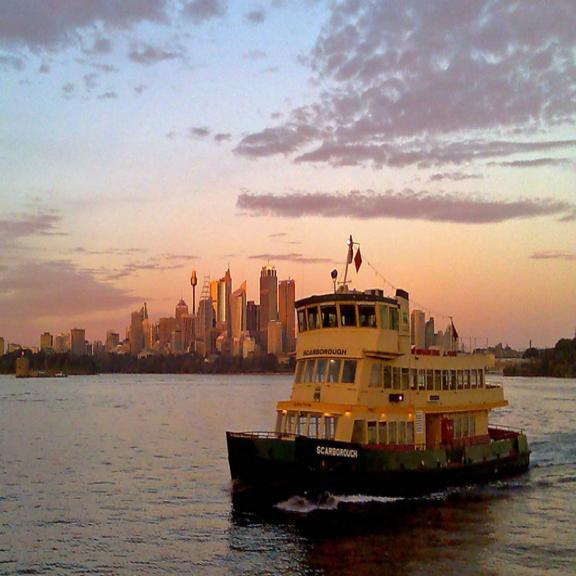
Sydney Harbour, also known as Port Jackson, is located on the east coast of the Pacific, approximately 20 kilometers from Parramatta River, surrounded by the busiest commercial centers in Sydney. Some people call it the "harbor of the city." Taking a boat ride to admire the scenery on Sydney Harbour is an unforgettable experience, with picturesque sights that leave a lasting impression. Sydney Opera House and Sydney Harbour Bridge are both located on the harbor, and the sunset here is breathtaking.
2
km
3
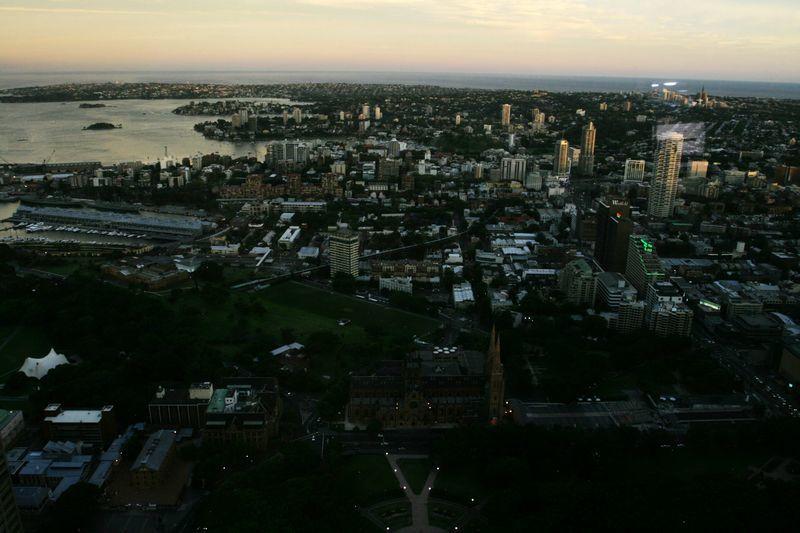
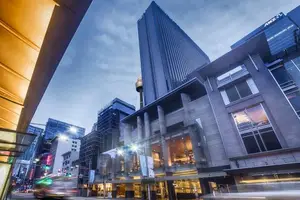
The AMP Tower, also known as the Centrepoint Tower, rises up from the Sydney Central Business District, reaching a height of 305 meters. It is Australia's second tallest stand-alone building and the Southern Hemisphere's second tallest observation tower. The tower is divided into three levels, all of which are open to the public. At the 250-meter high observation deck, the transparent glass windows provide a completely enclosed 360-degree view, allowing visitors to fully enjoy the beautiful scenery of Sydney and also shop for souvenirs at the outdoor gift shop. If booked in advance, visitors can take a tour on the open-air skywalk at 260 meters high, overlooking the surrounding scenery and feeling the excitement of being in the sky. In addition, there is a revolving restaurant inside the tower, which is luxurious and charming. In 2006, the revolving restaurant was renovated to perfection and was reborn in all its glory. It can accommodate 220 people for à la carte or buffet meals, providing the highest quality dining experience in Australia, and the restaurant floor rotates at a speed of 70 minutes per hour. The tower has three double-decker elevators that are as fast as lightning, and it takes only 40 seconds to reach the Sydney Tower Skywalk. The maximum capacity of the Sydney Tower is 960 people.
1
km
4

Darling Harbour is located in Sydney, New South Wales, Australia. It is a large area dedicated to free activities and pedestrian-only zones, situated in the central western part of the Sydney Central Business District.
Day2: Sydney
4 attraction(s) ·
20 km
1

Large marketplace featuring shops for seafood, deli items, wine & baked goods, plus restaurants.
3
km
2
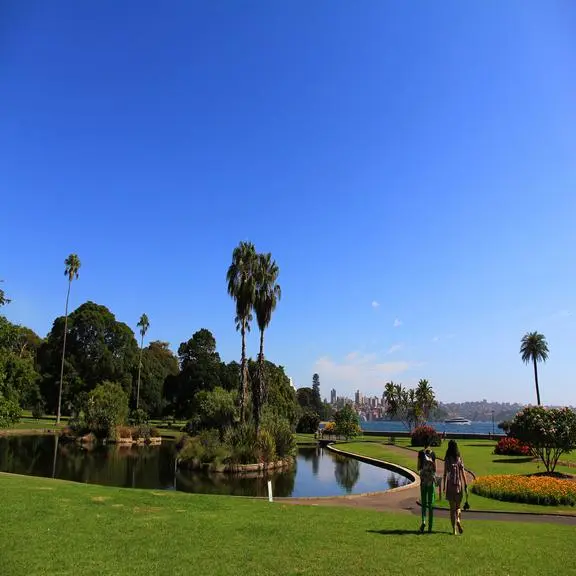
The Royal Botanic Garden is located behind the Opera House and is home to many unique Australian plants. During the colonial era, it was the site of the Governor-General's residence and later became the location of the New South Wales government. Along the garden's east side, the Queen Elizabeth Walk leads directly to Mrs. Macquarie's Point. Free guided walks are offered daily. The endpoint of the walkway is a platform known as "Mrs. Macquarie's Chair" that offers iconic views of the Sydney Harbour Bridge and Opera House. It is also a common sight in travel books.
6
km
3
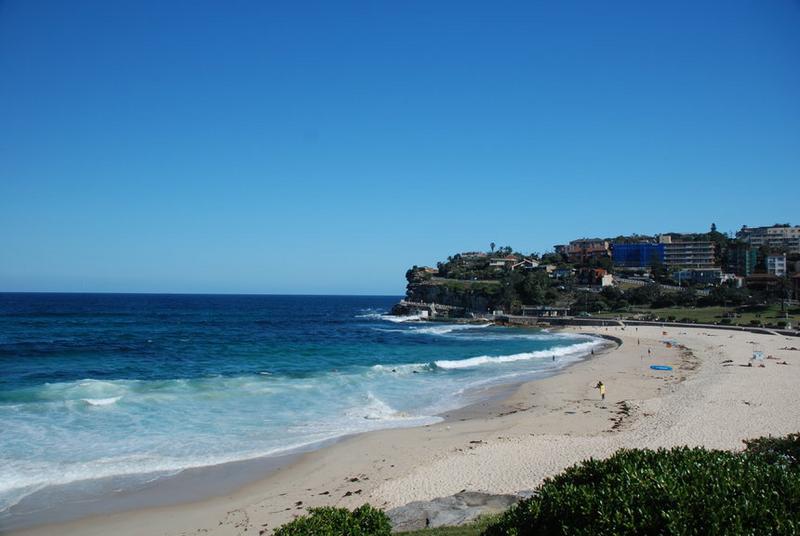
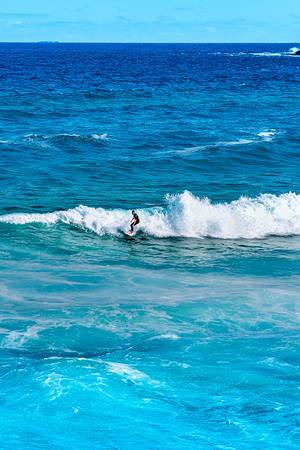
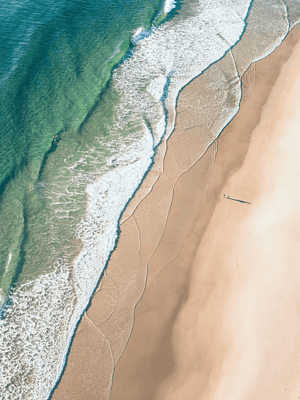
According to legend, this crescent-shaped beach is named after legendary surfer Bondi. Bondi Beach is located on the eastern coast of Sydney, 15 kilometers from the city center. The 1.5-kilometer-long beach faces the Pacific Ocean, with strong winds and high waves, and is one of the two major surfing resorts in New South Wales. Along the coast, there are a variety of diverse restaurants, cafes, surf shops, and souvenir stores.
11
km
4
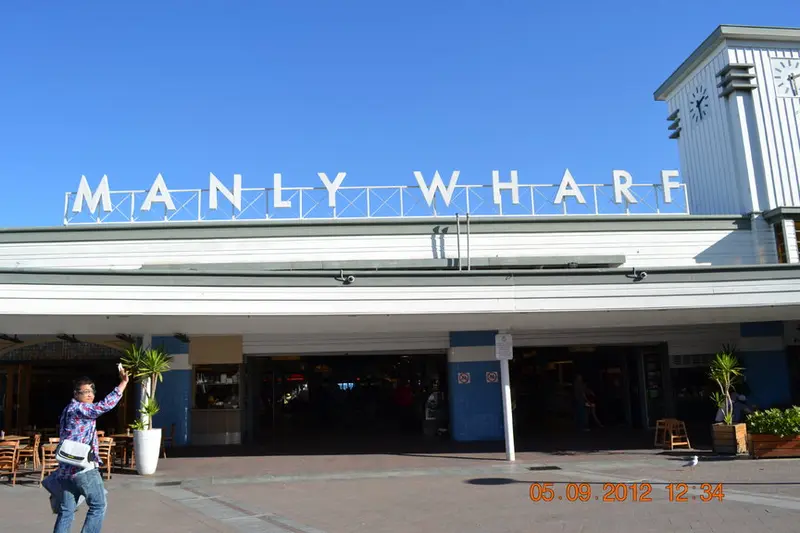
Manly Beach is located to the northeast of Sydney Harbour, with a wharf in the inner harbor and the beach in the outer sea of the South Pacific. Manly Beach is one of the surfing and vacation destinations in New South Wales, with a wide beach about 2.5 kilometers long, accommodating tens of thousands of people to enjoy a leisurely sunbath. Therefore, during holidays and festivals, it is always crowded here.
Day3: Gold Coast
3 attraction(s) ·
20 km
1
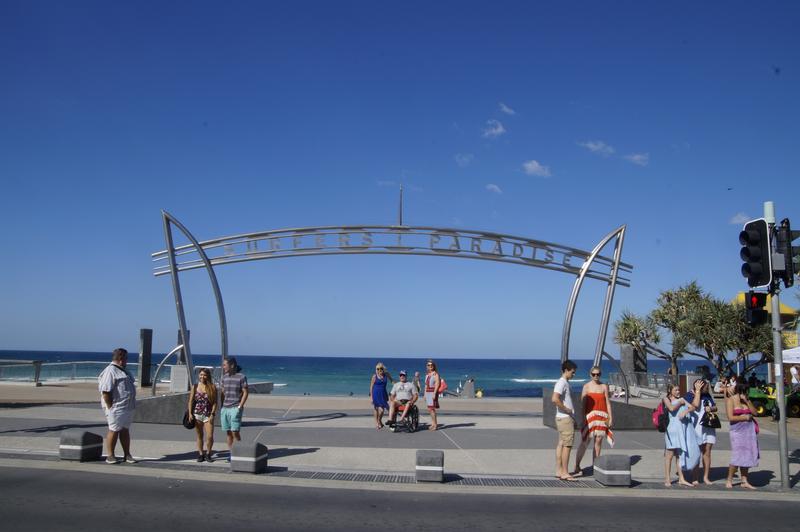
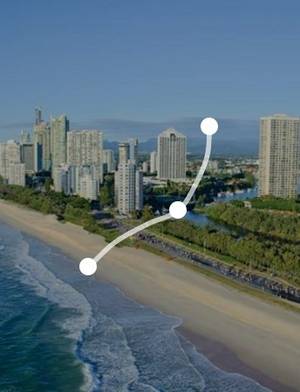
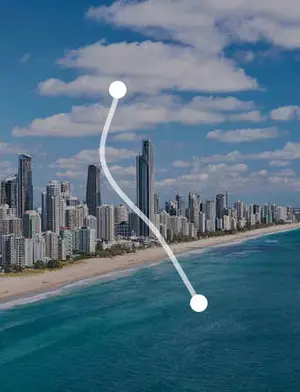
Surfers Paradise is located on the Gold Coast of Australia and is one of the country's most famous beaches. It is a gathering place for surfing enthusiasts from around the world. The Gold Coast is adjacent to the Pacific Ocean and has a 75-kilometer-long beach, making it the world's longest sandy beach coastline. Within this stretch, there is a 42-kilometer-long continuous beach. At the turning cliffs, there are reefs where layers of waves rush in, reaching heights of 2-3 meters and creating a breathtaking spectacle. However, Australian surfers consider this place to be their ideal sports field and arena, and they call it "Surfers Paradise". Every morning around 6 o'clock, when the sun rises from the ocean, young men and women can be seen coming to Surfers Paradise to challenge the waves and showcase their skills. Surfing competitions and exhibitions are also regularly held here, attracting numerous visitors.
15
km
2
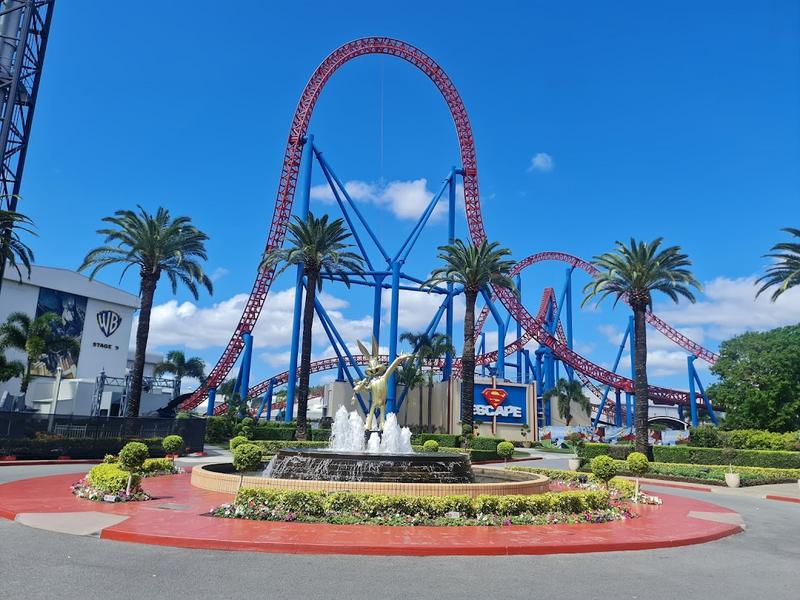
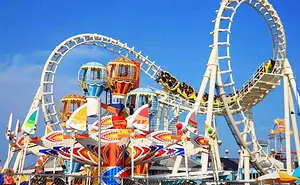
Film-themed amusement park with thrill rides including rollercoasters & regular live stunt shows.
5
km
3
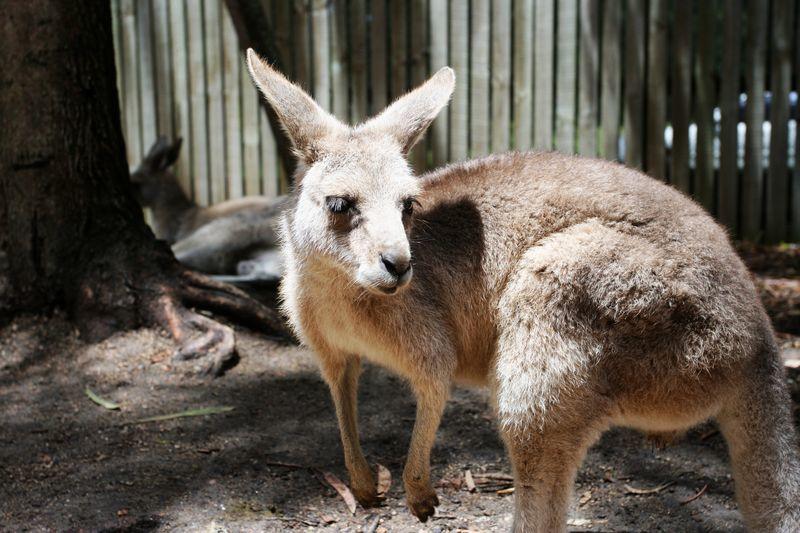
Dreamworld is a popular theme park on the Gold Coast of Australia, offering a Disney-like experience mixed with unique Australian animal interactions. The park features multiple areas to visit, including Koala Country, Gold Rush Country, and the riverside, allowing visitors to get up close and personal with Australia's natural beauty and wildlife. In addition, the park offers thrilling rides like roller coasters, Ferris wheels, mine cart rides, and river rapid adventures, constantly providing visitors with new surprises and experiences. For even more fun, 3D cinemas, DreamWorks experiences, and themed attractions like Zombie Evilution laser tag are available to fulfill all your expectations. Dreamworld truly is a dreamy, challenging, and fun-filled world!
Day4: Gold Coast
2 attraction(s) ·
23 km
1
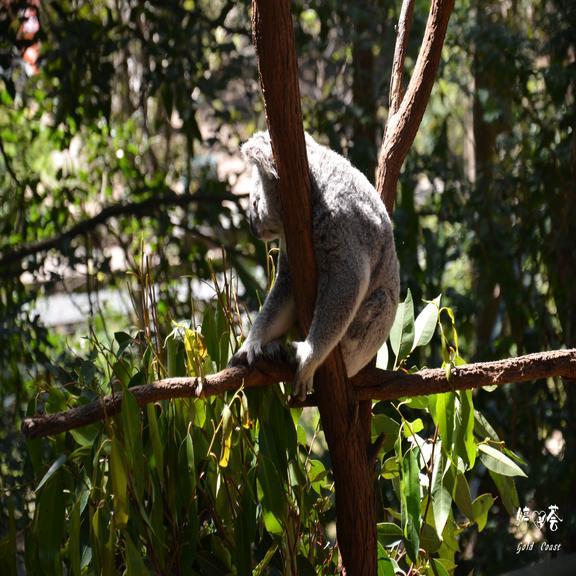
Taronga Western Plains Zoo Conservation Area, as a national cultural heritage, is the home of Australian animals and birds. This provides an excellent venue to watch local animal performances, where you can also feed kangaroos by hand and take pictures with animals such as koalas. Among them, feeding the adorable rainbow parrots is especially popular with tourists. After entering the scenic spot, tourists can obtain maps and performance schedules in the area to better plan their itinerary.
23
km
2
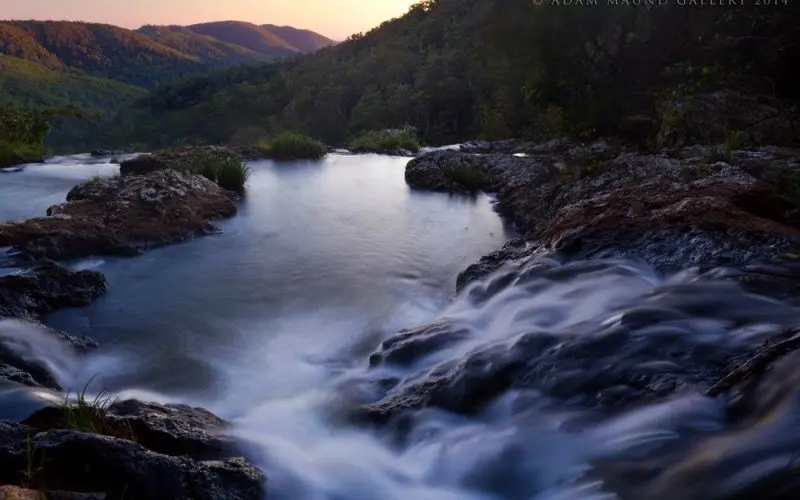
In December 1994, the United Nations World Heritage Association listed the "East Coast Rainforest Protection Area" as a World Heritage Site in Australia, including areas such as Springbrook National Park and New South Wales Rainforest.
The best time to visit Springbrook National Park is from May to October each year. It is full of various climbing plants, palm trees and eucalyptus trees, forming a lush forest world. Visitors can walk on trails, admire waterfalls and the scenery of the natural forest. The most famous area in Springbrook National Park is the Natural Bridge, where a natural cave formation shaped like a bridge was created by water erosion. Nighttime firefly watching is the main activity in the Natural Bridge area, where the fireflies emit a blue light and are different from the fireflies usually seen, only found in certain areas of Australia and New Zealand.
Day5: Cairns
1 attraction(s) ·
0 km
1
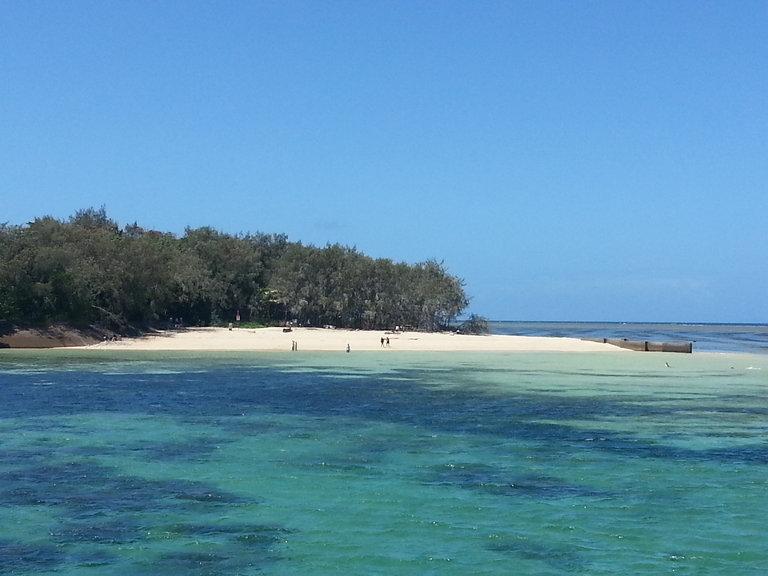
Green Island is a small coral island located 27 kilometers northeast of Cairns in the Great Barrier Reef area. The island is surrounded by fine white sandy beaches and is designated as a national park along with its coral reefs. The island has lush green forests and an observation station at the dock allows visitors to observe the beautiful corals and tropical fish beneath the sea surface.
Day6: Cairns
1 attraction(s) ·
0 km

Day7: Cairns
1 attraction(s) ·
0 km
1
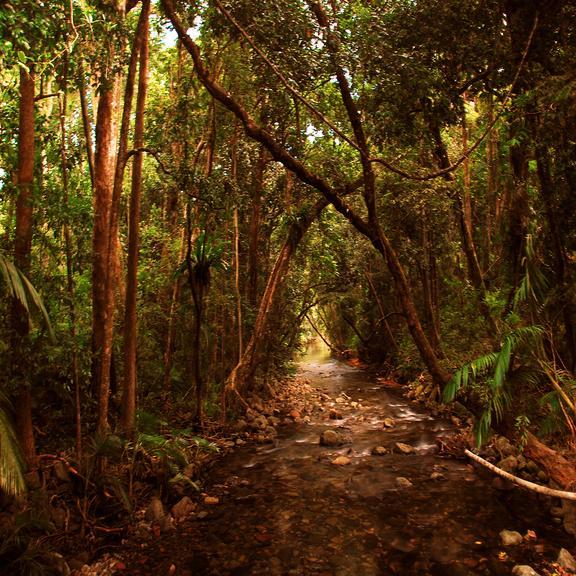
Daintree is located in the northeast of Australia, it is one of the oldest rainforests in the world, and one of the ecosystems with the most abundant plant and animal species. Spring is the best season to explore here, with warm and pleasant weather and no storms yet.
Under the dense canopy of Daintree, one-third of Australia's amphibians, marsupials and reptiles, as well as nearly two-thirds of bat and butterfly species are found. In addition, 13 of the more than 430 bird species exist only here. Waking up to their singing in the treetops in the morning or listening to them gliding above the river at dawn is undoubtedly a breathtaking experience. Starting from September, you can also see brown-backed honeyeaters and Australian kingfishers, and in November, the call of parrots often precedes the arrival of storms.
In addition to the rainforest, Daintree also has beaches and tropical waters, especially near the northern Cape tribulation, where the Great Barrier Reef and rainforest converge. This is also one of the few places in the world with two UNESCO World Heritage protected areas. In Daintree, nature has maintained its stability and change for millions of years. Every spring, the world is renewed, full of vitality and incredible scenery.
Day8: Melbourne
3 attraction(s) ·
2 km
1
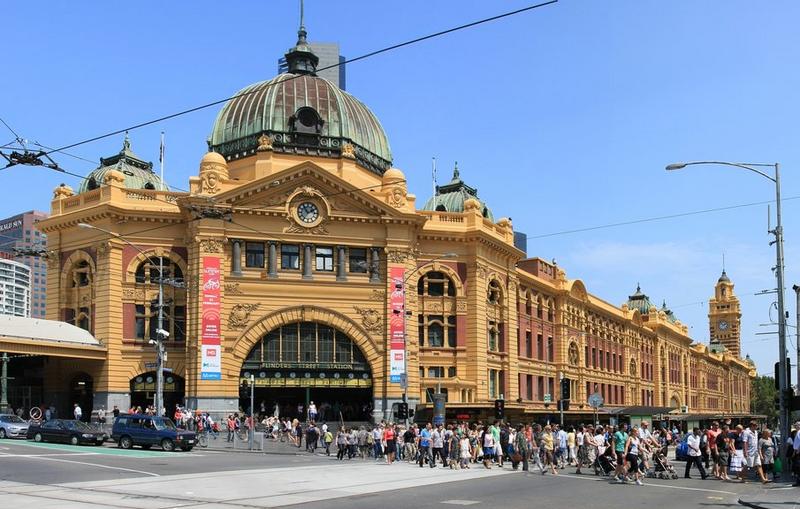
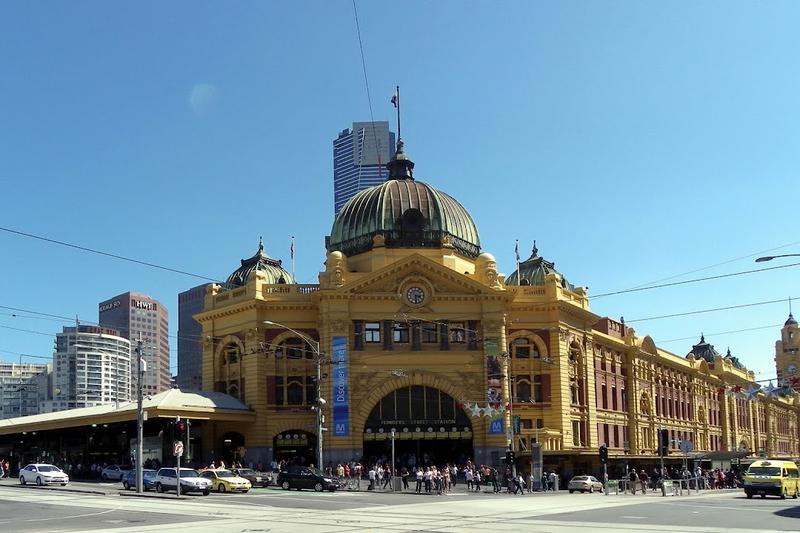
Flinders Street Station is one of Melbourne's largest and busiest train stations, as well as one of the buildings left behind from the Victorian era. As the first railway station in Melbourne, it serves as the central station for local railway lines. Its grand architectural style is very attractive and easily recognizable. Located in the city center, the station's unique location facing Federation Square and St. Paul's Church has become one of Melbourne's most important cultural centers. The entire station is built with yellow stone, and the bronze dome is one of its greatest features. When night falls, the station is illuminated by dim yellow lights and looks especially beautiful. As far as the eye can see, the magnificent buildings give people a peaceful and beautiful feeling. Melbourne residents often meet under the station's clock, which has become an important part of their lives. To experience the charm of Flinders Street Station, it is recommended to visit at night when you will surely be amazed by its unique classical beauty.
1
km
2
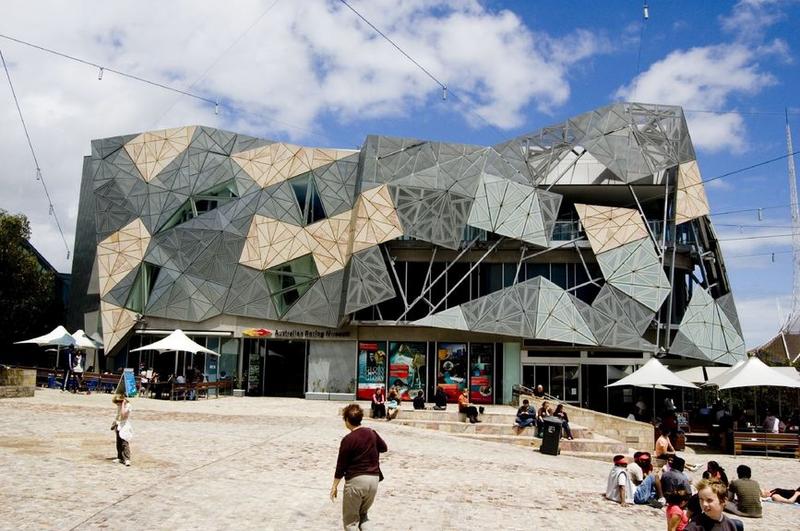
Fed Square is located in the center of Melbourne, Australia. It covers an area of 3.2 hectares and is adjacent to the Yarra River. The unique architectural style exudes the charm of Australian Aboriginal culture. The square is a holy place for people to gather, and the tourist center is a focus. Various celebratory events are held here every year, including New Year's countdowns and live sports broadcasts. The history of the square can be traced back to the 1960s. After a large-scale reconstruction, it was put into use in 2002 as a mixed-use multi-functional place with 16 cafes, bars and restaurants, various shops, and tourist service centers. There are many attractions around the square, such as the Ian Potter Center, the Australian Centre for the Moving Image, the National Gallery of Victoria Children's Play area, and the Australian Commercial Art galleries Association, etc. Tourists can spend unforgettable time here. The Melbourne Visitor Center provides thoughtful services for tourists to understand tourism information in Melbourne and Victoria. Fed Square is a vibrant and culturally rich place that is worth visiting.
2
km
3
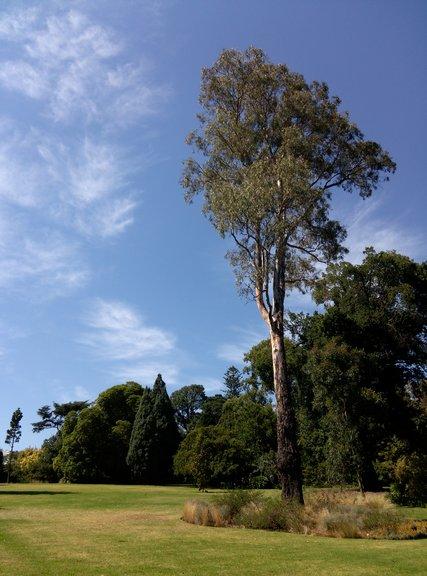
The Melbourne Botanic Garden is a beautiful garden located on the banks of the Yarra River, with over 12,000 species of plants from around the world. Walking along the dirt roads in the park, you can admire a small area of pristine rainforest and play frisbee on the large lawn. There is also a 4-kilometer running track in the park that passes by lakes where you can see beautiful eels and black swans. Undoubtedly, this is one of the most striking gardens in Melbourne.
Day9: Melbourne
2 attraction(s) ·
54 km
Day10: Melbourne
2 attraction(s) ·
20 km
2
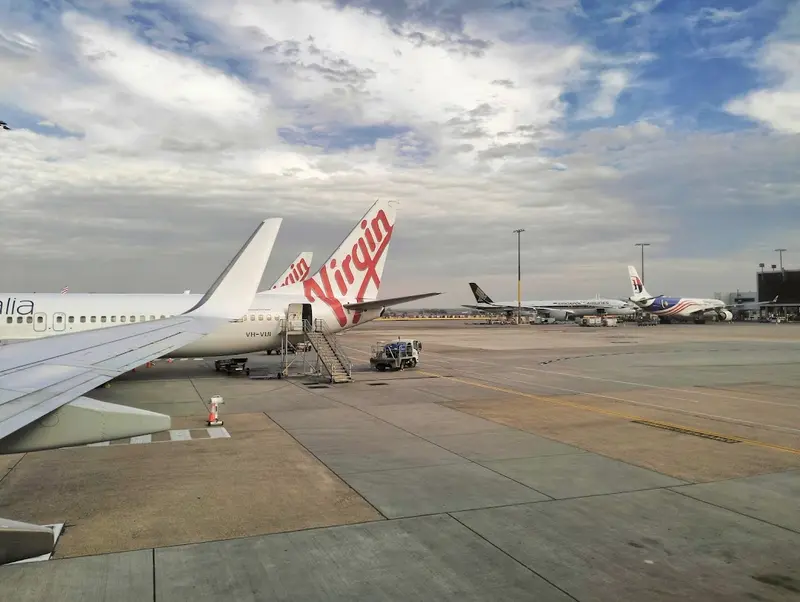
Large airport with an international and 4 domestic terminals that operate 24 hours a day.