New Zealand Winter 12-Day Tour
9 cities |
32 attraction(s) |
total distance 2020
km
 TIPS
TIPS
Day1
Day2
Day3
Day4
Day5
Day6
Day7
Day8
Day9
Day10
Day11
Day12
Day1: Auckland
3 attraction(s) ·
7 km
1
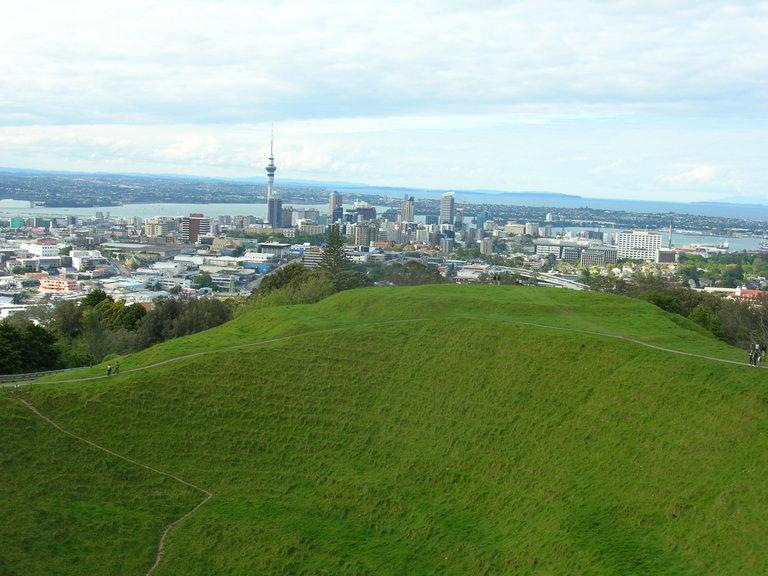
Mount Eden, located in Auckland, is one of the hills formed by volcanic ejecta around a volcanic vent, and it is also the highest point of natural beauty in Auckland, which is stunning. The bottom of the volcanic cone is now a lush green space, which looks like a big cone-shaped bowl from afar, and the unique landscape is unforgettable. Climbing to the top of the mountain, you can enjoy a perfect panoramic view of Auckland, including the beautiful Sky Tower, the spectacular One Tree Hill, and the mysterious Rangitoto Island volcano. In addition to being able to enjoy these wonderful views for free, it is also very suitable for taking photos, capturing panoramic views of the surrounding area, especially when shooting the Sky Tower, it is incomparable.
4
km
2
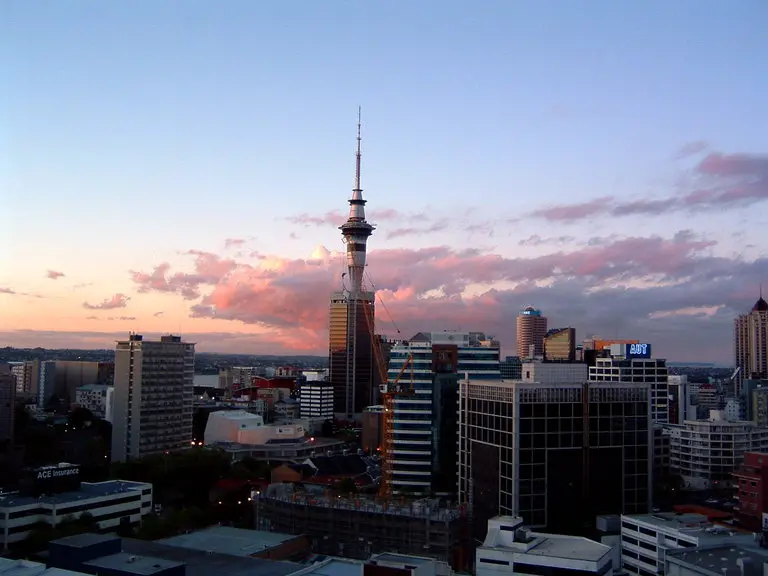
Sky Tower, the tallest building in the southern hemisphere, was built in 1996. It stands at 328 meters tall and boasts multiple observation decks which offer a 360-degree view of Auckland. High-powered binoculars aid visitors in enjoying the view. Broadcast services in various languages and interactive technology can be found throughout the tower. There are also audio-visual exhibits to help visitors learn more about Auckland. Visitors with tickets can access the main observation deck at 186 meters and the Sky Deck at 220 meters. If you are not afraid of heights, you can opt for the glass elevator ride, which allows you to admire outside views as you ascend. There are two observation decks on the tower, both surrounded by glass floors. You can stand on them and look up at the blue sky or feel the thrill of the high altitude beneath your feet. The SkyWalk and SkyJump are two extreme sports offered on the tower that require courage and daring to attempt. Several restaurants can be found on the tower, allowing visitors to enjoy delicious food. At night, the view from the tower is breathtaking, with many considering it even more spectacular than during the day. Visit the Sky Tower and enjoy an unparalleled experience, while taking in the beautiful sights of Auckland.
3
km
Day2: Waitomo District > Rotorua
3 attraction(s) ·
114 km
1
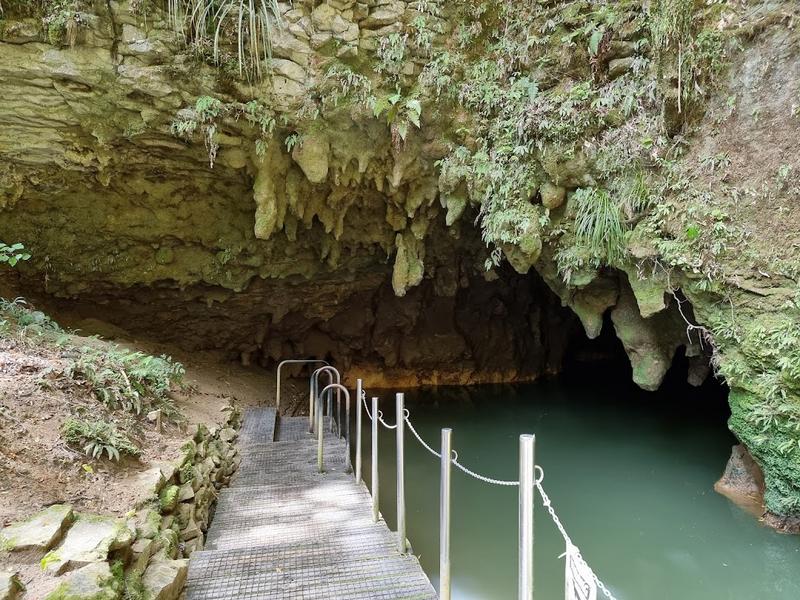
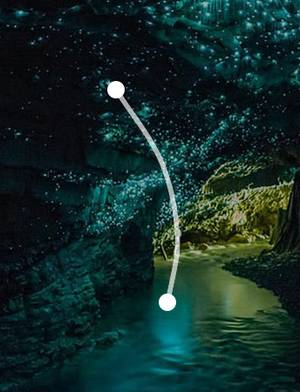
Cave with a modern visitor centre & home to a population of glow worms found only in New Zealand.
104
km
2
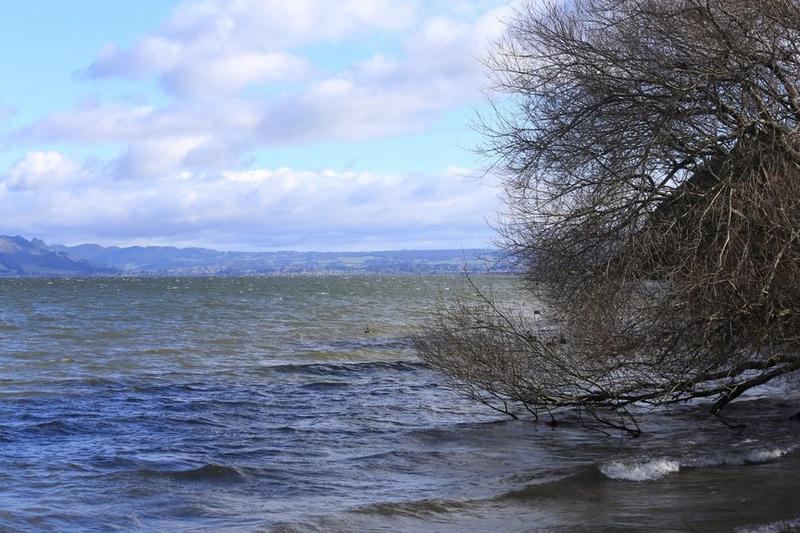
Lake Rotorua is one of the largest lakes in central northern New Zealand's North Island and is one of the leading lakes within approximately 20 lakes. It covers an area of 80 square kilometers (31 square miles) and is a fascinating scenic spot. Located on the edges of the city, Lake Rotorua is a visual feast where you can choose to cruise around the small islands in the lake. For the best views, it's recommended to visit Grand Vue Rd, Kawaha Point, or Rotorua 3010, which are excellent locations for viewing the magnificent scenery of Lake Rotorua.
10
km
3
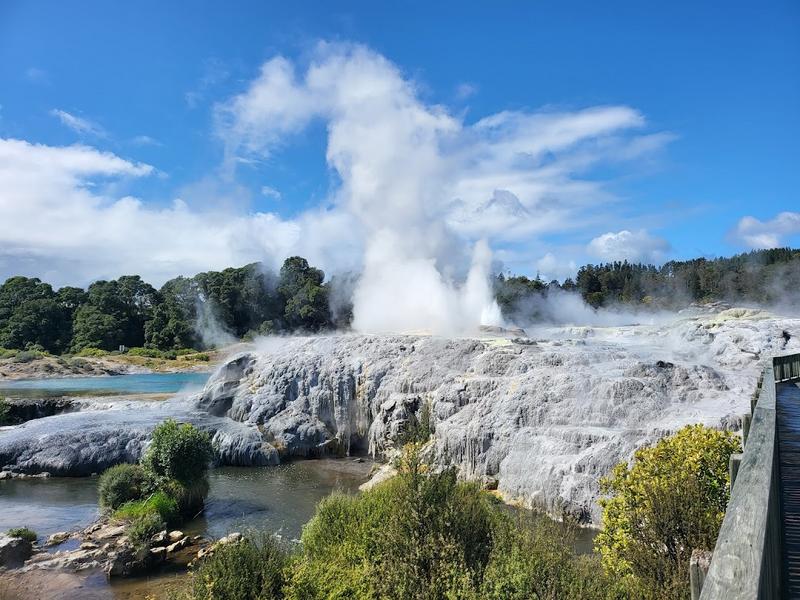
Maori cultural center at a geothermal preserve with a dramatic geyser & crafts institute.
Day3: Rotorua
3 attraction(s) ·
13 km

2
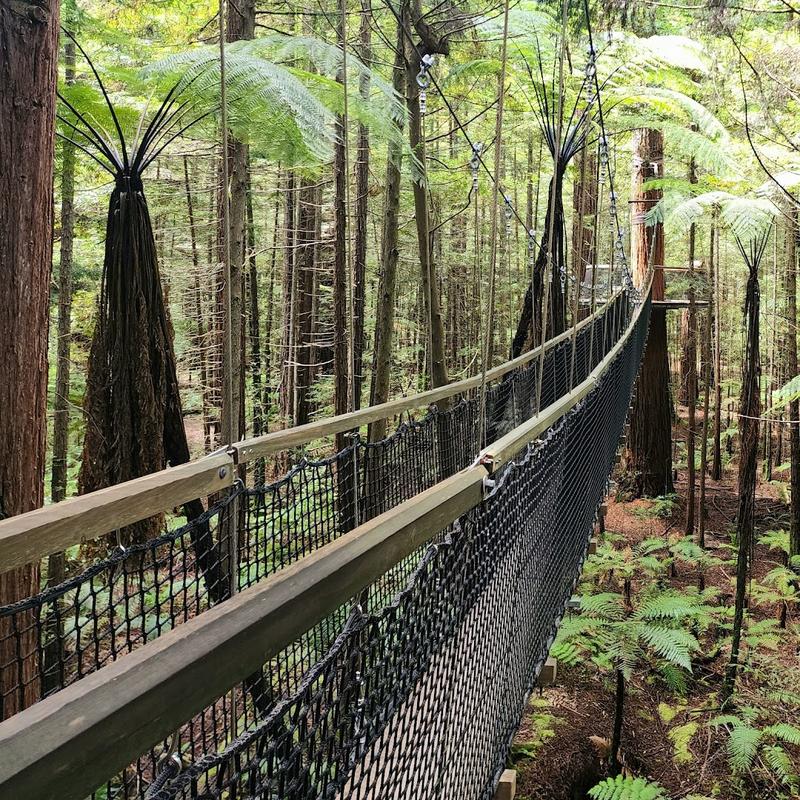
Scenic redwood forest with trails for walking, biking & horse-riding, with toilet facilities.
3
km
3
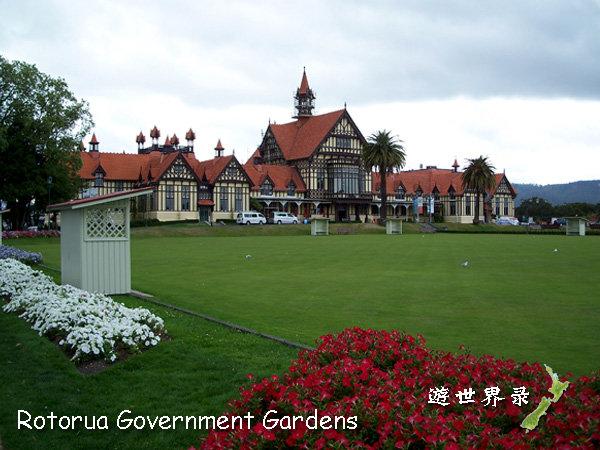
The Government Gardens, located by the lake in the center of Rotorua, were originally named Paepaekumana and hold historical significance for the local Maori people. In the late 19th century, this 50-acre land was gifted by the Maori to the government with the hope of benefiting people worldwide. The geothermal area of the park has several therapeutic hot pools and, after refurbishment, the park became a traditional garden with botanical landscapes, while still retaining some large plants and historic buildings.
In 1908, the New Zealand government built a large boutique bathhouse in the Government Gardens, designed in the Elizabethan Tudor style, now known as the Rotorua Museum. Additionally, the Blue Baths, established in the early 1930s, offers not only therapeutic services but also serves as a social venue where men and women can bathe together, making it one of the earliest co-ed bathhouses in the world.
Today, the Polynesian Spa in the Government Gardens is also a popular attraction. The whole park area offers visitors a convenient location for leisurely activities, enjoying beautiful gardens, exploring historic architecture, and relaxing in the hot springs.
Day4: Taupo
2 attraction(s) ·
20 km
1
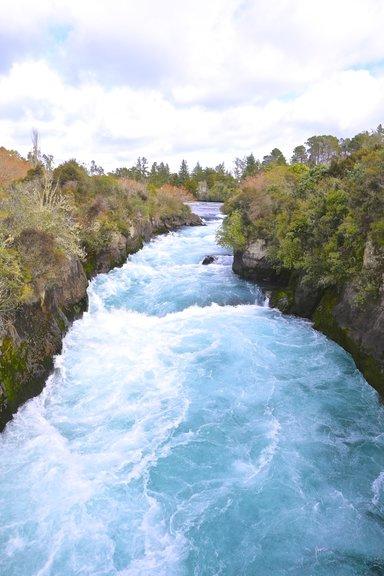
The Huka Falls are located in the Waikato region of New Zealand. With abundant water and spectacular scenery, it is one of the most popular natural landscapes in the area. The Waikato River mouth of the waterfall is 12 meters high and the water flow is 230 tons per second. Due to the effects of narrow passages and faults, the Waikato River appears light blue in color, like a beautiful gem. When the water flows impact the waterfall, the powerful force creates a foamy waterfall, which is very impressive. Therefore, locals call this beautiful waterfall "Huka", which means foam.
20
km
2
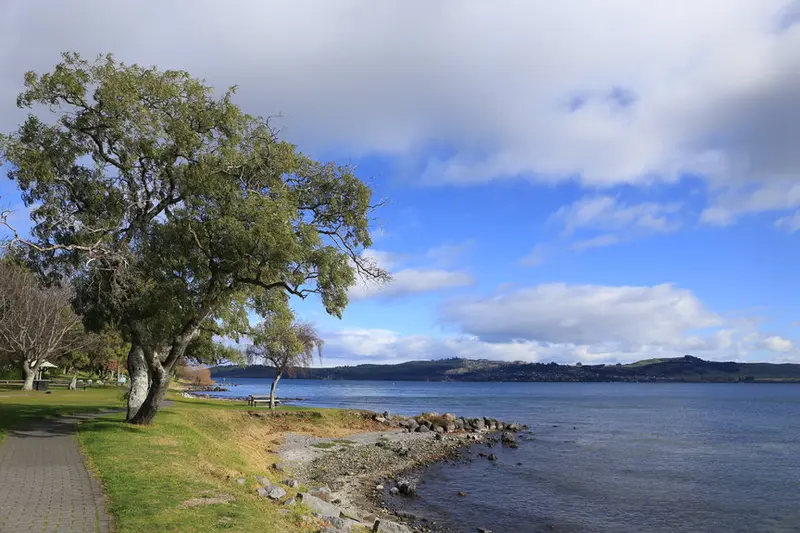
Taupo Lake is located in the central region of the North Island volcanic area, known for fishing and vacationing, and is the largest freshwater lake in New Zealand. It is situated behind the Tangariro Mountains, and the famous Huka Falls is also located here. Despite its peacefulness and clearness in the summer, it is actually a volcanic lake that had violent ancient volcanic eruptions. Today, Taupo Lake is one of the few remaining wild trout spawning sites in the world and the largest trout fishing center globally. You can hire a guide to fish for rainbow or brown trout or learn the skills of fly fishing. The trout you catch can be cooked for you at many local restaurants or hotels. Huka Falls is one of the most popular sightseeing spots in New Zealand and a great place to take photos. The sound of thunder, the magnificent spectacle of up to 220,000 liters of water per second cascading down from the cliff top. You can also take a jet boat ride to get here. In addition, the area has many other interesting sights, including the famous moon crater (Craters of the Moon), where you can see oddities such as geysers, mud pools, and hot steam vents. Moreover, various water activities are available here, such as jet boating, parasailing, fishing, swimming, kayaking, canoeing, yachting, and seaplane sightseeing.
Day5: Wellington
3 attraction(s) ·
4 km
1
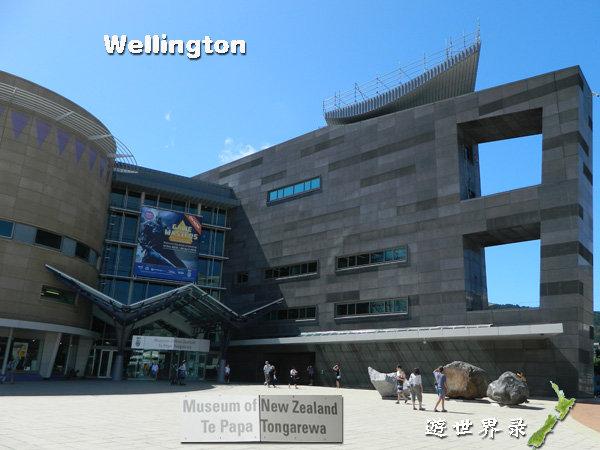
"Te Papa" is the nickname for the National Museum of New Zealand, located in the center of Wellington with a convenient location near the coast. The museum has been selected as one of the most popular museums in the southern hemisphere and represents the history and culture of New Zealand. The museum displays a rich collection of artifacts using high-tech and interactive exhibition methods for visitors. This museum is the best window to understand the history, geography and culture of New Zealand, and is well-liked by tourists from all over the world.
2
km
2
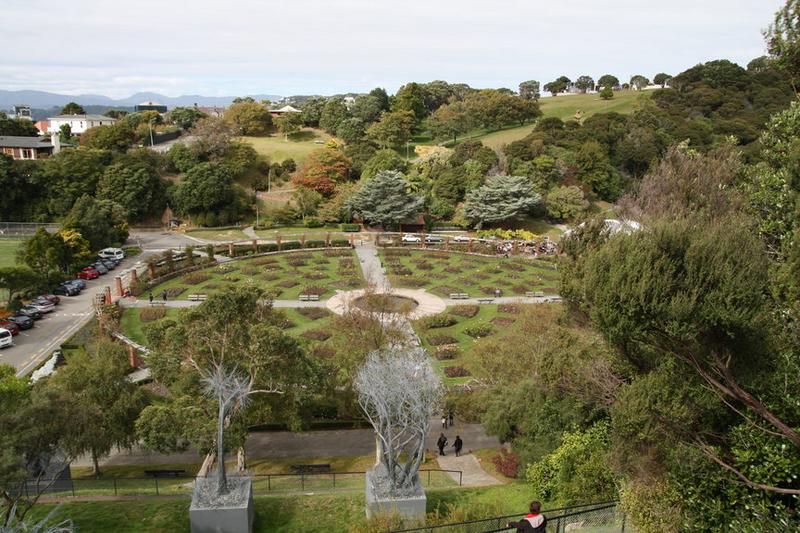
Wellington Botanic Garden, built in 1844, is a beautiful and tranquil place with local and exotic tree species. One of the oldest exotic trees in New Zealand can be found here, which is truly astounding. There are elegant ponds and flocks of ducks in the park, adding charm to the garden. In addition, there are the Begonia House, cafes, colorful flower and herb gardens, as well as gardens with Australian style and the award-winning Lady Norwood Rose Garden.
2
km

Day6: Christchurch
3 attraction(s) ·
1 km
1
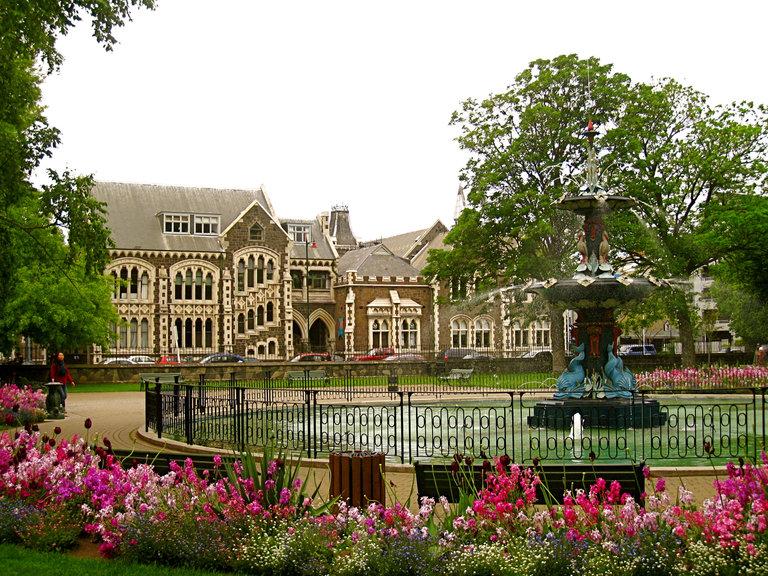
Christchurch has a 300,000 square meter green land located by the Avon River, which is the most pleasant place in the city. Over ten thousand species of plants display a colorful array of colors in different seasons, bringing endless surprises to visitors. Whether it's the elderly, children, couples, or friends, taking a stroll in the botanical garden or enjoying a cup of coffee in the cafe is very pleasant. The visitor information center is located between the botanical garden and the Canterbury Museum and provides timely answers to any visitor questions. Come here and experience the atmosphere of the garden city!
1
km
2
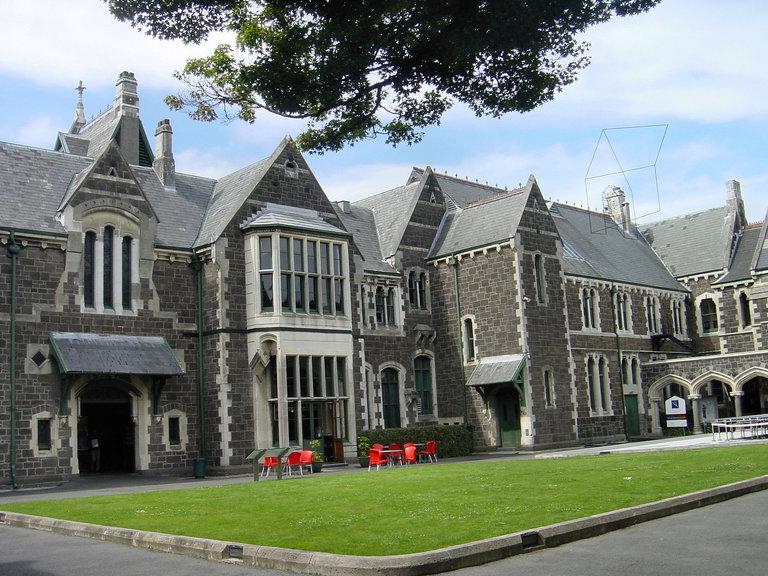
The Art Center located in Christchurch is an ancient building full of Gothic style, and it is also an iconic art palace in the city. Here visitors can enter the artist's workshop, witness their creative process with their own eyes, and have the opportunity to purchase their favorite artworks. Once the location of Canterbury University, although the university has moved elsewhere, the strong artistic atmosphere of this historic building has been preserved.
1
km
3
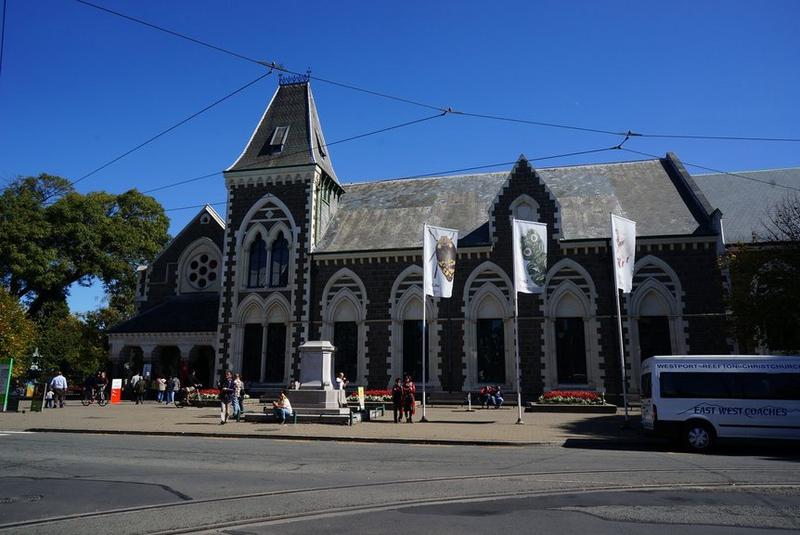
The Canterbury Museum is located in the center of Christchurch, with a grand and distinct European architectural style. The museum has a diverse range of exhibitions, including New Zealand history, nature, Maori culture, art, etc. The Antarctic-related theme is particularly fascinating, showcasing vivid sculptures of emperor penguins and Coracle, a small boat used for survival during the shipwreck of 1907 on Disappointment Island. In addition, the museum has abundant specimens of birds from the South Pacific, showcasing the rich ecological diversity of our planet. Before July 2015, the special exhibition "Quake City" was open to the public, displaying the reconstruction and impact of Christchurch after multiple earthquakes since September 2010, providing a deeper understanding of the city’s history and development. The museum’s ticket prices are also very affordable, with only 10 New Zealand dollars for adults to enjoy the exhibitions. A visit to the museum will provide a deeper understanding of the history and culture of Christchurch.
Day7: Queenstown
3 attraction(s) ·
3 km
1
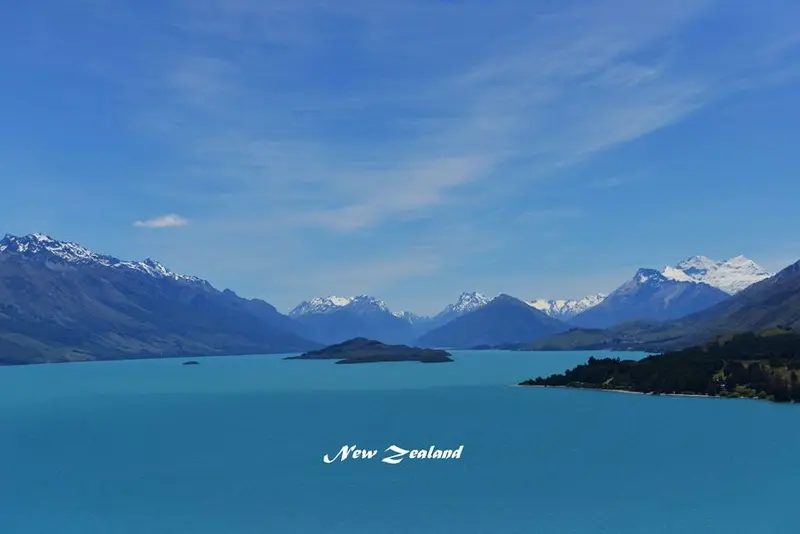
Nestled in a glaciated valley, New Zealand's third largest lake is shaped like a lightning bolt and boasts stunning scenery. The northern end is where the Dart River merges into it, while the Kawarau River flows into the lake mouth after originating from Queenstown. It is surrounded by high mountains, with the highest peak being Mount Earnslaw at 2,819 meters above sea level. The towns around the lake include Queenstown, Kingston, Glenorchy, and Kinloch, the center of New Zealand's outdoor activities. Bungee jumping, a worldwide sensation, originated here. One of the activities by the lake is a cruise on the historic TSS Earnslaw steamship to see the lake views. In the early 20th century, the Earnslaw mainly provided transportation for goods to the ranches on the lake shore. Today, it is still well-preserved and takes tourists to the Walter Peak sheep farm for a stunning view. All of these towns quietly nestled along the lake are worth a visit.
2
km
2

Lush, lakefront peninsula with a waterfront trail & alpine vistas, plus an ice rink & skate ramps.
2
km
3
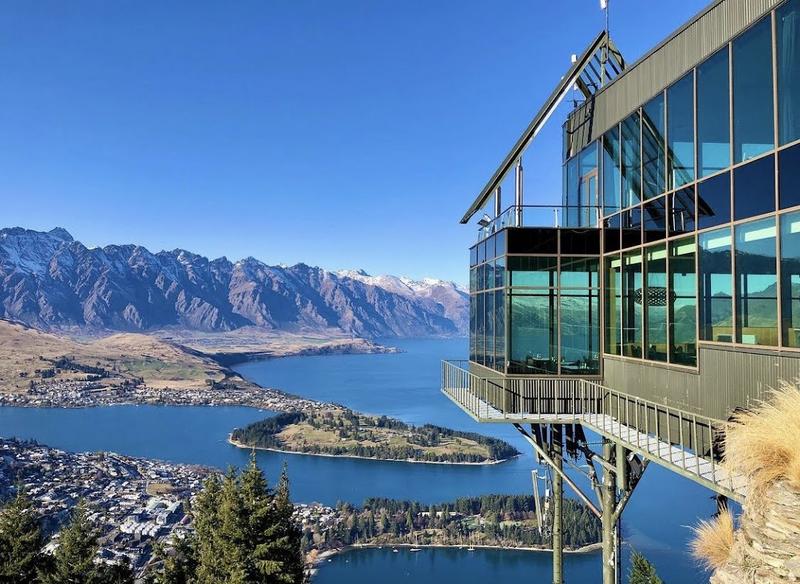
Attraction featuring a gondola to a panoramic restaurant/bar, hiking trails & a luge ride down.
Day8: Queenstown
2 attraction(s) ·
70 km
1
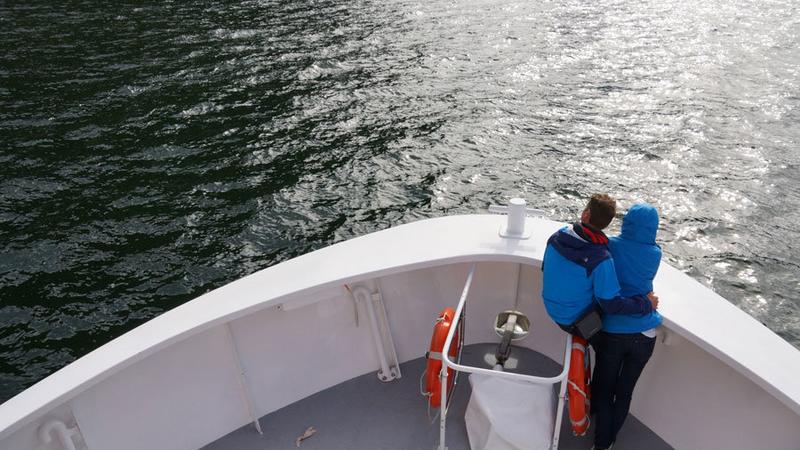
Milford Sound is world-renowned for its towering mountains and wildlife, and draws more visitors than its rival, Doubtful Sound. One of the most well-known peaks in the area is Mitre Peak, which stands at 1682m tall and is named for its resemblance to a bishop's mitre. Bowen Falls is the only permanent waterfall in the area, standing at 161m tall, while the other permanent waterfall, Sterling Falls, is 155m tall. Visitors to Milford Sound can also see seals resting on the shore and may be fortunate enough to spot penguins, dolphins, and whales. Due to the area's high annual rainfall, visitors can often enjoy misty and magical views of countless waterfalls. There are two options for one-day tours of Milford Sound: a bus and cruise tour or a plane and cruise tour. The bus and cruise tour typically departs around 7am, boards the cruise ship between 12pm and 1pm, completes the tour of the sound within two hours, and returns to Queenstown in the afternoon. The plane and cruise tour takes 4 to 4.5 hours, and the two best cruise companies, Real Journeys and Southern Discoveries, provide Chinese-language commentary and offer both one-day tours of Milford Sound and plane-and-cruise tours. Most tour companies offer free hotel transfers, but this should be confirmed at the time of booking.
70
km

Day9: Queenstown
3 attraction(s) ·
19 km
1
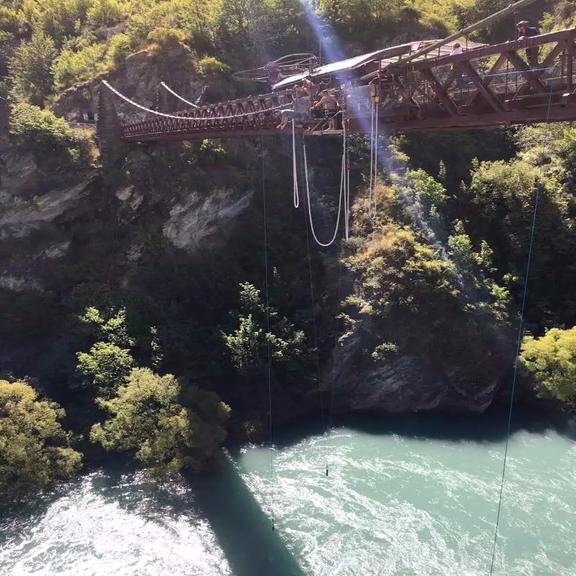
Kawarau Bridge Bungee Center is a famous outdoor adventure destination located in Queenstown, known as the birthplace of bungee jumping. The center provides free bungee jumping history short film for all visitors to understand the origin and development of bungee jumping. The famous Kawarau River flows slowly under the bridge, you can choose to challenge bungee jumping with water or without water, and the staff will adjust the bungee rope according to your needs. Welcome to come!
19
km
Day10: Dunedin
3 attraction(s) ·
6 km
1
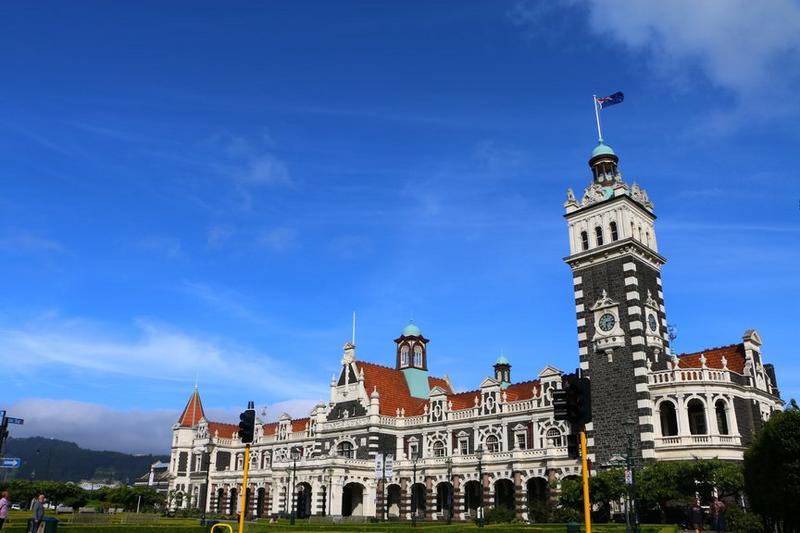
This British railway station is steeped in history, with exhibitions inside and tourists able to take trains to the nearby coastal peninsula.
4
km
2
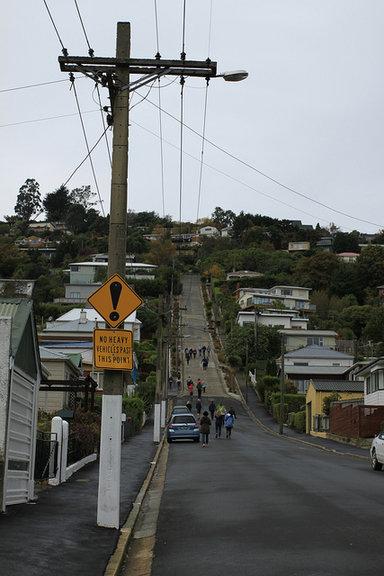
Every visitor to Dunedin will head to this residential street with a slope of about 19 degrees. For drivers with strong skills and responsive brakes, they can speed down the slope at the top like on a rollercoaster. However, most visitors choose to hike up and take interesting photos on the way. In February, the Gutbuster race is held here and in July, the Cadbury World chocolate factory rolls down 10,000 chocolate candies from the top of the slope for visitors to enjoy for free - both fun and delicious.
3
km
3
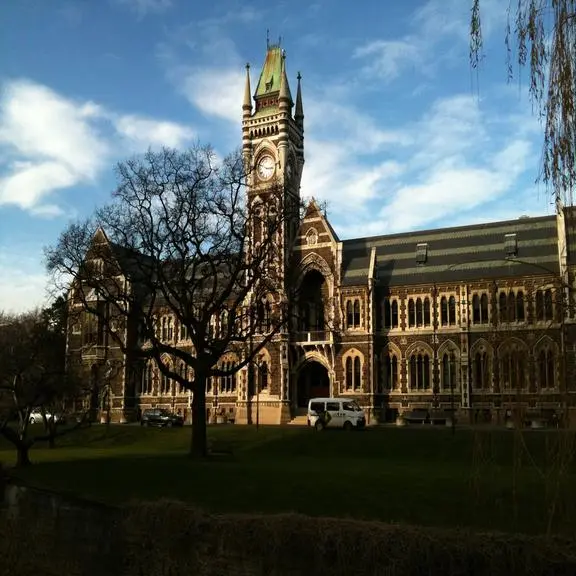
This university, founded in 1869, is one of the oldest in New Zealand. The clock tower at the Registrar's office is an iconic building in Dunedin, with its architecture modeled after the main building at the University of Glasgow. The use of dark basalt and light Oamaru stone creates a strong color contrast. The university is open to visitors and guided tours are available to showcase its beautiful campus and rich history.
Day11: Oamaru
3 attraction(s) ·
31 km
1
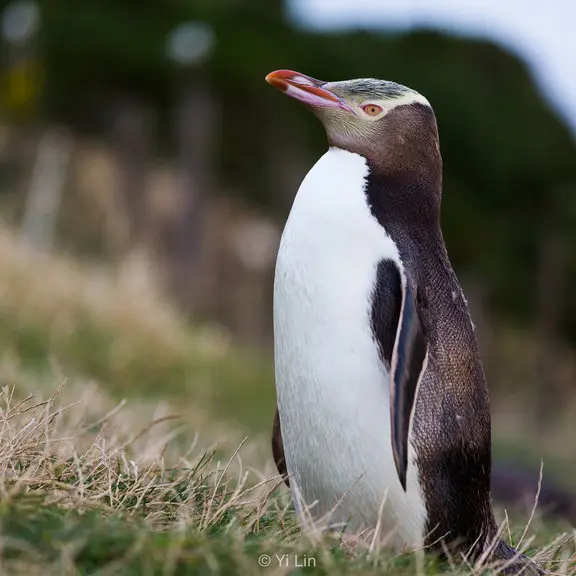
Moeraki boulders is a famous attraction located between Oamaru and Dunedin in the South Island of New Zealand. It is situated 38 kilometers away from Oamaru and takes about half an hour by car. Scientists explain that these giant stones were formed 650,000 years ago from concretions of mudstone. Calcium and carbonate slowly crystallized around charged particles, resulting in these large boulders. The process of formation is similar to that of pearls, which takes about 4 million years. These boulders are embedded in mudstone that rose from the seabed about 15 million years ago. The mudstone is constantly eroded by waves, wind and rain, gradually excavating each boulder. These variously shaped boulders, resembling turtle shells or cracked eggs, can be arranged into interesting shapes, making them a great subject for photography.
30
km
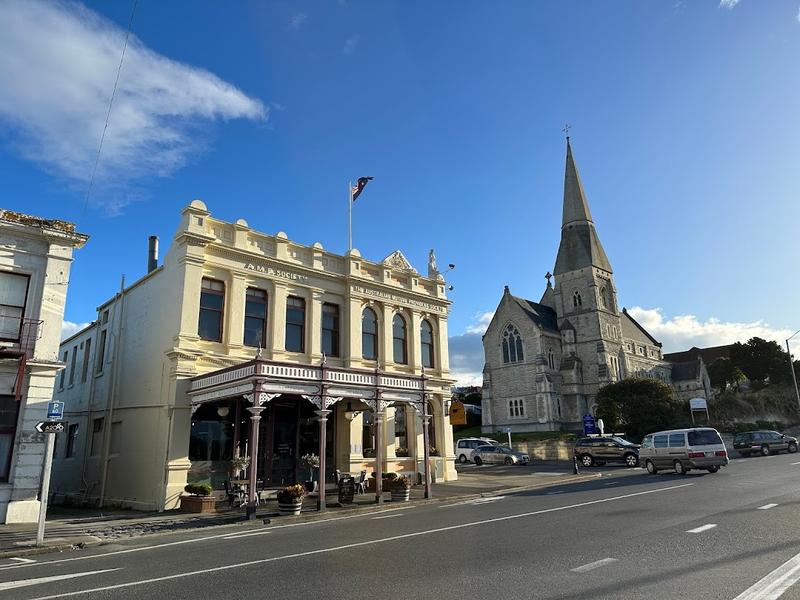
3
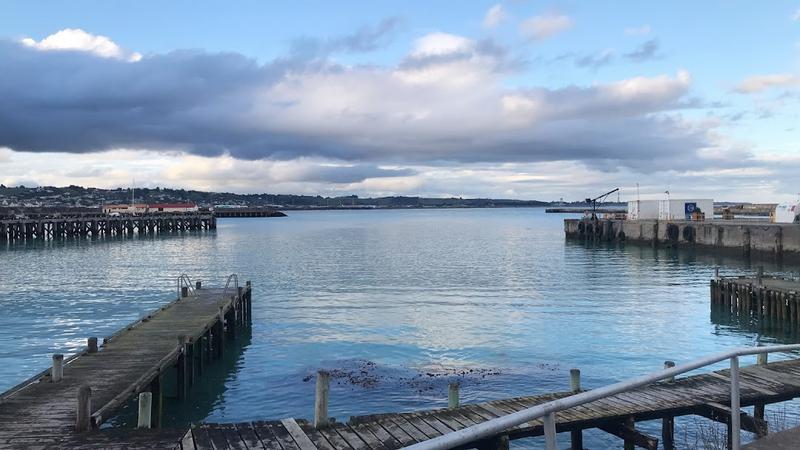
Attraction with a grandstand where visitors can observe blue penguins in the wild.
Day12: Oamaru > Christchurch
2 attraction(s) ·
219 km