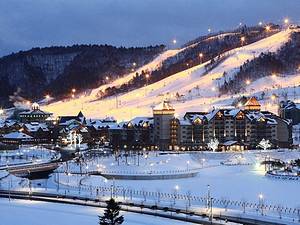
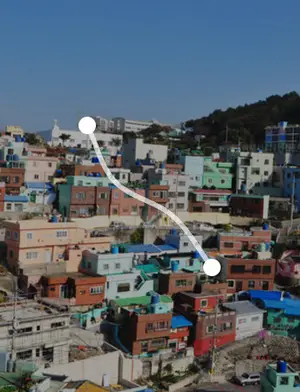
Seoul 7-Day Shopping & Gourmet Panda Tour
4 cities |
21 attraction(s) |
total distance 228
km
 TIPS
TIPS
Day1
Day2
Day3
Day4
Day5
Day6
Day7
Day1: Seoul
4 attraction(s) ·
3 km
1
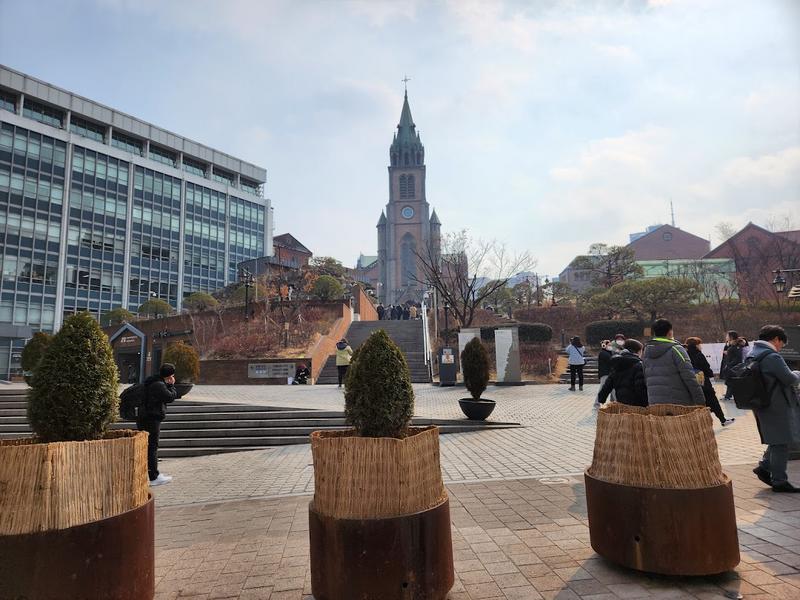
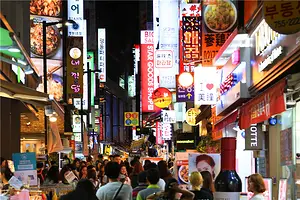
Many high-end international stores & restaurants draw crowds to this bustling retail district.
1
km
2
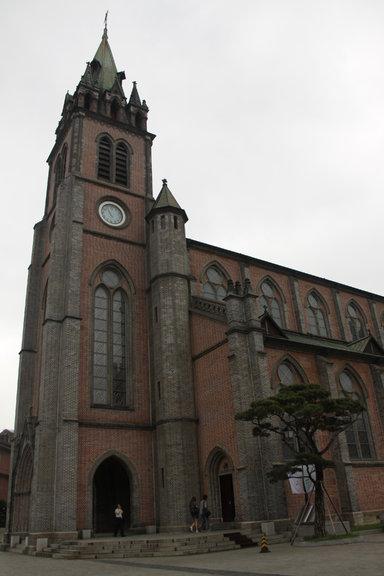
The Myeongdong Cathedral is a Gothic-style cathedral located in the central area of Seoul, South Korea. It is the main cathedral of the Seoul Archdiocese of the Catholic Church. The cathedral was first built in 1898 and consecrated to the Immaculate Conception of the Blessed Virgin Mary. In 1945, it was renamed Myeongdong Cathedral to celebrate Korea's independence. Due to the church's significant role in Korean society, the cathedral has been involved in various political events. The Virgin Mary's Garden behind the church sometimes holds organ performances at noon, and a midnight Mass is held here every December 24th.
2
km
3
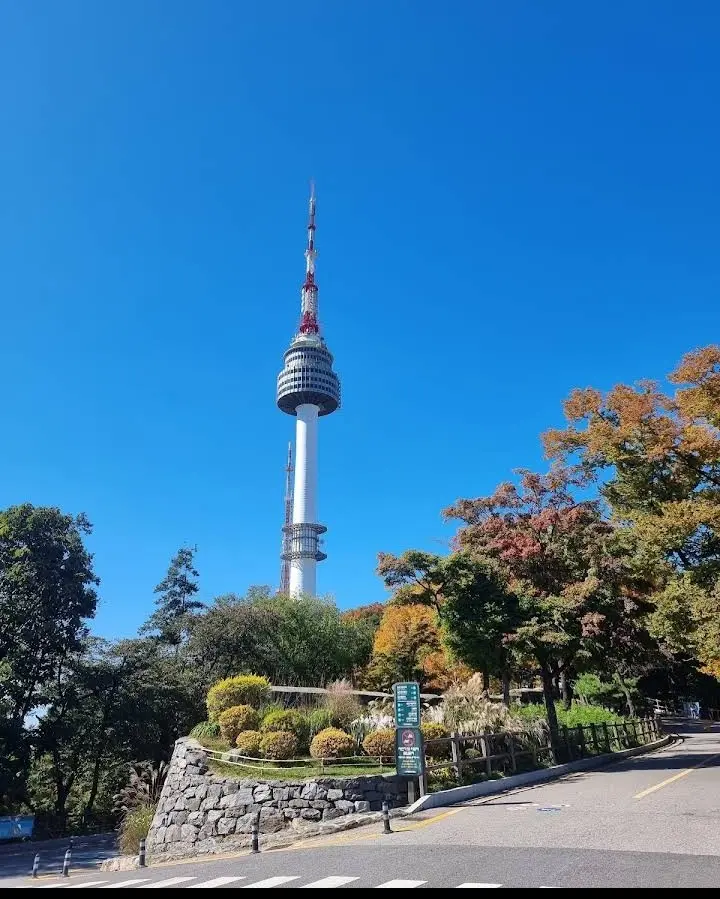
Opened in 1980, this iconic tower offers panoramic views of the city & a revolving restaurant.
1
km
4
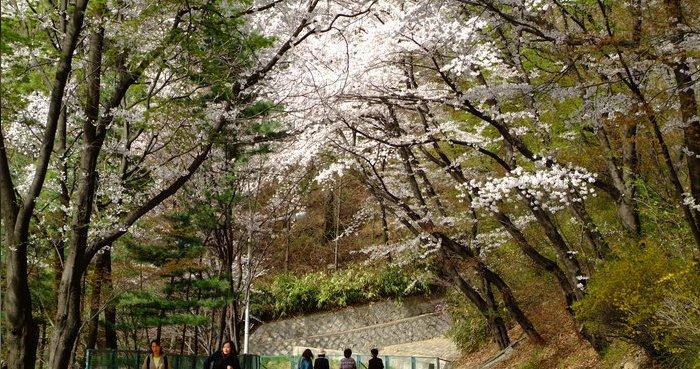
Namsan has an elevation of only 265 meters and is located in the center of Seoul. Despite its low height, it has always been a popular leisure spot for Seoul citizens. From the mountain top, one can enjoy the beautiful scenery of the surrounding area, including various attractions such as an octagonal pavilion, N Seoul Tower, an ocean aquarium, and a fountain. On the halfway up the mountain, there are facilities such as Namsan Library. It is convenient to visit, as one can either take a cable car or walk up the stairs. Namsan, N Seoul Tower, Huigyeongdong, Taegeukdang Road, Jeongdong-gil Street, Jeonunsa Temple, Itaewon, and Hyanwonjeong Pavilion are all accessible by walking up the mountain. In addition, driving around is also a popular way to explore. Namsan Park has always been a place of great historical significance. On top of the mountain, one can still see the well-preserved beacon tower, which represents the original state of Namsan and was the center of the capital's defense. From the 479.7-meter-high N Seoul Tower, one can not only enjoy the beautiful view of Seoul, but also overlook the sea in front of Incheon. The revolving restaurant is particularly special, as one can taste delicious food while enjoying Seoul's night view. In addition, Namsangol Hanok Village, consisting of five traditional Korean houses, is also one of the popular attractions for tourists.
Day2: Seoul
3 attraction(s) ·
12 km
1
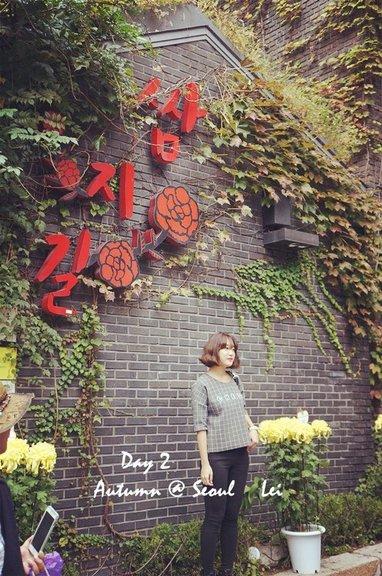
Insa-dong, like Shanghai's Tianzifang, is just a step away from Gyeongbokgung Palace. Although its area is not large, with only one main street and a few perpendicular alleys, it was once the residential area of the Joseon Dynasty's noble class. Today, Insa-dong is home to numerous art galleries, museums, and specialty shops. Walking on the stone-paved Insa-dong Street, history is solidified with every brick and tile underfoot, and you can experience the coexistence of classical and avant-garde Korean culture. Here, you can find a Starbucks with a Korean signboard, the most distinctive Korean souvenir store in Seoul, and traditional Korean tea shops, which are treasures of this place. It is definitely an unforgettable experience to have a cup of traditional Korean tea, taste various traditional snacks, and sit in a traditional tea house to feel the lovely atmosphere here. Moreover, you can find some Korean souvenirs that are not available elsewhere! Even locals may not be familiar with the objects in Insa-dong, but the movie "The Scandalous Lady W" by Jang Lee-yeong has added a touch of mystery and interest to this place, which is definitely worth a visit.
6
km
2
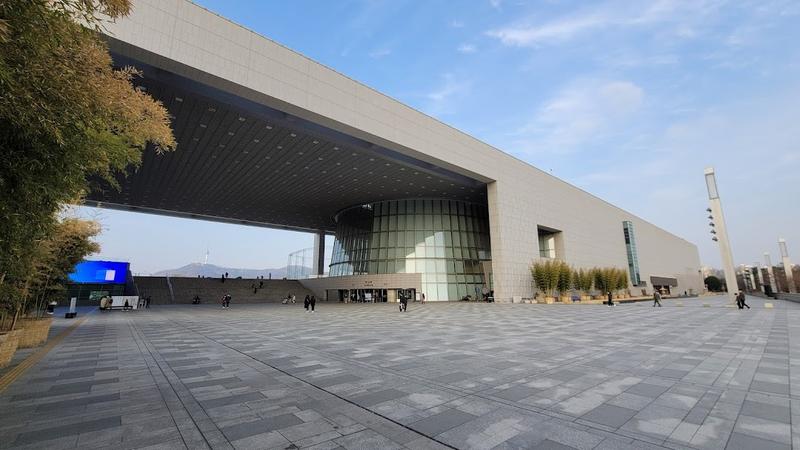
Major building opened in 2005 to house the country's cultural & military artifacts & artworks.
7
km
3
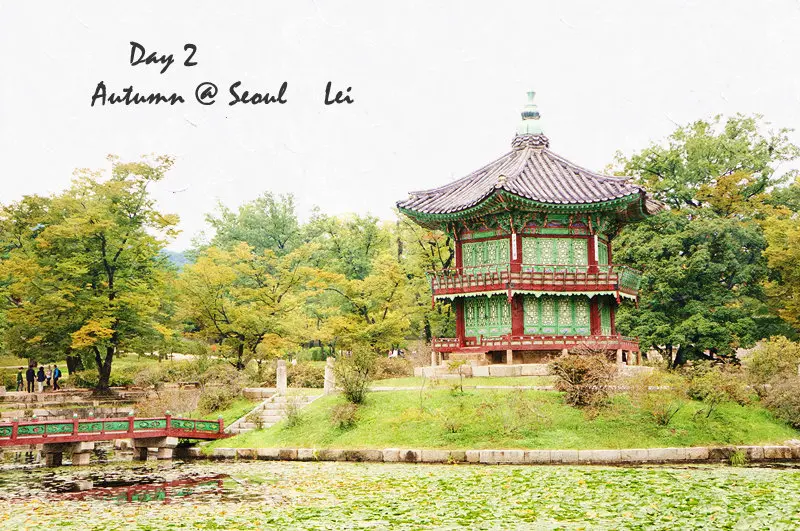
Gyeongbokgung Palace is the first palace built in the early days of the Joseon Dynasty, with a history of 600 years. It was once a grand palace and now showcases delicate beauty. Gyeongbokgung Palace is the largest of the Five Grand Palaces and features unique architecture such as Geunjeongjeon Hall and Gyeonghoeru Pavilion. In addition, there are the National Palace Museum and the National Folk Museum where visitors can explore and experience. Gyeongbokgung Palace is open to the public and there is a ticket office at the entrance of Gwanghwamun. Visitors can also watch the Changing of the Guard ceremony and take photos with the guards, immersing themselves in Korean classical culture.
The name Gyeongbokgung means "great blessings and prospering the nation," reflecting the early aspirations of the Joseon Dynasty. It was completed in 1395 and at its peak had over 390 buildings. During the Japanese invasion in the late 16th century, Gyeongbokgung Palace was burned down and remained abandoned for 273 years. It was restored during the reign of King Gojong but suffered significant damage during the Japanese colonial period, with some buildings demolished and replaced by the Government-General Building. After Korea's independence, Gyeongbokgung Palace gradually underwent restoration, with the completion of the restoration project of Gwanghwamun Gate in 2010. There are also guided tours available in Chinese, departing from the inside of the Geunjeongmun Gate at four designated times.
Day3: Seoul
3 attraction(s) ·
1 km
1
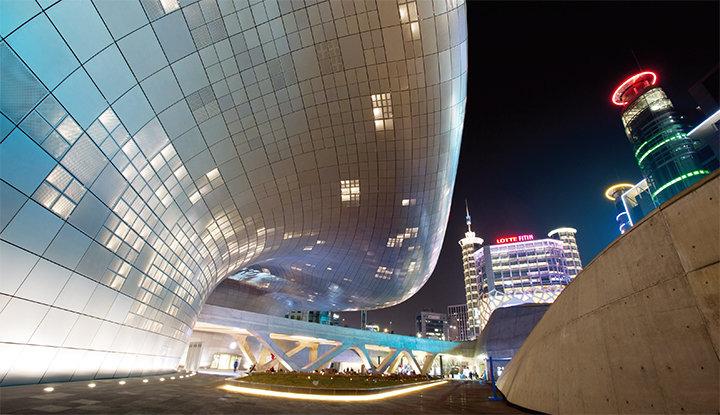
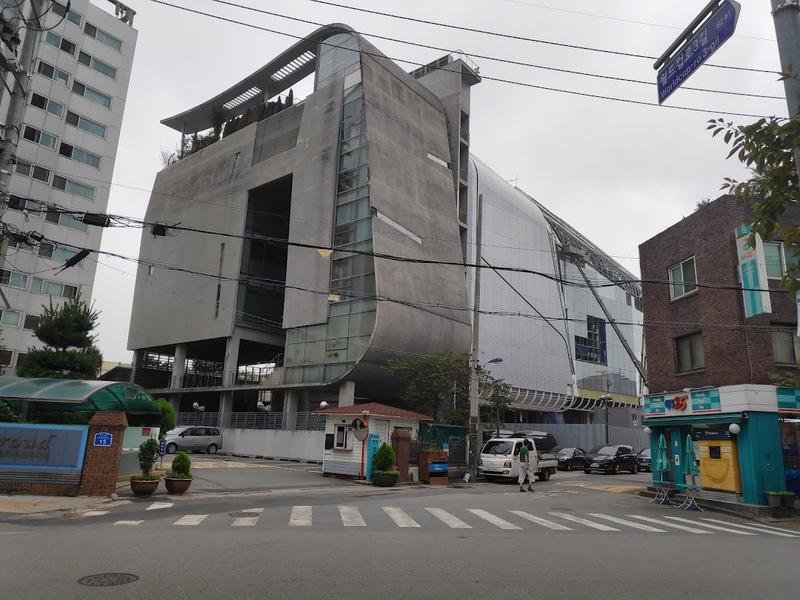
DDP is a design plaza that combines traditional historical architecture with cutting-edge modern technology. It covers an area of 62,692 square meters, with a building area of 25,104 square meters and a total area of 86,574 square meters, consisting of 3 underground floors and 4 above-ground floors. In addition to Seoul City Wall and Two-Block Gate (265m² 8,030 square meters), the park also includes buildings such as Dongdaemun History Museum, Dongdaemun Relics Exhibition Ground, Dongdaemun Sports Memorial Hall, event halls, and design galleries. DDP offers various exhibitions and activities such as Seoul Architecture Culture Festival, BANWOOJUNG Show, Hera Seoul Fashion Week, Farmers' Market, etc. Visitors can participate in on-site or group tours, or freely explore using the free audio guide, or participate in children's programs such as design playground and regular workshops. The main facilities of DDP include Art Center, Cultural Center, Design Center, Dongdaemun History Culture Park, and Harmony Square. The Design Market is a multi-purpose market that offers cultural products, experiential activities, and shop-in-shop services, aiming to enhance the vitality of the surrounding commercial area.
1
km
3
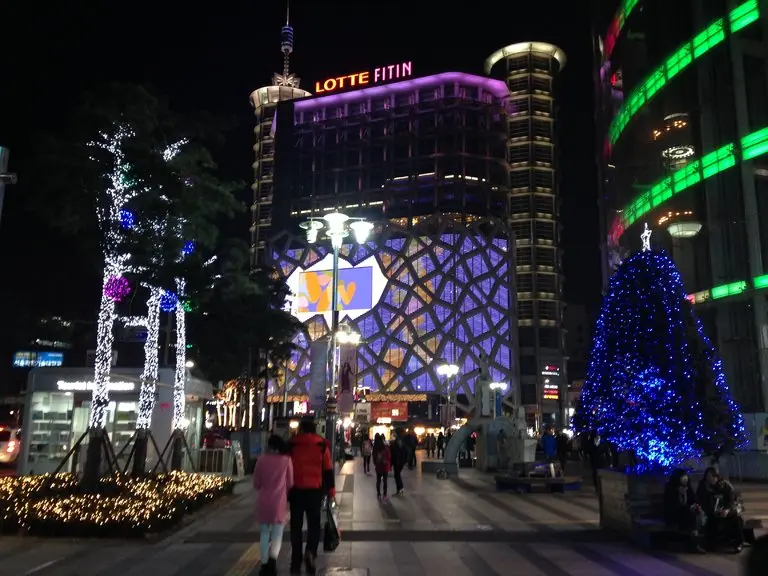
Built in 1396, Sungnyemun is a gate constructed by King Taejo of Joseon to protect the capital. Despite multiple rebuilds, its original form has been preserved and designated as National Treasure No. 1. Sungnyemun is located in the eastern part of Seoul and was originally called Sungnyemun Gate, but was later renamed Dongdaemun Gate during the Japanese occupation. Hongnimun is an important part of the gate, with a two-story gatehouse, 5 rooms on the front and 2 rooms on the sides. It is the only one among the eight gates of Seoul that has defensive walls outside the gate. The surrounding walls have been demolished, leaving only the gate and protective walls, and a photo area has been set up in the front plaza for visitors. Dongdaemun Fashion Town is located nearby, attracting many tourists. Especially when contrasted with the magnificent lighting of Fashion Town and other areas, Sungnyemun Gate showcases a unique beauty and has become a popular spot for nighttime photography.
Day4: Seoul
3 attraction(s) ·
3 km
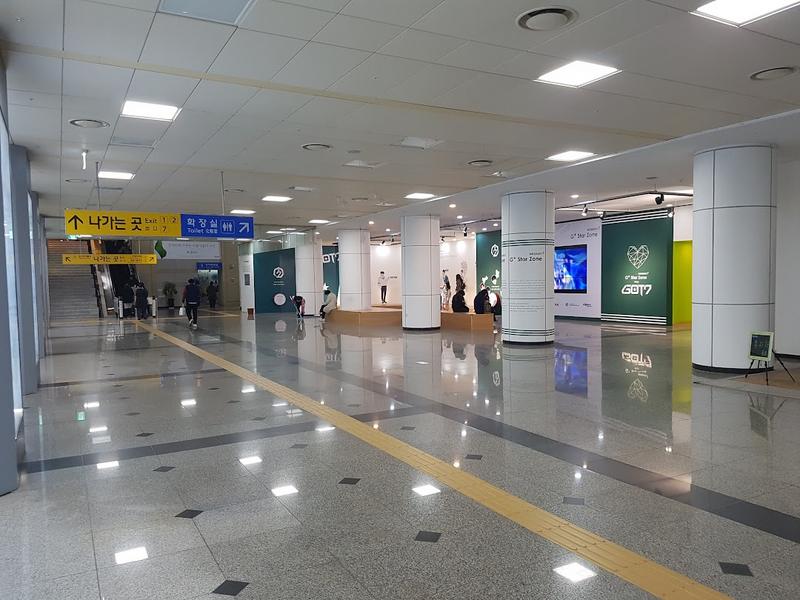

3
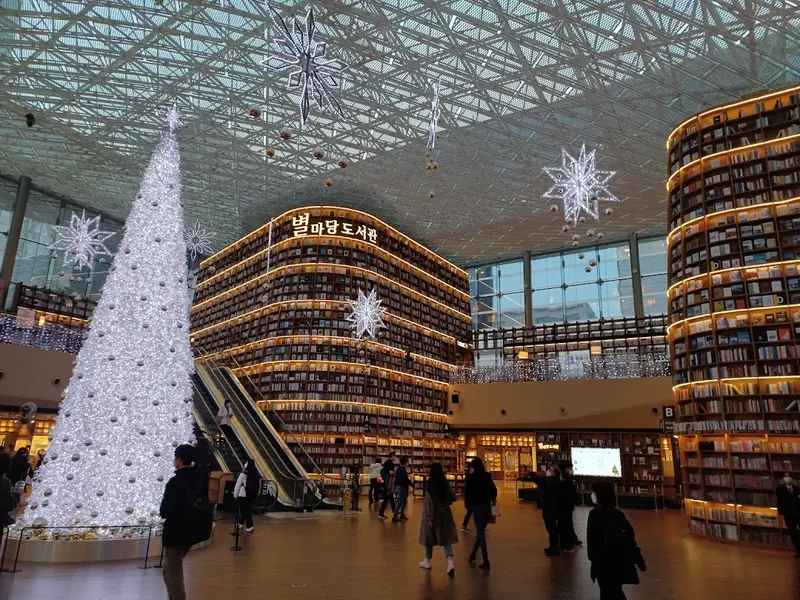
Massive underground shopping mall & convention center with a theater, aquarium & restaurants.
Day5: Seoul
3 attraction(s) ·
2 km
1
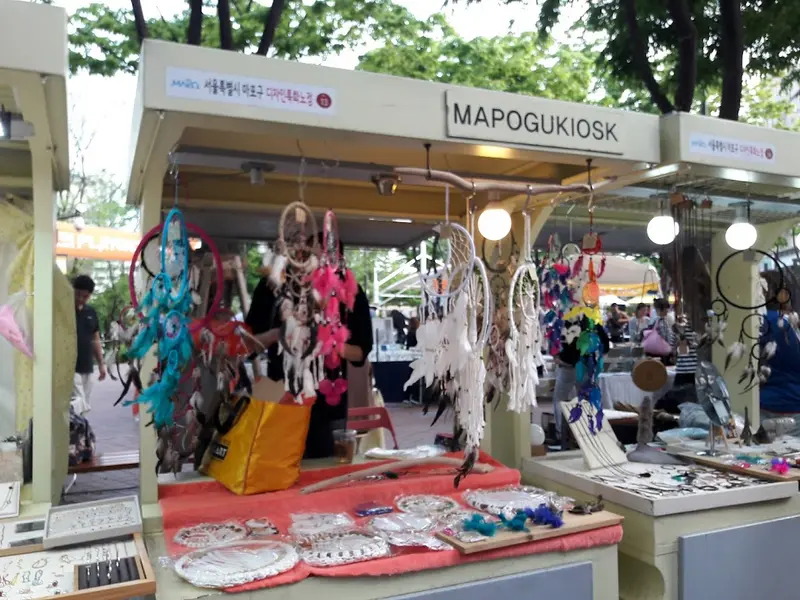
Seasonal open-air market featuring independent stalls with handmade crafts & artwork, plus events.
1
km
Day6: Seoul
3 attraction(s) ·
11 km
2
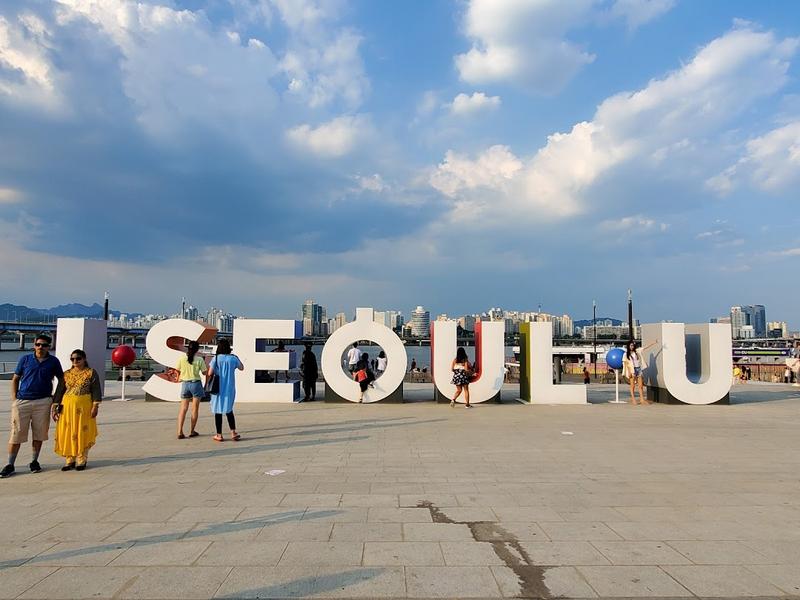
Large, popular park on the river featuring scenic views, plus running paths & a swimming pool.
6
km
3
Opened in 1980, this iconic tower offers panoramic views of the city & a revolving restaurant.
Day7: Incheon > Suwon > Gangwon-Do
3 attraction(s) ·
134 km