Explore Barcelona: 13-16th
1 cities |
14 attraction(s) |
total distance 26
km
 TIPS
TIPS
Day1
Day2
Day3
Day4
Day1: Barcelona
2 attraction(s) ·
3 km
1
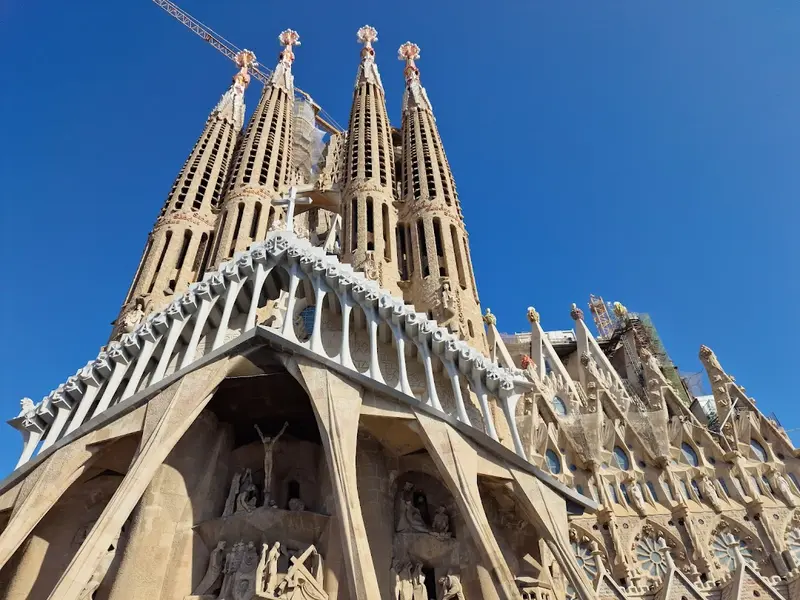
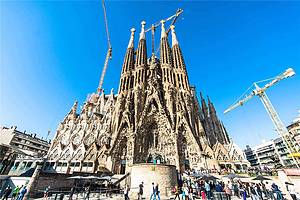
Antoni Gaudí's renowned unfinished church, started in the 1880s, with museum and city views.
3
km
2
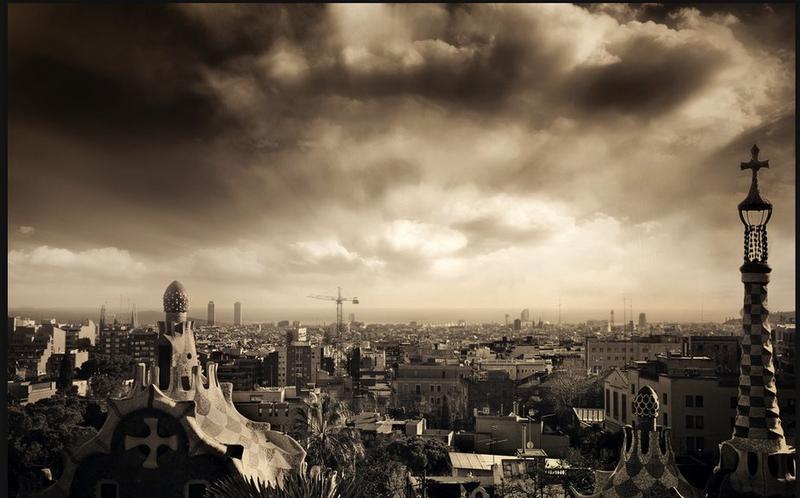
Güell Park, also known as Park Güell, is an early masterpiece by Antoni Gaudí, full of oriental charm. From the outside, you can see that the window design adopts the ventilation technology used by desert peoples to protect against sand and dust, and the walls use bricks instead of stones to form the geometric shapes commonly found in Mudéjar-style architecture. In addition, the decorative broken tiles also show Gaudí's innovative creativity. Güell Park is one of Antoni Gaudí's works listed as a World Heritage Site by UNESCO.
Here, Gaudí transferred his genius talent to garden planning. Upon entering the gate of Park Güell, tourists can see a giant lizard sculpture that often appears in travel magazines. The stairs next to the lizard guide visitors upwards, into a fantastical world of color and dreamlike atmosphere. Gaudí's home is also located here, and this pink little house has now been transformed into a museum showcasing Gaudí's life and work.
Day2: Barcelona
5 attraction(s) ·
2 km
1
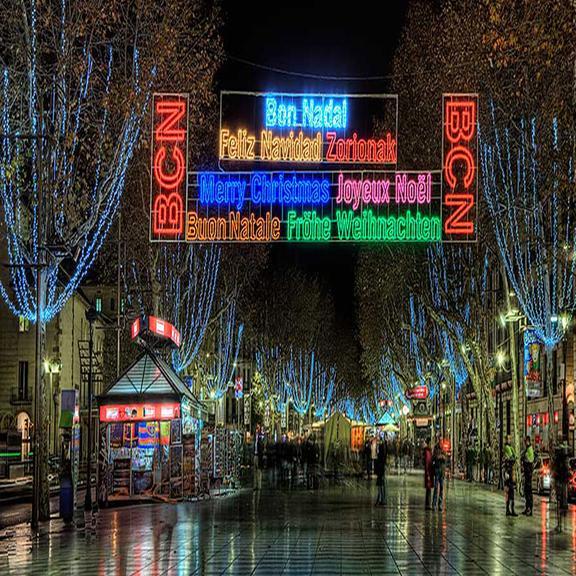
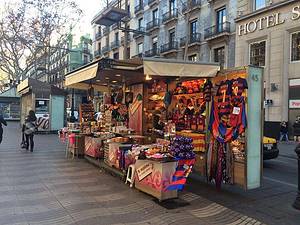
La Rambla is one of the liveliest streets in Spain and is also known as the "The Wanderer's Street" in the works of Yu Qiuyu. It attracts performance artists and tourists from all over the world. During the day, La Rambla is a paradise for street art and food, with the famous Boqueria Market located on the side of the street. After midnight, it becomes a playground for Barcelona's nightlife, especially in the La Raval area to the west, where there are various themed bars.
In addition, La Rambla connects Plaza de Catalunya and the Mediterranean Bay. Walking along La Rambla to the beach in the Mediterranean sunshine will give you a firsthand experience of Barcelona's colorful and joyful atmosphere! If you don't like crowded crowds, you can also choose to explore the historical Gothic Quarter to the east or La Raval area beloved by hippies (often with their own pets) on both sides of the street. But be sure to keep an eye on your wallet and valuables.
1
km
2
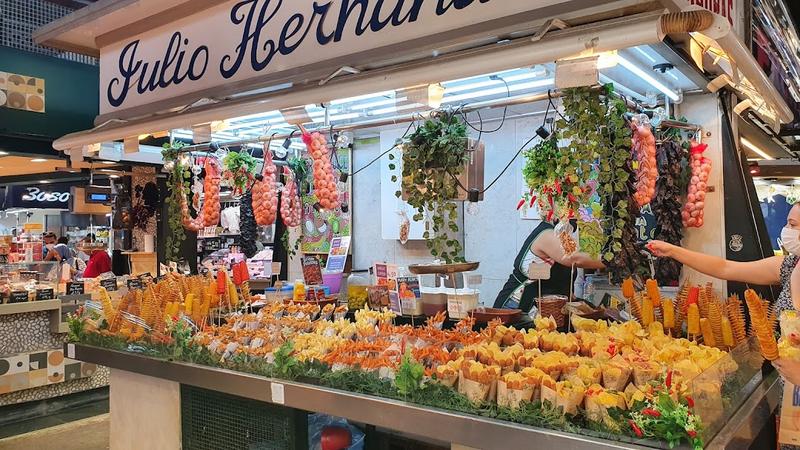
Famous indoor public market with meat, produce, cheese & an array of other food in a bustling space.
1
km

4
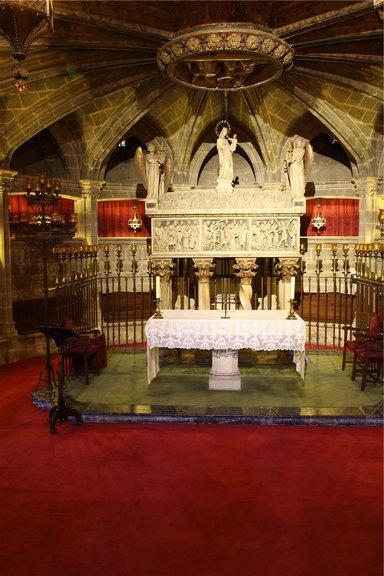
The Cathedral of St. Eulalia, located in the Gothic Quarter of Barcelona, Spain, is a Gothic-style building and is the cathedral of the Diocese of Barcelona. The construction started in the 13th century and most of the work was completed in the 14th century, with the cloister finished in 1450. A new Gothic-style facade was built in the 19th century. During Christmas, the cathedral hosts a Christmas market, featuring a Catalan tradition of handmade crafts called Caganer, which are figurines made of clay. They appear normal from the front, but have a "special" detail hidden on their backs. Barcelona also sells famous people Caganers and serves local cuisine. In the movie "Perfume," the protagonist Grenouille discovers his first prey, a fruit girl, around the Cathedral.
1
km

Day3: Barcelona
5 attraction(s) ·
8 km
1
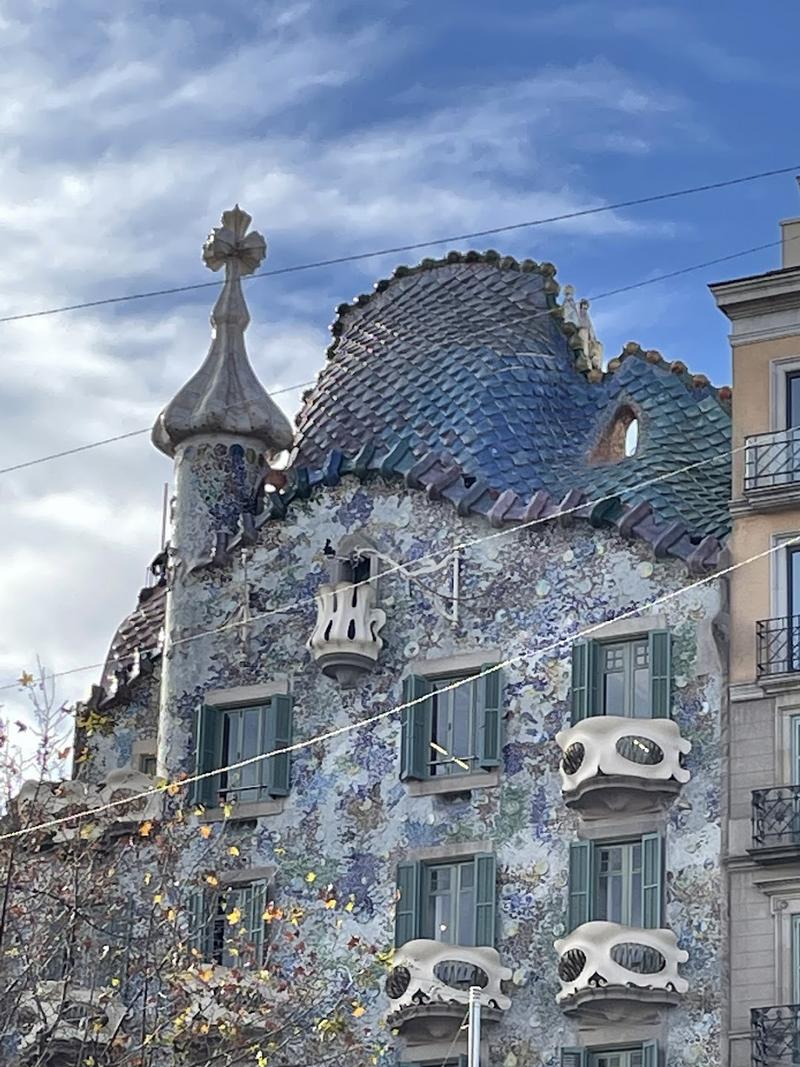
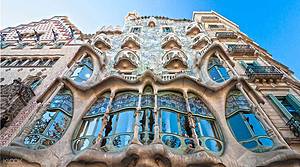
Fantastical, curving dragon-roofed apartment block, now a museum, created by architect Antoni Gaudi.
4
km
2
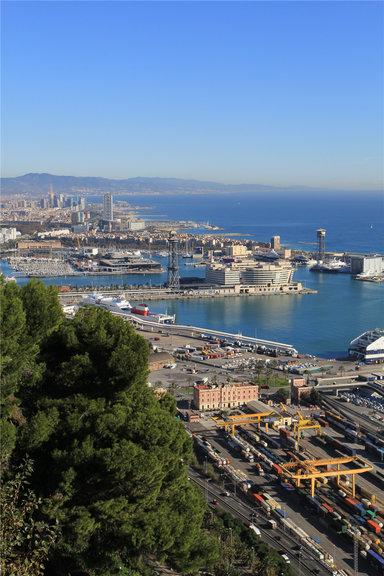
Montjuïc Mountain is located southwest of the center of Barcelona, adjacent to Plaça Espanya. The mountain is gently sloping, but the east side near the sea is almost a cliff. The summit is 173 meters high. In addition to the Roman Empire ruins, the Montjuïc Castle on the top of the mountain is a great place to view the harbor and the city, and to enjoy the sunset.
2
km
3
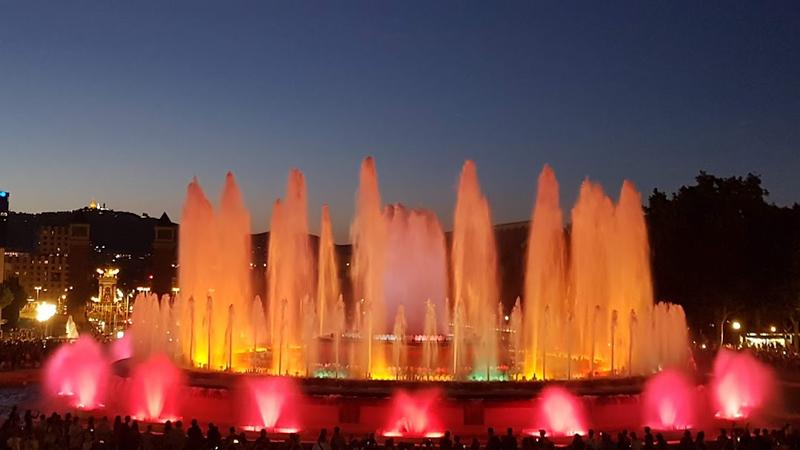
Huge circular fountain renowned for its scheduled shows of water & light choreographed to music.
2
km
4
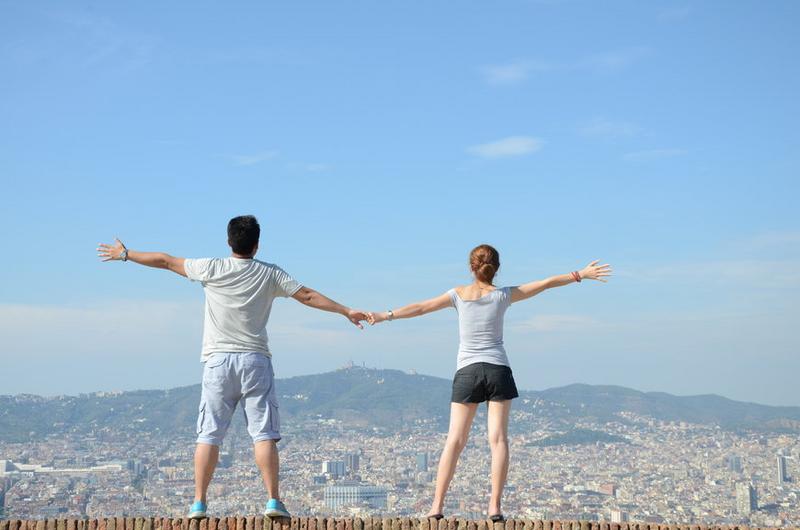
The Montjuic Castle, built in the 17th century, stands tall atop the windswept hill despite the passing of time. This military fortress is not only a typical example of Barcelona's garden architecture but has also been of keen interest to military strategists. In ancient times, it served as a guard tower, fully demonstrating its importance in military history. The castle once served as a prison, detaining political prisoners and executing criminals. Today, it has been transformed into a military museum, showcasing weapons, flags, and military uniforms from the 15th to the 20th century. Standing before the Montjuic Castle, visitors can not only enjoy views of Barcelona's streets and bay but also feel the weight and depth of history.
2
km
5
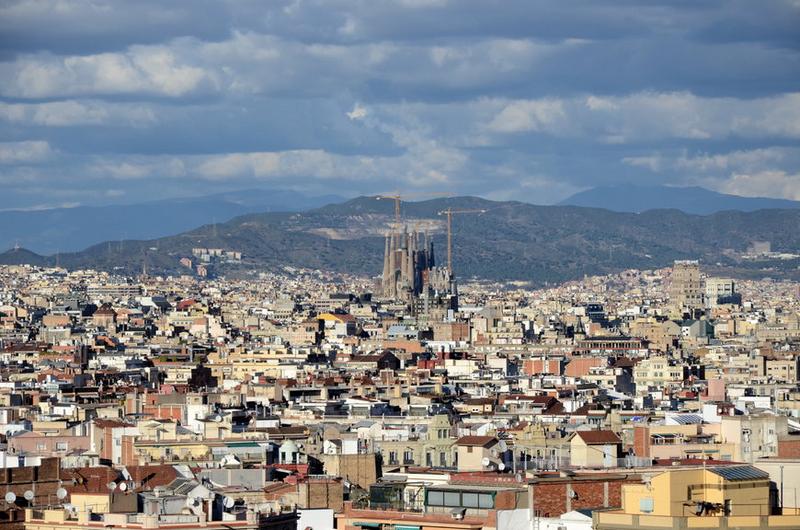
MNAC is a museum located on Montjuïc mountain in Barcelona, Spain, abbreviated as MNAC. Founded in 1990, the museum houses some of the world's finest religious murals and Romanesque art, as well as the history and urban planning of the Catalonia region. From 1995 to 2000, the museum opened exhibitions of Romanesque, Gothic, Renaissance, Baroque, 19th and 20th century art. In 2004, the entire museum was fully opened, displaying numerous precious artifacts to visitors. The Old Catalonia Art Museum was opened on the same site in 1934, but was closed during the Spanish Civil War.
Day4: Barcelona
2 attraction(s) ·
6 km
1
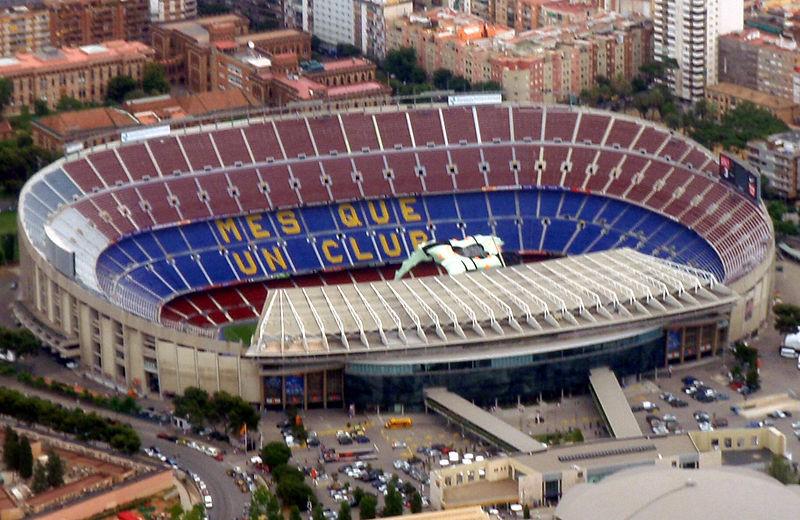
Located in the Catalan capital of Barcelona, the Camp Nou stadium (also known as the Nou Camp) is the home stadium of La Liga team Barcelona and is considered one of the world's most famous football stadiums. With a seating capacity of 99,354, it is one of the largest football stadiums in Europe and has been awarded a five-star rating by UEFA. In addition, the stadium has a Barcelona football museum featuring a collection of the team's trophies, historical photos, as well as valuable items like players' shoes and jerseys. The museum uses high-tech methods like 3D movies and touch screens to enhance the exhibition experience.
6
km
2
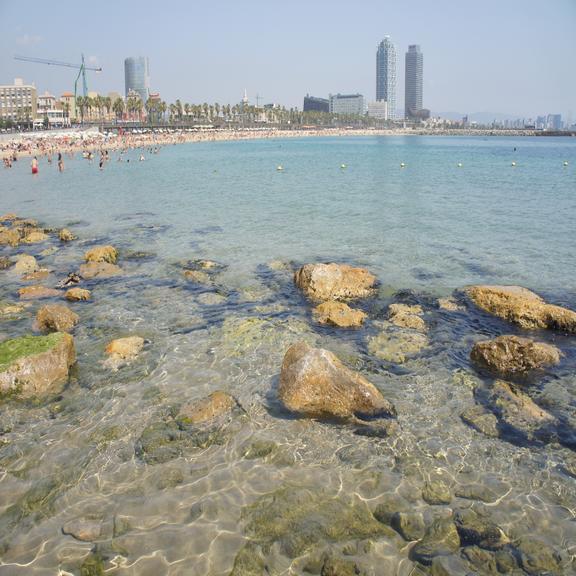
Barceloneta beach is a beloved sandy beach in Barcelona, and it attracts many visitors in the summer. There are also some interesting sculptures on the beach.