Milano 2-Day Adventure: History, Art, and Culture
1 cities |
9 attraction(s) |
total distance 12
km
 TIPS
TIPS
Day1
Day2
Day1: Milan
4 attraction(s) ·
3 km
1
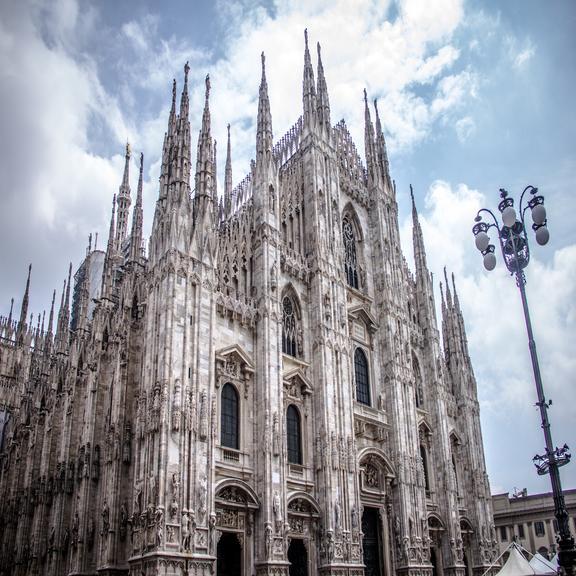
Milan Cathedral, also known as Duomo, is the iconic building in the center of Milan and the city's main cathedral. Construction of the cathedral began in 1386 and took over four centuries to complete, finally reaching completion in 1812. The intricate detailing continued until 1960, when the final bronze doors were installed. Over time, the cathedral has become a combination of multiple styles, with baroque decorations complementing gothic-style spires, creating an extravagantly divine atmosphere from top to bottom. The gilded statue of the Virgin Mary stands guard over the city, while the basement glass coffin inside the cathedral houses the remains of the red-robed archbishop San Carlo Borromeo, who passed away in 1584. In 1805, Napoleon was coronated as King of Italy in the cathedral. However, during World War II, the cathedral's front door was bombed, leaving visible scars to this day.
1
km
2
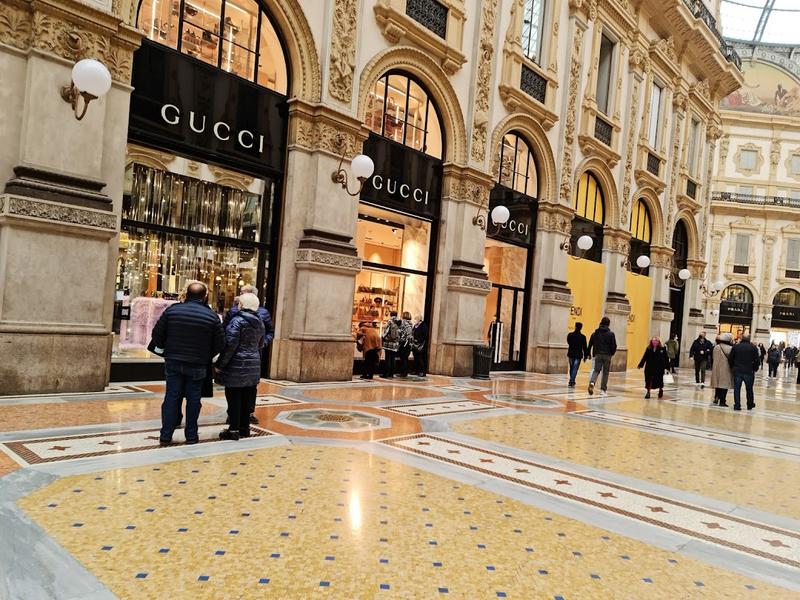
Mall housed in a glass-covered 19th-century arcade with luxury clothing brands & upscale dining.
2
km
3

Leonardo da Vinci's mural masterpiece, The Last Supper, painted in the late 15th century.
1
km
4
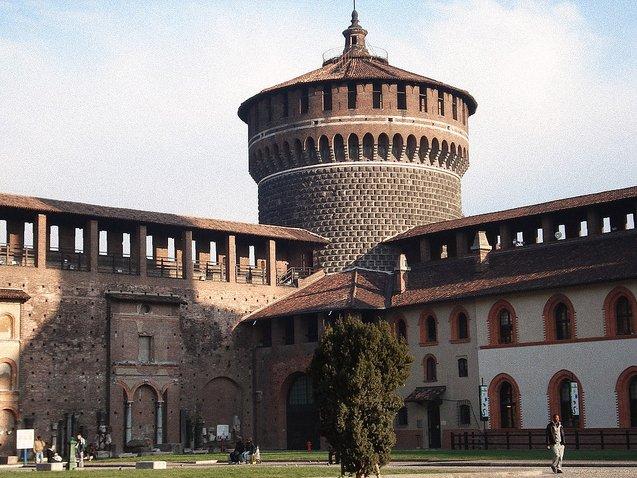
The Sforza Castle in Milan is a historically significant building, dating back to the 14th century as the residence of the Sforza Count. Over time, it became the main residence of the Sforza family, witnessing their rise and fall. The castle is surrounded by high walls, with an exquisitely planned interior and a scenic view. Today, the castle has been transformed into a museum by the Milan municipality, including the Museum of Applied Arts and Music, the Archaeological Museum, and the Museum of Ancient Art. The castle's rear entrance is named the Peace Gate, remodeled by ruler Francesco. The Sforza Castle witnessed Milan's changing history and is one of the most important buildings in the area.
Day2: Milan
5 attraction(s) ·
7 km
1

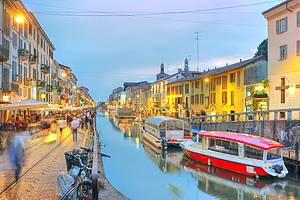
Canal from Milan to Pavia, constructed between 14th century & 1819; walk or cycle along the towpath.
3
km
2
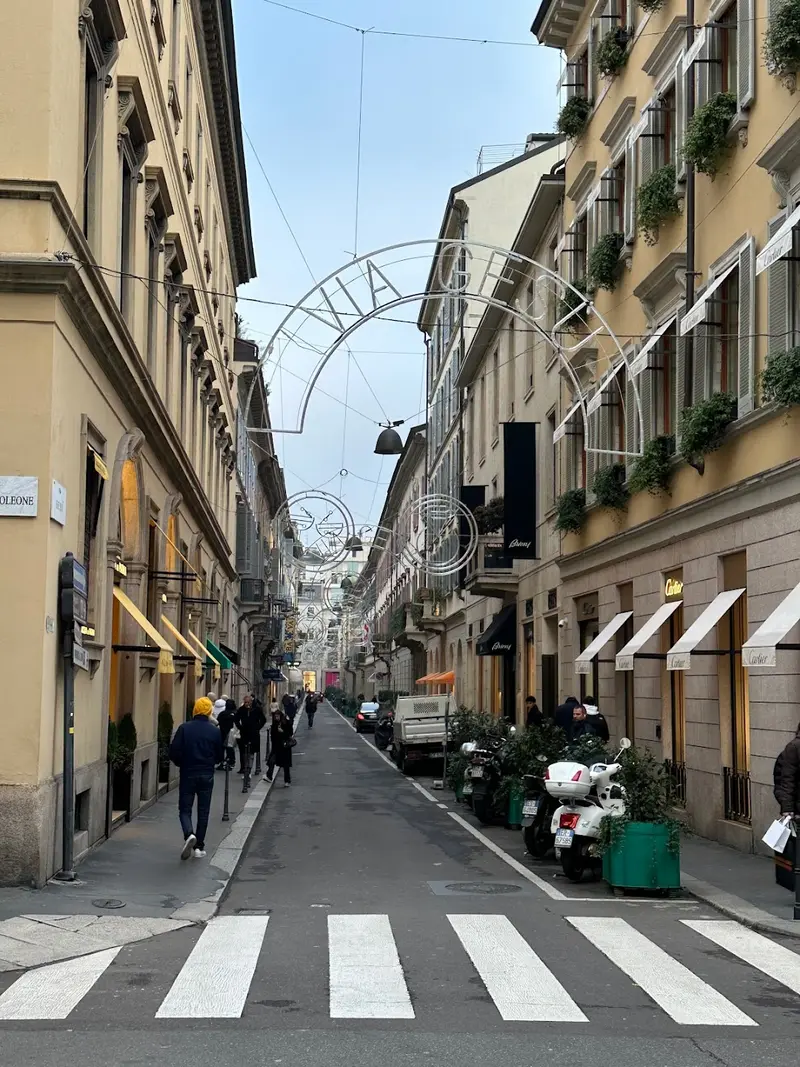
Elegant, narrow shopping street housing global & Italian haute couture outposts & jewelry stores.
3
km
3
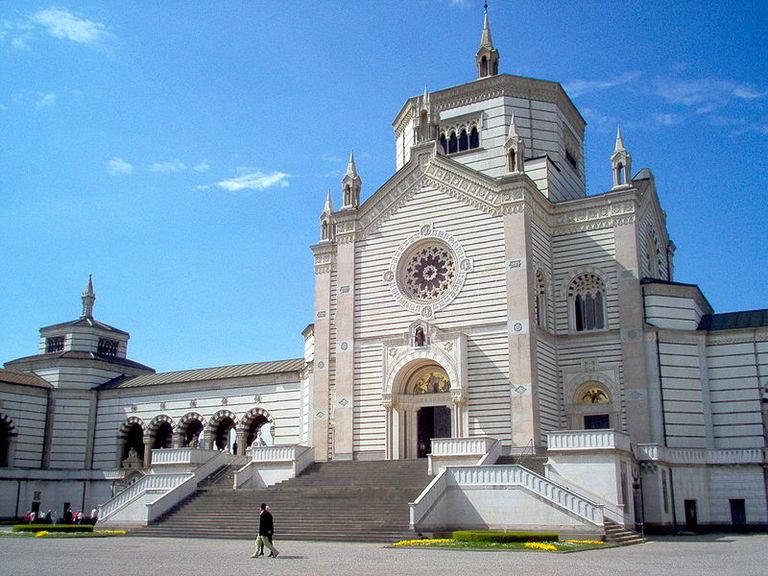
The Milan Monumental Cemetery is a vast cemetery renowned for its sculptural treasures. It was established in 1866 and houses many masterpieces of contemporary and classical Italian sculptors. The architecture and sculptural works within the cemetery are exquisitely detailed and impressive.
2
km
4
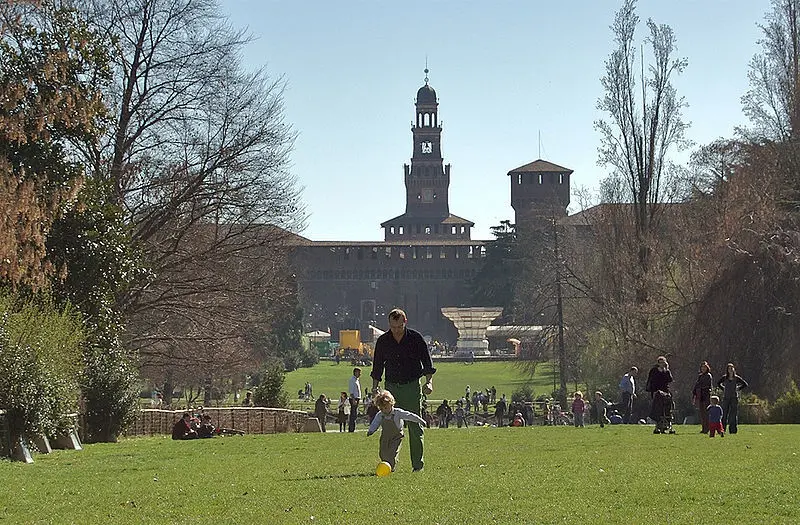
Parco Sempione, located in Milan, Italy, is a grand urban green space adjacent to the famous Sforza Castle. The park's name can be traced back to the Sempione Tunnel of 1906, from which the eponymous Corso Sempione also derives. The park's history dates back to 1888 when it was decided to demolish nearby houses to create a peaceful public space for walking, horse racing, and revolutionary celebrations.
Between the Sforza Castle and the Arch of Peace lies a picturesque English-style garden, including hills, valleys, irregular flower beds and paths, ponds and canals, and various trees and shrubs. Since its construction, the park has become the center of leisure for Milanese people and is closely related to art. Various important buildings, such as the Palazzo dell'Arte, are located within the park.
Now, by providing wireless network coverage in the park, the Milanese government allows tourists to enjoy internet access. Whether you want to walk, run, read, enjoy nature, or appreciate art, Parco Sempione is a great place to visit.
1
km
5
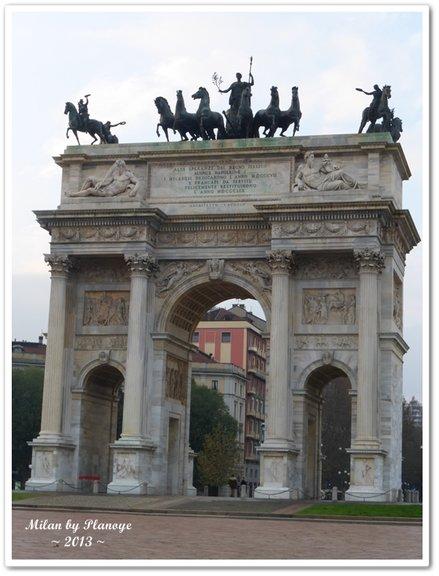
The Arc de Triomphe is a building constructed to celebrate Napoleon's victory in the European Wars. However, before the completion of the arch, Napoleon was defeated in the Battle of Waterloo. Later, Francis, the ruler of Milan, renamed the arch the Peace Arch in 1826. Now, there is a bronze statue above the arch depicting the goddess of peace holding an olive branch, standing on a chariot pulled by six horses.