Boston 4-Day Tour - American History Journey
1 cities |
14 attraction(s) |
total distance 26
km
 TIPS
TIPS
Day1
Day2
Day3
Day4
Day1: Boston
3 attraction(s) ·
6 km
1
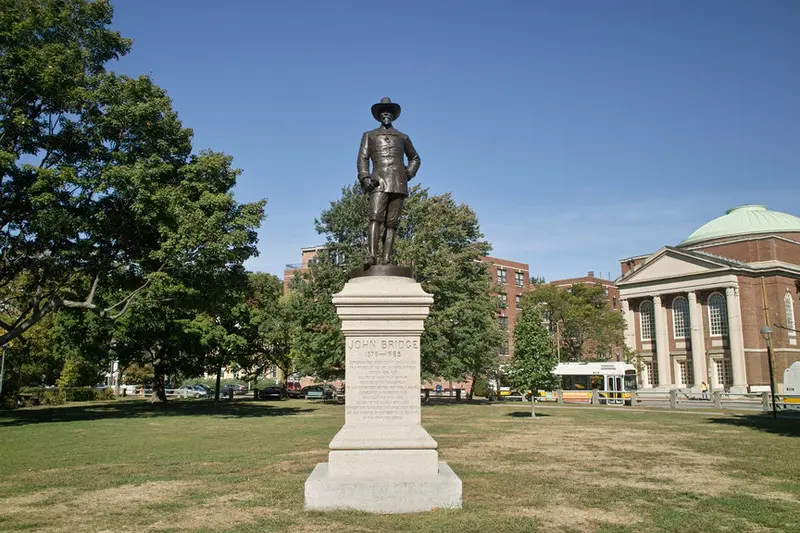
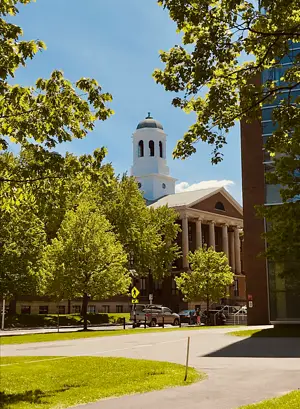
Harvard University is a world-renowned institution, along with MIT, it is considered one of the top universities in the world. Every year, countless students come to pilgrimage, and Harvard Yard and John Harvard's statue are a must-visit for them. It is said that touching the left foot of John Harvard will bring good luck, so the left foot is shiny with rubbing. However, this revered statue is actually a depiction of a Harvard student by Daniel Chester French. Both Harvard Memorial Hall and Widener Library have the same red brick walls, which is also one of Harvard's iconic features. In addition, Harvard University has several uniquely themed museums and art galleries that are worth a visit.
3
km
2
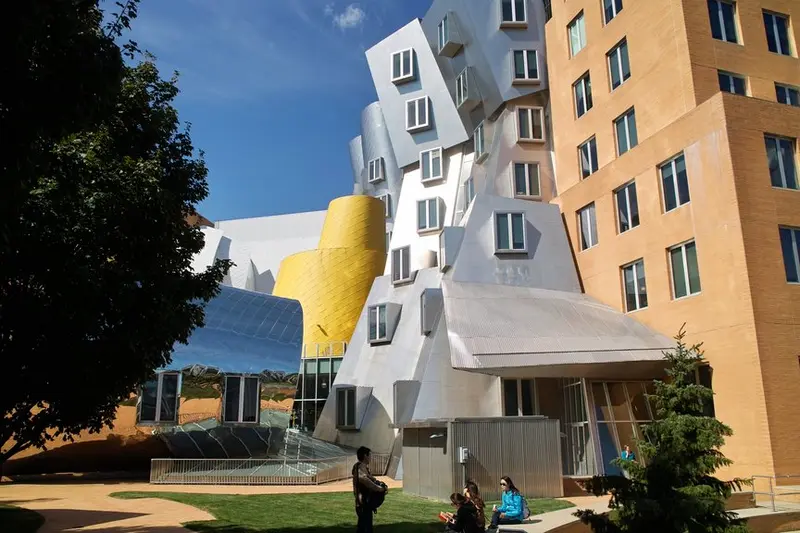
Located in Boston, Massachusetts Institute of Technology (MIT) is one of the world-renowned top engineering and technology universities and a must-visit destination for academic enthusiasts in Boston. Here, there are numerous buildings of different architectural styles, many of which are designed by the renowned architect I.M. Pei for his alma mater. The most iconic building is probably the Great Dome, which is supported by a huge cylinder, representing the iconic building of MIT. In addition, another building not to be missed is the Computer Science Center, which is composed of a combination of cylinders and rectangular shapes with bright colors and intricate interlocking, creating a super-modern sense of architecture that is not only impressive but also worth lingering to appreciate.
3
km
3
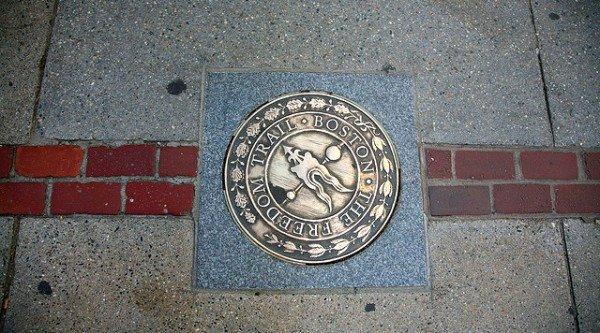
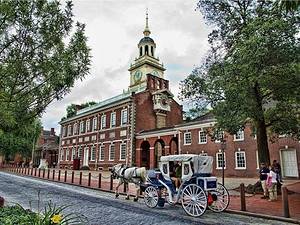
The Freedom Trail is Boston's most historically rich tourist route, inspired by the idea of local renowned journalist William Schofield. This tour route is mainly done on foot and allows visitors to delve deep into the origins of American history and the urban scenery of Boston. The trail starts from Boston Park, passes through 16 attractions, and finally reaches the Bunker Hill Monument in Charlestown, with a total distance of about 2.5 miles.
Some say that if you come to a city but know nothing about its history, you can only experience it on a superficial level. Therefore, when you step onto the Freedom Trail, it's like opening an American history book, where you will witness the struggle for freedom through the relics along the way. The Freedom Trail will allow you to experience the magnificent process of Boston's history firsthand.
Day2: Boston
3 attraction(s) ·
2 km
1

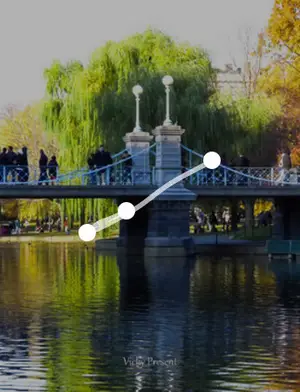
Boston Park, one of the oldest public parks in the United States, was built in 1634. It also has the oldest cemetery in Boston, Central Burying Ground, where soldiers who died in the Battle of Bunker Hill in 1775 are buried. This green space has transformed from a political hub to a leisure spot for locals to hold various entertainment events and competitions. The most popular area in the park, Frog Pond, is used for swimming in the summer and transformed into an ice rink in the winter. Boston Public Garden on the west side of the park is the most famous attraction, featuring a row of bronze duck statues that sometimes wear hats and scarves. Visitors can take a leisurely stroll through the picturesque green paths, enjoy speeches from orators, and listen to musicians perform. Free Wi-Fi is available in the park, and during the summer, guests can take a ride on a signature swan boat and cruise on Swan Lake. This oasis in the midst of the city's hustle and bustle is definitely worth exploring.
2
km
2

New England Aquarium, located in Boston's waterfront area, is one of the best aquariums in the northeast United States. This aquarium is located at the Central Wharf on the northern end of downtown Pacific Avenue, and features a large cylindrical aquarium in the center area.
1
km
3
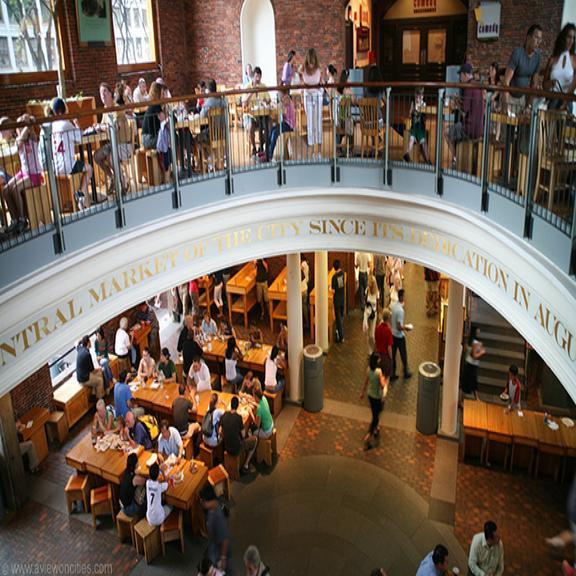
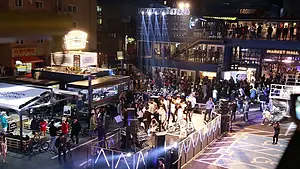
In 1822, with the booming business in Boston, Faneuil Hall was expanded to become Quincy Market to meet the market demands. The market was built in a Roman style, with large columns and a signature triangular roof at the front and back exits. The use of granite and modern style rectangular glass successfully combined classical and modern beauty. Quincy Market is not only Boston's most famous commercial street, but also offers a variety of cuisine and the unique Frost Ice Bar for people to taste. After a satisfying meal, visitors can go to Faneuil Hall Marketplace behind the market to experience the lively atmosphere of an exotic market. In addition, interesting exhibitions are often held on the second floor of Faneuil Hall, and there are also music and dance performances of various styles on the streets.
Day3: Boston
3 attraction(s) ·
3 km
1
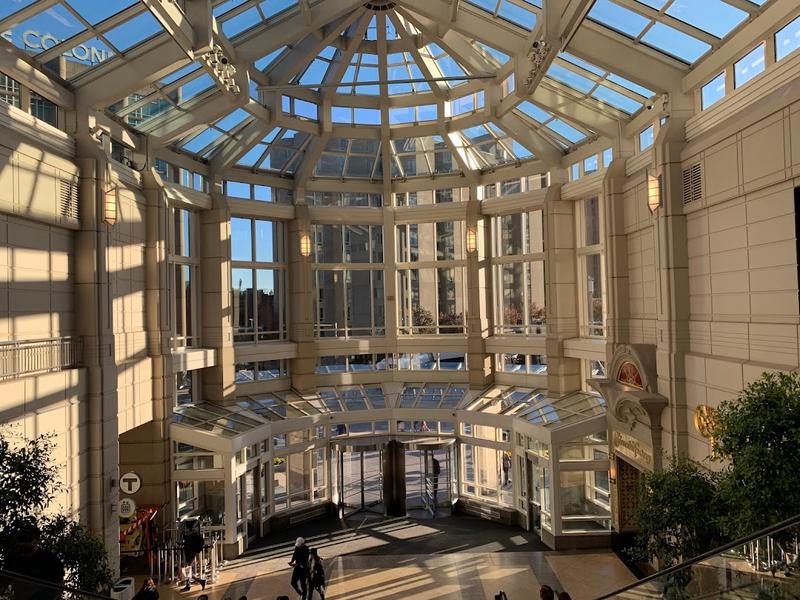
Fancy indoor mall with upscale department stores, shops & dining, including an Eataly location.
2
km
2

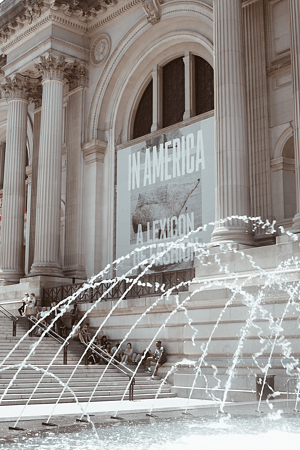
Neoclassical & modern wings house a vast collection from ancient Egyptian to contemporary American.
1
km
3
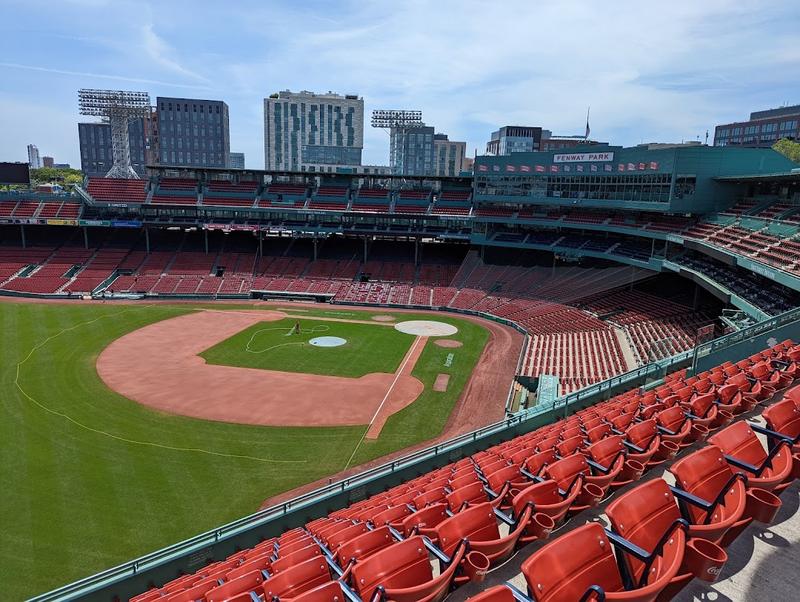
Historic, small-capacity ballpark, home of the Red Sox & occasional big-name concert venue.
Day4: Boston
5 attraction(s) ·
13 km
1

This green space along the river offers a walking/jogging path, various events & views of the city.
4
km
2
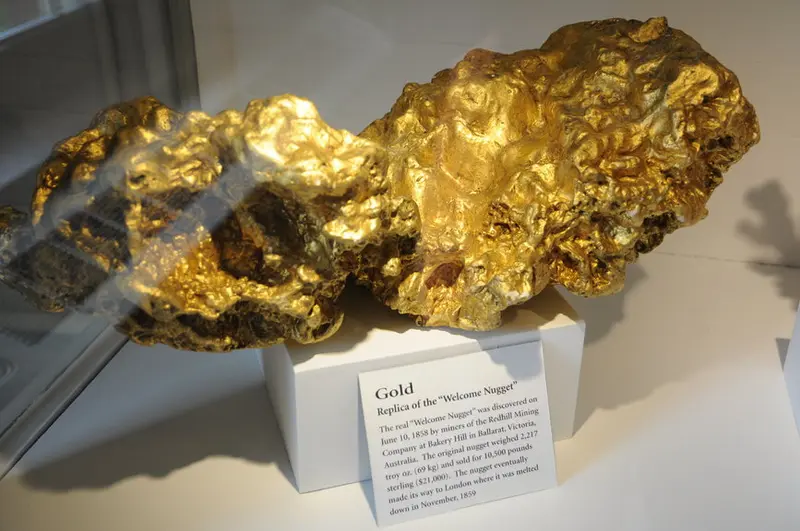
The Harvard Museum of Natural History is a must-visit place, showcasing a star exhibit of over 300-year-old extinct elephant bird eggs. In addition, precious exhibits from two German naturalists - glass flower specimens of various shapes and sizes, are so lifelike that visitors feel they are in the garden of species.
5
km
4
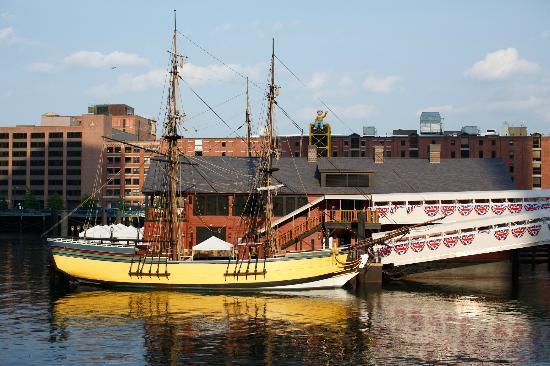
The Boston Tea Party of 1773 was one of the important historical events of the American Revolutionary War. In Boston, which was still a British colony at the time, people decided to destroy the tea trade of the British East India Company using political resistance. They dumped large quantities of tea into the sea, aiming to protect free trade in North America.
Today, there is a museum called the "Boston Tea Party Ships & Museum" near the mouth of the Boston Harbor. A replica of the ship "BeaverⅡ" is also docked nearby. Although the museum is not large, it houses a large collection of original materials, tools, and memorabilia from the time of the event. Visitors can not only learn the truth of history but also personally experience the historical event on the deck.
3
km
5
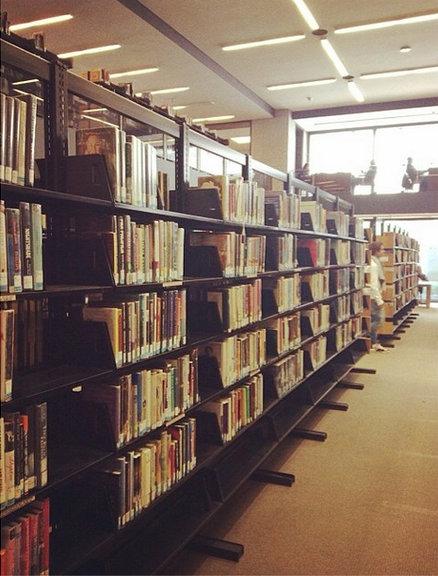
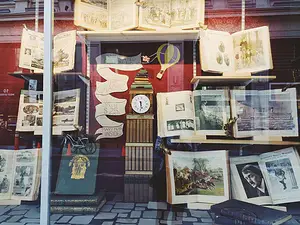
The Boston Public Library, also known as the Central Library, was built in the later half of the 19th century, designed by architect Charles Follen McKim. The building style is very much of its time, echoing the architectural style of the late 13th century Italian Renaissance, and has a rich and unique collection. As the first public support municipal library in America, it was the first to allow ordinary citizens to borrow books to take home. Currently holding 8.9 million volumes, it is the second largest public library in the US, second only to the Library of Congress. The library is located in the heart of Capelli Square and consists of the McKim Building and the Johnson Building. The McKim Building houses all the research collections, and the reading room in the building is loved by readers for its vintage design atmosphere. The Johnson Building was designed by architect Philip Cortelyou Johnson and named after him. It is closely connected to the McKim Building and the central courtyard is designed in an Italian style, allowing visitors to fully relax and rest.