Former Residence of Lu Xun in Shanghai
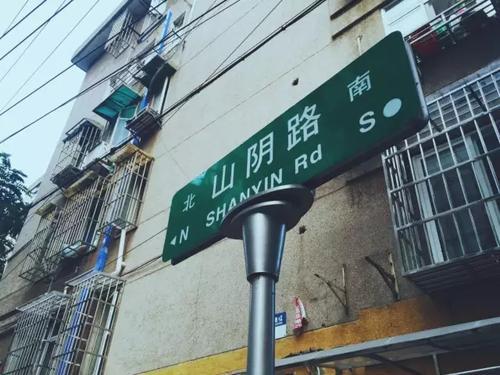
The former residence of Lu Xun is located at No. 9 Dalu New Village on Shanyin Road. This is a three-story building with a brick and wood structure, featuring red bricks and red tiles. During this period, Lu Xun wrote many combative essays and edited the magazine "Translation", translating works such as "Dead Souls". He advocated for woodblock printing and also edited and organized the posthumous works of Qu Qiubai, titled "The Sea Above the Forest". In 1935, he sent a telegram congratulating the victory of the Workers' and Peasants' Red Army in reaching Shaanxi, and in early 1936, he actively participated in the anti-Japanese national united front work in the literary and cultural circles, among other things. The museum is named after the late Premier Zhou Enlai's own inscription. The architectural style reflects the traditional style of folk residences in Shaoxing, Lu Xun's hometown. The over 17,000 exhibits in the museum provide a comprehensive introduction to Mr. Lu Xun's ideological development and fighting process, with a focus on his social and cultural activities during his ten years in Shanghai.
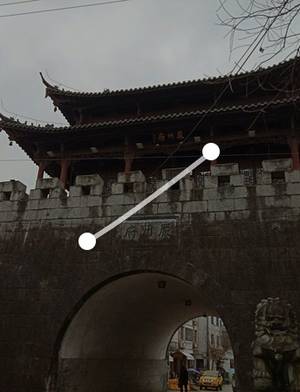
Hengfengli (West Gate)
Classic Shikumen residential house in old Shanghai.
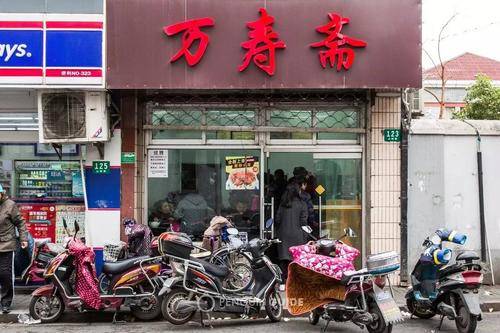
Wanshouzhai
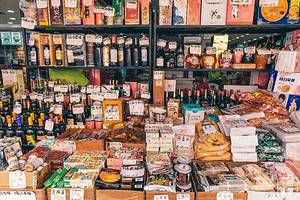
Shanghai locals say that you can taste the flavors of childhood here. The place is not big, a typical street snack shop, with signature dishes like fresh meat xiaolongbao and vegetable meat wontons.
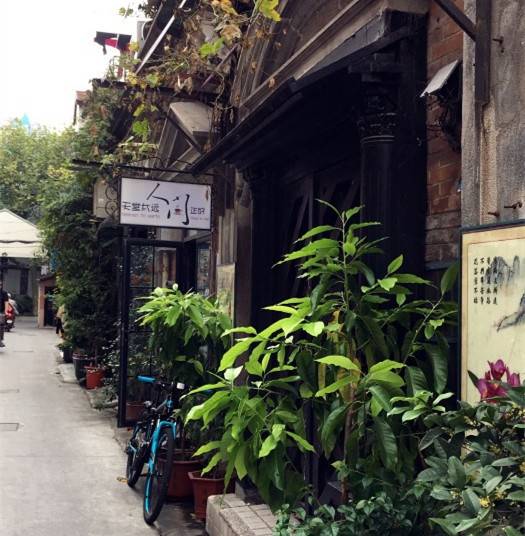
Café: Heaven is too far, but people are just right
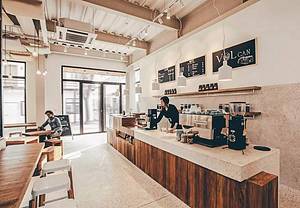
No. 37, Hengfengli, Lane 69, Shanyin Road. The café in Hengfengli is already artistic just by its name. Lattes, hot chocolate, and handmade cookies are very popular. The shop also has many books about travel, allowing you to dream about your next journey while sipping coffee.