Pang's Hot Dry Noodles
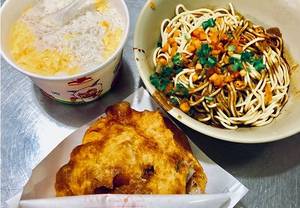
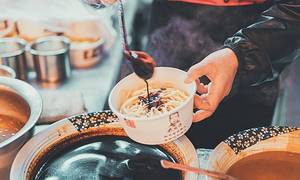
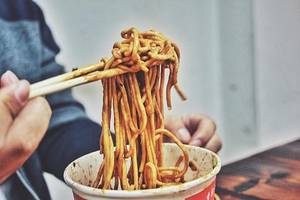
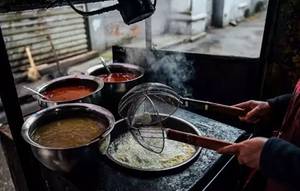
The street culture of Wuhan is inseparable from hot dry noodles. Hot dry noodles take only two to three minutes to prepare. Once bought, mix well with sesame paste and join the morning rush, eating quickly while walking. The aroma of hot dry noodles rapidly increases in the air, releasing hormones. Taxi drivers' late-night diners, and celebrities like Sa Beining and Feng Gong also come specifically to eat. The noodles retain their original flavor and chewiness, even after a few hours they won't become mushy. Only sesame paste, red oil, and soy sauce are added, without vinegar or brine, yet the mouth is filled with a lingering fragrance.
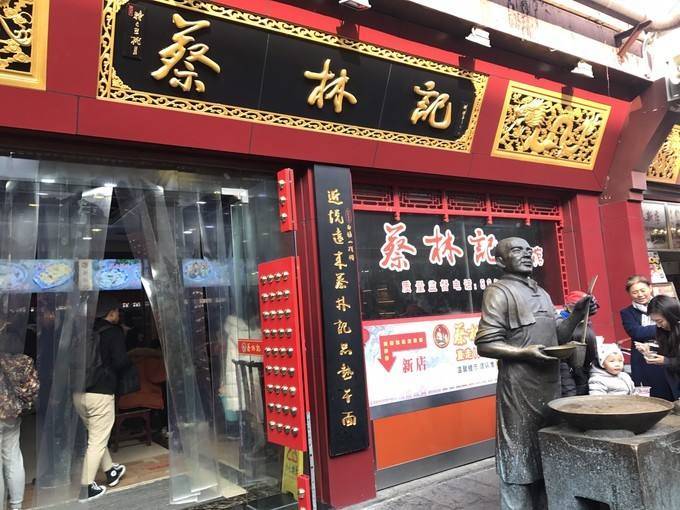
Cai Lin Ji Hot Dry Noodle Restaurant
A century-old noodle restaurant in Wuhan. In addition to the all-ingredient hot dry noodles, you can also choose from a variety of ingredients such as shrimp, cabbage, shredded meat, and fish. The overall preparation is stable and fast.
Master Wang's Bean Curd Skin
Master Wang's bean curd skin breaks through the traditional boundaries, resembling fried rice. It innovatively includes tofu cubes marinated in bean paste and diced mushrooms and bamboo shoots. During preparation, the bean curd skin is coated with sauce on both sides, making it very flavorful.
Abin's Three-Flavor Tofu Skin Shop
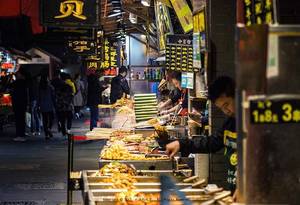
Abin's shop is located on Shuilu Gourmet Street. The taste is standard, relatively light, and the side with the egg is especially crispy. There are always people lining up throughout the year, and everyone enjoys watching his performance while making tofu skin, which looks like a dance-off.
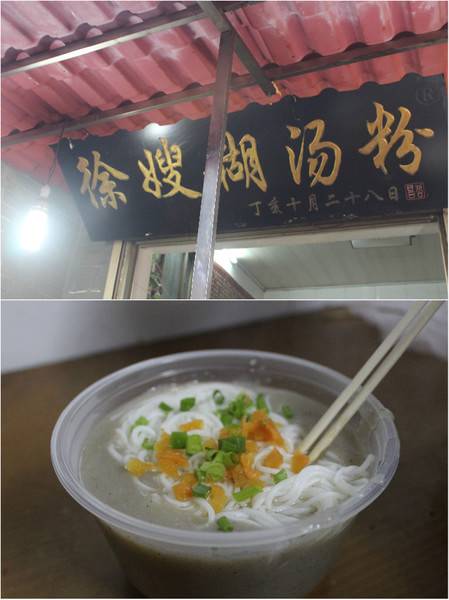
Xu's Sister-in-law's Fish Soup Noodles
An old taste in the memories of old Wuhan residents. The fish currently used is, of course, not bad fish, but fresh small crucian carp, along with small river shrimp boiled into a thick soup. The cooked rice noodles are taken out, poured with thick soup, and seasoned with salt, pepper, minced ginger, and chopped green onions. The thick soup emits a faint river-fresh aroma. A piece of fried dough stick is a must to make you feel completely satisfied.
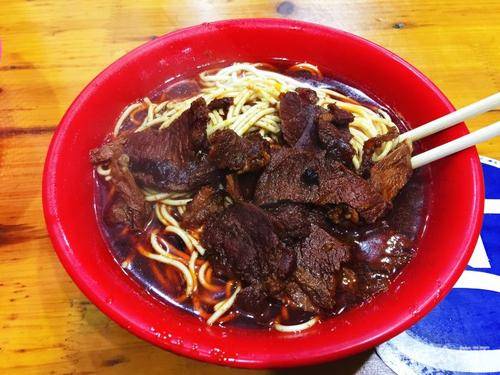
Lumingchun Beef Noodles
Lumingchun refers to the sika deer, with 'lu' meaning deer and 'ming' meaning the call of the deer, symbolizing friends gathering to eat. 'Chun' is an ancient term for wine, implying that this place offers fine wine and delicacies. The restaurant prepares 200 pounds of fresh beef daily, which is first braised and then soaked. The broth is made from pork bones, chicken bones, and corn, taking about 15 hours to prepare.