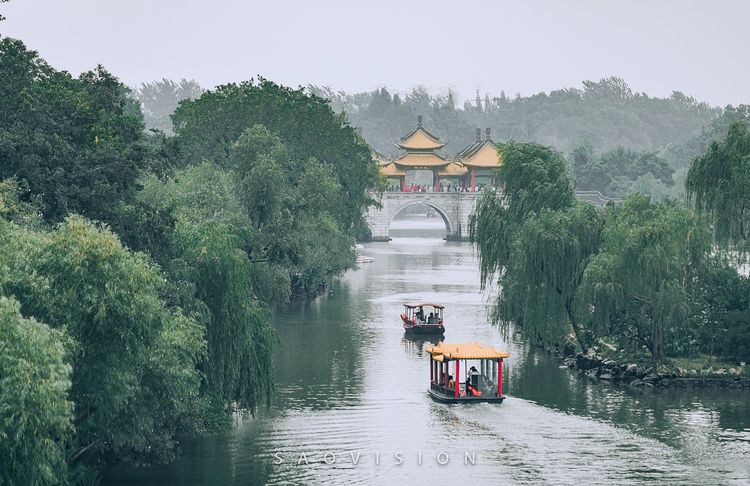
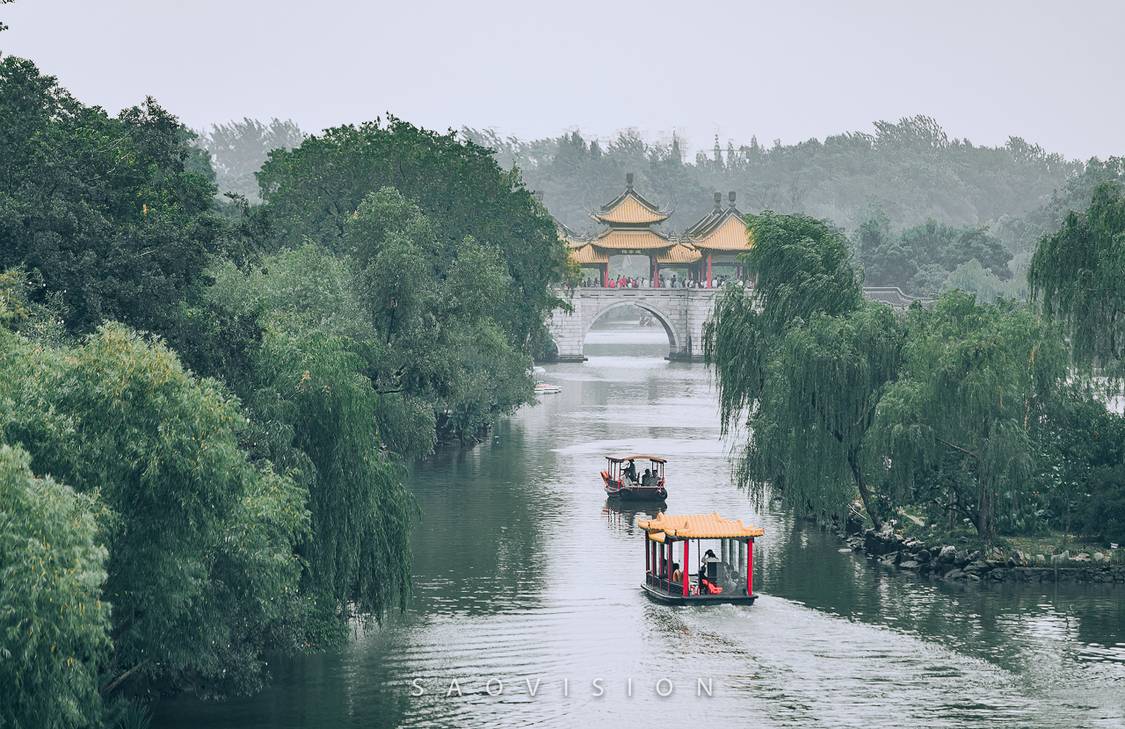
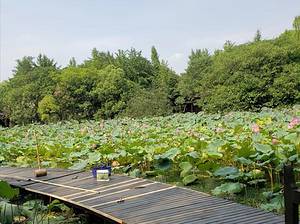
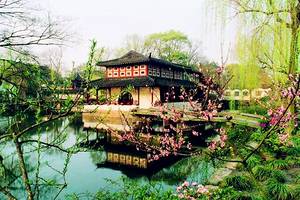
Slender West Lake is the most famous lakeside garden scenic area in Yangzhou, renowned for its pattern of “one lake, two causeways, many bridges and many scenes,” with pavilions and towers scattered throughout. April is one of the most beautiful seasons at Slender West Lake, when Chinese snowball viburnum and peonies are in full bloom, setting off famous sights such as the White Pagoda and Twenty-Four Bridge, making it ideal for boating to enjoy the spring scenery or strolling along the lake embankments.
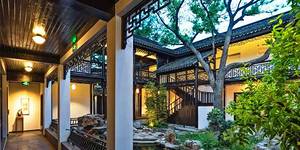
Geyuan Garden is a representative private garden in Yangzhou, best known for its rockery art, especially the four seasonal rockeries symbolizing spring, summer, autumn, and winter. Inside the garden, bamboo groves, ponds, and pavilions and corridors reflect one another. In spring, flowers and trees are luxuriant, making it an excellent place to appreciate the spring scenery of Jiangnan gardens and experience the classical art of Chinese garden design.
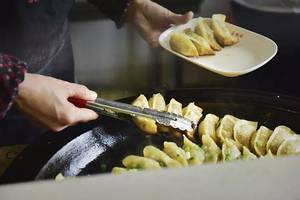
Fuchun Teahouse is one of Yangzhou’s long-established and time-honored teahouses, famous for its Yangzhou morning tea. It offers a wide variety of dim sum, including thousand-layer oil cake, three-diced buns, emerald shumai, and more. With its simple and traditional environment, it is suitable for savoring tea while experiencing authentic Yangzhou food culture.
Yechun Teahouse is as famous as Fuchun and is another well-known morning tea brand in Yangzhou. The teahouse serves various Yangzhou dim sum and local dishes, such as Yangzhou fried rice and crab roe soup dumplings, and is a popular place to experience traditional Yangzhou morning tea culture.
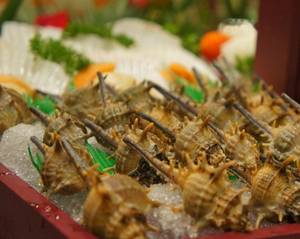
Gaoyou Lake is one of the important freshwater lakes in Jiangsu, with vast waters and abundant fishery resources. In spring, the lake’s fresh produce is especially plump and delicious. The area is particularly famous for Gaoyou salted duck eggs, especially the “Gaoyou double-yolk eggs.” Around the lake, visitors can take in water-town scenery and taste fresh lake delicacies.
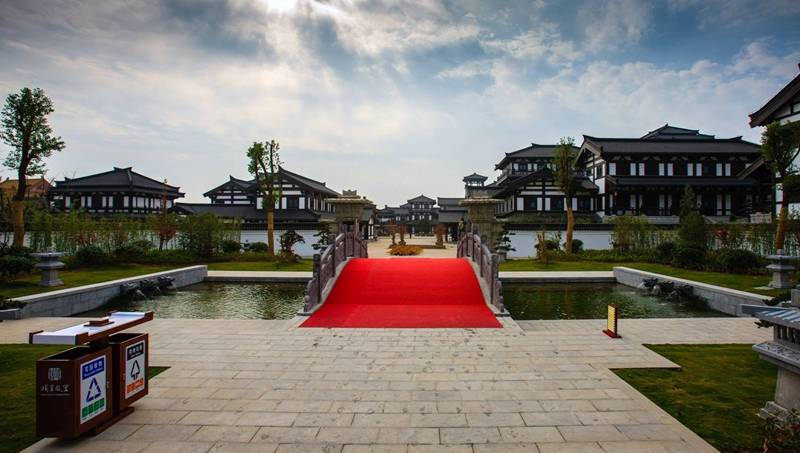
The Xiang King’s Hometown Scenic Area is located in Suqian and is a cultural attraction commemorating Xiang Yu, the Hegemon-King of Western Chu. The scenic area features groups of imitation ancient buildings, sculptures, and exhibitions of Chu–Han culture. Through scene recreations and information panels, it tells the history of the Chu–Han contention, making it suitable for visitors interested in ancient Chinese history and heroic figures.
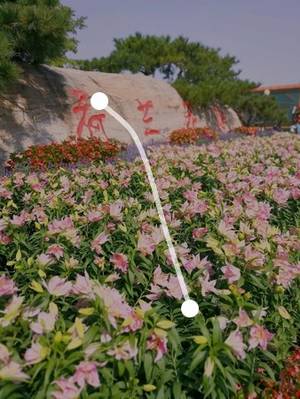
Santai Mountain National Forest Park is densely wooded with fresh air and is an important forest scenic area in northern Jiangsu. In spring, the park’s “Natian Sea of Flowers” is especially famous: vast flower fields set against rolling hills create picturesque views, making it ideal for spring outings, flower viewing, and light hiking and leisure.
Yaowan Ancient Town lies along the Beijing–Hangzhou Grand Canal and preserves relatively complete streets and buildings from the Ming and Qing dynasties. It is known as the “Little Shanghai” on the canal. The ancient town is characterized by bluestone streets, old residences and shops, and canal waterscapes. Local traditional specialties include distilled liquor and sesame candy. It is a good place to experience the slow life of a waterside town.
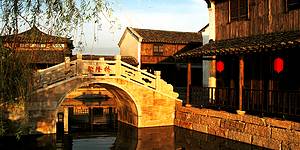
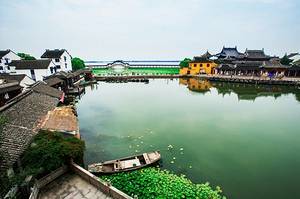
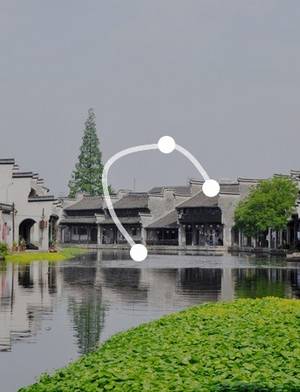
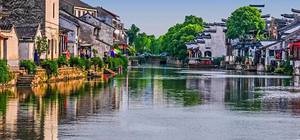
Luzhi Ancient Town is located in eastern Suzhou and is a typical Jiangnan water-town ancient settlement, famous for its dense network of waterways and stone bridges. It has many long-standing ancient bridges and ancestral halls. Compared with nearby popular ancient towns, it receives relatively fewer tourists. Visitors can ride a sculled boat through the waterways and quietly experience small-town life.
Luxiang Ancient Village is located in the hinterland of Dongshan on Lake Tai’s eastern shore and is known as the “Number One Ancient Village of Taihu.” The village is full of ancient residences and ancestral halls from the Ming and Qing dynasties, with winding alleys. In spring, tea plantations surround the village, making it suitable for strolling along stone-paved lanes and appreciating the tranquility of an ancient Jiangnan village and the style of traditional dwellings.
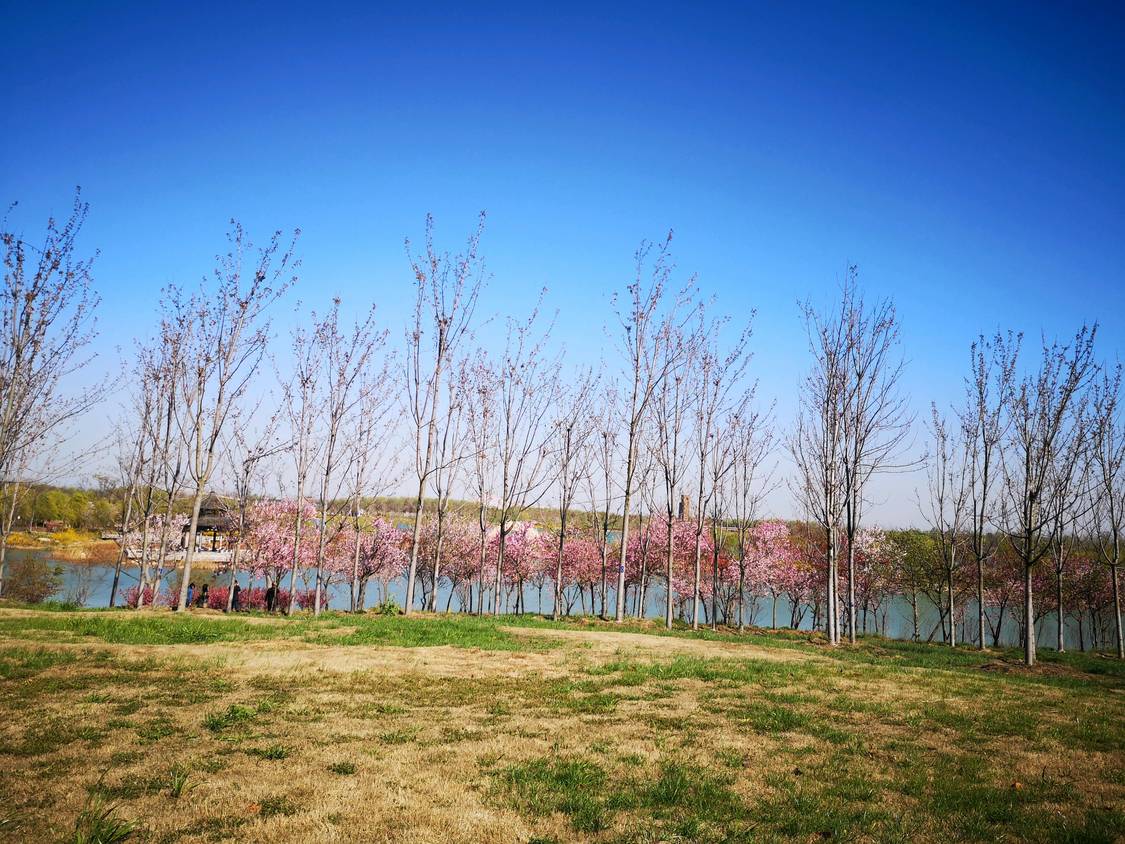
Yuantouzhu (Turtle Head Isle) is located on the shore of Lake Tai in Wuxi. It is named for its peninsula jutting into the lake, which resembles a divine turtle, and is considered the essence of Lake Tai’s scenery. Yuantouzhu is most famous for its cherry blossoms and is hailed as one of the “world’s three top cherry blossom viewing spots.” Every spring, when the cherry blossoms are in full bloom, the lakeshore and hillsides are covered in pink and white, intertwined with the lake and mountain views to form a highly picturesque spring scene.
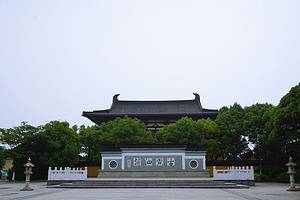
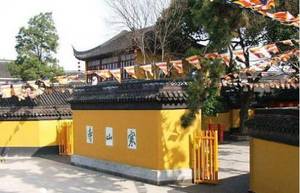
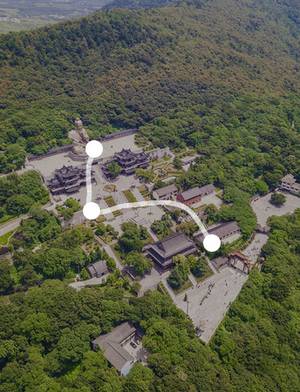
Lingshan Scenic Area lies on the shore of Lake Tai and is a large Buddhist cultural tourist area composed of attractions such as the Lingshan Grand Buddha, the Brahma Palace, and Lingshan Town · Nianhuawan. The environment is both solemn and beautiful. In spring, the mountains are filled with blooming flowers. Visitors can come here to worship and pray, enjoy lake views, and experience Chinese Mahayana Buddhist culture and garden architectural art.
Taihu Bay Camping Valley is located along the Lake Tai shoreline in Changzhou. It is a resort area integrating camping, family-friendly entertainment, and outdoor sports. The campsite is adjacent to the lake and grasslands. With pleasant temperatures in spring, it is suitable for pitching tents to camp, barbecuing and picnicking, and engaging in light outdoor activities.
Tianmu Lake is located in Liyang, Changzhou, and is known for its clear waters and the green mountains surrounding the lake. It is a well-known leisure and vacation lake in East China. Visitors can take boat trips on the lake or climb nearby heights to overlook the lake area. The region is also famous for specialty dishes such as “clay pot fish head,” making it a destination that combines natural scenery with gourmet experiences.
Langshan (Wolf Mountain) in Nantong is located near the estuary where the Yangtze River meets the sea and is known as the “Number One Mountain of River and Sea.” Although not very high, it stands by both river and sea, offering broad views. Temples dot the mountain, among which Guangjiao Temple is especially popular with worshippers. While climbing, visitors can enjoy river views and visit ancient temples, making it a well-known scenic area that blends natural landscapes with Buddhist culture.
Guangjiao Temple stands on Langshan in Nantong and has a long history as an important local Buddhist temple. The temple buildings are arranged along the mountain slope, and incense offerings are abundant. In spring, visitors can listen to bells and chimes and gaze at the river waters here, feeling the fusion of religious atmosphere and natural scenery.
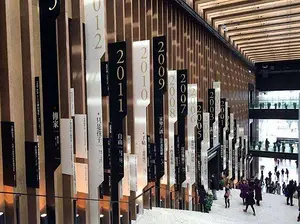
Nantong Museum Complex was founded by industrialist Zhang Jian and is considered one of the earliest public museums in modern China. The complex includes the museum, botanical garden, and other facilities, and houses collections covering nature, history, folk customs, and more. It is an important place for understanding Nantong’s local culture and the development history of modern Chinese museums.