An iconic arched bridge over the Shinano River running through Niigata City. The riverside promenades and cafés around it are well maintained, making it a popular photo spot for both locals and travelers. The cityscape reflected in the illuminated water at sunset is especially beautiful.
A riverside walking area formed along the Shinano River, Japan’s longest river, as it flows through central Niigata. With promenades, cafés, and benches, it’s great for a leisurely stroll or enjoying the night view, and together with Bandai Bridge it represents one of Niigata’s signature urban landscapes.
A riverside shopping and dining area near the Shinano River in Niigata, where shops, restaurants, and cafés selling fresh seafood and local ingredients are gathered. You can stroll along the river while enjoying shopping and meals at the same time, making it very popular among travelers.
A large island located about 1–2 hours by ferry from Niigata Port, known as a healing destination where you can enjoy natural scenery, history, and driving routes all together. Quiet beaches, cliff formations, and rural village views blend harmoniously, and there are many attractions such as gold mine ruins and traditional performances.
A mine that boasted Japan’s highest level of gold production during the Edo period, now open to the public as an industrial heritage site and tourist attraction. There is a walking course through actual mine tunnels and exhibitions recreating the lifestyle and mining processes of the time, making it ideal for historical experiences.
An experience in which you ride traditional tub-shaped wooden fishing boats called “tarai” used on Sado Island and circle around the coastal area. You can closely observe the clear sea and the seafloor near the coast, and the unique boat shape makes it very popular for photography as well.
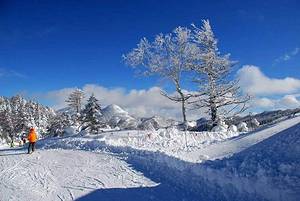
A hot spring and ski town about 1 hour and 30 minutes from Tokyo by Shinkansen, famous as the setting of the novel “Snow Country.” In winter you can enjoy hot springs amidst snowy scenery along with large nearby ski resorts, and the area around the station is well equipped with hot spring facilities, restaurants, and shopping.
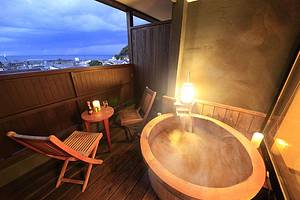
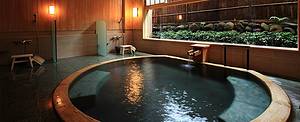
A hot spring district spread around the Echigo-Yuzawa area, densely packed with traditional ryokan inns and hotels. The open-air baths in the snowy winter season are especially popular, and the great appeal is being able to relax in hot springs after enjoying skiing.
A large ski resort famous for being directly connected to the Shinkansen station and the ski slopes, making it suitable even for day-trip ski outings. With slopes of varying difficulty, rental services, and hot spring/spa facilities, it’s convenient for everyone from beginners to intermediate skiers.
One of Niigata’s representative large ski resorts, where an extensive ski area and hotel complex have been developed together. It is also connected to the nearby Kagura Ski Resort, allowing you to enjoy long runs, and is ideal for combining winter sports with a resort stay.
A popular ski area near Naeba, known for its abundant snowfall and long season. Thanks to the relatively wide slopes and good snow quality, it is a frequent destination for ski and snowboard enthusiasts.
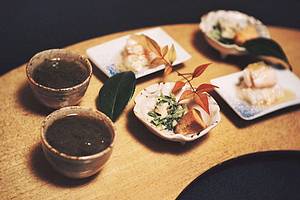
A sake-themed facility located in places such as Echigo-Yuzawa Station, featuring spaces where you can sample sake from various regions of Niigata Prefecture and shops selling local specialties. You can compare and taste a wide range of brands in small amounts, making it a must-visit course for travelers who love rice and sake.
A representative terraced rice field landscape in the mountainous area near Tokamachi City. On rainy or misty days, the sky and surrounding mountains are reflected in the water pooled in the paddies, creating an especially beautiful view that is famous among photographers, and the fantastical scenery at dawn and dusk is well known.
A natural attraction counted among Japan’s three great gorges, where you can walk along a tunnel-like viewing path built along the ravine and enjoy the spectacular scenery created by cliffs and clear river water. Some sections feature artistically designed viewing spaces, making it a famous photo spot as well.
A large-scale outdoor contemporary art festival held once every three years, with installations and architectural works spread across rural areas centered on Tokamachi and Tsunan. It offers a unique experience of searching for and appreciating artworks set amid rice fields and mountain village scenery, and is very popular among those who love art and photography.
A historic shrine nestled in the forest at the foot of Mount Yahiko, and one of Niigata’s representative shrines. The wide approach and grounds surrounded by forest are impressive, and it attracts particularly many visitors for the first shrine visit of the New Year and during the autumn foliage season.
A mountain overlooking the Niigata Plain and the Sea of Japan, with ropeways and driving routes that allow easy access near the summit. On clear days you can see as far as Sado Island, making it a great viewpoint for enjoying sunsets and nightscapes.