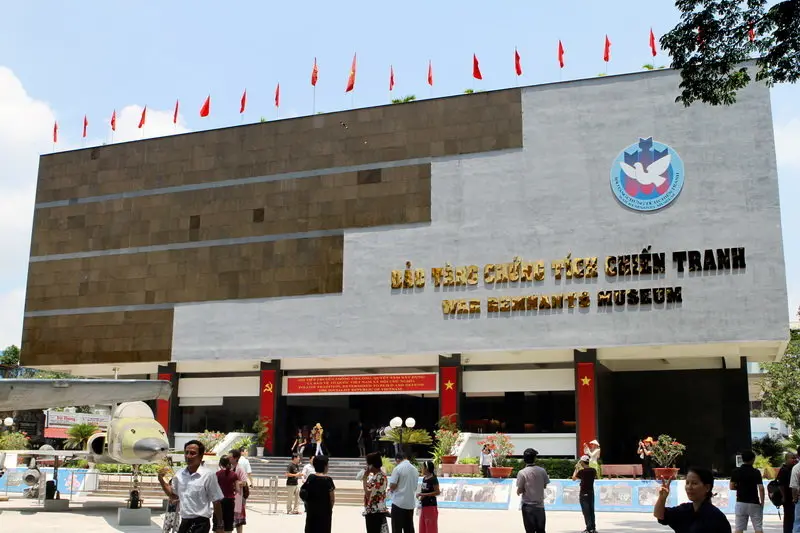
Exhibits related to war are displayed, allowing visitors to learn about Vietnam's modern war history. Some destructive tools are exhibited in the courtyard.
Formerly the presidential residence of Ngô Đình Diệm, it preserves the interior decorations of the 1960s and 1970s, including the presidential library, screening rooms, and underground command center, serving as an important witness to Vietnam's history.
Designed by Jules Bourard and built in 1880, it features stained glass windows, marble reliefs, and Gothic arches. Also known as the Red Cathedral thanks to its red brick construction, it is one of Ho Chi Minh City's landmark buildings.
Built in 1891 and designed by Gustave Eiffel, it provides postal and telephone services and includes gift shops inside. Its unique architectural style attracts many visitors and makes it a popular place for fashion photography and weddings.
One of the busiest markets in Ho Chi Minh City, where visitors can buy local handicrafts, street snacks, and fresh produce. It's a great place to experience local Vietnamese life.
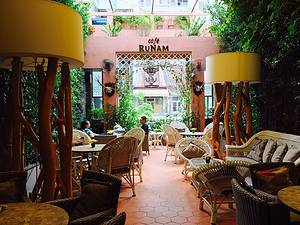
A popular check-in spot for artistic youths, located in an old apartment building filled with unique cafes. It exudes a creative and vintage atmosphere.
Built in 1890 with a neoclassical facade, it showcases handicrafts, southern beliefs, and wedding rituals, as well as war items like old Vespa scooters and propaganda instruments.
Cholon is the largest Chinatown in Vietnam. The bustling Binh Tay Market is surrounded by numerous ancient temples in nearby alleys, such as Quan Am Temple, Thien Hau Temple, and Giac Vien Pagoda, rich in historical and cultural ambiance.
A distinctive architectural complex consisting of interconnected buildings, courtyards, and courts. It houses personal belongings of a military general, mosaic walls, and reliefs, and serves as a hub for celebrations during Tet and the 30th day of the seventh lunar month.
Built in the late 19th century to serve the city's small Tamil community, its main entrance features a spectacular multi-layered gopuram, and inside are statues of deities such as the goddess Mariamman.